Podgląd w skali 1:1
 Wyślij jako kartkę
 Udostępnij
 Szczegóły dzieła
 Przewodnik

 Pobierz obraz
 Podobne obiekty
 RTG
RTG Pokaz slajdów
 Q&A
Q&A Statystyki
Herman Langelius


 Rozwiń treść
Giclée / Wydruk artystyczny
Wydruki giclée lub płótna o jakości muzealnej, szybka realizacja i szeroki wybór opcji wykończenia. ( Zamów ręcznie malowaną reprodukcję Przejdź do wersji cyfrowej)




P118B zł10

P118H zł10

P118W zł10

P438Z zł10

P508JH zł12

P508YH zł12

P805H zł10

P805Z zł10

P919BZ zł10

P919G zł10

P919XJ zł10

P959ZH zł10

P968JZ zł12

W106C zł8

W218G zł10

W218JH zł8

W218Y zł10

W307PJ zł10

W316G zł10

W316PJ zł8

W316Y zł10

W398PJ zł8

W4111J zł10

W500HY zł15

W500JH zł15

W692G zł12

W849H zł8

W940BG zł15

W953PJ zł8




Wybierz spośród naszych standardowych rozmiarów, które zachowują oryginalne proporcje dzieła sztuki.

Wpisz wymaganą szerokość i wysokość, aby dopasować grafikę do ramy lub ściany. Wydruk można jedynie przyciąć, nigdy nie powiększając go poza oryginalny obraz, dlatego format o innych proporcjach spowoduje utratę części kompozycji. Przed rozpoczęciem druku prześlemy Ci cyfrowy podgląd do zatwierdzenia. Obraz wyświetlany na tej stronie nie pokazuje rzeczywistego przycięcia — jedynie podgląd oddaje ten efekt.
Dostawa na cały świat () w ciągu 2 tygodni zamiast standardowych 4/5 tygodni. (30 Październik)

Bezpłatna ekspresowa wysyłka na cały świat

Wysokiej jakości płótno lniane

Pełne ubezpieczenie przesyłki

Gwarancja zwrotu należności celnych i podatków importowych

Gwarancja wiernego odwzorowania kolorów

100-dniowa polityka zwrotów (tylko w przypadku wad)

Gwarancja 100% zwrotu pieniędzy

Zniżka przy zakupie wielu sztuk
 Opcja ze szkłem jest dostępna wyłącznie w rozmiarach poniżej 110 cm

Herman Langelius
Giclée / Wydruk artystyczny
Wymiary reprodukcji
-


Cena całkowita
zł 311
The Intimate Gaze of Herman Langelius
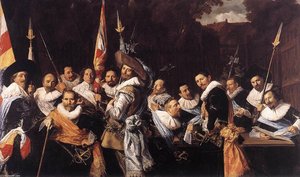
Frans Hals’s “Herman Langelius,” painted around 1660, is more than just a portrait; it's a window into the soul of a man caught in a moment of quiet contemplation. This remarkable work, currently residing in the Musée de Picardie in Amiens, France, exemplifies Hals’s signature style – a masterful blend of realism and expressive brushwork that captures not only physical likeness but also an underlying sense of character and emotion. The painting depicts Herman Langelius, a Dutch Protestant minister, presented in a half-length pose, his gaze fixed directly upon the viewer with an intensity that is both arresting and profoundly human.
Hals’s technique here is particularly noteworthy. He employs a loose, almost impressionistic approach to rendering the figure, eschewing meticulous detail in favor of capturing the essence of Langelius's presence. Notice how the brushstrokes are visible, creating a textured surface that seems to vibrate with life. The chiaroscuro – the dramatic contrast between light and shadow – is expertly utilized, drawing attention to Langelius’s face and hands while subtly obscuring the background, further emphasizing his isolation and introspective mood. Hals was known for this technique, often referred to as “wet-on-wet,” where he applied paint while it was still wet, allowing colors to blend and merge organically.
A Baroque Masterpiece: Context and Style
“Herman Langelius” firmly situates itself within the vibrant context of the Dutch Golden Age. This period, roughly spanning from the mid-16th to the early 18th centuries, witnessed an unprecedented flourishing of art, science, and commerce in the Netherlands. Hals was a central figure in this artistic revolution, pushing boundaries with his innovative portraiture and genre scenes. His work stands apart from the more formal and idealized portraits favored by some of his contemporaries, instead embracing a sense of immediacy and spontaneity that reflects the dynamism of everyday life.
The painting’s Baroque style is evident in its dramatic lighting, rich textures, and emphasis on emotional expression. Baroque art, which flourished throughout Europe during this period, sought to evoke strong emotions in the viewer through grand gestures, intense colors, and dynamic compositions. Hals masterfully translates these principles into his portrait of Langelius, creating a work that is both visually stunning and emotionally resonant.
Symbolism and Character
Beyond its technical brilliance, “Herman Langelius” is rich in subtle symbolism. The subject’s direct gaze invites the viewer to engage with him on a personal level, suggesting a shared understanding or perhaps even a silent dialogue. His slightly melancholic expression hints at a contemplative nature, reflecting the burdens and responsibilities of his role as a minister. The dark clothing he wears also speaks to the solemnity of his profession.
Interestingly, Hals often painted what are known as “tronies”—studies of facial expressions rather than commissioned portraits. This approach allowed him to explore a range of human emotions and personalities without being constrained by specific requests from clients. The painting’s focus on Langelius's face—particularly his eyes—is a testament to Hals’s ability to capture the essence of a person through a single, powerful image.
A Timeless Portrait: Reproduction Possibilities
OriginalUniqueArt offers high-quality reproductions of “Herman Langelius,” allowing art lovers worldwide to experience the beauty and power of this iconic painting. Our meticulous printing process faithfully captures Hals’s distinctive brushwork and vibrant colors, ensuring that your reproduction will be a stunning addition to any home or office. Whether you're seeking an authentic representation for personal enjoyment or a sophisticated piece for interior design, our reproductions provide a remarkable way to connect with one of the Dutch Golden Age’s most celebrated artists.
Explore the full details and order your own reproduction today at OriginalUniqueArt.
Pytania i odpowiedzi
Jaka paleta i dominujący kolor definiują "Herman Langelius"?
Kolorystyka dzieła „Herman Langelius” – Frans Hals I: paleta Earthy, w której dominuje Phthalo Green (#282322).
Czy dzieło „Herman Langelius” – Frans Hals I jest jasne czy ciemne?
Postrzegana jasność dzieła „Herman Langelius” – Frans Hals I wynosi deep_shadow. Można ją dopasować do oświetlenia w docelowym pomieszczeniu.
Jaką kolorystykę wykorzystuje "Herman Langelius"?
„Herman Langelius” – Frans Hals I wykorzystuje Earthy paletę barw, która definiuje ogólny charakter kolorystyczny dzieła.
Biografia artysty
Frans Hals I: A Life in Paint
Frans Hals I was a Dutch painter born in Antwerp, Belgium, around 1580. Though his early life remains somewhat shrouded in mystery, he rose to become one of the most important figures of the Dutch Golden Age, celebrated for his innovative portraiture and genre scenes.Early Life and Training
Details surrounding Hals’s formative years are scarce. It is believed he received initial artistic training in Antwerp, a prominent center for painting at the time. However, due to religious and political turmoil, his family relocated to Haarlem in the Netherlands. He became a member of the Haarlem Guild of St. Luke in 1610, marking the formal beginning of his professional career.Artistic Style and Development
Hals distinguished himself through a remarkably fresh and spontaneous style. Unlike many of his contemporaries who favored meticulous detail, Hals employed a loose and expressive brushstroke. This technique imbued his paintings with a sense of immediacy and vitality, capturing the personality and character of his subjects in a way that was revolutionary for its time. He wasn’t merely attempting to reproduce appearances; he sought to convey emotion and psychological insight. His portraits weren't simply likenesses; they were psychological studies. He excelled at depicting fleeting moments – laughter, conversation, or contemplation. Hals's use of light and shadow added depth and drama to his compositions. This approach departed significantly from the prevailing artistic conventions of the period, establishing him as a pioneer of realism and emotional intensity.Notable Works
While Hals produced a wide range of works, he is best known for his portraits. Some of his most celebrated paintings include:- The Laughing Cavalier (1624) – A quintessential example of his ability to capture character and movement. The painting’s dynamic pose and radiant smile exemplify Hals's masterful technique in portraying human emotion with remarkable accuracy.
- Malle Babbe (c. 1633-1635) – A striking portrayal of an elderly woman, showcasing Hals’s skill in depicting age and personality. The painting captures the sitter’s wrinkled face and gaze with astonishing realism, conveying a profound sense of wisdom and experience.
- Portraits of the Regents of the Old Men's Home in Haarlem (1664) - Demonstrating his mastery of group portraiture. Hals skillfully captured the individual expressions and postures of each regent, creating a cohesive image that reflects the dignity and serenity of the institution.
Influences and Legacy
Determining Hals’s direct influences is challenging, as he developed a highly individual style. However, it's likely he was aware of the work of earlier Flemish painters like Pieter Bruegel the Elder. His innovative approach to portraiture profoundly impacted subsequent generations of artists. He influenced artists such as Adriaen Brouwer and Johannes Vermeer. His emphasis on capturing personality paved the way for more intimate and psychological portraits. Later artists, including the Impressionists, admired his loose brushwork and focus on light. Hals’s legacy extends beyond his artistic achievements; he embodies the spirit of the Dutch Golden Age—a period characterized by intellectual curiosity, artistic experimentation, and a celebration of human individuality. Today, his paintings are highly sought after and can be found in major museums worldwide, including the Frans Hals Museum in Haarlem, which houses the largest collection of his work. His contributions continue to inspire artists and captivate audiences centuries later.
Frans Hals I
1580 - 1585 , Belgia
Krótka nota
- Artistic Movement Or Style: Dutch Golden Age
- Artists Or Movements Influenced By This Artist:
- Adriaen Brouwer
- Johannes Vermeer
- Artists Who Influenced This Artist: ['Pieter Bruegel the Elder']
- Date Of Birth: c. 1582
- Date Of Death: 1666
- Full Name: Frans Hals I
- Nationality: Dutch
- Notable Artworks:
- Śmiejący się Rycerz
- Portret młodego mężczyzny
- Portret kobiety wiekowej
- Place Of Birth: Antwerp, Belgium
Powiązane artykuły

Złoty Wiek Holandii: 10 arcydzieł, które zmieniły historię sztuki | OriginalUniqueArt.com
Odkryj 10 arcydzieł Złotego Wieku Holandii! Poznaj historię Rembrandta, Vermeera i innych mistrzów. Reprodukcje obrazów najwyższej jakości do Twojego wnętrza – OriginalUniqueArt.com.

Holenderski Barok: 10 Arcydzieł, Które Zdefiniowały Epokę | OriginalUniqueArt
Poznaj 10 arcydzieł holenderskiego baroku! Odkryj historie Rembrandta, Vermeera i innych mistrzów XVII wieku. Reprodukcje obrazów najwyższej jakości – idealne do Twojego wnętrza. OriginalUniqueArt.com

Złoty Wiek Niderlandów: Światło, Realizm i Kulturowe Innowacje w Malarstwie Barokowym
Odkryj fascynujący świat malarstwa holenderskiego Złotego Wieku! Poznaj arcydzieła Rembrandta, Vermeera i innych mistrzów. Analiza technik, gatunków i wpływu na sztukę europejską.

Frans Hals I: Innovation, Intimacy & the Dutch Golden Age Portrait
Explore the revolutionary portraiture of Frans Hals I, a master of the Dutch Golden Age. Discover his innovative techniques, captivating character studies & lasting impact on art history. Learn more at OriginalUniqueArt.

Rembrandt van Rijn: 25 Najwybitniejszych Dzieł Sztuki – Reprodukcje i Inspiracje do Wnętrz
Poznaj 25 arcydzieł Rembrandta van Rijn! Odkryj fascynujące historie, techniki i wpływ holenderskiego mistrza baroku na świat sztuki. Reprodukcje obrazów najwyższej jakości – inspiracje do wnętrz na OriginalUniqueArt.com