

 Podgląd w skali
 Wyślij jako kartkę
 Udostępnij
 Szczegóły dzieła

 Pobierz
 Podobne obiekty
 RTG
RTG Pokaz slajdów
Landscape at Polling


 Rozwiń treść
Ręcznie malowana reprodukcja olejowa
Ręcznie malowany obraz olejny na płótnie, wykonany na zamówienie przez naszych artystów w wybranym przez Ciebie wymiarze i oprawie. ( Zamów wydruk Kup obraz wysokiej rozdzielczości)




P118B $10

P118H $10

P118W $10

P438Z $10

P508JH $12

P508YH $12

P805H $10

P805Z $10

P919BZ $10

P919G $10

P919XJ $10

P959ZH $10

P968JZ $12

W106C $8

W218G $10

W218JH $8

W218Y $10

W307PJ $10

W316G $10

W316PJ $8

W316Y $10

W398PJ $8

W4111J $10

W500HY $15

W500JH $15

W692G $12

W849H $8

W940BG $15

W953PJ $8




Wybierz spośród naszych standardowych rozmiarów, które zachowują oryginalne proporcje dzieła sztuki.

Możesz wprowadzić własne wymiary, aby dopasować obraz do konkretnej ramy lub przestrzeni. Jeśli wybrany rozmiar nie będzie odpowiadał proporcjom oryginału, przytniecie dzieło sztuki lub rozszerzymy je o dodatkowe elementy, ręcznie domalowane przez artystę. Przed rozpoczęciem produkcji wyślemy projekt cyfrowy do Twojej akceptacji.
Należy pamiętać, że podgląd na ekranie nie odzwierciedla rzeczywistego przycinania ani rozszerzania obrazu. Tylko projekt dokładnie pokaże ostateczną kompozycję.
Choć oferujemy możliwość zamówienia niestandardowych rozmiarów, zalecamy wybór wymiaru z gotowej listy, aby zachować oryginalne proporcje dzieła.
Po złożeniu zamówienia zespół OriginalUniqueArt.com skontaktuje się z klientem drogą mailową w celu uzyskania instrukcji i prześle wizualizację projektu
Dostawa na całym świecie () w ciągu 3–4 tygodni zamiast standardowych 5 tygodni. (26 Sierpień). Bez kompromisów w kwestii jakości.

Bezpłatna ekspresowa wysyłka na cały świat

Wysokiej jakości płótno lniane

Pełne ubezpieczenie przesyłki

Gwarancja zwrotu należności celnych i podatków importowych

Gwarancja wiernego odwzorowania kolorów

Polityka 60-dniowego zwrotu (tylko w przypadku wad)

Gwarancja 100% zwrotu kosztów

Zniżka przy zamówieniu wielu produktów
 Opcja ze szkłem jest dostępna wyłącznie w rozmiarach poniżej 110 cm

Landscape at Polling
Technika reprodukcji
Wymiary reprodukcji
-


Cena całkowita
$ 300
Opis dzieła
Landscape at Polling
The canvas breathes with an understated grandeur – Landscape at Polling by Frank Duveneck (1876), a painting that transcends mere depiction, immersing the viewer in a poignant meditation on beauty and loss amidst the turbulent currents of Victorian England. Situated in Covington, Kentucky, Duveneck’s formative years were marked by profound sorrow; his father succumbed to cholera shortly after birth, shaping him into an artist acutely attuned to the fragility of life and the enduring power of memory. This familial tragedy undoubtedly fueled a dedication to capturing emotion on canvas, resulting in works that resonate with palpable sincerity. The artwork itself presents a panoramic vista of a river valley bathed in diffused twilight. Dominating the composition is a wide expanse of water – likely the Ohio River – reflecting the overcast sky and punctuated by partially submerged boats, hinting at recent flooding events prevalent during Duveneck’s era. Scattered along the riverbank are figures—likely villagers—adding scale to the scene and grounding it in the everyday realities of rural life. A stately church spire rises from the distant hills, a symbol of faith and permanence against the backdrop of transient natural forces. Duveneck's stylistic approach firmly anchors Landscape at Polling within the Romantic tradition. Loose brushstrokes dominate the surface, prioritizing expressive gesture over meticulous detail—a hallmark of the movement’s desire to convey feeling rather than simply representing observation. The artist skillfully employs atmospheric perspective, layering colors and textures to create a convincing illusion of depth, mirroring the grandeur of the natural world while simultaneously conveying an underlying melancholy. Light plays a crucial role in establishing mood; its soft diffusion contributes to a contemplative atmosphere, inviting contemplation on themes of vulnerability and resilience. Technically, Duveneck executed Landscape at Polling using oil paint on canvas—a medium favored by Romantic artists for its ability to capture nuanced tonal variations and luminous effects. The artist’s meticulous layering of pigment builds up texture, simulating the roughness of the hillside terrain and the shimmering surface of the river water. Careful blending ensures harmonious color transitions, reinforcing the painting's overall mood. Beyond its aesthetic qualities, Landscape at Polling carries significant symbolic weight. The flooded landscape serves as a poignant reminder of mortality—a visual metaphor for confronting inevitable hardship with grace and fortitude. Simultaneously, the church spire symbolizes spiritual solace and enduring faith, offering a counterpoint to the pervasive gloom. Duveneck’s masterful rendering captures not only the beauty of the natural world but also its capacity to inspire profound emotional responses. It remains an evocative testament to Romantic idealism and a captivating glimpse into the artistic sensibilities of a bygone era—a piece destined to resonate with collectors and interior designers alike who appreciate art that speaks to the human condition.O artyście
A Life Forged in Tragedy and Realism
Frank Duveneck, born Frank Decker in 1848 amidst the burgeoning river town of Covington, Kentucky, was an artist whose life story is as compelling as his powerfully rendered canvases. His early years were profoundly shaped by loss; the untimely death of his father to cholera when he was barely a year old indelibly marked his trajectory. This formative tragedy, coupled with his mother’s subsequent marriage to Joseph Duveneck – from whom he adopted his enduring name – instilled within him a sense of resilience and perhaps, a heightened sensitivity that would later manifest in the emotional depth of his art. The blending of German heritage through his stepfather and the distinctly American landscape of his upbringing created a unique cultural foundation for the artist, informing both his subject matter and his artistic approach. Even as a young boy, an innate aptitude for drawing blossomed, leading to studies under local painter Johann Schmitt and an apprenticeship with a firm specializing in church decoration—a crucial period where he honed technical skills and absorbed the narrative power of visual imagery, learning how art could effectively evoke emotion and tell stories – lessons that would resonate throughout his career.The Munich Crucible: Embracing Dark Realism
In 1869, Duveneck embarked on a transformative journey to Munich, Germany, seeking advanced artistic training at the Royal Academy. This move proved pivotal, exposing him to an entirely different aesthetic landscape. The prevailing artistic climate in Munich was characterized by a stark realism—a deliberate rejection of academic idealism in favor of direct observation and unflinching honesty. It resonated deeply with Duveneck, who embraced a darker palette and a more vigorous, expressive brushstroke. He became captivated by the work of 17th-century Dutch masters like Frans Hals, whose lively portraits and masterful handling of light profoundly influenced his style. Hals’s ability to capture fleeting moments of life, imbued with both dignity and vulnerability, served as a key inspiration for Duveneck's own artistic vision. This influence is strikingly evident in paintings such as Lady with Fan (1873), where slashing brushwork and a somber tonality echo Hals’s spirit while simultaneously establishing Duveneck’s own distinctive voice – a powerful realism that went beyond mere representation, delving into the psychological complexities of his subjects. The period in Munich was also marked by an intense intellectual atmosphere, with artists engaging in lively debates about the nature of art and its role in society. It was during these formative years that he began to develop the signature style for which he would become celebrated: a potent blend of technical mastery, emotional intensity, and psychological insight – a departure from the polished surfaces favored by many of his contemporaries.A Mentor’s Influence: The “Duveneck Boys” and Beyond
By 1878, Duveneck had established himself as a significant figure in the art world, not only as a painter but also as an educator. He opened his own school in Munich, attracting a cohort of ambitious American artists who became known as the “Duveneck Boys.” Among them were John Twachtman, Otto Bacher, Julius Rolshoven, and John White Alexander—artists who would themselves become prominent figures in American Impressionism and Realism. Duveneck’s teaching philosophy emphasized direct observation, bold brushwork, and a rejection of conventional academic constraints. He encouraged his students to forge their own artistic paths while grounding them in the principles of sound draftsmanship and expressive color. His influence extended beyond the classroom, fostering a spirit of innovation and independence that helped shape the course of American art. He wasn’t merely imparting technical skills; he was cultivating a mindset—a willingness to challenge established norms and pursue one's own unique vision. The “Duveneck Boys,” deeply influenced by their mentor, went on to establish themselves as leading artists in their own right, carrying forward Duveneck’s legacy of realism and expressive power.Evolving Visions and Lasting Legacy
Duveneck’s artistic journey continued to evolve after his return to America. While he remained committed to realism, his palette began to lighten, influenced by Impressionism and his frequent travels to Italy and France. He explored landscape painting with increasing frequency, capturing the sun-drenched scenes of Venice and the rugged beauty of coastal Massachusetts. Despite these stylistic shifts, his work always retained a distinctive character—a blend of technical mastery, emotional depth, and psychological insight. The personal tragedy of losing his wife, Elizabeth Boott Duveneck, in 1888 cast a long shadow over his later years, perhaps contributing to the introspective quality of some of his subsequent works. His paintings from this period often reflect a sense of melancholy and quiet contemplation, hinting at the profound emotional toll he had endured. Frank Duveneck passed away in Covington, Kentucky, in 1919, leaving behind a rich artistic legacy. His paintings are now held in prestigious collections such as the Metropolitan Museum of Art in New York City, the National Gallery of Art in Washington, D.C., and the Cincinnati Art Museum—testaments to his enduring contribution to American art. He remains a pivotal figure in the transition from academic tradition to modern realism, an artist who dared to challenge conventions and forge his own path with unwavering conviction.A Lasting Impact
- Pioneering Realism: Duveneck’s commitment to portraying life as it was, without idealization, paved the way for future generations of American realist painters.
- Influential Educator: His mentorship of the “Duveneck Boys” and subsequent students at the Cincinnati Art Academy had a profound impact on the development of American Impressionism and Realism.
- Technical Mastery: Duveneck’s skillful handling of brushwork, color, and composition continues to inspire artists today.
- Psychological Depth: His ability to capture the inner lives of his subjects adds a layer of complexity and emotional resonance to his work.
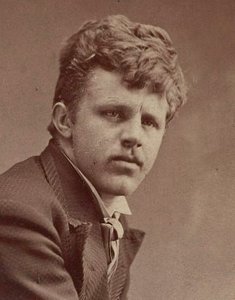
Frank Duveneck
1848 - 1919 , Stany Zjednoczone
Krótka nota
- Artistic Movement Or Style: Realizm
- Artists Or Movements Influenced By This Artist: ['Impressionizm']
- Artists Who Influenced This Artist: ['Frans Hals']
- Date Of Birth: 9 października 1848
- Date Of Death: 3 stycznia 1919
- Full Name: Frank Duveneck
- Nationality: Amerykański
- Notable Artworks:
- Lady with Fan
- Whistling Boy
- Place Of Birth: Covington, USA
Powiązane artykuły
Romantic Realism's Finest: 10 Masterpieces for Your Home | OriginalUniqueArt
Explore 10 defining masterpieces of Romantic Realism! Discover Courbet, Millet & Daumier's powerful paintings—capturing emotion and social realities. Find museum-quality reproductions for your home at OriginalUniqueArt.com.

Romantyczny Krajobraz w Malarstwie: 10 Arcydzieł, Które Zdefiniowały Epokę | OriginalUniqueArt.com
Odkryj 10 arcydzieł romantyzmu w malarstwie! Poznaj historie Caspara Davida Friedricha, Turnera i innych mistrzów. Inspiracje wnętrzarskie & reprodukcje obrazów najwyższej jakości na OriginalUniqueArt.com. Eksploruj kolekcję online!

Amerykański Realizm: 10 Arcydzieł, Które Zdefiniowały Epokę | OriginalUniqueArt
Poznaj 10 arcydzieł amerykańskiego realizmu! Odkryj historie Winslowa Homera, Edwarda Hoppera i innych mistrzów. Reprodukcje obrazów najwyższej jakości – inspiracje do Twojego wnętrza na OriginalUniqueArt.com

Evocations of Place: A Historical Journey Through Landscape Art
Explore the rich history of landscape art with OriginalUniqueArt. Discover renowned artists, movements like Impressionism & Romanticism, and expert guidance for collecting timeless pieces. Find your perfect serene escape today!

Romantic Realism: The Masterful Fusion of Raw Emotion and Hyper-Realistic Detail for the Modern Collector
Discover the captivating world of Romantic Realism. Explore how master artists blend raw emotion with hyper-realistic detail to create timeless, museum-quality oil paintings perfect for sophisticated modern collectors and luxury home interiors.

