
 Podgląd w skali 1:1
 Wyślij jako kartkę
 Udostępnij
 Szczegóły dzieła
 Przewodnik

 Pobierz obraz
 Podobne obiekty
 RTG
RTG Pokaz slajdów
 Pytania i odpowiedzi
 Statystyki
Girl Reading


 Rozwiń treść
Otrzymaj plik gotowy do druku, którego jakość znacznie przewyższa podgląd internetowy. Każdy sprzedawany przez nas obraz cyfrowy pochodzi z wysokorozdzielczego pliku wzorcowego w naszej bazie — zazwyczaj o szerokości od 5 000 do 15 000 pikseli — dzięki czemu możesz drukować w dużym formacie, mocno kadrować lub z pełnym przekonaniem odwzorowywać najdrobniejsze detale.
Żaden plik nie opuszcza naszego studia bez odpowiedniej obróbki. Ekspert ds. cyfrowej edycji sprawdza zgodność kolorów z oryginałem i w razie potrzeby je koryguje, a następnie za pomocą profesjonalnych narzędzi do retuszu poprawia ostrość oraz szczegółowość — zawsze zachowując wierność pociągnięciom pędzla i stylowi artysty. Rezultatem jest obraz, który wygląda jak prawdziwe dzieło, a nie jak przefiltrowany skan.
Zatwierdzasz przed finalizacją zamówienia: nasz ekspert prześle obraz drogą mailową w ciągu 72 godzin do Twojego wglądu. Nie jesteś zadowolony? Poproś o poprawki lub korektę, bądź o zwrot kosztów, jeśli jakość nie spełnia oczekiwań.
To jakość, na której polegają wydawcy, studia projektowe, galerie oraz drukarnie.
Obraz cyfrowy
Pobierz plik o wysokiej rozdzielczości do osobistego użytku, druku oraz projektów kreatywnych. ( Przełącz na wydania drukowane Zamów ręcznie malowaną reprodukcję)
W każdym zamówieniu na obraz cyfrowy znajduje się
Profesjonalna dostawa cyfrowa z gwarancją
Wybierając OriginalUniqueArt.com, nie otrzymujesz jedynie obrazu – otrzymujesz profesjonalnie udoskonalone cyfrowe dzieło sztuki, stworzone z najwyższą precyzją i objęte gwarancją satysfakcji. Oto wszystko, co automatycznie dołączane jest do Twojego zamówienia:

Błyskawiczna wysyłka e-mailowa
Plik z obrazem cyfrowym w wysokiej rozdzielczości zostanie przesłany na Twój adres e-mail w ciągu 72 godzin od złożenia zamówienia – gotowy do natychmiastowego użycia.

Plik cyfrowy wzbogacony przez AI
Twoja grafika została profesjonalnie zoptymalizowana przy użyciu zaawansowanych narzędzi AI oraz ręcznej edycji, co zapewnia maksymalną szczegółowość, klarowność i wierność kolorów.

Darmowe ponowne przesyłki dożywotnio
Przypadkowo usunąłeś lub zgubiłeś swój plik? Bez obaw – prześlemy go Tobie ponownie w dowolnym momencie, bez żadnych opłat.

Bez opłat importowych – zawsze
Ciesz się swoją sztuką natychmiast, bez żadnych opłat celnych, należności ani kosztów dostawy – pliki cyfrowe są zawsze wolne od podatku.

Gwarancja wierności kolorów
Dzięki zastosowaniu profesjonalnych narzędzi i procesów zarządzania barwą zapewniamy, że Twoje cyfrowe zdjęcie odzwierciedla oryginalne kolory tak wiernie, jak to tylko możliwe.

Gwarancja satysfakcji przez 100 dni
Jeśli nie będziesz zadowolony ze swojego cyfrowego obrazu, dokonamy jego poprawki lub zwrócimy 100% kosztów w ciągu 100 dni – bez zbędnych pytań.

100% Gwarancja zwrotu pieniędzy
Nie jesteś zadowolony? Otrzymaj pełny zwrot kosztów w ciągu 100 dni od otrzymania pliku cyfrowego – bez zbędnych pytań.

Rabaty przy zamówieniach hurtowych
Kup 3 obrazy, oszczędź 10% - Kup 5, oszczędź 15% - Kup 10+, oszczędź 20%. Idealne do projektów kreatywnych, galerii i agencji.
A Moment of Quiet Reflection: Frank Duveneck’s “Girl Reading”
Frank Duveneck's "Girl Reading," painted in 1876, isn’t merely a portrait; it’s a carefully constructed tableau of domesticity and intellectual pursuit. The painting immediately draws the viewer into a scene of serene contemplation – a young woman lost within the pages of her book, bathed in a soft, diffused light that speaks to both intimacy and a certain melancholy. Duveneck, a remarkably prolific artist whose life was tragically cut short at the age of 71, masterfully captures this quiet moment, imbuing it with an emotional resonance that transcends its simple subject matter.
The composition is deceptively straightforward. The girl, dressed in a vibrant crimson gown – a bold and striking color choice for the era – sits poised on what appears to be a small stool or bench. Her posture suggests both comfort and concentration; her hand rests lightly upon the book, while her gaze is utterly absorbed by its contents. The dark shawl draped across her shoulders and the matching hat contribute to a sense of understated elegance and perhaps a touch of reserve. The background, rendered in muted browns and greens, serves as a subtle counterpoint to the girl’s vivid attire, directing the eye back to her central figure.
Impressionistic Realism: A Delicate Balance
Duveneck's style is often described as “impressionistic realism,” a term that perfectly encapsulates his approach. He skillfully blends elements of both movements – the loose brushstrokes and emphasis on capturing fleeting moments characteristic of Impressionism, with the meticulous detail and accurate representation favored by Realists. Notice how he uses broken color to create an atmospheric effect, particularly in the dappled light filtering through an unseen window. The paint isn’t blended smoothly; instead, it's applied in short, visible strokes that give the scene a sense of immediacy and vitality. This technique allows him to convey not just what he *sees*, but also how he *feels* about what he sees – a subtle emotional layering that elevates the painting beyond a simple likeness.
The artist’s use of light is particularly noteworthy. It's not harsh or dramatic, but rather soft and diffused, creating a sense of warmth and intimacy. This gentle illumination highlights the girl’s face and hands, drawing attention to her engagement with the book. The shadows are equally deliberate, adding depth and dimension to the scene and subtly hinting at the quiet solitude of the moment.
A Window into 19th-Century Life
"Girl Reading" offers a poignant glimpse into the domestic life of mid-19th century America. The painting reflects a time when education, particularly for women, was increasingly valued, though still often limited. The girl’s act of reading represents a burgeoning intellectual curiosity and a desire for knowledge – a subtle assertion of agency within a society that frequently confined women to traditional roles. Furthermore, the setting itself—a simple interior space—suggests a life centered around family and home, values deeply rooted in the era.
Considering Duveneck’s own biography adds another layer of meaning. His early life was marked by profound loss – the death of his father at a young age and the subsequent remarriage of his mother. These experiences undoubtedly shaped his artistic vision, imbuing his work with a sense of melancholy and perhaps a yearning for stability and connection. “Girl Reading,” therefore, can be interpreted as an exploration of these themes—a quiet meditation on loss, memory, and the solace found in intellectual pursuits.
Symbolism and Emotional Resonance
Beyond its historical context, "Girl Reading" is rich with symbolic meaning. The book itself represents knowledge, wisdom, and escape – a portal to other worlds and ideas. The girl’s posture suggests introspection and a desire for self-discovery. The crimson dress, while vibrant, also carries connotations of passion and perhaps even vulnerability. Duveneck masterfully uses color and composition to create an atmosphere of quiet contemplation, inviting the viewer to share in the girl's moment of solitude.
Ultimately, “Girl Reading” is a remarkably evocative work that transcends its simple subject matter. It’s a testament to Duveneck’s artistic skill and his ability to capture not just the physical appearance of his subjects, but also their inner lives. It remains a powerful reminder of the enduring appeal of quiet moments, intellectual pursuits, and the beauty found in the everyday.
Pytania i odpowiedzi
Do którego etapu kariery Frank Duveneck należy dzieło „Girl Reading” (1876)?
"Girl Reading", powstałe w 1876, należy do Mature Period w twórczości Frank Duveneck.
Jaki poziom kontrastu prezentuje „Girl Reading” – Frank Duveneck?
„Girl Reading” – Frank Duveneck prezentuje Serene kontrast między jasnymi a ciemnymi partiami dzieła.
Czy istnieje karta informacyjna o „Girl Reading” – Frank Duveneck przeznaczona dla studentów?
Strona Karta informacyjna dla uczniów dzieła „Girl Reading” – Frank Duveneck oferuje dwustronicową kartę informacyjną w formacie do druku: samo dzieło wraz z tabelą identyfikacyjną, oś czasu umieszczającą je w latach życia artysty, inne prace tego twórcy, zmierzoną paletę kolorystyczną oraz gotowe do skopiowania cytaty w czterech stylach.
Biografia artysty
A Life Forged in Tragedy and Realism
Frank Duveneck, born Frank Decker in 1848 amidst the burgeoning river town of Covington, Kentucky, was an artist whose life story is as compelling as his powerfully rendered canvases. His early years were profoundly shaped by loss; the untimely death of his father to cholera when he was barely a year old indelibly marked his trajectory. This formative tragedy, coupled with his mother’s subsequent marriage to Joseph Duveneck – from whom he adopted his enduring name – instilled within him a sense of resilience and perhaps, a heightened sensitivity that would later manifest in the emotional depth of his art. The blending of German heritage through his stepfather and the distinctly American landscape of his upbringing created a unique cultural foundation for the artist, informing both his subject matter and his artistic approach. Even as a young boy, an innate aptitude for drawing blossomed, leading to studies under local painter Johann Schmitt and an apprenticeship with a firm specializing in church decoration—a crucial period where he honed technical skills and absorbed the narrative power of visual imagery, learning how art could effectively evoke emotion and tell stories – lessons that would resonate throughout his career.The Munich Crucible: Embracing Dark Realism
In 1869, Duveneck embarked on a transformative journey to Munich, Germany, seeking advanced artistic training at the Royal Academy. This move proved pivotal, exposing him to an entirely different aesthetic landscape. The prevailing artistic climate in Munich was characterized by a stark realism—a deliberate rejection of academic idealism in favor of direct observation and unflinching honesty. It resonated deeply with Duveneck, who embraced a darker palette and a more vigorous, expressive brushstroke. He became captivated by the work of 17th-century Dutch masters like Frans Hals, whose lively portraits and masterful handling of light profoundly influenced his style. Hals’s ability to capture fleeting moments of life, imbued with both dignity and vulnerability, served as a key inspiration for Duveneck's own artistic vision. This influence is strikingly evident in paintings such as Lady with Fan (1873), where slashing brushwork and a somber tonality echo Hals’s spirit while simultaneously establishing Duveneck’s own distinctive voice – a powerful realism that went beyond mere representation, delving into the psychological complexities of his subjects. The period in Munich was also marked by an intense intellectual atmosphere, with artists engaging in lively debates about the nature of art and its role in society. It was during these formative years that he began to develop the signature style for which he would become celebrated: a potent blend of technical mastery, emotional intensity, and psychological insight – a departure from the polished surfaces favored by many of his contemporaries.A Mentor’s Influence: The “Duveneck Boys” and Beyond
By 1878, Duveneck had established himself as a significant figure in the art world, not only as a painter but also as an educator. He opened his own school in Munich, attracting a cohort of ambitious American artists who became known as the “Duveneck Boys.” Among them were John Twachtman, Otto Bacher, Julius Rolshoven, and John White Alexander—artists who would themselves become prominent figures in American Impressionism and Realism. Duveneck’s teaching philosophy emphasized direct observation, bold brushwork, and a rejection of conventional academic constraints. He encouraged his students to forge their own artistic paths while grounding them in the principles of sound draftsmanship and expressive color. His influence extended beyond the classroom, fostering a spirit of innovation and independence that helped shape the course of American art. He wasn’t merely imparting technical skills; he was cultivating a mindset—a willingness to challenge established norms and pursue one's own unique vision. The “Duveneck Boys,” deeply influenced by their mentor, went on to establish themselves as leading artists in their own right, carrying forward Duveneck’s legacy of realism and expressive power.Evolving Visions and Lasting Legacy
Duveneck’s artistic journey continued to evolve after his return to America. While he remained committed to realism, his palette began to lighten, influenced by Impressionism and his frequent travels to Italy and France. He explored landscape painting with increasing frequency, capturing the sun-drenched scenes of Venice and the rugged beauty of coastal Massachusetts. Despite these stylistic shifts, his work always retained a distinctive character—a blend of technical mastery, emotional depth, and psychological insight. The personal tragedy of losing his wife, Elizabeth Boott Duveneck, in 1888 cast a long shadow over his later years, perhaps contributing to the introspective quality of some of his subsequent works. His paintings from this period often reflect a sense of melancholy and quiet contemplation, hinting at the profound emotional toll he had endured. Frank Duveneck passed away in Covington, Kentucky, in 1919, leaving behind a rich artistic legacy. His paintings are now held in prestigious collections such as the Metropolitan Museum of Art in New York City, the National Gallery of Art in Washington, D.C., and the Cincinnati Art Museum—testaments to his enduring contribution to American art. He remains a pivotal figure in the transition from academic tradition to modern realism, an artist who dared to challenge conventions and forge his own path with unwavering conviction.A Lasting Impact
- Pioneering Realism: Duveneck’s commitment to portraying life as it was, without idealization, paved the way for future generations of American realist painters.
- Influential Educator: His mentorship of the “Duveneck Boys” and subsequent students at the Cincinnati Art Academy had a profound impact on the development of American Impressionism and Realism.
- Technical Mastery: Duveneck’s skillful handling of brushwork, color, and composition continues to inspire artists today.
- Psychological Depth: His ability to capture the inner lives of his subjects adds a layer of complexity and emotional resonance to his work.
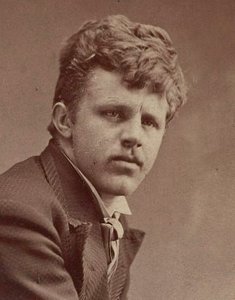
Frank Duveneck
1848 - 1919 , Stany Zjednoczone
Krótka nota
- Artistic Movement Or Style: Realizm
- Artists Or Movements Influenced By This Artist: ['Impressionizm']
- Artists Who Influenced This Artist: ['Frans Hals']
- Date Of Birth: 9 października 1848
- Date Of Death: 3 stycznia 1919
- Full Name: Frank Duveneck
- Nationality: Amerykański
- Notable Artworks:
- Lady with Fan
- Whistling Boy
- Place Of Birth: Covington, USA