

 Zobacz w skali 1:1
 Wyślij
 Udostępnij
 Szczegóły
 Przewodnik

 Pobierz plik obrazu
 Podobne obiekty
 RTG
RTG Pokaz slajdów
 Statystyki
The Balloon Apron


 Czytaj więcej
Dzieło sztuki prezentowane na tej stronie podlega ochronie prawem autorskim, co oznacza, że nie mamy prawa do tworzenia ani sprzedaży jego identycznej reprodukcji. Ochrona ta jest egzekwowana na mocy umów międzynarodowych, takich jak Konwencja berneńska oraz przez przepisy prawa krajowego, w tym te określone w Prawo autorskie USA – Tytuł 17.
Metoda ta jest w pełni zgodna z przepisami prawa autorskiego, ponieważ nie polega na kopiowaniu ani powielaniu chronionego dzieła. Stanowi ona kreatywną reinterpretację – nowy obraz, który czerpie inspirację z oryginału, ale nie jest z nim tożsamy.
Giclée / Wydruk artystyczny
Wydruki giclée lub płótna o jakości muzealnej, szybka realizacja i szeroki wybór opcji wykończenia. ( Kup ręcznie malowany obraz Przełącz na wersję cyfrową)




P118B zł10

P118H zł10

P118W zł10

P438Z zł10

P508JH zł12

P508YH zł12

P805H zł10

P805Z zł10

P919BZ zł10

P919G zł10

P919XJ zł10

P959ZH zł10

P968JZ zł12

W106C zł8

W218G zł10

W218JH zł8

W218Y zł10

W307PJ zł10

W316G zł10

W316PJ zł8

W316Y zł10

W398PJ zł8

W4111J zł10

W500HY zł15

W500JH zł15

W692G zł12

W849H zł8

W940BG zł15

W953PJ zł8




Wybierz spośród naszych standardowych rozmiarów, które zachowują oryginalne proporcje dzieła sztuki.

Wpisz wymaganą szerokość i wysokość, aby dopasować grafikę do ramy lub ściany. Wydruk można jedynie przyciąć, nigdy nie powiększając go poza oryginalny obraz, dlatego format o innym proporcji spowoduje utratę części kompozycji. Przed rozpoczęciem druku prześlemy Ci cyfrowy podgląd do zatwierdzenia. Obraz wyświetlany na tej stronie nie pokazuje rzeczywistego przycięcia — jedynie podgląd oddaje ten efekt.
Dostawa na cały świat () w ciągu 2 tygodni zamiast standardowych 4/5 tygodni. (23 Październik)

Bezpłatna ekspresowa wysyłka na cały świat

Wysokiej jakości płótno lniane

Pełne ubezpieczenie transportowe

Gwarancja zwrotu należności celnych i podatków importowych

Gwarancja idealnego odwzorowania barw

100-dniowy okres na zwrot dzieła w przypadku wykrycia wad produkcyjnych

Gwarancja 100% zwrotu pieniędzy

Oferta przy zakupie wielu sztuk
 Opcja ze szkłem jest dostępna wyłącznie w rozmiarach poniżej 110 cm

The Balloon Apron
Giclée / Wydruk artystyczny
Rozmiar reprodukcji
-


Suma do zapłaty
zł 308
The Balloon Apron: A Snapshot of Wartime Anxiety
Frank Dobson’s “The Balloon Apron,” painted in 1918 amidst the tumultuous backdrop of World War I, isn't merely a depiction of a field; it’s a poignant visual record of a nation grappling with unprecedented anxieties. The painting captures a seemingly idyllic scene – a vibrant agricultural landscape punctuated by kites and aircraft – yet beneath this surface lies a palpable sense of unease, born from the constant threat of aerial bombardment. Dobson, an Imperial War Museum curator, was inspired to create this work after observing the burgeoning barrage balloon defenses erected around London’s industrial areas, specifically Canvey Island, where Kynoch's factory, a significant munitions producer, was situated.
The composition immediately draws the eye to the sky, dominated by at least five brightly colored kites and two aircraft soaring overhead. These aren’t romanticized images of flight; they are symbols of both technological advancement and imminent danger. The kites, representing the nascent field of aerial photography – a relatively new technology in 1918 – were deployed as a rudimentary early warning system, designed to detect approaching enemy planes. The aircraft, likely reconnaissance machines, mirror this theme of observation and potential attack. Dobson masterfully uses light and color; the warm hues of the kites contrast sharply with the cooler tones of the field and distant factory chimneys, creating a visual tension that mirrors the emotional state of the era.
A Reflection of Modernity and War’s Impact
“The Balloon Apron” is a remarkable example of early 20th-century realism infused with a distinctly modern sensibility. Dobson, a contemporary of renowned sculptors like Henry Moore and Jacob Epstein, was deeply interested in capturing the changing face of Britain – particularly its response to the realities of industrialization and warfare. The painting’s subject matter—a field transformed by military technology—reflects the profound impact of the war on everyday life. The inclusion of kites, a symbol of leisure and recreation, juxtaposed with the looming threat represented by the aircraft, highlights the disruption of normalcy caused by the conflict.
Interestingly, Dobson’s initial concept for the painting was met with resistance from the Air Force committee, who deemed it insufficiently accurate. They desired a more technically precise representation, while Dobson sought to capture the *feeling* of the era – the sense of vulnerability and anticipation that permeated London during the nightly barrage balloon deployments. This artistic disagreement underscores the tension between objective documentation and subjective interpretation in wartime art.
Technique and Artistic Style
Executed in oil on canvas, “The Balloon Apron” demonstrates Dobson’s skill as a painter. His brushwork is loose and expressive, conveying movement and atmosphere with remarkable immediacy. The use of color is particularly noteworthy; he employs a vibrant palette to capture the brilliance of the kites against the backdrop of a cloudy sky. The perspective is slightly elevated, offering a panoramic view of the landscape – a technique that emphasizes the scale of the defensive measures being implemented.
Dobson’s style leans towards Impressionism and Post-Impressionism, evident in his focus on capturing light and color, as well as his loose brushstrokes. However, he departs from purely representational art by imbuing the scene with a strong emotional charge. The painting isn't simply a record of a specific event; it’s an evocation of a collective mood – one of apprehension, resilience, and perhaps even a touch of hope amidst the darkness of war.
A Timeless Reminder
“The Balloon Apron” remains a powerful testament to a pivotal moment in British history. It serves as both a historical document and an artistic meditation on the psychological impact of war. Reproductions of this iconic painting offer a unique window into the anxieties and aspirations of a nation facing unprecedented challenges. Its enduring appeal lies not only in its aesthetic qualities but also in its ability to resonate with contemporary audiences, reminding us of the human cost of conflict and the importance of vigilance in safeguarding our communities.
Pytania i odpowiedzi
Jakie pochodzenie narodowe stoi za Early 20th Century Modernism dzieła "The Balloon Apron"?
Dzieło z nurtu Early 20th Century Modernism, zatytułowane "The Balloon Apron", zostało stworzone przez artystę urodzonego w United Kingdom.
Czy istnieje karta informacyjna o „The Balloon Apron” autorstwa Frank Dobson przeznaczona dla studentów?
Strona Przewodnik dzieła „The Balloon Apron” autorstwa Frank Dobson oferuje dwustronicową kartę informacyjną w formacie do druku: samo dzieło wraz z tabelą identyfikacyjną, oś czasu umieszczającą je w latach życia artysty, inne prace tego twórcy, zmierzoną paletę kolorystyczną oraz gotowe do skopiowania cytaty w czterech stylach.
Jakie tematy pojawiają się w „The Balloon Apron” autorstwa Frank Dobson?
Tematyka obecna w „The Balloon Apron” autorstwa Frank Dobson obejmuje balloons, barrage, war, apron, london, skies, kite flying. Razem stanowią one podsumowanie tematyki dzieła.
Biografia artysty
**early life and career**
frank owen dobson cbe, a renowned british artist and sculptor, was born on november 18, 1886. his work, characterized by its innovative approach to modern sculpture, positioned him as one of the best sculptors in europe during his time. a contemporary of jacob epstein and henry moore, dobson's influence on british art is undeniable.**artistic contributions**
dobson's artistic journey was marked by a series of notable works, including the balloon apron, showcased at the imperial war museums (london, united kingdom). this piece, reflecting his response to the first world war, demonstrates his ability to capture historical moments through art. [https://OriginalUniqueArt.com/@@/d488yg-frank-dobson-the-balloon-apron](https://OriginalUniqueArt.com/@@/d488yg-frank-dobson-the-balloon-apron) - painting by 'frank dobson' | frank dobson:the balloon apron (2 x 76 cm,imperial war museums (london, united kingdom),oil,)**legacy and impact**
now recognized as one of the most important british sculptors of the 20th century, dobson's legacy extends beyond his own work. his influence on subsequent generations of artists is evident in the diverse range of styles and mediums explored by those who followed in his footsteps.- key works:
- the balloon apron
- other notable sculptures (not specified due to character limit)
- museums featuring his work:
- imperial war museums (london, united kingdom)
- others not specified
- art movement: modernism
**conclusion**
frank dobson's unparalleled artistry has left an indelible mark on the world of sculpture. his work, a testament to his innovative spirit and artistic prowess, continues to inspire artists and art enthusiasts alike. for more information on frank dobson and other renowned artists, visit [https://OriginalUniqueArt.com/@/frank-dobson](https://OriginalUniqueArt.com/@/frank-dobson) - artist: frank dobson | 1 artworks frank dobson | artworks frank dobson gallery frank dobson (1886-1963) | all 1 artworks | artworks | oil | frank owen dobson cbe (18 november 1886 – 22 july 1963) was a british artist and sculptor and during his time was considered one of the best sculptors in europe. he was a contemporary of jacob epstein and henry moore. dobson is now seen as one of the most important british sculptors of the 20th century.
Frank Dobson
1886 - 1963 , United Kingdom
Najważniejsze informacje
- Full Name: Frank Owen Dobson CBE
- Nationality: British
- Date Of Birth: 1886
- Date Of Death: 1963
- Place Of Birth: London, United Kingdom
- Notable Artworks: ['The Balloon Apron']
- Artistic Movement Or Style: Modernism
- Artists Who Influenced This Artist:
- Jacob Epstein
- Henry Moore
Zobacz także powiązane artykuły

Trwała Spuścizna Malarstwa Olejnego: Technika, Historia i Współczesna Praktyka
Poznaj historię i techniki malarstwa olejnego. Poradniki dla artystów, informacje o konserwacji oraz możliwość zamówienia wysokiej jakości reprodukcji obrazów. Ekspercka wiedza i gwarancja trwałości dzieł sztuki.
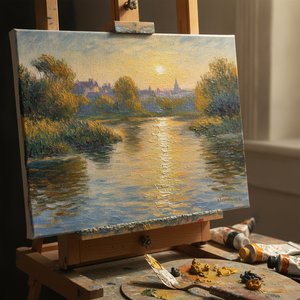
The Soul of Impressionism: Why Oil on Canvas Captures Eternal Light and Timeless Emotion
Discover the enchanting alchemy of Impressionism. Explore how the mastery of oil on canvas, through glazing and impasto, captures eternal light and emotion. Perfect for lovers of Monet and Van Gogh seeking the profound depth of hand-painted fine art.

Trwała Spuścizna Malarstwa Olejnego: Technika, Historia i Estetyczny Wpływ
Poznaj historię i technikę malarstwa olejnego! Eksperckie artykuły o konserwacji, renowacji oraz współczesnych zastosowaniach. Dowiedz się więcej o mistrzach i trwałości obrazów olejnych.

Olej na płótnie: Historia, techniki i ponadczasowy urok malarskiego medium
Poznaj historię i techniki malarstwa olejowego! Od renesansowych mistrzów po współczesne zastosowania – wszystko o oleju na płótnie. Poradniki, konserwacja i inspiracje dla pasjonatów sztuki.

The Enduring Power of Painting: A Historical & Contemporary Exploration of Form and Emotion
Explore the rich history & enduring techniques of oil painting with OriginalUniqueArt. Discover masterpieces, learn about art collecting, and find authentic handmade reproductions crafted by skilled artists.