

 Podgląd w skali
 Wyślij jako kartkę
 Udostępnij
 Szczegóły dzieła

 Pobierz
 Podobne obiekty
 RTG
RTG Pokaz slajdów
Primrose Day


 Rozwiń treść
Giclée / Wydruk artystyczny
Druk giclée lub płótno o jakości muzealnej, szybka realizacja i szeroki wybór opcji wykończenia. ( Zamów ręcznie malowaną reprodukcję Kup obraz wysokiej rozdzielczości)




P118B $10

P118H $10

P118W $10

P438Z $10

P508JH $12

P508YH $12

P805H $10

P805Z $10

P919BZ $10

P919G $10

P919XJ $10

P959ZH $10

P968JZ $12

W106C $8

W218G $10

W218JH $8

W218Y $10

W307PJ $10

W316G $10

W316PJ $8

W316Y $10

W398PJ $8

W4111J $10

W500HY $15

W500JH $15

W692G $12

W849H $8

W940BG $15

W953PJ $8




Wybierz spośród naszych standardowych rozmiarów, które zachowują oryginalne proporcje dzieła sztuki.

Możesz wprowadzić własne wymiary, aby dopasować dzieło do konkretnej ramy lub przestrzeni. Jeśli wybrany rozmiar nie będzie odpowiadał proporcjom oryginalnego obrazu, przytniecie dzieło lub rozszerzymy obraz za pomocą odbicia lustrzanego lub jednolitego wypełnienia krawędzi. Przed rozpoczęciem produkcji prześlemy cyfrową wizualizację do Twojej akceptacji.
Prosimy pamiętać, że podgląd na ekranie nie odzwierciedla faktycznego przycinania ani rozszerzania. Tylko wizualizacja dokładnie pokaże końcową kompozycję.
Mimo dostępności niestandardowych rozmiarów, zalecamy wybór wymiaru z listy zdefiniowanej, aby zachować oryginalne proporcje.
Dostawa na cały świat () w ciągu 2 tygodni zamiast standardowych 4/5 tygodni. (22 Sierpień)

Bezpłatna ekspresowa wysyłka na cały świat

Wysokiej jakości płótno lniane

Pełne ubezpieczenie przesyłki

Gwarancja zwrotu należności celnych i podatków importowych

Gwarancja wiernego odwzorowania kolorów

Polityka 60-dniowego zwrotu (tylko w przypadku wad)

Gwarancja 100% zwrotu kosztów

Zniżka przy zamówieniu wielu produktów
 Opcja ze szkłem jest dostępna wyłącznie w rozmiarach poniżej 110 cm

Primrose Day
Giclée / Wydruk artystyczny
Wymiary reprodukcji
-


Cena całkowita
$ 80
Opis kolekcjonerski
A Gentle Afternoon in Bloom: Exploring Primrose Day
To gaze upon Primrose Day is to step directly into a sun-dappled moment of domestic tranquility from the late Victorian era. Frank Bramley, master chronicler of light and human connection, has captured not merely a scene, but an atmosphere—a breath held between conversation and contemplation. The composition centers on a seated woman, enveloped in the soft glow that seems to emanate from the very flowers resting gently upon her lap. These blooms, perhaps primroses themselves, are more than mere decoration; they are the heart of the painting’s gentle narrative, speaking silently of fleeting beauty and seasonal grace.
The Artistry of Light and Form
Bramley’s technique here showcases a masterful handling of light, characteristic of his deep immersion in the Newlyn School's commitment to capturing everyday life with painterly immediacy. While the structure suggests an intimate dining area—evidenced by the nearby table, vase, and second chair—the focus remains intensely personal. Notice how the artist uses varied tones to model the figures and the rich textures of the textiles. The interplay between the shadowed corners and the illuminated skin of the sitter gives the work a palpable sense of depth. It is a study in quiet observation; Bramley doesn't just paint what he sees, he paints what he feels when observing it.
Symbolism Woven into the Scene
The inclusion of flowers, particularly those associated with spring like primroses, carries deep symbolic weight throughout art history. They speak of renewal, new beginnings, and the cyclical nature of life itself. The basket resting near her lap suggests a bounty, a gathering of ephemeral joys. Furthermore, the partially visible figure in the background adds a layer of narrative complexity; they are witnesses to this moment, suggesting that even private moments unfold within the context of shared human experience. It invites the viewer to wonder about the conversation just concluded or about to begin.
A Touch for the Modern Collector
For those who appreciate the evocative spirit of late 19th-century British art, Primrose Day offers an unparalleled opportunity to bring a piece of historical romance into contemporary living spaces. Whether adorning a formal drawing-room or lending a soft, cultured touch to a sunlit dining nook, this reproduction captures an enduring sense of domestic poetry. It is more than just decoration; it is an heirloom moment, inviting the viewer to pause, breathe deeply, and appreciate the quiet beauty found in simple pleasures.
The overall emotional impact is one of serene nostalgia—a beautiful echo from a time when art so intimately documented the rhythms of life lived well.
O artyście
A Life Immersed in Light and Shadow: The World of Frank Bramley
Frank Bramley, a name now inextricably linked to the evocative spirit of the Newlyn School, was an artist whose profound ability to translate human emotion onto canvas secured his place as a significant figure in British Post-Impressionism. Born in the quiet Lincolnshire village of Sibsey in 1857, his artistic journey – beginning with aspirations as an etcher – ultimately led him to become a celebrated Royal Academician, a testament to unwavering dedication and a remarkably sensitive eye for the lives unfolding around him. Bramley’s formative years were marked by formal art education, initially at Lincoln School of Art before he embarked on a transformative period studying at the prestigious Koninklijke Academie voor Schone Kunsten in Antwerp under Charles Verlat. This time in Belgium instilled within him not only a rigorous technical foundation but also exposure to continental artistic currents that would profoundly shape his mature style. A subsequent sojourn in Venice further broadened his horizons, allowing him to absorb the city’s unique atmosphere and masterfully capture the nuanced interplay of light – an element he would consistently explore throughout his career.The Newlyn School: Capturing Cornish Life
It was within the rugged beauty and authentic character of Cornwall that Bramley truly discovered his artistic voice. Drawn to the burgeoning artist colony in Newlyn, a community captivated by the area’s distinctive light and the unvarnished realities of its fishing communities, he quickly established himself as a key figure. Unlike many of his contemporaries who focused on idyllic depictions of coastal scenes, Bramley was particularly drawn to interior settings – seeking to capture the intimate moments and emotional complexities within domestic spaces. He wasn't merely documenting life; he was delving into the very soul of his subjects, portraying their hardships, joys, and quiet dignity with remarkable empathy. This focus allowed him to explore the interplay of natural and artificial light, creating atmospheric depth and imbuing his paintings with a palpable sense of mood. His technique, characterized by the distinctive ‘square brush’ method – applying paint in a jigsaw pattern of flat strokes – added vibrancy and texture to his canvases, further enhancing their emotional resonance. Works like *A Hopeless Dawn* (1888), now held within the Tate Gallery, exemplify this approach, powerfully conveying a sense of grief and despair through its depiction of a young woman consumed by sorrow.Themes of Loss and Resilience: A Masterful Palette
Bramley’s artistic output is deeply rooted in realism, yet it transcends mere representation through its profound emotional depth. He was profoundly influenced by artists like Jean-François Millet, whose depictions of peasant life resonated with Bramley’s own commitment to portraying the lives of working-class individuals. This influence is evident in works such as *The Fisherman’s Home* (1889) and *Every One His Own Tale* (1885), both exploring themes of loss, hardship, and the quiet dignity of everyday life within Cornish communities. Bramley's palette evolved over time, becoming brighter and more impastoed as he honed his technique, while always remaining grounded in tonal harmony and a sophisticated understanding of color’s emotive power. His ability to capture not just the appearance but also the *feeling* of a scene – the dampness of a Cornish morning, the weariness of a fisherman returning home – is what truly distinguishes his work.Recognition and Legacy: A Lasting Impression
Throughout his career, Frank Bramley garnered significant recognition within the British art establishment. He was elected an Associate of the Royal Academy (ARA) in 1894, a testament to his growing reputation, and achieved full Royal Academician status (RA) in 1911. His talent also extended beyond national borders; he received a gold medal at the prestigious Paris Salon, further solidifying his international acclaim. Interestingly, Bramley was a founding member of the New English Art Club but later resigned following disagreements with fellow artist Walter Sickert, demonstrating his independent spirit and unwavering commitment to his artistic vision. He eventually settled in Grasmere in the Lake District, continuing to exhibit widely until his untimely death in 1915. Frank Bramley’s legacy endures as a poignant reminder of an era defined by social change and artistic innovation. His paintings offer not only aesthetic pleasure but also a profound emotional connection to the lives and experiences of those who came before us, cementing his place as a significant figure in British Post-Impressionism and the Newlyn School.A Continuing Dialogue with the Past
Today, Bramley’s works are held in numerous public and private collections across the globe, including the Tate Gallery, the Royal Cornwall Museum, and the National Portrait Gallery. His paintings continue to captivate audiences with their evocative power and technical brilliance, inviting viewers to contemplate the complexities of human existence and the enduring beauty of the natural world. He remains an artist whose work speaks volumes about Victorian society, offering a valuable glimpse into the lives of ordinary people and reminding us of the universal themes of love, loss, and resilience that transcend time and place. His ability to imbue his canvases with such palpable emotion ensures that Frank Bramley’s artistic voice will continue to resonate for generations to come.
Frank Bramley
1857 - 1915 , Wielka Brytania
Krótka nota
- Artistic Movement Or Style: Post-Impressionizm
- Artists Or Movements Influenced By This Artist: ['Nowa Szkoła Nowej Anglii']
- Artists Who Influenced This Artist: ['Jean-François Millet']
- Date Of Birth: 1857
- Date Of Death: 1915
- Full Name: Frank Bramley
- Nationality: Angielski
- Notable Artworks:
- A Hopeless Dawn
- Dom rybaka
- Każdy swój los
- Place Of Birth: Sibsey, UK
Powiązane artykuły
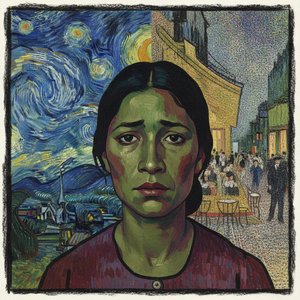
Beyond the Brush: How Post-Impressionism Recharged Modern Art with Bold Color and Raw Emotion
Dive into the high-energy revolution of Post-Impressionism. Discover how masters like Cézanne and Van Gogh traded fleeting light for bold colors and raw emotion, forever recharging modern art with the vibrant, structural intensity that defines today's most iconic visual aesthetics.

Paul Cézanne: 25 Arcydzieł, które Zrewolucjonizowały Świat Sztuki | OriginalUniqueArt
Odkryj 25 arcydzieł Paula Cézanne'a – od impresjonizmu po postimpresjonizm. Poznaj historie, techniki i inspiracje malarza, który zrewolucjonizował sztukę. Reprodukcje obrazów najwyższej jakości na OriginalUniqueArt.com!

Poza Światłem i Kolorem: Impresjonizm a Postimpresjonizm dla Wymagającego Kolekcjonera
Poznaj subtelne różnice między impresjonizmem a postimpresjonizmem. Ekspercka analiza dla wymagających kolekcjonerów sztuki. Inwestycje, historia i wartość dzieł.

Arcydzieła XIX Wieku: 10 Obrazów Opowiadających Epokę | OriginalUniqueArt
Odkryj 10 arcydzieł XIX wieku! Poznaj historię Monet, Van Gogha i Courbeta. Imesjonizm, realizm, romantyzm – obrazy pełne emocji i piękna czekają na OriginalUniqueArt.com. Znajdź idealny obraz do swojego wnętrza!
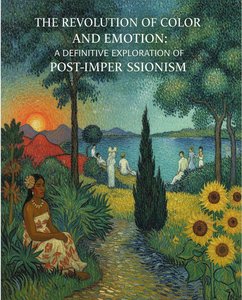
The Revolution of Color and Emotion: A Definitive Exploration of Post-Impressionism
Explore the profound revolution of Post-Impressionism. Delve into the history, techniques, and emotional depth of masters like Van Gogh and Seurat. Discover how to transform your space with museum-quality, hand-painted oil reproductions of these iconic masterpieces.

