

 Zobacz w skali 1:1
 Wyślij
 Udostępnij
 Szczegóły
 Przewodnik

 Pobierz plik obrazu
 Podobne obiekty
 RTG
RTG Pokaz slajdów
 Statystyki
Polar Bear
 Art Deco
 23.0 x 42.0 cm
 Art Museum RIGA BOURSE
 Czytaj więcej
Ręcznie malowana reprodukcja olejowa
Ręcznie malowany obraz olejny na płótnie, wykonany na zamówienie przez naszych artystów w wybranym przez Ciebie wymiarze i oprawie. ( Przełącz na wersję drukowaną Przełącz na wersję cyfrową)




P118B zł10

P118H zł10

P118W zł10

P438Z zł10

P508JH zł12

P508YH zł12

P805H zł10

P805Z zł10

P919BZ zł10

P919G zł10

P919XJ zł10

P959ZH zł10

P968JZ zł12

W106C zł8

W218G zł10

W218JH zł8

W218Y zł10

W307PJ zł10

W316G zł10

W316PJ zł8

W316Y zł10

W398PJ zł8

W4111J zł10

W500HY zł15

W500JH zł15

W692G zł12

W849H zł8

W940BG zł15

W953PJ zł8




Wybierz spośród naszych standardowych rozmiarów, które zachowują oryginalne proporcje dzieła sztuki.

Wpisz wymaganą szerokość i wysokość, aby obraz pasował do Twojej ramy lub ściany. Ponieważ jest to dzieło malowane ręcznie, w przypadku rozmiaru o innym proporcji artysta może domalować nieco więcej wokół obrazu lub przyciąć fragmenty — wybór należy do Ciebie. Przed rozpoczęciem pracy prześlemy Ci cyfrową wizualizację do zatwierdzenia. Obraz widoczny na tej stronie nie przedstawia rzeczywistego efektu — jedynie wizualizacja oddaje realny rezultat.
Po złożeniu zamówienia zespół OriginalUniqueArt.com skontaktuje się z klientem drogą mailową w celu uzyskania instrukcji i prześle wizualizację projektu
Dostawa na całym świecie () w ciągu 3–4 tygodni zamiast standardowych 5 tygodni. (24 Październik). Bez kompromisów w kwestii jakości.

Bezpłatna ekspresowa wysyłka na cały świat

Wysokiej jakości płótno lniane

Pełne ubezpieczenie transportowe

Gwarancja zwrotu należności celnych i podatków importowych

Gwarancja idealnego odwzorowania barw

100-dniowy okres na zwrot dzieła w przypadku wykrycia wad produkcyjnych

Gwarancja 100% zwrotu pieniędzy

Oferta przy zakupie wielu sztuk
 Opcja ze szkłem jest dostępna wyłącznie w rozmiarach poniżej 110 cm

Polar Bear
Technika wykonania
Rozmiar reprodukcji
-


Suma do zapłaty
zł 1151
Biografia artysty
The Sculptor of Essence: Early Years and Foundations
In the quiet, industrious landscape of Saulieu, Burgundy, a journey began that would eventually redefine the boundaries of modern sculpture. Born in 1855 to a humble cabinet maker, François Pompon was immersed from childhood in the tactile world of craftsmanship, where the grain of wood and the weight of tools were part of the daily rhythm. This early exposure to the fundamental properties of material provided the bedrock for his later mastery. His path led him to Dijon, where he served as an apprentice marble carver, a period of rigorous training that instilled in him a profound respect for the subtractive process—the delicate art of revealing form by removing the unnecessary.As his ambitions grew, Pompon sought formal refinement at the École nationale supérieure des arts décoratifs. This academic grounding allowed him to marry the raw, technical skill of a carver with the sophisticated sensibilities of a fine artist. His early years were not merely about learning to replicate nature, but about understanding the structural integrity and the silent language of stone and bronze, preparing him for a career that would eventually transcend mere imitation.
The Rodin Encounter and Artistic Evolution
The trajectory of Pompon’s career was irrevocably altered by a pivotal encounter with one of the titans of art history: Auguste Rodin. While many sculptors of his era were content to follow the established paths of realism, Rodin’s influence acted as a catalyst for Pompon, encouraging him to look beyond the surface of his subjects. This period of his life was marked by a profound exploration of movement and spirit, fueled by the confidence that only a master's recognition can provide.Throughout his development, Pompon engaged in vital collaborations and apprenticeships with luminaries such as Alexandre Falguière and René de Saint-Marceaux. These professional relationships provided him with a diverse palette of artistic approaches, exposing him to the tension between classical tradition and the burgeoning modern movement. He began to move away from the hyper-realistic textures of the animalier tradition, seeking instead to distill the very soul of his subjects. His work started to reflect a deliberate simplification, where every curve and contour was designed to evoke the energy and grace of the animal rather than just its anatomical accuracy.
L’Ours Blanc and the Revolution of Form
The true zenith of Pompon’s career arrived in 1922 at the Salon d’automne, with the unveiling of his most iconic masterpiece, “L’Ours Blanc” (The White Bear). This monumental sculpture was a revelation; it represented a bold departure from the detailed, often heavy-handed realism of previous generations. In this work, Pompon achieved a breathtaking balance between abstraction and recognizable form. The bear was not merely a depiction of a polar predator, but an emblem of pure, streamlined elegance.By stripping away the superfluous details of fur and muscle, Pompon captured the essence of the animal—its power, its solitary dignity, and its fluid motion. This stylistic breakthrough established him as a pioneer of modern stylized sculpture. His technique allowed the viewer to connect with the subject on an emotional and intuitive level, finding beauty in the smooth, organic shapes and the rhythmic interplay of light and shadow across the surface.
A Lasting Legacy in Modern Sculpture
Though he achieved his greatest fame later in life, the impact of François Pompon continues to resonate through the halls of art history. He remains a singular figure who bridged the gap between the 19th-century tradition of animal sculpture and the 20th-century embrace of modernism. His ability to blend the strength of classical technique with the minimalist impulse of the new age allowed him to create works that feel both timeless and avant-garde.Today, Pompon is remembered not just as a sculptor of animals, but as an architect of form. His legacy lives on in every sculpture that seeks to capture the spirit of life through simplicity, reminding us that true artistry often lies in what is left unsaid, and what is left uncarved. Through his vision, the animal kingdom was transformed into a series of poetic, enduring icons of modern grace.

François Pompon
1855 - 1933 , France
Najważniejsze informacje
- Full Name: François Pompon
- Nationality: French
- Date Of Birth: 1855
- Date Of Death: 1933
- Place Of Birth: Saulieu, France
- Notable Artworks:
- The Polar Bear
- De ijsbeer
- White Bear
- Artistic Movement Or Style: Animalier Sculpture
- Artists Who Influenced This Artist: ['Pierre Louis Rouillard']
- Artists Or Movements Influenced By This Artist: ['Rodin']
Zobacz także powiązane artykuły

10 Legendarnych Brązów Rzeźbiarskich, Które Zmieniły Sztukę | OriginalUniqueArt
Odkryj 10 legendarnych rzeźb brązowych od Rodina, Degasa i innych mistrzów! Poznaj historię powstania arcydzieł sztuki i inspiruj się do dekoracji wnętrz. Reprodukcje najwyższej jakości na OriginalUniqueArt.com – zobacz kolekcję!

Trwała Forma: Rzeźba w Historii – Technika i Rezonans Emocjonalny
Poznaj historię rzeźby od antyku do współczesności! Ekspercka analiza technik, stylów i emocjonalnego wpływu arcydzieł. Inspiracje dla kolekcjonerów i miłośników sztuki.

Białe arcydzieła: Top 10 słynnych obrazów pełnych światła i emocji | OriginalUniqueArt.pl
Odkryj 10 najsłynniejszych obrazów, w których biel dominuje i tworzy wyjątkową atmosferę. Poznaj historie Moneta, Van Gogha i innych mistrzów! Reprodukcje najwyższej jakości na OriginalUniqueArt.com – inspiracje wnętrzarskie i kolekcjonerstwo sztuki online.
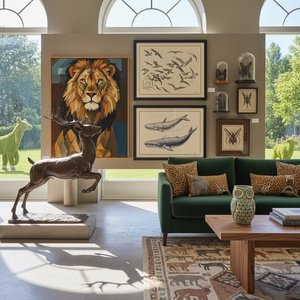
Zwierzęta w Sztuce: Wprowadzanie Życia do Twojej Przestrzeni
Odkryj fascynujący świat zwierząt w sztuce! Poznaj symbolikę, historię i współczesne interpretacje. Znajdź idealny obraz ze zwierzęciem do swojego wnętrza z .

Trwałe Formy: Ewolucja Technik i Tematów w Rzeźbie Przez Wieki – Od Antyku do Renesansu
Poznaj fascynującą historię rzeźby od antyku do renesansu! Odkryj techniki, wybitnych artystów i wpływ na współczesną sztukę. Ekspercka analiza dla kolekcjonerów i miłośników.