

 Zobacz w skali 1:1
 Wyślij
 Udostępnij
 Szczegóły
 Przewodnik

 Pobierz plik obrazu
 Podobne obiekty
 RTG
RTG Pokaz slajdów
 Statystyki
Hunting Picnic
 Oil On Canvas
- WallArt
- Baroque Rococo
 1723
1723 233.0 x 185.0 cm
 Muzeum Sztuki w São Paulo
 Czytaj więcej
Giclée / Wydruk artystyczny
Wydruki giclée lub płótna o jakości muzealnej, szybka realizacja i szeroki wybór opcji wykończenia. ( Kup ręcznie malowany obraz Przełącz na wersję cyfrową)




P118B zł10

P118H zł10

P118W zł10

P438Z zł10

P508JH zł12

P508YH zł12

P805H zł10

P805Z zł10

P919BZ zł10

P919G zł10

P919XJ zł10

P959ZH zł10

P968JZ zł12

W106C zł8

W218G zł10

W218JH zł8

W218Y zł10

W307PJ zł10

W316G zł10

W316PJ zł8

W316Y zł10

W398PJ zł8

W4111J zł10

W500HY zł15

W500JH zł15

W692G zł12

W849H zł8

W940BG zł15

W953PJ zł8




Wybierz spośród naszych standardowych rozmiarów, które zachowują oryginalne proporcje dzieła sztuki.

Możesz wprowadzić własne wymiary, aby dopasować dzieło do konkretnej ramy lub przestrzeni. Jeśli wybrany rozmiar nie będzie odpowiadał proporcjom oryginalnego obrazu, przytniecie dzieło lub rozszerzymy obraz za pomocą odbicia lustrzanego lub jednolitego wypełnienia krawędzi. Przed rozpoczęciem produkcji prześlemy cyfrową wizualizację do Twojej akceptacji.
Prosimy pamiętać, że podgląd na ekranie nie odzwierciedla faktycznego przycinania ani rozszerzania. Tylko wizualizacja dokładnie pokaże końcową kompozycję.
Mimo dostępności niestandardowych rozmiarów, zalecamy wybór wymiaru z listy zdefiniowanej, aby zachować oryginalne proporcje.
Dostawa na cały świat () w ciągu 2 tygodni zamiast standardowych 4/5 tygodni. (11 Październik)

Bezpłatna ekspresowa wysyłka na cały świat

Wysokiej jakości płótno lniane

Pełne ubezpieczenie transportowe

Gwarancja zwrotu należności celnych i podatków importowych

Gwarancja idealnego odwzorowania barw

100-dniowy okres na zwrot dzieła w przypadku wykrycia wad produkcyjnych

Gwarancja 100% zwrotu pieniędzy

Oferta przy zakupie wielu sztuk
 Opcja ze szkłem jest dostępna wyłącznie w rozmiarach poniżej 110 cm

Hunting Picnic
Giclée / Wydruk artystyczny
Rozmiar reprodukcji
-


Suma do zapłaty
zł 298
A Moment of Leisure: "Hunting Picnic" by François Lemoyne
François Lemoyne’s “Hunting Picnic,” painted in 1723, offers a captivating glimpse into the aristocratic leisure activities of 18th-century France – a world where the pursuit of game intertwined seamlessly with refined social gatherings. Measuring an impressive 233 x 185 cm, this oil on canvas work immediately draws the viewer into a scene brimming with vibrant energy and carefully orchestrated detail. The composition centers around a horse-drawn carriage, a symbol of status and mobility, alongside a gentleman in striking red attire – a bold statement against the verdant landscape. This isn’t merely a depiction of hunting; it's an embodiment of Rococo ideals: a celebration of beauty, pleasure, and the cultivated life.
- Subject Matter: The painting portrays a hunting picnic, showcasing a group of individuals enjoying the fruits of their pursuit amidst a picturesque rural setting.
- Key Figures: A prominent gentleman in red dominates the foreground, likely representing the host or a key participant in the hunt, while other figures are scattered throughout the scene, adding to the sense of social interaction and activity.
- Animal Presence: Two horses are prominently featured – one near the center, suggesting the immediate aftermath of the hunt, and another on the right, possibly accompanying the hunters or serving as a companion. A dog is also present, reinforcing the theme of companionship and skill.
Rococo Grandeur and Lemoyne’s Vision
François Lemoyne was a pivotal figure in the revival of large-scale allegorical painting during the Rococo period. Influenced by the legacy of Charles Le Brun, he sought to recapture the grandeur and intellectual depth of classical art while embracing the distinctive characteristics of the Rococo style – characterized by its emphasis on elegance, frivolity, and emotional expression. “Hunting Picnic” exemplifies this ambition; it’s not simply a charming pastoral scene but a carefully constructed tableau designed to evoke feelings of pleasure, sophistication, and aristocratic privilege. Lemoyne's meticulous attention to detail, evident in the rendering of fabrics, textures, and facial expressions, demonstrates his mastery of technique and his commitment to creating works that were both visually stunning and intellectually stimulating.
Historical Context: The painting reflects the tastes of the French aristocracy during the reign of Louis XV, a period marked by lavish spending, elaborate social rituals, and a passion for outdoor pursuits. Hunting was not just a sport but a symbol of status and power, and picnics offered an opportunity to display wealth and cultivate relationships.Technique and Artistic Style
Lemoyne’s brushwork is remarkably fluid and expressive, contributing significantly to the painting's lively atmosphere. He employs a technique known as *alla prima*, meaning “at first sight,” which involves applying paint directly to the canvas in relatively thin layers, allowing for quick changes of tone and texture. This approach results in a sense of immediacy and spontaneity that captures the dynamism of the scene. The use of color is particularly noteworthy – rich greens, blues, and reds create a vibrant palette that enhances the painting’s visual impact. The artist's skillful handling of light and shadow further adds to the depth and realism of the composition.
Symbolism and Emotional Impact
"Hunting Picnic" transcends a simple depiction of leisure; it is laden with symbolic meaning. The red clothing worn by the central figure, for example, could represent passion, courage, or even royalty. The horses symbolize strength and nobility, while the overall scene evokes a sense of harmony between humanity and nature. The painting’s emotional impact lies in its ability to transport the viewer to another time and place – a world of refined pleasure, social connection, and the beauty of the French countryside. This artwork is a testament to Lemoyne's artistic skill and his understanding of the cultural values of his era.
Pytania i odpowiedzi
Kto jest autorem dzieła "Hunting Picnic"?
„Hunting Picnic” zostało stworzone przez François Lemoyne. Informacje na tej stronie opisują oryginalne dzieło autorstwa François Lemoyne.
Jakie miejsce zajmuje „Hunting Picnic” wśród powracających motywów w twórczości François Lemoyne?
Wśród utrwalonych w twórczości François Lemoyne motywów – le brun influence, rococo leisure themes, courtly aristocratic scene, lemoyne’s allegorical style, significant early work – dzieło „Hunting Picnic” wprowadza własne skupienie na hunting picnic, rococo painting, french art, lemoyne artwork, 18th century scene, horse drawn carriage, elegant gathering.
Jakie są wymiary oryginału "Hunting Picnic"?
Oryginalny utwór „Hunting Picnic” autorstwa François Lemoyne ma wymiary 233 x 185 cm.
Ile lat miał(a) François Lemoyne, tworząc "Hunting Picnic" w 1723 roku?
François Lemoyne stworzył/a "Hunting Picnic" w wieku 35 lat. Artysta urodził/a się w 1688, a datowanie dzieła to 1723.
Jaki klimat wprowadziłaby do wnętrza reprodukcja „Hunting Picnic” autorstwa François Lemoyne?
Dzięki swojemu Romantic nastrojowi, "Hunting Picnic" idealnie sprawdzi się w Living Room.
Jaka jest kolorystyka dzieła „Hunting Picnic” autorstwa François Lemoyne?
Kolorystyka dzieła „Hunting Picnic” autorstwa François Lemoyne: paleta Earthy, w której dominuje Rosy Brown (#a5a79d).
Jaka jest data powstania dzieła „Hunting Picnic” autorstwa François Lemoyne?
Dzieło "Hunting Picnic" pochodzi z 1723 roku. Data ta pozwala umiejscowić pracę w kontekście twórczości François Lemoyne oraz epoki, w której powstała.
Biografia artysty
François Lemoyne: Paryskie Dziedzictwo w Blasku Rokoko
François Lemoyne, nazwisko być może mniej znane niż ci jego ówczesnych współtwórców, takich jak Boucher czy Watteau, zajmuje jednakże znaczące miejsce w mozaice francuskiego malarstwa XVIII wieku. Urodzony w Paryżu w 1688 roku, Lemoyne poświęcił swoje życie na ożywienie monumentalności malarstwa alegorycznego na dużą skalę – tradycji, która nieco osłabła od czasów Charlesa Le Bruna, którego Lemoyne głęboko podziwiał i pragnął mu sprostać. Jego ambicją nie było jedynie zdobnictwo, lecz tworzenie dzieł nacechowanych intelektualną treścią i rezonansem emocjonalnym, odzwierciedlających złożony duch epoki rokoko, jednocześnie nawiązując do bardziej klasycznego ideału. Od wczesnego szkolenia pod opieką swojego macocha Roberta le Vrac, a później w surowym środowisku Académie Royale de peinture et de sculpture, Lemoyne wykazywał oddanie opanowaniu zarówno umiejętności technicznych, jak i ekspresji artystycznej. Jego formalna edukacja u Louisa Galloche’a i Pierre-Jacques Cazes była przełomowa, szczególnie w rozwijaniu subtelnego zrozumienia koloru – cechy, która stawała się coraz bardziej widoczna na przestrzeni jego kariery. Pożądany Prix de Rome w 1711 roku oznaczał przełomowy moment, choć ograniczenia finansowe początkowo opóźniły jego podróż do Włoch; podróż, którą ostatecznie podjął w 1723 roku wraz z François Bergerem.Włoskie Echo i Rokokowe Urody
Pobyt we Włoszech okazał się transformujący dla Lemoyne’a. Zanurzając się w dzieła mistrzów renesansu, takich jak Rafael, Koreggio i Tycjan, przyswoił sobie ich techniki i zasady estetyczne, wzbogacając swój artystyczny słownik. Jednak to dynamiczna energia Petera Paula Rubensa pozostawiła niezatarte ślady na jego stylu – widoczne w jego żywych paletach kolorów i dramatycznych kompozycjach. Ekspozycja na malarstwo weneckie w renomowanej kolekcji Pierre’a Crozata dodatkowo wyrafinowała jego wrażliwość, sprzyjając miłości do bogatych tekstur i efektów atmosferycznych. Te wpływy ukształtowały odrębny styl rokoko charakteryzujący się elegancją, zdobnictwem i skupieniem na dekoracyjnej urodzie. Niemniej jednak Lemoyne nigdy nie porzucił ambicji narracji monumentalnej, która definiowała wcześniejsze francuskie akademickie malarstwo; dążył do syntezy tych pozornie odmiennych elementów – lekkości i wdzięku rokoko z intelektualnego rygoru tradycji klasycznej. To unikalne połączenie wyróżnia jego pracę i przyczynia się do jej trwałego uroku.Wersal i Królewskie Uznanie
Artystyczna biegłość Lemoyne’a znalazła swoje najbardziej spektakularne wyrazisty w monumentalnych freskach, szczególnie w L'Apothéose d'Hercule (Apotheozie Herkulesa) w Sali Herkulesa na Wersalu. To arcydzieło – oszałamiająca ekspozycja iluzjonistycznej techniki i dynamicznej kompozycji – natychmiast zyskała szerokie uznanie. Współcześni, tacy jak Voltaire i kardynał Fleury, chwalili jego blask, uznając Lemoyne’a za mistrza swojego fachu. Poza Wersalem podjął się również znaczących zleceń religijnych, takich jak The Transfiguration (Przemienienie) w apsydzie kościoła Saint-Jacques (obecnie Parish Church of St. Thomas d’Aquin) w Paryżu, demonstrując jego wszechstronność i zdolność do dostosowywania swojego stylu do różnych tematów. W 1736 roku Lemoyne osiągnął szczyt swojej kariery dzięki mianowaniu na stanowisko Premier peintre du roi (Pierwszy Malarz Króla) pod rządami Ludwika XV – świadectwo jego artystycznych osiągnięć i pozycji na francuskim dworze.Tragiczny Koniec i Trwała Inspiracja
Pomimo osiągnięcia tak wielkich wysokości, życie Lemoyne’a zostało tragicznie skrócone przez samobójstwo w 1737 roku. Jego przedwczesna śmierć oznaczała nie tylko stratę osobistą, ale także sygnał zmiany gustów artystycznych; zbiegła się ona ze spadkiem popularności monumentalnych alegorycznych fresków na sufitych, które tak gorliwie propagował. Niemniej jednak jego dziedzictwo przetrwało dzięki jego uczniom, w tym znanym artystom takim jak Charles-Joseph Natoire i François Boucher, którym przekazał swoją wiedzę i umiejętności. Choć być może nie jest dziś tak powszechnie celebrowany jak niektórzy z jego współczesnych, wkład Lemoyne’a we francuskie malarstwo rokoko jest coraz bardziej doceniany za jego techniczną biegłość, artystyczną ambicję i unikalną syntezę ideałów klasycznych z panujących wrażliwości estetycznych jego czasów. Jego prace pozostają świadectwem oddanego artysty, który dążył do podniesienia malarstwa do najwyższej formy – dziedzictwa, które nadal inspiruje i zachwyca publiczność wieki później.Kluczowe Dzieła i Wkład Artystyczny
- Freski na Sufitach: Jego najbardziej znane osiągnięcia, uosobione w L'Apothéose d'Hercule, ukazują jego mistrzostwo iluzjonistycznych technik i dynamicznej kompozycji.
- Sceny Mitologiczne: Dzieła takie jak Hercules and Omphale demonstrują jego zdolność do przedstawiania narracji klasycznych z zarówno dramatyczną intensywnością, jak i zmysłową gracją.
- Obrazy Religijne: The Transfiguration ukazuje jego umiejętności w oddawaniu tematów religijnych z emocjonalną głębią i techniczną precyzją.
- Portrety: Jego portret Głowy Króla Ludwika XV ujawnia subtelne zrozumienie charakteru i mistrzostwo w technikach pastelowych i sgraffito.

François Lemoyne
1688 - 1737 , Francja
Najważniejsze informacje
- Artyści-Inspiracje:
- Rubens
- Raphael
- Correggio
- Titian
- Artyści-Wpływ:
- Natoire
- Boucher
- Data Urodzenia: 1688
- Data Śmierci: 1737
- Miejsce Urodzenia: Paryż, Francja
- Narodowość: Francuski
- Pełne Imię: François Lemoyne
- Styl Artystyczny: Rokoko
- Znaczące Dzieła:
- Apotheozę Herkulesa
- Herkules i Omphale
- Perseusz i Andromeda
- Transfigurację
Zobacz także powiązane artykuły

Top 10 arcydzieł epoki rokoka: artyści, historia i dekoracje wnętrz | OriginalUniqueArt.com
Odkryj 10 arcydzieł epoki rokoka! Poznaj Watteau, Boucher’a i Fragonarda – artystów, którzy zdefiniowali ten styl. Inspiracje wnętrzarskie, pastelowe kolory i reprodukcje obrazów najwyższej jakości na OriginalUniqueArt.com. Eksploruj kolekcję online!
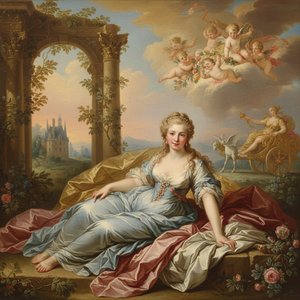
François Boucher: Rococo Master of Myth, Sensuality, and the French Court
Explore the captivating world of François Boucher, master of Rococo painting! Discover his iconic works, aristocratic patronage, and lasting influence on French art history. Learn more at OriginalUniqueArt.

The Enduring Legacy of Fine Art Prints: Technique, History & Aesthetic Impact
Explore the rich history & techniques of fine art prints. Discover investment potential, assess authenticity, and learn how to preserve your collection with expert guidance. Trusted insights for discerning collectors.

Rokokowy przepych: Bunt i rozkosz w sztuce XVIII wieku
Poznaj fascynujący świat rokoka – stylu pełnego wdzięku i przepychu! Odkryj historię, charakterystykę oraz wpływ tego nurtu na sztukę XVIII wieku. Ekspercka analiza i inspiracje dla miłośników historii sztuki.

Odbitki Giclée: Jakość Archiwalna i Estetyczne Niuanse dla Wymagającego Kolekcjonera
Poznaj sekrety druku giclée – technologii zapewniającej najwyższą jakość reprodukcji sztuki i trwałość archiwalaną. Poradnik dla wymagających kolekcjonerów o wyborze papieru, tuszy i profilach kolorystycznych.