
 Podgląd w skali 1:1
 Wyślij jako kartkę
 Udostępnij
 Szczegóły dzieła
 Przewodnik

 Pobierz obraz
 Podobne obiekty
 RTG
RTG Pokaz slajdów
 Pytania i odpowiedzi
 Statystyki
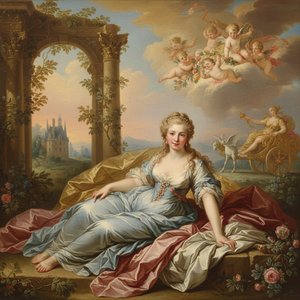
Madame de Pompadour

- 217.0 x 157.0 cm


 Rozwiń treść
Giclée / Wydruk artystyczny
Wydruki giclée lub płótna o jakości muzealnej, szybka realizacja i szeroki wybór opcji wykończenia. ( Zamów ręcznie malowaną reprodukcję Przejdź do wersji cyfrowej)




P118B zł10

P118H zł10

P118W zł10

P438Z zł10

P508JH zł12

P508YH zł12

P805H zł10

P805Z zł10

P919BZ zł10

P919G zł10

P919XJ zł10

P959ZH zł10

P968JZ zł12

W106C zł8

W218G zł10

W218JH zł8

W218Y zł10

W307PJ zł10

W316G zł10

W316PJ zł8

W316Y zł10

W398PJ zł8

W4111J zł10

W500HY zł15

W500JH zł15

W692G zł12

W849H zł8

W940BG zł15

W953PJ zł8




Wybierz spośród naszych standardowych rozmiarów, które zachowują oryginalne proporcje dzieła sztuki.

Wpisz wymaganą szerokość i wysokość, aby dopasować grafikę do ramy lub ściany. Wydruk można jedynie przyciąć, nigdy nie powiększając go poza oryginalny obraz, dlatego format o innych proporcjach spowoduje utratę części kompozycji. Przed rozpoczęciem druku prześlemy Ci cyfrowy podgląd do zatwierdzenia. Obraz wyświetlany na tej stronie nie pokazuje rzeczywistego przycięcia — jedynie podgląd oddaje ten efekt.
Dostawa na cały świat () w ciągu 2 tygodni zamiast standardowych 4/5 tygodni. (5 Listopad)

Bezpłatna ekspresowa wysyłka na cały świat

Wysokiej jakości płótno lniane

Pełne ubezpieczenie przesyłki

Gwarancja zwrotu należności celnych i podatków importowych

Gwarancja wiernego odwzorowania kolorów

100-dniowa polityka zwrotów (tylko w przypadku wad)

Gwarancja 100% zwrotu pieniędzy

Zniżka przy zakupie wielu sztuk
 Opcja ze szkłem jest dostępna wyłącznie w rozmiarach poniżej 110 cm

Madame de Pompadour
Giclée / Wydruk artystyczny
Wymiary reprodukcji
-


Cena całkowita
zł 317
The Aura of Aristocracy: Madame de Pompadour
To gaze upon this portrait of Madame de Pompadour is to step directly into the gilded salons of 18th-century France, a world steeped in whispered secrets and breathtaking opulence. François Hubert Drouais captured not merely a likeness, but an entire atmosphere—the very essence of aristocratic grace during the reign of Louis XV. The subject herself radiates an undeniable magnetism; her posture is one of studied ease, yet every fold of her exquisite white gown and the delicate lace adorning it speaks volumes of her elevated status. It is a vision of refined beauty, preserved forever on canvas.
Mastery in Neo-Classical Light
Technically, Drouais demonstrates a profound command over his medium. The painting is a breathtaking study in chiaroscuro, where the artist’s skillful manipulation of light and shadow sculpts the figure into three dimensions. Notice how the illumination seems to emanate from within the scene itself, catching the sheen of the red velvet upholstery upon which she reclines and highlighting the subtle contours of her face. While the overall structure adheres to the clarity and orderliness characteristic of Neo-Classical ideals, there is a lingering softness—a nod perhaps to the preceding Rococo sensibility—that lends the portrait an almost dreamlike naturalism. The contrast between the luminous white dress and the deep, rich tones of the background curtain creates a visual tension that keeps the eye perpetually engaged.
A Tapestry of Opulence and Symbolism
The setting is as crucial to the narrative as the sitter herself. Every element surrounding Madame de Pompadour contributes to a grand tableau of wealth and influence. The ornate golden cabinet stands as a silent testament to material grandeur, while the rich red curtain frames the scene with dramatic depth. These luxurious details are not mere decoration; they function symbolically, anchoring her position within the highest echelons of French society. The careful attention paid to the texture—from the plush nap of the velvet to the intricate patterns on the cabinetwork—invites the viewer to imagine the tactile reality of this bygone era.
Bringing Salon Grandeur Home
For those who seek to infuse their own interiors with the timeless poetry of history, a reproduction of this masterpiece offers an unparalleled connection to artistic heritage. Imagine this piece gracing a drawing-room or a grand hall; it does more than decorate—it elevates. It whispers tales of courtly life and enduring elegance. Owning such a depiction allows one to curate an environment that speaks of cultivated taste, historical appreciation, and undeniable sophistication. It is an investment in atmosphere itself.
Pytania i odpowiedzi
Ile lat miał François Hubert Drouais, gdy powstało dzieło „Madame de Pompadour”?
François Hubert Drouais stworzył/a "Madame de Pompadour" w wieku 36 lat. Artysta urodził/a się w 1727, a datowanie dzieła to 1763.
Gdzie można zobaczyć oryginał „Madame de Pompadour” – François Hubert Drouais?
Oryginał dzieła „Madame de Pompadour” można zobaczyć w Narodowa Galeria Sztuki, Londyn, United Kingdom.
Jakie kolory dominują w dziele „Madame de Pompadour” – François Hubert Drouais?
„Madame de Pompadour” – François Hubert Drouais wykorzystuje paletę w odcieniach Earthy, w której dominuje kolor Black (#181013).
Biografia artysty
Mistrz Rokokowej Elegancji
W świetlistej i pełnej przepychu atmosferze połowy osiemnastego wieku we Francji, niewielu artystów potrafiło uchwycić istotę arystokratycznej gracji tak intymnie, jak François Hubert Drouais. Jako czołowy portrecista ostatnich lat panowania Ludwika XV, Drouais posiadał niezwykłą zdolność przenoszenia wyrafinowania i czaru francuskiego dworu na płótno. Jego twórczość stanowi zapierające dech w piersiach okno na epokę rokoka – okres definiowany przez dążenie do idealnego poczucia piękna oraz starannie wyreżyserowaną symfonię światła i tekstury.
Urodzony w Paryżu, we Francji, Drouais od najmłodszych lat był zanurzony w świecie sztuk pięknych. Podążał śladami swojego ojca, Huberta Drouais, od którego czerpał pierwsze lekcje artystyczne. Ta portrecistyczna tradycja zapewniła mu fundament technicznej biegłości, która w późniejszych latach pozwoliła mu swobodnie poruszać się po najwyższych szczeblach paryskiego społeczeństwa. Jego talent nie ograniczał się jednak jedynie do oddawania podobieństwa; posiadał on głęboką zdolność nadawania swoim postaciom psychologicznej obecności, która wykracza poza wieki, sprawiając, że jego portrety wydają się jednocześnie osobiste i ponadczasowe.
Płótno Arystokratycznego Splendoru
Wzrost popularności Drouais był nierozerwalnie związany z jego coraz większą obecnością na dworze francuskim. W miarę jak jego reputacja rosła, grono klientów rozszerzyło się o francuską rodzinę królewską, szlachtę, zagraniczną arystokrację oraz bogatych fermiers-généraux. Jego portrety stały się modową koniecznością dla członków paryskiego społeczeństwa i ich faworytów, którzy pragnęli uwiecznić swój status dzięki jego wykwintnemu warsztatowi.
Technika Drouais charakteryzowała się delikatnym nakładaniem cienkich, półprzezroczystych laserunków farby olejnej. Metoda ta pozwalała mu osiągnąć porcelanową świetlistość skóry swoich modeli, tworząc miękkie, rozproszone światło, które zdawało się emanować z wnętrza płótna. Jego mistrzostwo wykraczało poza ludzką formę, obejmując same tekstury rokokowego stylu życia:
- Świetliste tony skóry: wykorzystanie laserunków do stworzenia promiennego, żywego blasku.
- Realizm teksturalny: haptyczne podejście do przedstawiania szlachetnych tkanin, jedwabiu i koronek.
- Atmosferyczne światło: gra światła i cienia tworząca głębię oraz emocjonalny rezonans.
- Paleta barw: preferencja dla miękkich, stonowanych tonów charakterystycznych dla epoki, takich jak beże, szarości, błękity i delikatne róże.
Dziedzictwo i Znaczenie Historyczne
Historyczne znaczenie François Hubert Drouais tkwi w jego roli jako definitywnego kronikarza Ancien Régime. Przez jego oczy jesteśmy świadkami cichej godności i powściągliwej elegancji postaci takich jak Madame Jacques Benoit Loys czy Comte de Vaudreuil. Jego dzieła robią coś więcej niż tylko dokumentują historyczne jednostki; one chwytają samą duszę epoki zdefiniowanej przez dążenie do wyrafinowania.
Jego wpływ rozprzestrzenił się również poprzez rodzinę, w szczególności na jego syna, Jean Germain Drouais, który kontynuował tradycję portretu i malarstwa historycznego. Choć era rokoka musiała ostatecznie ustąpić miejsca nowym nurtom artystycznym, dzieła François Hubert Drouais pozostają trwałymi pomnikami utraconej ery francuskiego splendoru, zachowanymi w prestiżowych kolekcjach, takich jak National Gallery w Londynie oraz National Gallery of Art.

François Hubert Drouais
1727 - 1775 , Francja
Krótka nota
- Artistic Movement Or Style: Rokoko
- Artists Or Movements Influenced By This Artist: ['Jean Germain Drouais']
- Artists Who Influenced This Artist: ['Hubert Drouais']
- Date Of Birth: 1727
- Date Of Death: 1775
- Full Name: François-Hubert Drouais
- Notable Artworks:
- Madame Jacques Benoit Loys
- Portrait d'homme, dit autrefois Antoine Michaut
- Marie-Joséphine de Savoie
- Madame Drouais
- Portrait of the Comte de Vaudreuil
- Family Portrait
- Place Of Birth: Paryż, Francja
Powiązane artykuły
François Boucher: Rococo Master of Myth, Sensuality, and the French Court
Explore the captivating world of François Boucher, master of Rococo painting! Discover his iconic works, aristocratic patronage, and lasting influence on French art history. Learn more at OriginalUniqueArt.

Rokokowy przepych: Bunt i rozkosz w sztuce XVIII wieku
Poznaj fascynujący świat rokoka – stylu pełnego wdzięku i przepychu! Odkryj historię, charakterystykę oraz wpływ tego nurtu na sztukę XVIII wieku. Ekspercka analiza i inspiracje dla miłośników historii sztuki.

The Elegance of Rococo: A Journey Through Pastel Dreams and Ornate Splendor
Embark on an elegant journey through the Rococo era. Discover the delicate beauty of pastel masterpieces, the intricate artistry of 18th-century French masters, and how this era of ornate splendor continues to inspire timeless luxury in fine art collecting.

Top 10 arcydzieł epoki rokoka: artyści, historia i dekoracje wnętrz | OriginalUniqueArt.com
Odkryj 10 arcydzieł epoki rokoka! Poznaj Watteau, Boucher’a i Fragonarda – artystów, którzy zdefiniowali ten styl. Inspiracje wnętrzarskie, pastelowe kolory i reprodukcje obrazów najwyższej jakości na OriginalUniqueArt.com. Eksploruj kolekcję online!

10 Arcydzieł Neoklasycyzmu: Sztuka, Historia i Inspiracje dla Twojego Domu
Poznaj 10 arcydzieł neoklasycyzmu! Odkryj historie Davida, Ingresa i Canovy. Inspiracje wnętrzarskie z malarstwem klasycznym i rzeźbą. Reprodukcje najwyższej jakości na OriginalUniqueArt.com – sztuka dla Twojego domu.