

 Zobacz w skali 1:1
 Wyślij
 Udostępnij
 Szczegóły
 Przewodnik

 Pobierz plik obrazu
 Podobne obiekty
 RTG
RTG Pokaz slajdów
 Statystyki
St Andrew


 Czytaj więcej
Ręcznie malowana reprodukcja olejowa
Ręcznie malowany obraz olejny na płótnie, wykonany na zamówienie przez naszych artystów w wybranym przez Ciebie wymiarze i oprawie. ( Przełącz na wersję drukowaną Przełącz na wersję cyfrową)




P118B $10

P118H $10

P118W $10

P438Z $10

P508JH $12

P508YH $12

P805H $10

P805Z $10

P919BZ $10

P919G $10

P919XJ $10

P959ZH $10

P968JZ $12

W106C $8

W218G $10

W218JH $8

W218Y $10

W307PJ $10

W316G $10

W316PJ $8

W316Y $10

W398PJ $8

W4111J $10

W500HY $15

W500JH $15

W692G $12

W849H $8

W940BG $15

W953PJ $8




Wybierz spośród naszych standardowych rozmiarów, które zachowują oryginalne proporcje dzieła sztuki.

Możesz wprowadzić własne wymiary, aby dopasować obraz do konkretnej ramy lub przestrzeni. Jeśli wybrany rozmiar nie będzie odpowiadał proporcjom oryginału, przytniecie dzieło sztuki lub rozszerzymy je o dodatkowe elementy, ręcznie domalowane przez artystę. Przed rozpoczęciem produkcji wyślemy projekt cyfrowy do Twojej akceptacji.
Należy pamiętać, że podgląd na ekranie nie odzwierciedla rzeczywistego przycinania ani rozszerzania obrazu. Tylko projekt dokładnie pokaże ostateczną kompozycję.
Choć oferujemy możliwość zamówienia niestandardowych rozmiarów, zalecamy wybór wymiaru z gotowej listy, aby zachować oryginalne proporcje dzieła.
Po złożeniu zamówienia zespół OriginalUniqueArt.com skontaktuje się z klientem drogą mailową w celu uzyskania instrukcji i prześle wizualizację projektu
Dostawa na całym świecie () w ciągu 3–4 tygodni zamiast standardowych 5 tygodni. (25 Wrzesień). Bez kompromisów w kwestii jakości.

Bezpłatna ekspresowa wysyłka na cały świat

Wysokiej jakości płótno lniane

Pełne ubezpieczenie transportowe

Gwarancja zwrotu należności celnych i podatków importowych

Gwarancja idealnego odwzorowania barw

100-dniowy okres na zwrot dzieła w przypadku wykrycia wad produkcyjnych

Gwarancja 100% zwrotu pieniędzy

Oferta przy zakupie wielu sztuk
 Opcja ze szkłem jest dostępna wyłącznie w rozmiarach poniżej 110 cm

St Andrew
Technika wykonania
Rozmiar reprodukcji
-


Suma do zapłaty
$ 300
St Andrew by François Duquesnoy: A Monumental Testament of Baroque Faith
François Duquesnoy’s St Andrew stands as a cornerstone of Baroque sculpture in Rome, embodying the grandeur and spiritual fervor that defined the era. Created between 1629 and 1633, this colossal marble statue resides within St. Peter's Basilica, directly opposite Bernini’s equally imposing Saint Longinus – a deliberate pairing designed to showcase contrasting artistic approaches while simultaneously reinforcing the overarching theme of Christian martyrdom.
Commission, Context & Production: A Patron’s Vision
The genesis of this masterpiece lies in a commission from Cardinal Biscia, protector of the Baker's guild. Rumours persist about whether St Andrew preceded or followed St Susanna; however, scholarly consensus points to St Andrew being initiated first, fueled by documented evidence suggesting that Duquesnoy’s success with St Susanna secured him the patronage of the guild overseeing the creation of St. Maria di Loreto. The statue’s unveiling in 1629 captivated audiences and critics alike, prompting intense debate about stylistic nuances – a discussion mirroring the broader artistic tensions between Pietro da Cortona's classical idealism and Bernini’s theatrical dynamism.
François Duquesnoy’s Style: Classicism Revisited
Duquesnoy’s artistic vision firmly rooted in classicism, yet subtly infused with Baroque sensibilities. Unlike Bernini’s expressive gestures and dramatic drapery, Duquesnoy prioritized stillness and idealized form. He demonstrated a particular affinity for Alessandro Algardi's sculptures, prioritizing clarity of line and sculptural precision. His meticulous study of ancient sculpture—famously scaling Marcus Aurelius to grasp its construction—served as the bedrock of his technique.
Symbolism & Technique: Marble’s Silent Narrative
The statue’s composition is deliberately restrained, reflecting Duquesnoy's belief in conveying spiritual truth through serene beauty. Andrew’s posture – leaning over the crux decussata (cross) – powerfully symbolizes his unwavering faith and acceptance of martyrdom. The drapery, rendered with painstaking detail, contributes to the sculpture’s overall sense of solemn dignity. Crafted from Carrara marble—renowned for its purity and luminosity—the statue exemplifies Duquesnoy's mastery of material manipulation, achieving a remarkable balance between solidity and grace.
Legacy & Significance: A Reflection of Faith
St Andrew remains an enduring emblem of Christian devotion and artistic excellence. Its placement alongside Bernini’s St Longinus underscores the multifaceted nature of Baroque art—a movement characterized by both grandeur and profound contemplation. Today, reproductions of Duquesnoy's masterpiece continue to inspire admiration for its timeless beauty and intellectual depth, offering a captivating glimpse into the spiritual landscape of 17th-century Rome.
Biografia artysty
François Duquesnoy: A Flemish Sculptor in Rome
- Born: Nettuno, Italy (1597)
- Died: 1643
Early Life and Training
- François duquesnoy, also known as Frans Duquesnoy, was born in Brussels. His father, Jérôme duquesnoy the elder, served as the court sculptor to Archduchess Isabella and Archduke Albert.
- Duquesnoy received his early training in Brussels, demonstrating talent that attracted the attention of the archduke.
- The archduke provided financial support for Duquesnoy to study in Rome, where he would spend the majority of his career.
- Upon arriving in Rome around 1618, Duquesnoy meticulously studied antique sculpture, famously climbing over the equestrian Marcus Aurelius to understand its construction.
Artistic Style and Influences
- Duquesnoy's style is characterized by a classicized approach, often contrasted with the more emotional and theatrical works of Gian Lorenzo Bernini.
- He showed greater affinity for Alessandro Algardi’s sculptures.
- Contemporary critics, like Giovanni Bellori, praised Duquesnoy's ability to restore contemporary sculpture to the quality of ancient Roman sculpture.
- Nicolas Poussin, a fellow expatriate artist, shared Duquesnoy's classicized and emotionally detached style, and they lived together in Rome for a time.
- Duquesnoy collaborated with Bernini on several projects, including designs for angels offering garlands at St. Peter’s Basilica.
Major Works and Achievements
- Santa Susanna (1629): Considered one of Duquesnoy's masterpieces, this sculpture depicts the saint with a balance of modesty and revealing draperies, earning high praise from Bellori. A marble copy resides in the Louvre.
- St. Andrew (1629-33): This larger-than-life statue adorns St. Peter’s Basilica, showcasing Duquesnoy's restrained style compared to Bernini and Francesco Mochi's contributions.
- Rondanini Faun: An early work demonstrating his skill in expanding upon antique torsos, though later criticized by neoclassicists. Now located at the British Museum.
- Apollo and Cupid: A notable sculpture showcasing mythological themes.
- Mercury: Another significant work displaying Duquesnoy's talent for depicting classical figures.
Historical Significance
- Duquesnoy played a crucial role in the Roman Baroque art scene, offering an alternative to Bernini’s dramatic style with his more restrained and classicized approach.
- Cardinal Richelieu offered him the position of royal sculptor in France, aiming to establish a royal academy of sculpture in Paris, though Duquesnoy died before he could take up the post.
- His work influenced subsequent generations of sculptors and contributed to the development of Neoclassical art.
- Bellori's high praise solidified his reputation as a restorer of classical ideals in sculpture.

François Duquesnoy
1597 - 1643 , Italy
Najważniejsze informacje
- Artistic Movement Or Style: Baroque sculpture
- Artists Who Influenced This Artist: ['Nicolas Poussin']
- Date Of Birth: 1597
- Date Of Death: 1643
- Full Name: François Duquesnoy
- Nationality: Flemish
- Notable Artworks:
- Rondanini Faun
- St Susanna
- St Andrew
- Victory of Sacred Love
- Bacchanalia of Putti
- Place Of Birth: Nettuno, Italy
Zobacz także powiązane artykuły

10 Legendarnych Brązów Rzeźbiarskich, Które Zmieniły Sztukę | OriginalUniqueArt
Odkryj 10 legendarnych rzeźb brązowych od Rodina, Degasa i innych mistrzów! Poznaj historię powstania arcydzieł sztuki i inspiruj się do dekoracji wnętrz. Reprodukcje najwyższej jakości na OriginalUniqueArt.com – zobacz kolekcję!

Trwałe Formy: Ewolucja Technik i Tematów w Rzeźbie Przez Wieki – Od Antyku do Renesansu
Poznaj fascynującą historię rzeźby od antyku do renesansu! Odkryj techniki, wybitnych artystów i wpływ na współczesną sztukę. Ekspercka analiza dla kolekcjonerów i miłośników.
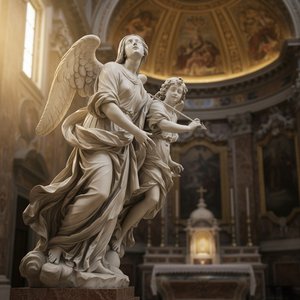
Gian Lorenzo Bernini: Sculpting Baroque Emotion & the Roman Imagination
Explore the life & revolutionary art of Gian Lorenzo Bernini, the master sculptor of the Baroque era. Discover his iconic works like David and Ecstasy of Saint Teresa – a journey into Roman artistic genius.

Teatralność i triumf: Dramat baroku w malarstwie i rzeźbie – od kontrreformacji do ekspresji emocji
Odkryj dramat i przepych sztuki baroku! Analiza malarstwa i rzeźby, wpływ kontrreformacji, kluczowi artyści oraz filozofia vanitas. Ekspercka wiedza dla miłośników historii sztuki.

Trwała Forma: Rzeźba w Historii – Technika i Rezonans Emocjonalny
Poznaj historię rzeźby od antyku do współczesności! Ekspercka analiza technik, stylów i emocjonalnego wpływu arcydzieł. Inspiracje dla kolekcjonerów i miłośników sztuki.