
 Podgląd w skali 1:1
 Wyślij jako kartkę
 Udostępnij
 Szczegóły dzieła
 Przewodnik

 Pobierz obraz
 Podobne obiekty
 RTG
RTG Pokaz slajdów
 Pytania i odpowiedzi
 Statystyki
Title in Swedish: Venus triumf

- 1620.0 x 1300.0 cm


 Rozwiń treść
Giclée / Wydruk artystyczny
Wydruki giclée lub płótna o jakości muzealnej, szybka realizacja i szeroki wybór opcji wykończenia. ( Zamów ręcznie malowaną reprodukcję Przejdź do wersji cyfrowej)




P118B zł10

P118H zł10

P118W zł10

P438Z zł10

P508JH zł12

P508YH zł12

P805H zł10

P805Z zł10

P919BZ zł10

P919G zł10

P919XJ zł10

P959ZH zł10

P968JZ zł12

W106C zł8

W218G zł10

W218JH zł8

W218Y zł10

W307PJ zł10

W316G zł10

W316PJ zł8

W316Y zł10

W398PJ zł8

W4111J zł10

W500HY zł15

W500JH zł15

W692G zł12

W849H zł8

W940BG zł15

W953PJ zł8




Wybierz spośród naszych standardowych rozmiarów, które zachowują oryginalne proporcje dzieła sztuki.

Wpisz wymaganą szerokość i wysokość, aby dopasować grafikę do ramy lub ściany. Wydruk można jedynie przyciąć, nigdy nie powiększając go poza oryginalny obraz, dlatego format o innych proporcjach spowoduje utratę części kompozycji. Przed rozpoczęciem druku prześlemy Ci cyfrowy podgląd do zatwierdzenia. Obraz wyświetlany na tej stronie nie pokazuje rzeczywistego przycięcia — jedynie podgląd oddaje ten efekt.
Dostawa na cały świat () w ciągu 2 tygodni zamiast standardowych 4/5 tygodni. (8 Listopad)

Bezpłatna ekspresowa wysyłka na cały świat

Wysokiej jakości płótno lniane

Pełne ubezpieczenie przesyłki

Gwarancja zwrotu należności celnych i podatków importowych

Gwarancja wiernego odwzorowania kolorów

100-dniowa polityka zwrotów (tylko w przypadku wad)

Gwarancja 100% zwrotu pieniędzy

Zniżka przy zakupie wielu sztuk
 Opcja ze szkłem jest dostępna wyłącznie w rozmiarach poniżej 110 cm

Title in Swedish: Venus triumf
Giclée / Wydruk artystyczny
Wymiary reprodukcji
-


Cena całkowita
zł 317
A Symphony of Rococo Splendor
In the grand tapestry of eighteenth-century French art, few works capture the ephemeral essence of pleasure and grace as exquisitely as François Boucher’s The Triumph of Venus. Completed in 1740, this monumental oil on canvas serves as a definitive manifesto of the Rococo style, an era defined by its pursuit of ornamental beauty, pastel luminosity, and a profound celebration of the senses. As one gazes upon this masterpiece, the viewer is instantly transported to the opulent atmosphere of Louis XV’s court, where the boundaries between myth and reality blur amidst a sea of swirling light and soft textures.
The painting presents a breathtaking reimagining of classical mythology, drawing direct inspiration from the timeless elegance of Botticelli. Here, Venus does not merely arrive; she emerges in a spectacular display of divine vitality. Surrounded by a celestial assembly of nude figures, the goddess rises from the sea foam—a potent symbol of rebirth and feminine strength. The composition is alive with movement, as figures swim, float, and interact within a shimmering aquatic landscape, creating an atmosphere that is both energetic and profoundly serene. For the discerning collector or interior designer, this piece offers more than just decoration; it provides a window into a world of idealized beauty and aristocratic refinement.
Mastery of Light and Texture
Boucher’s technical prowess is nothing short of miraculous, particularly in his ability to render the tactile sensations of the natural world. Utilizing a sophisticated glazing method, the artist applied thin, translucent layers of pigment over opaque undercoats to achieve a luminous, pearlescent glow that seems to emanate from within the canvas itself. This technique allows for a breathtakingly subtle variation in tone, capturing the delicate softness of human skin, the iridescent shimmer of water, and the heavy, luxurious drape of satin fabrics.
The artist also employs chiaroscuro with masterful restraint, using dramatic contrasts between light and shadow not to create tension, but to sculpt the forms of the mythological figures. This interplay of light breathes life into the composition, highlighting the velvety sheen of flower petals and the muscular yet graceful contours of the bodies. Such meticulous attention to detail ensures that every inch of the canvas invites closer inspection, making it a captivating focal point for any high-end gallery or sophisticated living space.
Symbolism and Emotional Resonance
Beyond its surface-level beauty, The Triumph of Venus is steeped in profound symbolic meaning. During the Rococo period, Venus was more than a mythological figure; she was the embodiment of divine femininity, representing love, fertility, and the grace that governs the natural order. The surrounding figures, adorned with garlands of flowers, act as allegories for virtue, contemplation, and the flourishing of artistic patronage. Every element, from the billowing clouds to the frothing waves, contributes to a narrative of abundance and eternal spring.
For those seeking to infuse their surroundings with inspiration, this artwork offers an enduring emotional impact. It evokes a sense of wonder and a longing for the idyllic, making it an ideal choice for creating spaces that feel both luxurious and emotionally uplifting. Whether as a centerpiece in a classical study or a bold statement in a contemporary suite, a high-quality reproduction of Boucher’s triumph brings with it the prestige of art history and the timeless allure of the French Rococo spirit.
Pytania i odpowiedzi
Czy dzieło "Title in Swedish: Venus triumf" znajduje się w domenie publicznej?
Status praw autorskich dla „Title in Swedish: Venus triumf” – François Boucher: dzieło znajduje się w należy do domeny publicznej – autorskie prawa majątkowe wygasły. Określa to, czy reprodukcje obrazu mogą być sporządzane swobodnie.
Jakie inne pseudonimy lub nazwy stosuje François Boucher?
François Boucher jest znany/a również pod pseudonimami: Francois Boucher.
Ile lat miał François Boucher, gdy powstało dzieło „Title in Swedish: Venus triumf”?
François Boucher miał 37 lat w momencie powstania „Title in Swedish: Venus triumf” w 1740. Wiek ten obliczono na podstawie roku urodzenia artysty, 1703.
Biografia artysty
François Boucher: A Master of Rococo’s Delicate Embrace
François Boucher (1703-1770) stands as a cornerstone of 18th-century French art, an artist inextricably linked to the opulent and sensual world of the Rococo. More than simply a painter, he was a decorator, a designer, and a master of capturing the fleeting beauty and playful spirit that defined this era’s artistic sensibilities. His legacy isn't one of grand historical narratives but rather of exquisitely rendered scenes brimming with charm, eroticism, and an undeniable sense of delight – a testament to his profound understanding of aristocratic taste and the pursuit of pleasure.
Early Years and Artistic Foundations
Born on September 29th, 1703, in the heart of Paris, François Boucher’s artistic journey began within a family steeped in craftsmanship. His father, Jean Boucher, was himself a painter, primarily engaged in creating decorative elements for embroidery – a lineage that instilled in young François an appreciation for detail and refined aesthetics. Initially, he received instruction from his father, but at the age of seventeen, he caught the discerning eye of François Lemoyne, a prominent sculptor and painter. This brief apprenticeship proved invaluable, introducing him to the fundamentals of technique and artistic principles. A subsequent period spent assisting the engraver, Jean-François Cars, honed his skills in composition and draughtsmanship. However, it was his victory at the prestigious Grand Prix de Rome in 1720 that truly launched his career, providing him with a coveted scholarship to study in Italy – a pivotal experience that exposed him to the masterpieces of the Renaissance and Baroque periods.
The Rise to Prominence: Courtly Patronage and Artistic Flourishing
Returning to France in 1731, Boucher was immediately admitted to the Académie Royale de Peinture et de Sculpture. His debut work, “Rinaldo and Armida” (1734), instantly established him as a rising star within the Parisian art scene. This painting showcased his burgeoning talent for capturing dramatic emotion and dynamic movement – hallmarks of the Rococo style. Boucher’s artistic voice quickly solidified, characterized by delicate brushwork, pastel palettes, and an emphasis on mythological and pastoral themes. He became increasingly sought after by wealthy patrons, including Madame de Pompadour, the influential mistress of King Louis XV, who recognized his exceptional talent and commissioned numerous works from him. Her patronage, in particular, cemented his position at the pinnacle of French artistic society.
A World of Myth, Leisure, and Eroticism
Boucher’s oeuvre is remarkably diverse, encompassing a wide range of subjects – mythology, portraiture, genre scenes, and landscape. However, he is perhaps most celebrated for his depictions of mythological figures, particularly Venus and Cupid, rendered with an exquisite blend of sensuality and grace. Paintings like “The Triumph of Venus” (1740-1751) are prime examples of this style, showcasing Boucher’s mastery of composition and color. He frequently depicted scenes of domestic tranquility – such as “The Breakfast” (1739), a charming portrayal of his wife and children – offering a glimpse into the refined pleasures enjoyed by the French aristocracy. Yet, beneath the surface of these idyllic settings often lay an undercurrent of playful eroticism, reflecting the era’s fascination with beauty and desire.
Legacy and Influence
François Boucher's influence extended far beyond his own paintings. He served as a sought-after designer for the theater, creating elaborate costumes and sets that contributed to the spectacle of Parisian productions. He also played a significant role in the decoration of the Beauvais and Gobelins workshops, designing tapestries that adorned royal palaces and aristocratic residences. His appointment as *Premier Peintre du Roi* in 1765 – the highest artistic honor bestowed by the French monarchy – solidified his status as the leading artist of the Rococo era. While later critics questioned the perceived superficiality of Rococo art, Boucher’s technical skill, innovative compositions, and enduring appeal have ensured his place as a pivotal figure in the history of Western art. His work continues to captivate viewers with its delicate beauty, playful charm, and timeless elegance.

François Boucher
1703 - 1770 , Francja
Krótka nota
- Artistic Movement Or Style: Rokoko
- Artists Or Movements Influenced By This Artist: ['Jean-Honoré Fragonard']
- Artists Who Influenced This Artist:
- François Lemoyne
- Jean-François Cars
- Date Of Birth: 29 września 1703
- Date Of Death: 30 maja 1770
- Full Name: François Boucher
- Nationality: Francuz
- Notable Artworks:
- Rinaldo i Armida
- Śniadanie
- Madame Boucher
- Zachód Słońca
- Place Of Birth: Paryż, Francja
Powiązane artykuły
Rokokowy Styl: Arystokratyczne Przestrzenie Rozkoszy i Poszukiwanie Piękna w Sztuce XVIII Wieku
Odkryj świat rokoka – elegancji, luksusu i subtelności XVIII wieku. Poznaj mistrzów malarstwa, charakterystyczne cechy stylu oraz wpływ na sztukę i kulturę. Ekskluzywne reprodukcje obrazów na OriginalUniqueArt.com.

Urok Nagiego Ciała w Sztuce: Historyczna i Artystyczna Eksploracja Aktu
Poznaj fascynującą historię aktu w sztuce – od starożytnych korzeni po współczesne interpretacje. Analiza technik, wybitnych artystów i wpływu anatomii na przedstawianie ludzkiego ciała. Ekskluzywne artykuły dla miłośników sztuki.

Rokokowy przepych: Bunt i rozkosz w sztuce XVIII wieku
Poznaj fascynujący świat rokoka – stylu pełnego wdzięku i przepychu! Odkryj historię, charakterystykę oraz wpływ tego nurtu na sztukę XVIII wieku. Ekspercka analiza i inspiracje dla miłośników historii sztuki.
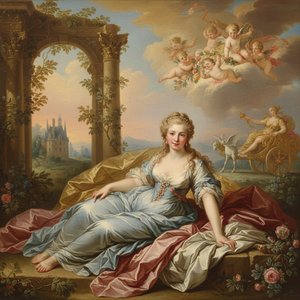
François Boucher: Rococo Master of Myth, Sensuality, and the French Court
Explore the captivating world of François Boucher, master of Rococo painting! Discover his iconic works, aristocratic patronage, and lasting influence on French art history. Learn more at OriginalUniqueArt.

Top 10 arcydzieł epoki rokoka: artyści, historia i dekoracje wnętrz | OriginalUniqueArt.com
Odkryj 10 arcydzieł epoki rokoka! Poznaj Watteau, Boucher’a i Fragonarda – artystów, którzy zdefiniowali ten styl. Inspiracje wnętrzarskie, pastelowe kolory i reprodukcje obrazów najwyższej jakości na OriginalUniqueArt.com. Eksploruj kolekcję online!

