
 Podgląd w skali 1:1
 Wyślij jako kartkę
 Udostępnij
 Szczegóły dzieła
 Przewodnik

 Pobierz obraz
 Podobne obiekty
 RTG
RTG Pokaz slajdów
 Statystyki
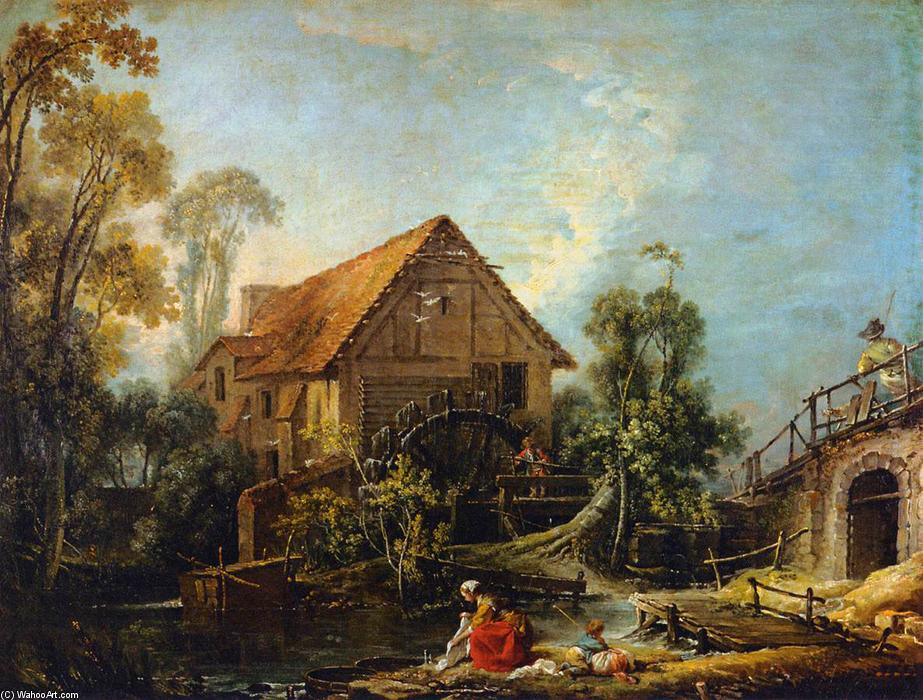
The Mill
 Painting
- Rococo Style
 1751
1751- Early Modern
 66.0 x 84.0 cm
 Luwr
Luwr
 Rozwiń treść
Otrzymaj plik gotowy do druku, którego jakość znacznie przewyższa podgląd internetowy. Każdy sprzedawany przez nas obraz cyfrowy pochodzi z wysokorozdzielczego pliku wzorcowego w naszej bazie — zazwyczaj o szerokości od 5 000 do 15 000 pikseli — dzięki czemu możesz drukować w dużym formacie, mocno kadrować lub z pełnym przekonaniem odwzorowywać najdrobniejsze detale.
Żaden plik nie opuszcza naszego studia bez odpowiedniej obróbki. Ekspert ds. cyfrowych sprawdza kolory pod kątem zgodności z oryginałem i w razie potrzeby je koryguje, a następnie za pomocą profesjonalnych narzędzi do retuszu poprawia ostrość i szczegółowość — zawsze zachowując wierność pociągnięciom pędzla i stylowi artysty. Rezultatem jest obraz, który wygląda jak prawdziwy obraz, a nie jak przefiltrowany skan.
Zatwierdzasz przed finalizacją: nasz ekspert prześle obraz drogą mailową w ciągu 72 godzin do Twojego wglądu. Nie jesteś zadowolony? Poproś o poprawki lub korektę, bądź o zwrot kosztów, jeśli jakość nie spełnia oczekiwań.
To jakość, na której polegają wydawcy, studia projektowe, galerie oraz drukarnie.
Obraz cyfrowy
Pobierz plik o wysokiej rozdzielczości do osobistego użytku, druku oraz projektów kreatywnych. ( Przełącz na wydania drukowane Zamów ręcznie malowaną reprodukcję)
W każdym zamówieniu na obraz cyfrowy znajduje się
Profesjonalna dostawa cyfrowa z gwarancją
Wybierając OriginalUniqueArt.com, nie otrzymujesz jedynie obrazu – otrzymujesz profesjonalnie udoskonalone cyfrowe dzieło sztuki, stworzone z najwyższą precyzją i objęte gwarancją satysfakcji. Oto wszystko, co automatycznie dołączane jest do Twojego zamówienia:

Błyskawiczna wysyłka e-mailowa
Plik z obrazem cyfrowym w wysokiej rozdzielczości zostanie przesłany na Twój adres e-mail w ciągu 72 godzin od złożenia zamówienia – gotowy do natychmiastowego użycia.

Plik cyfrowy wzbogacony przez AI
Twoja grafika została profesjonalnie zoptymalizowana przy użyciu zaawansowanych narzędzi AI oraz ręcznej edycji, co zapewnia maksymalną szczegółowość, klarowność i wierność kolorów.

Darmowe ponowne przesyłki dożywotnio
Przypadkowo usunąłeś lub zgubiłeś swój plik? Bez obaw – prześlemy go Tobie ponownie w dowolnym momencie, bez żadnych opłat.

Bez opłat importowych – zawsze
Ciesz się swoją sztuką natychmiast, bez żadnych opłat celnych, należności ani kosztów dostawy – pliki cyfrowe są zawsze wolne od podatku.

Gwarancja wierności kolorów
Dzięki zastosowaniu profesjonalnych narzędzi i procesów zarządzania barwą zapewniamy, że Twoje cyfrowe zdjęcie odzwierciedla oryginalne kolory tak wiernie, jak to tylko możliwe.

Gwarancja satysfakcji przez 100 dni
Jeśli nie będziesz zadowolony ze swojego cyfrowego obrazu, dokonamy jego poprawki lub zwrócimy 100% kosztów w ciągu 100 dni – bez zbędnych pytań.

100% Gwarancja zwrotu pieniędzy
Nie jesteś zadowolony? Otrzymaj pełny zwrot kosztów w ciągu 100 dni od otrzymania pliku cyfrowego – bez zbędnych pytań.

Rabaty przy zamówieniach hurtowych
Kup 3 obrazy, oszczędź 10% - Kup 5, oszczędź 15% - Kup 10+, oszczędź 20%. Idealne do projektów kreatywnych, galerii i agencji.
A Tranquil Vision of Rococo Pastoral
François Boucher’s “The Mill,” painted in 1751 during the zenith of Rococo art, offers a glimpse into a refined aesthetic that prioritized elegance and sensual beauty. More than just a depiction of rural life, it embodies the spirit of its time—a reaction against the grandeur of Baroque formalism and a celebration of harmonious natural landscapes infused with aristocratic leisure.
- Subject Matter: The painting portrays a picturesque mill nestled amongst lush greenery and flowing water. This idyllic setting was favored by Rococo artists as it conveyed serenity and idealized notions of pastoral existence, reflecting the tastes of the French court.
- Style & Technique: Boucher’s masterful brushwork exemplifies the hallmark characteristics of Rococo—delicate pastel hues, soft textures, and a meticulous attention to detail. The artist skillfully employs glazing techniques to achieve luminous effects, capturing the diffused light filtering through the trees and illuminating the mill’s façade.
- Historical Context: Created during Louis XV's reign, “The Mill” reflects the prevailing artistic sensibilities of the period. Rococo flourished as a counterpoint to Baroque grandeur, favoring ornamentation and playful asymmetry—elements deliberately absent from earlier styles. Boucher’s work aligns perfectly with this cultural shift towards refined pleasure and aristocratic indulgence.
Symbolism & Artistic Interpretation
Beyond its visual beauty, “The Mill” carries symbolic weight. The mill itself represents industriousness and practicality—a grounding element amidst the ethereal atmosphere of the scene. However, Boucher elevates this commonplace subject through idealized representation, emphasizing harmony between humanity and nature. The figures in the foreground – women observing the mill’s operation – symbolize feminine grace and contemplation, furthering the painting's overarching theme of tranquil beauty.
- Color Palette: Boucher utilizes a restrained yet luminous color palette dominated by muted greens, blues, and creams—colors that evoke feelings of calmness and freshness.
- Composition: The balanced composition guides the viewer’s eye across the canvas, creating a sense of visual equilibrium. The placement of figures and trees contributes to the overall harmony of the scene.
Emotional Impact & Legacy
"The Mill" transcends mere representation; it aspires to evoke emotion—a feeling of peaceful contemplation and appreciation for the beauty of the natural world. Boucher’s ability to capture this intangible quality cemented his reputation as one of the foremost artists of his era, influencing subsequent generations of painters and establishing a lasting legacy within the history of Rococo art.
A high-quality reproduction of “The Mill” allows you to experience the artistry and tranquility of François Boucher’s masterpiece in your own home. Explore our collection at OriginalUniqueArt.com for stunning prints and canvases that bring this iconic artwork to life!
Pytania i odpowiedzi
Gdzie mogę znaleźć statystyki dotyczące „The Mill” – François Boucher?
Statystyki dotyczące „The Mill” – François Boucher znajdują się na stronie Statystyki wyświetleń dzieła: obejmują one miesięczną liczbę odwiedzin danego dzieła, wizyty przy pracach artysty oraz podział ostatnich odwiedzających według krajów i języków.
Jaka technika i styl charakteryzują „The Mill” – François Boucher?
„The Mill” – François Boucher łączy technikę Painting z nurtem Rococo Style. Technika i styl określają sposób wykonania oraz estetykę dzieła.
Z której epoki pochodzi "The Mill"?
„The Mill” – François Boucher pochodzi z okresu Early Modern. Epoka ta stanowi kontekst historyczny dla tego dzieła.
Biografia artysty
François Boucher: A Master of Rococo’s Delicate Embrace
François Boucher (1703-1770) stands as a cornerstone of 18th-century French art, an artist inextricably linked to the opulent and sensual world of the Rococo. More than simply a painter, he was a decorator, a designer, and a master of capturing the fleeting beauty and playful spirit that defined this era’s artistic sensibilities. His legacy isn't one of grand historical narratives but rather of exquisitely rendered scenes brimming with charm, eroticism, and an undeniable sense of delight – a testament to his profound understanding of aristocratic taste and the pursuit of pleasure.
Early Years and Artistic Foundations
Born on September 29th, 1703, in the heart of Paris, François Boucher’s artistic journey began within a family steeped in craftsmanship. His father, Jean Boucher, was himself a painter, primarily engaged in creating decorative elements for embroidery – a lineage that instilled in young François an appreciation for detail and refined aesthetics. Initially, he received instruction from his father, but at the age of seventeen, he caught the discerning eye of François Lemoyne, a prominent sculptor and painter. This brief apprenticeship proved invaluable, introducing him to the fundamentals of technique and artistic principles. A subsequent period spent assisting the engraver, Jean-François Cars, honed his skills in composition and draughtsmanship. However, it was his victory at the prestigious Grand Prix de Rome in 1720 that truly launched his career, providing him with a coveted scholarship to study in Italy – a pivotal experience that exposed him to the masterpieces of the Renaissance and Baroque periods.
The Rise to Prominence: Courtly Patronage and Artistic Flourishing
Returning to France in 1731, Boucher was immediately admitted to the Académie Royale de Peinture et de Sculpture. His debut work, “Rinaldo and Armida” (1734), instantly established him as a rising star within the Parisian art scene. This painting showcased his burgeoning talent for capturing dramatic emotion and dynamic movement – hallmarks of the Rococo style. Boucher’s artistic voice quickly solidified, characterized by delicate brushwork, pastel palettes, and an emphasis on mythological and pastoral themes. He became increasingly sought after by wealthy patrons, including Madame de Pompadour, the influential mistress of King Louis XV, who recognized his exceptional talent and commissioned numerous works from him. Her patronage, in particular, cemented his position at the pinnacle of French artistic society.
A World of Myth, Leisure, and Eroticism
Boucher’s oeuvre is remarkably diverse, encompassing a wide range of subjects – mythology, portraiture, genre scenes, and landscape. However, he is perhaps most celebrated for his depictions of mythological figures, particularly Venus and Cupid, rendered with an exquisite blend of sensuality and grace. Paintings like “The Triumph of Venus” (1740-1751) are prime examples of this style, showcasing Boucher’s mastery of composition and color. He frequently depicted scenes of domestic tranquility – such as “The Breakfast” (1739), a charming portrayal of his wife and children – offering a glimpse into the refined pleasures enjoyed by the French aristocracy. Yet, beneath the surface of these idyllic settings often lay an undercurrent of playful eroticism, reflecting the era’s fascination with beauty and desire.
Legacy and Influence
François Boucher's influence extended far beyond his own paintings. He served as a sought-after designer for the theater, creating elaborate costumes and sets that contributed to the spectacle of Parisian productions. He also played a significant role in the decoration of the Beauvais and Gobelins workshops, designing tapestries that adorned royal palaces and aristocratic residences. His appointment as *Premier Peintre du Roi* in 1765 – the highest artistic honor bestowed by the French monarchy – solidified his status as the leading artist of the Rococo era. While later critics questioned the perceived superficiality of Rococo art, Boucher’s technical skill, innovative compositions, and enduring appeal have ensured his place as a pivotal figure in the history of Western art. His work continues to captivate viewers with its delicate beauty, playful charm, and timeless elegance.

François Boucher
1703 - 1770 , Francja
Krótka nota
- Artistic Movement Or Style: Rokoko
- Artists Or Movements Influenced By This Artist: ['Jean-Honoré Fragonard']
- Artists Who Influenced This Artist:
- François Lemoyne
- Jean-François Cars
- Date Of Birth: 29 września 1703
- Date Of Death: 30 maja 1770
- Full Name: François Boucher
- Nationality: Francuz
- Notable Artworks:
- Rinaldo i Armida
- Śniadanie
- Madame Boucher
- Zachód Słońca
- Place Of Birth: Paryż, Francja