

 Zobacz w skali 1:1
 Wyślij
 Udostępnij
 Szczegóły

 Pobierz plik obrazu
 Podobne obiekty
 RTG
RTG Pokaz slajdów
 Statystyki
Standing Nude Girl


 Czytaj więcej
Giclée / Wydruk artystyczny
Wydruki giclée lub płótna o jakości muzealnej, szybka realizacja i szeroki wybór opcji wykończenia. ( Kup ręcznie malowany obraz Przełącz na wersję cyfrową)




P118B $10

P118H $10

P118W $10

P438Z $10

P508JH $12

P508YH $12

P805H $10

P805Z $10

P919BZ $10

P919G $10

P919XJ $10

P959ZH $10

P968JZ $12

W106C $8

W218G $10

W218JH $8

W218Y $10

W307PJ $10

W316G $10

W316PJ $8

W316Y $10

W398PJ $8

W4111J $10

W500HY $15

W500JH $15

W692G $12

W849H $8

W940BG $15

W953PJ $8




Wybierz spośród naszych standardowych rozmiarów, które zachowują oryginalne proporcje dzieła sztuki.

Możesz wprowadzić własne wymiary, aby dopasować dzieło do konkretnej ramy lub przestrzeni. Jeśli wybrany rozmiar nie będzie odpowiadał proporcjom oryginalnego obrazu, przytniecie dzieło lub rozszerzymy obraz za pomocą odbicia lustrzanego lub jednolitego wypełnienia krawędzi. Przed rozpoczęciem produkcji prześlemy cyfrową wizualizację do Twojej akceptacji.
Prosimy pamiętać, że podgląd na ekranie nie odzwierciedla faktycznego przycinania ani rozszerzania. Tylko wizualizacja dokładnie pokaże końcową kompozycję.
Mimo dostępności niestandardowych rozmiarów, zalecamy wybór wymiaru z listy zdefiniowanej, aby zachować oryginalne proporcje.
Dostawa na cały świat () w ciągu 2 tygodni zamiast standardowych 4/5 tygodni. (16 Wrzesień)

Bezpłatna ekspresowa wysyłka na cały świat

Wysokiej jakości płótno lniane

Pełne ubezpieczenie transportowe

Gwarancja zwrotu należności celnych i podatków importowych

Gwarancja idealnego odwzorowania barw

100-dniowy okres na zwrot dzieła w przypadku wykrycia wad produkcyjnych

Gwarancja 100% zwrotu pieniędzy

Oferta przy zakupie wielu sztuk
 Opcja ze szkłem jest dostępna wyłącznie w rozmiarach poniżej 110 cm

Standing Nude Girl
Giclée / Wydruk artystyczny
Rozmiar reprodukcji
-


Suma do zapłaty
$ 80
A Whisper of Grace: François Boucher’s “Standing Nude Girl”
François Boucher's "Standing Nude Girl" isn’t merely a depiction of a female figure; it’s an immersion into the heart of Rococo elegance, a delicate dance between vulnerability and poised beauty. Painted in the mid-18th century, this pastel masterpiece captures a fleeting moment of quiet contemplation, radiating an ethereal quality that transcends its historical context and speaks directly to our enduring fascination with the human form. The artwork immediately draws the eye with its soft, diffused light – a hallmark of Boucher’s masterful technique – bathing the figure in a gentle luminescence that seems to emanate from within. The palette is restrained yet exquisitely nuanced; muted pinks, blues, and greens blend seamlessly, creating an atmosphere of serene intimacy rather than overt sensuality.
A Study in Rococo Style and Technique
Boucher’s work firmly establishes him as a pivotal figure within the Rococo movement. This style, flourishing during the reign of Louis XV, prioritized grace, charm, and playful ornamentation over the grand formality of its predecessor, the Baroque. “Standing Nude Girl” embodies these principles perfectly. The composition is deliberately shallow, focusing intently on the subject’s form and expression, while subtly suggesting a surrounding environment – a hint of drapery, a suggestion of roses at her feet – without overwhelming the central figure. Boucher's technique is characterized by meticulous layering of pastel chalks, building up tone and texture with astonishing precision. Notice how he utilizes delicate hatching to define the contours of the body, creating an illusion of volume and movement. The smooth transitions between light and shadow contribute significantly to the artwork’s dreamlike quality, a testament to Boucher's ability to capture fleeting moments of beauty with remarkable subtlety.
Symbolism and the Allure of the Ideal
The pose itself is deeply resonant. The woman stands slightly turned, her gaze directed towards the viewer – an invitation to connect, a subtle acknowledgment of our presence. Her posture exudes both confidence and vulnerability; she’s not overtly provocative but rather embodies a quiet dignity. The draped cloth, voluminous yet elegantly arranged, serves as more than just drapery—it frames her form, emphasizing its curves and creating a sense of movement. The inclusion of roses at the base adds another layer of symbolism, traditionally associated with love, beauty, and fertility – elements frequently interwoven into Rococo art to celebrate the pleasures of life and the ideals of feminine grace. The overall effect is one of idealized beauty, reflecting the prevailing artistic conventions of the time, where the female nude was often depicted as a symbol of virtue, innocence, and classical harmony.
A Legacy of Elegance: Boucher’s Influence and Enduring Appeal
François Boucher's “Standing Nude Girl” represents more than just a beautiful painting; it’s a window into the artistic sensibilities of 18th-century France. His work profoundly influenced generations of artists, shaping the course of Rococo art and establishing him as one of its most celebrated masters. Today, reproductions of this captivating artwork continue to resonate with viewers, offering a glimpse into a world of refined beauty and timeless elegance. The painting’s enduring appeal lies in its ability to evoke a sense of serenity, wonder, and appreciation for the exquisite details of human form and artistic skill. It's a testament to Boucher's genius – a whisper of grace that continues to captivate audiences centuries later.
Biografia artysty
François Boucher: A Master of Rococo’s Delicate Embrace
François Boucher (1703-1770) stands as a cornerstone of 18th-century French art, an artist inextricably linked to the opulent and sensual world of the Rococo. More than simply a painter, he was a decorator, a designer, and a master of capturing the fleeting beauty and playful spirit that defined this era’s artistic sensibilities. His legacy isn't one of grand historical narratives but rather of exquisitely rendered scenes brimming with charm, eroticism, and an undeniable sense of delight – a testament to his profound understanding of aristocratic taste and the pursuit of pleasure.
Early Years and Artistic Foundations
Born on September 29th, 1703, in the heart of Paris, François Boucher’s artistic journey began within a family steeped in craftsmanship. His father, Jean Boucher, was himself a painter, primarily engaged in creating decorative elements for embroidery – a lineage that instilled in young François an appreciation for detail and refined aesthetics. Initially, he received instruction from his father, but at the age of seventeen, he caught the discerning eye of François Lemoyne, a prominent sculptor and painter. This brief apprenticeship proved invaluable, introducing him to the fundamentals of technique and artistic principles. A subsequent period spent assisting the engraver, Jean-François Cars, honed his skills in composition and draughtsmanship. However, it was his victory at the prestigious Grand Prix de Rome in 1720 that truly launched his career, providing him with a coveted scholarship to study in Italy – a pivotal experience that exposed him to the masterpieces of the Renaissance and Baroque periods.
The Rise to Prominence: Courtly Patronage and Artistic Flourishing
Returning to France in 1731, Boucher was immediately admitted to the Académie Royale de Peinture et de Sculpture. His debut work, “Rinaldo and Armida” (1734), instantly established him as a rising star within the Parisian art scene. This painting showcased his burgeoning talent for capturing dramatic emotion and dynamic movement – hallmarks of the Rococo style. Boucher’s artistic voice quickly solidified, characterized by delicate brushwork, pastel palettes, and an emphasis on mythological and pastoral themes. He became increasingly sought after by wealthy patrons, including Madame de Pompadour, the influential mistress of King Louis XV, who recognized his exceptional talent and commissioned numerous works from him. Her patronage, in particular, cemented his position at the pinnacle of French artistic society.
A World of Myth, Leisure, and Eroticism
Boucher’s oeuvre is remarkably diverse, encompassing a wide range of subjects – mythology, portraiture, genre scenes, and landscape. However, he is perhaps most celebrated for his depictions of mythological figures, particularly Venus and Cupid, rendered with an exquisite blend of sensuality and grace. Paintings like “The Triumph of Venus” (1740-1751) are prime examples of this style, showcasing Boucher’s mastery of composition and color. He frequently depicted scenes of domestic tranquility – such as “The Breakfast” (1739), a charming portrayal of his wife and children – offering a glimpse into the refined pleasures enjoyed by the French aristocracy. Yet, beneath the surface of these idyllic settings often lay an undercurrent of playful eroticism, reflecting the era’s fascination with beauty and desire.
Legacy and Influence
François Boucher's influence extended far beyond his own paintings. He served as a sought-after designer for the theater, creating elaborate costumes and sets that contributed to the spectacle of Parisian productions. He also played a significant role in the decoration of the Beauvais and Gobelins workshops, designing tapestries that adorned royal palaces and aristocratic residences. His appointment as *Premier Peintre du Roi* in 1765 – the highest artistic honor bestowed by the French monarchy – solidified his status as the leading artist of the Rococo era. While later critics questioned the perceived superficiality of Rococo art, Boucher’s technical skill, innovative compositions, and enduring appeal have ensured his place as a pivotal figure in the history of Western art. His work continues to captivate viewers with its delicate beauty, playful charm, and timeless elegance.

François Boucher
1703 - 1770 , Francja
Najważniejsze informacje
- Artistic Movement Or Style: Rokoko
- Artists Or Movements Influenced By This Artist: ['Jean-Honoré Fragonard']
- Artists Who Influenced This Artist:
- François Lemoyne
- Jean-François Cars
- Date Of Birth: 29 września 1703
- Date Of Death: 30 maja 1770
- Full Name: François Boucher
- Nationality: Francuz
- Notable Artworks:
- Rinaldo i Armida
- Śniadanie
- Madame Boucher
- Zachód Słońca
- Place Of Birth: Paryż, Francja
Zobacz także powiązane artykuły

The Elegance of Rococo: A Journey Through Pastel Dreams and Ornate Splendor
Embark on an elegant journey through the Rococo era. Discover the delicate beauty of pastel masterpieces, the intricate artistry of 18th-century French masters, and how this era of ornate splendor continues to inspire timeless luxury in fine art collecting.

Rokokowy przepych: Bunt i rozkosz w sztuce XVIII wieku
Poznaj fascynujący świat rokoka – stylu pełnego wdzięku i przepychu! Odkryj historię, charakterystykę oraz wpływ tego nurtu na sztukę XVIII wieku. Ekspercka analiza i inspiracje dla miłośników historii sztuki.
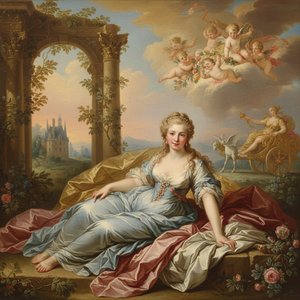
François Boucher: Rococo Master of Myth, Sensuality, and the French Court
Explore the captivating world of François Boucher, master of Rococo painting! Discover his iconic works, aristocratic patronage, and lasting influence on French art history. Learn more at OriginalUniqueArt.

Top 10 arcydzieł epoki rokoka: artyści, historia i dekoracje wnętrz | OriginalUniqueArt.com
Odkryj 10 arcydzieł epoki rokoka! Poznaj Watteau, Boucher’a i Fragonarda – artystów, którzy zdefiniowali ten styl. Inspiracje wnętrzarskie, pastelowe kolory i reprodukcje obrazów najwyższej jakości na OriginalUniqueArt.com. Eksploruj kolekcję online!

Subtelny blask pasteli: Eksploracja niuansu i emocji w sztuce XVIII wieku
Odkryj subtelny urok pasteli! Poznaj historię tej wyjątkowej techniki malarskiej, mistrzów rokoko i kobiecą perspektywę w portrecie. Eksploracja niuansu i emocji w sztuce XVIII wieku.

