

 Zobacz w skali 1:1
 Wyślij
 Udostępnij
 Szczegóły
 Przewodnik

 Pobierz plik obrazu
 Podobne obiekty
 RTG
RTG Pokaz slajdów
 Statystyki
Madame de Pompadour
 Acrylic On Canvas
- WallArt
- Rococo
 1758
1758 72.0 x 57.0 cm
 Muzeum Wiktorii i Alberta
 Czytaj więcej
Giclée / Wydruk artystyczny
Wydruki giclée lub płótna o jakości muzealnej, szybka realizacja i szeroki wybór opcji wykończenia. ( Kup ręcznie malowany obraz Przełącz na wersję cyfrową)




P118B zł10

P118H zł10

P118W zł10

P438Z zł10

P508JH zł12

P508YH zł12

P805H zł10

P805Z zł10

P919BZ zł10

P919G zł10

P919XJ zł10

P959ZH zł10

P968JZ zł12

W106C zł8

W218G zł10

W218JH zł8

W218Y zł10

W307PJ zł10

W316G zł10

W316PJ zł8

W316Y zł10

W398PJ zł8

W4111J zł10

W500HY zł15

W500JH zł15

W692G zł12

W849H zł8

W940BG zł15

W953PJ zł8




Wybierz spośród naszych standardowych rozmiarów, które zachowują oryginalne proporcje dzieła sztuki.

Wpisz wymaganą szerokość i wysokość, aby dopasować grafikę do ramy lub ściany. Wydruk można jedynie przyciąć, nigdy nie powiększając go poza oryginalny obraz, dlatego format o innym proporcji spowoduje utratę części kompozycji. Przed rozpoczęciem druku prześlemy Ci cyfrowy podgląd do zatwierdzenia. Obraz wyświetlany na tej stronie nie pokazuje rzeczywistego przycięcia — jedynie podgląd oddaje ten efekt.
Dostawa na cały świat () w ciągu 2 tygodni zamiast standardowych 4/5 tygodni. (23 Październik)

Bezpłatna ekspresowa wysyłka na cały świat

Wysokiej jakości płótno lniane

Pełne ubezpieczenie transportowe

Gwarancja zwrotu należności celnych i podatków importowych

Gwarancja idealnego odwzorowania barw

100-dniowy okres na zwrot dzieła w przypadku wykrycia wad produkcyjnych

Gwarancja 100% zwrotu pieniędzy

Oferta przy zakupie wielu sztuk
 Opcja ze szkłem jest dostępna wyłącznie w rozmiarach poniżej 110 cm

Madame de Pompadour
Giclée / Wydruk artystyczny
Rozmiar reprodukcji
-


Suma do zapłaty
zł 307
The Enigmatic Beauty: François Boucher’s Masterpiece
François Boucher's “Madame de Pompadour” isn’t merely a portrait; it’s a carefully constructed tableau vivant, a shimmering distillation of 18th-century French elegance and the subtle power wielded by its subject. Painted in 1758, this work transcends the conventions of royal portraiture, offering instead an intimate glimpse into the life and personality of Jeanne Antoinette Poisson, later known as Madame de Pompadour – mistress of King Louis XV and a pivotal figure in shaping the artistic landscape of her era. The painting captures her at approximately thirty years old, radiating an aura of cultivated grace and quiet confidence, a woman who skillfully navigated the treacherous currents of the French court.

Rococo Refinement: A Symphony of Light and Color
Boucher, a leading figure in the Rococo style, masterfully employs the hallmarks of this movement – delicate brushwork, pastel hues, and an emphasis on luxurious textures. The painting is bathed in soft, diffused light, characteristic of the era’s fascination with *chiaroscuro*, creating a sense of ethereal beauty. Note the subtle gradations of color within her gown—a cascade of ivory silk rendered with meticulous detail, suggesting both its richness and the delicate fabric's movement. The background, featuring a stylized grove of trees and a glimpse of a chair, isn’t merely decorative; it establishes a serene, almost dreamlike setting, further emphasizing Madame de Pompadour’s poise and detachment from the bustle of court life. The composition itself is carefully balanced, drawing the eye to her face – a study in refined features and an expression that hints at intelligence and amusement.
- Technique: Oil on canvas, demonstrating Boucher's mastery of layering glazes for luminous effects.
- Color Palette: Predominantly pastel shades—pale blues, pinks, creams, and golds—creating a sense of opulence and tranquility.
- Brushwork: Delicate, feathery strokes that contribute to the painting’s overall softness and ethereal quality.
Symbolism and Status: A Portrait of Influence
Beyond its aesthetic beauty, “Madame de Pompadour” is laden with symbolic meaning. The pearl necklace, a symbol of wealth and status, underscores her elevated position within French society. Her pose—seated on the ground, reading – suggests intellectual curiosity and cultivated leisure, qualities highly valued in a noblewoman of her time. The inclusion of the chair subtly reinforces her role as a patron of the arts and a figure of refined taste. Crucially, the painting reflects the prevailing Rococo ideal of *sprezzatura*—a studied nonchalance that conveyed effortless grace and sophistication. It’s a carefully orchestrated image designed to project an aura of power, intelligence, and undeniable charm.
A Legacy of Patronage and Artistic Innovation
François Boucher's “Madame de Pompadour” stands as a testament to his skill as a painter and decorator, and to the influence of Madame de Pompadour herself. Her patronage played a crucial role in elevating Boucher’s career and shaping the artistic trends of the era. The painting exemplifies the Rococo style’s emphasis on beauty, pleasure, and the celebration of aristocratic life – a world where art was not merely decoration but a powerful tool for projecting status and influence. Today, reproductions like those offered by OriginalUniqueArt allow us to appreciate this masterpiece in exquisite detail, bringing Boucher's vision to life with stunning clarity and fidelity.
Pytania i odpowiedzi
Który kolor najbardziej wyróżnia się w "Madame de Pompadour"?
Dominującym kolorem dzieła „Madame de Pompadour” autorstwa François Boucher jest Espresso (#36262a).
Skąd pochodzą odwiedzający „Madame de Pompadour” autorstwa François Boucher?
Strona Statystyki dzieła „Madame de Pompadour” autorstwa François Boucher przedstawia statystyki odwiedzin: miesięczną liczbę wyświetleń tego dzieła, porównanie z najczęściej oglądanymi pracami artysty oraz informacje o pochodzeniu odwiedzających.
Jaki rozmiasto wydruku "Madame de Pompadour" będzie odpowiedni do mojego pokoju?
Zalecane zestawienie dla „Madame de Pompadour” autorstwa François Boucher: wydruk w formacie Medium do Living Room.
Biografia artysty
François Boucher: A Master of Rococo’s Delicate Embrace
François Boucher (1703-1770) stands as a cornerstone of 18th-century French art, an artist inextricably linked to the opulent and sensual world of the Rococo. More than simply a painter, he was a decorator, a designer, and a master of capturing the fleeting beauty and playful spirit that defined this era’s artistic sensibilities. His legacy isn't one of grand historical narratives but rather of exquisitely rendered scenes brimming with charm, eroticism, and an undeniable sense of delight – a testament to his profound understanding of aristocratic taste and the pursuit of pleasure.
Early Years and Artistic Foundations
Born on September 29th, 1703, in the heart of Paris, François Boucher’s artistic journey began within a family steeped in craftsmanship. His father, Jean Boucher, was himself a painter, primarily engaged in creating decorative elements for embroidery – a lineage that instilled in young François an appreciation for detail and refined aesthetics. Initially, he received instruction from his father, but at the age of seventeen, he caught the discerning eye of François Lemoyne, a prominent sculptor and painter. This brief apprenticeship proved invaluable, introducing him to the fundamentals of technique and artistic principles. A subsequent period spent assisting the engraver, Jean-François Cars, honed his skills in composition and draughtsmanship. However, it was his victory at the prestigious Grand Prix de Rome in 1720 that truly launched his career, providing him with a coveted scholarship to study in Italy – a pivotal experience that exposed him to the masterpieces of the Renaissance and Baroque periods.
The Rise to Prominence: Courtly Patronage and Artistic Flourishing
Returning to France in 1731, Boucher was immediately admitted to the Académie Royale de Peinture et de Sculpture. His debut work, “Rinaldo and Armida” (1734), instantly established him as a rising star within the Parisian art scene. This painting showcased his burgeoning talent for capturing dramatic emotion and dynamic movement – hallmarks of the Rococo style. Boucher’s artistic voice quickly solidified, characterized by delicate brushwork, pastel palettes, and an emphasis on mythological and pastoral themes. He became increasingly sought after by wealthy patrons, including Madame de Pompadour, the influential mistress of King Louis XV, who recognized his exceptional talent and commissioned numerous works from him. Her patronage, in particular, cemented his position at the pinnacle of French artistic society.
A World of Myth, Leisure, and Eroticism
Boucher’s oeuvre is remarkably diverse, encompassing a wide range of subjects – mythology, portraiture, genre scenes, and landscape. However, he is perhaps most celebrated for his depictions of mythological figures, particularly Venus and Cupid, rendered with an exquisite blend of sensuality and grace. Paintings like “The Triumph of Venus” (1740-1751) are prime examples of this style, showcasing Boucher’s mastery of composition and color. He frequently depicted scenes of domestic tranquility – such as “The Breakfast” (1739), a charming portrayal of his wife and children – offering a glimpse into the refined pleasures enjoyed by the French aristocracy. Yet, beneath the surface of these idyllic settings often lay an undercurrent of playful eroticism, reflecting the era’s fascination with beauty and desire.
Legacy and Influence
François Boucher's influence extended far beyond his own paintings. He served as a sought-after designer for the theater, creating elaborate costumes and sets that contributed to the spectacle of Parisian productions. He also played a significant role in the decoration of the Beauvais and Gobelins workshops, designing tapestries that adorned royal palaces and aristocratic residences. His appointment as *Premier Peintre du Roi* in 1765 – the highest artistic honor bestowed by the French monarchy – solidified his status as the leading artist of the Rococo era. While later critics questioned the perceived superficiality of Rococo art, Boucher’s technical skill, innovative compositions, and enduring appeal have ensured his place as a pivotal figure in the history of Western art. His work continues to captivate viewers with its delicate beauty, playful charm, and timeless elegance.

François Boucher
1703 - 1770 , Francja
Najważniejsze informacje
- Artistic Movement Or Style: Rokoko
- Artists Or Movements Influenced By This Artist: ['Jean-Honoré Fragonard']
- Artists Who Influenced This Artist:
- François Lemoyne
- Jean-François Cars
- Date Of Birth: 29 września 1703
- Date Of Death: 30 maja 1770
- Full Name: François Boucher
- Nationality: Francuz
- Notable Artworks:
- Rinaldo i Armida
- Śniadanie
- Madame Boucher
- Zachód Słońca
- Place Of Birth: Paryż, Francja
Zobacz także powiązane artykuły
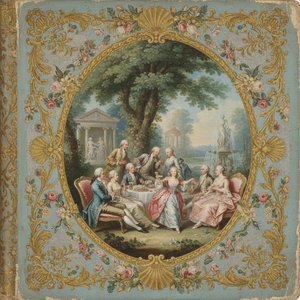
Rokokowy Styl: Arystokratyczne Przestrzenie Rozkoszy i Poszukiwanie Piękna w Sztuce XVIII Wieku
Odkryj świat rokoka – elegancji, luksusu i subtelności XVIII wieku. Poznaj mistrzów malarstwa, charakterystyczne cechy stylu oraz wpływ na sztukę i kulturę. Ekskluzywne reprodukcje obrazów na OriginalUniqueArt.com.

Francisco Goya: 25 Arcydzieł Genialnego Malarza Hiszpańskiego | OriginalUniqueArt.pl
Odkryj 25 arcydzieł Francisco Goyi – od portretów królewskich po dramatyczne 'Czarne Malowidła'. Poznaj historię, technikę i emocje hiszpańskiego mistrza. Reprodukcje obrazów najwyższej jakości na OriginalUniqueArt.com! Eksploruj kolekcję online.
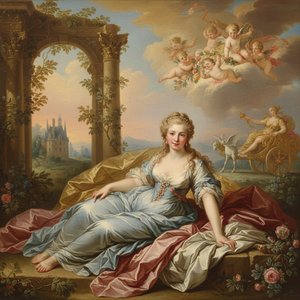
François Boucher: Rococo Master of Myth, Sensuality, and the French Court
Explore the captivating world of François Boucher, master of Rococo painting! Discover his iconic works, aristocratic patronage, and lasting influence on French art history. Learn more at OriginalUniqueArt.

Maurice Quentin de La Tour: Light, Shadow & the Rococo Portrait
Explore the captivating world of Maurice Quentin de La Tour, a master of Rococo portraiture. Discover his innovative pastel techniques, intimate depictions of French aristocracy, and lasting artistic legacy. Learn more at OriginalUniqueArt.

Rokokowy przepych: Bunt i rozkosz w sztuce XVIII wieku
Poznaj fascynujący świat rokoka – stylu pełnego wdzięku i przepychu! Odkryj historię, charakterystykę oraz wpływ tego nurtu na sztukę XVIII wieku. Ekspercka analiza i inspiracje dla miłośników historii sztuki.

