() ·

A painting made for you, by hand

Untitled

Ręcznie malowana reprodukcja olejowa

Ręcznie malowany obraz olejny na płótnie, wykonany na zamówienie przez naszych artystów w wybranym przez Ciebie wymiarze i oprawie. ( Przełącz na wydania drukowane Przejdź do wersji cyfrowej)

Opis obiektu

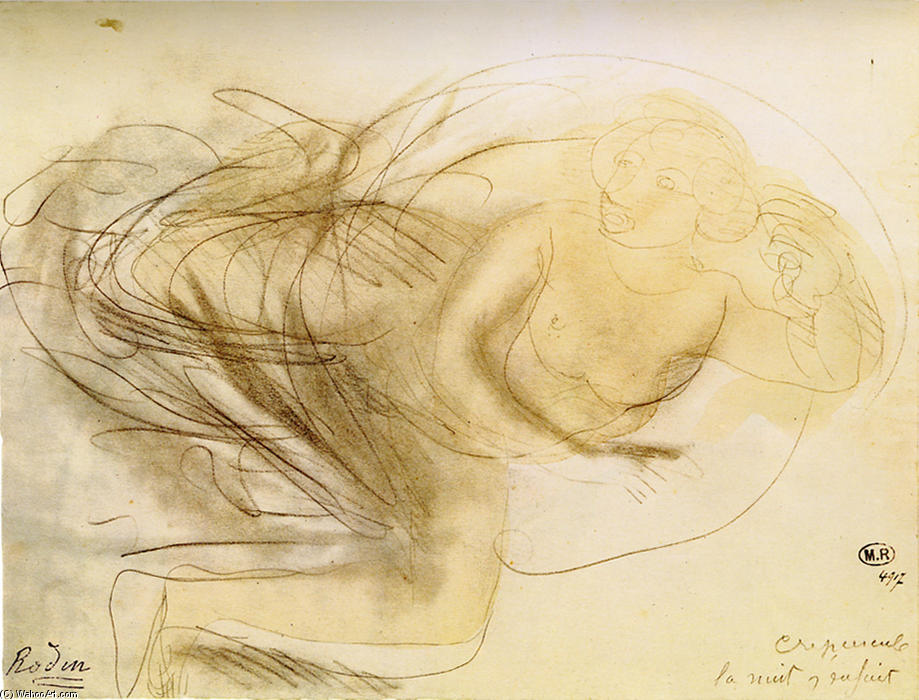
Explore an intriguing black and white study by Rodin, showcasing a reclining figure with expressive lines and shapes. A glimpse into the artist's innovative approach to form and emotion.

Biografia artysty

Auguste Rodin – rewolucyjny rzeźbiarz, twórca ikon takich jak 'Myśliciel' i 'Pocałunek'. Jego dzieła oddają emocje i głębię ludzkiego ducha. Odkryj świat jego monumentalnych form!

from ·

Chapter 1

How large should it be?

Slide to change the size; the picture on the left shows the frame at its real width. The proportions of the original are kept.

Standardowy format
personalizowane
CM
INCH

Wybierz spośród naszych standardowych rozmiarów, które zachowują oryginalne proporcje dzieła sztuki.

szerokość
wysokość

Wpisz wymaganą szerokość i wysokość, aby obraz pasował do Twojej ramy lub ściany. Ponieważ jest to dzieło malowane ręcznie, w przypadku rozmiaru o innych proporcjach artysta może domalować nieco więcej wokół obrazu lub przyciąć jego fragmenty — wybór należy do Ciebie. Przed rozpoczęciem pracy prześlemy Ci cyfrową wizualizację do zatwierdzenia. Obraz widoczny na tej stronie nie przedstawia rzeczywistego efektu — jedynie wizualizacja oddaje realny rezultat.

Chapter 2

How should it arrive?

Choose the edges of the stretched canvas

Choose your frame

Corner sample of the WhiteWrap canvas edge finish, stretched on lite drewno bars
White zł1
Corner sample of the BlurSideWrap canvas edge finish, stretched on lite drewno bars
Blurside zł1
Corner sample of the ExtendedWrap canvas edge finish, stretched on lite drewno bars
Extended zł1
Corner sample of the P118B picture frame: polistyren formowany, 5 cm wide and 3 cm thick
P118B zł10
Corner sample of the P118H picture frame: polistyren formowany, 5 cm wide and 3 cm thick
P118H zł10
Corner sample of the P118W picture frame: polistyren formowany, 5 cm wide and 3 cm thick
P118W zł10
Corner sample of the P438Z picture frame: polistyren formowany, 5.5 cm wide and 3.5 cm thick
P438Z zł10
Corner sample of the P508JH picture frame: polistyren formowany, 7 cm wide and 3.5 cm thick
P508JH zł12
Corner sample of the P508YH picture frame: polistyren formowany, 7 cm wide and 3.5 cm thick
P508YH zł12
Corner sample of the P805H picture frame: polistyren formowany, 5 cm wide and 3.5 cm thick
P805H zł10
Corner sample of the P805Z picture frame: polistyren formowany, 5 cm wide and 3.5 cm thick
P805Z zł10
Corner sample of the P919BZ picture frame: polistyren formowany, 7 cm wide and 3.5 cm thick
P919BZ zł10
Corner sample of the P919G picture frame: polistyren formowany, 7 cm wide and 3.5 cm thick
P919G zł10
Corner sample of the P919XJ picture frame: polistyren formowany, 7 cm wide and 3.5 cm thick
P919XJ zł10
Corner sample of the P959ZH picture frame: polistyren formowany, 5 cm wide and 3 cm thick
P959ZH zł10
Corner sample of the P968JZ picture frame: polistyren formowany, 6 cm wide and 4 cm thick
P968JZ zł12
Corner sample of the W106C picture frame: lite drewno, 5 cm wide and 3 cm thick
W106C zł8
Corner sample of the W218G picture frame: lite drewno, 5 cm wide and 3 cm thick
W218G zł10
Corner sample of the W218JH picture frame: lite drewno, 5 cm wide and 3 cm thick
W218JH zł8
Corner sample of the W218Y picture frame: lite drewno, 5 cm wide and 3 cm thick
W218Y zł10
Corner sample of the W307PJ picture frame: lite drewno, 6 cm wide and 3 cm thick
W307PJ zł10
Corner sample of the W316G picture frame: lite drewno, 6 cm wide and 3 cm thick
W316G zł10
Corner sample of the W316PJ picture frame: lite drewno, 6 cm wide and 3 cm thick
W316PJ zł8
Corner sample of the W316Y picture frame: lite drewno, 6 cm wide and 3 cm thick
W316Y zł10
Corner sample of the W398PJ picture frame: lite drewno, 5 cm wide and 3 cm thick
W398PJ zł8
Corner sample of the W4111J picture frame: lite drewno, 6.5 cm wide and 3.5 cm thick
W4111J zł10
Corner sample of the W500HY picture frame: lite drewno, 7 cm wide and 5 cm thick
W500HY zł15
Corner sample of the W500JH picture frame: lite drewno, 7 cm wide and 5 cm thick
W500JH zł15
Corner sample of the W692G picture frame: lite drewno, 8 cm wide and 4 cm thick
W692G zł12
Corner sample of the W849H picture frame: lite drewno, 5 cm wide and 3 cm thick
W849H zł8
Corner sample of the W940BG picture frame: lite drewno, 7.5 cm wide and 4.5 cm thick
W940BG zł15
Corner sample of the W953PJ picture frame: lite drewno, 6 cm wide and 3.5 cm thick
W953PJ zł8
Corner sample of the H24-GOLD picture frame: rzeźbione drewno pokryte gipsem, 10 cm wide and 6 cm thick
H24-GOLD zł30
Corner sample of the H24-SILVER picture frame: rzeźbione drewno pokryte gipsem, 10 cm wide and 6 cm thick
H24-SILVER zł30
Corner sample of the H36-GOLD picture frame: rzeźbione drewno pokryte gipsem, 15 cm wide and 6.5 cm thick
H36-GOLD zł45
Corner sample of the H36-SILVER picture frame: rzeźbione drewno pokryte gipsem, 15 cm wide and 6.5 cm thick
H36-SILVER zł45

Moulding: . Overall size with the frame: .

Chapter 3

Who paints it, and should anything change?

Examples of what can be changed: Replace face with customer photo; Add pet (e.g., replace cat with dog); Include hidden message in background; Change background landscape or elements.
After order, OriginalUniqueArt.com team will email client for instructions and provide a mockup preview

Dostawa na całym świecie () w ciągu 3–4 tygodni zamiast standardowych 5 tygodni. (1 Listopad). Bez kompromisów w kwestii jakości.

Chapter 4

The finishing touches

A nameplate, as in a museum?

Szczegóły grawerowanej brązowej tabliczki

This elegant plaque features the artist's name and the title of the artwork, finely engraved for a timeless presentation.

It is made from bronze with a refined, elegant finish. The text is precisely laser-engraved for a sharp and permanent result. Measuring 9x2 cm, the plaque is compact yet easy to read. It's built to be durable and scratch-resistant, offering a professional, museum-quality look. Mounting is simple thanks to the included adhesive backing.

Szczegóły przezroczystej tabliczki akrylowej

The plaque includes essential engraved details such as the artist's name, the title of the artwork, the date it was created, the type of media used-like oil on canvas or watercolor-a brief description of the piece, and a QR code that links to the complete artwork information.

It is crafted from clear acrylic, offering a sleek, modern appearance. The text is UV-engraved in black to ensure strong visual contrast. With a size of 10x15 cm, it ensures optimal readability. It comes equipped with two metal hooks for secure wall mounting. The plaque is designed to be weather-resistant, making it suitable for various environments, and it includes interactive features that work seamlessly with smartphone scanning.

Szczegóły czarnej tabliczki akrylowej

This elegant plaque includes engraved information such as the artist's name, the title of the artwork, the date it was created, the type of media used (like oil on canvas or watercolor), a short description of the artwork, and a QR code for quick access to more information.

The plaque itself is made from refined black acrylic with a premium finish. The text is laser-engraved in white for high contrast and readability. Its size is 10x15 cm, designed to be easy to read. It comes with two metal hooks for professional mounting. The design is sleek and fits any interior style. It is also weather-resistant and durable, with built-in digital integration for mobile compatibility.

A protective varnish?

When do you need it?

Chapter 5

Your painting, as you ordered it

Untitled

Technika reprodukcji

Wymiary reprodukcji

-

Wybitny mistrz artystyczny

Większa szczegółowość, finezja i dodatkowy czas na realizację

-

Opcje oprawy reprodukcji

-

-

W przypadku dzieł sztuki lub reprodukcji, których którykolwiek z boków przekracza 105 cm (około 41 cali), rama zostanie wysłana w formie zestawu do samodzielnego montażu. Metoda ta zapewnia bezpieczną dostawę i zapobiega uszkodzeniom podczas transportu.

Wymagany profesjonalny montaż – nie jest to produkt typu DIY.
Zestaw musi zostać złożony, a płótno naciągnięte przez doświadczonego profesjonalnego ramiarza, przy użyciu kleju do drewna (brak w zestawie), kleszczy do naciągania płótna oraz ścisków, które utrzymają krosna w równej pozycji podczas schnięcia kleju. Nieprawidłowy montaż lub nierównomierne napięcie płótna może trwale uszkodzić dzieło sztuki i nie podlega naszej gwarancji.

  • W zestawie znajdują się wszystkie listwy z litego drewna, precyzyjnie docięte do wymiarów.

  • Montaż odbywa się przy użyciu dołączonych wkrętów oraz kleju do drewna do łączenia narożników, którego zestaw nie zawiera i który musi zostać dostarczony przez ramiarza.

  • Wymagane są profesjonalne narzędzia, których nie ma w zestawie: kleszcze do naciągania płótna (napinacz) oraz zaciski, które pozwolą utrzymać listwy w równej pozycji podczas schnięcia kleju.

Ważne:
Do połączenia narożników niezbędny jest klej do drewna, listwy należy unieruchomić za pomocą ścisków do momentu całkowitego wyschnięcia kleju, a naciągnięcie płótna na złożoną ramę wymaga użycia kleszczy do naciągania płótna. Żaden z tych elementów nie jest dołączony do zestawu. Przed zamówieniem tego rozmiaru zalecamy konsultację z doświadczonym ramiarzem.

Etykieta obiektu

-

-

Lakier ochronny

Lakier z połyskiem (pogłębia kolory, chroni przed światłem i wilgocią)

-

Personalizacja dzieła

Przykłady możliwości personalizacji: zastąp twarz zdjęciem klienta; dodaj zwierzę domowe (np. zamień kota na psa); umieść ukrytą wiadomość w tle; zmień krajobraz lub elementy tła.

-

Ekspresowa

Dostawa na cały świat () w ciągu 3–4 tygodni zamiast standardowych 5 tygodni. (1 Listopad). Bez kompromisów w kwestii jakości.

-

Przesyłka ekspresowa

Dostawa na cały świat () w ciągu 5 tygodni. (8 Listopad).

W cenie

Cena całkowita

zł 1167

Suma całkowita zł 1167

Opcja ze szkłem jest dostępna wyłącznie w rozmiarach poniżej 110 cm

Included with every order

  • Bezpłatna ekspresowa wysyłka na cały świat
  • Wysokiej jakości płótno lniane
  • Pełne ubezpieczenie przesyłki
  • Gwarancja zwrotu należności celnych i podatków importowych
  • Gwarancja wiernego odwzorowania kolorów
  • 100-dniowa polityka zwrotów (tylko w przypadku wad)
  • Gwarancja 100% zwrotu pieniędzy
  • Zniżka przy zakupie wielu sztuk

Subject & Composition

This captivating black and white photograph presents an intimate study of a reclining female figure, likely derived from one of François Auguste René Rodin's sculptural explorations. The subject lies gracefully on her side, exuding an aura of tranquility and repose. Her arm is elegantly raised above her head, creating a dynamic curve that contrasts with the stillness of her body. While other figures are subtly present in the background, they remain secondary to the primary focus – the solitary woman and her evocative posture. The composition itself is intricate, demonstrating Rodin's masterful understanding of line, shape, and form, even when captured through photography.

Rodin’s Style & Technique

The photograph offers a glimpse into Rodin's distinctive artistic style – one that prioritized capturing the raw emotion and physicality of the human body. Rodin was a revolutionary figure in sculpture, moving away from traditional academic constraints to embrace a more expressive and subjective approach. He famously used clay as his primary medium, allowing him to model complex surfaces with remarkable fluidity. This photograph likely depicts a study or preparatory work for one of Rodin’s larger sculptures, showcasing the artist's exploration of form and movement before its final realization in bronze or marble.

Historical Context & Symbolism

Created during Rodin's prolific career (1840-1917), this image reflects a period of significant artistic change. The late 19th century witnessed a shift away from Neoclassical ideals towards more modern and subjective forms of expression. Rodin’s work, though initially controversial for its departure from traditional figurative sculpture, ultimately paved the way for many subsequent generations of artists. While the specific symbolism within this particular image remains open to interpretation, reclining female figures often evoke themes of rest, contemplation, and sensuality – concepts frequently explored in Rodin's oeuvre. The black and white medium further enhances a sense of timelessness and introspection.

Emotional Impact & Artistic Legacy

The photograph possesses a quiet emotional power. The woman’s relaxed posture and the soft lighting create an atmosphere of serenity, inviting viewers to contemplate her inner world. Despite being captured in monochrome, the image retains a remarkable sense of depth and texture, highlighting Rodin's skill in rendering human form. This piece serves as a testament to Rodin's enduring legacy as a pioneer of modern sculpture, demonstrating his ability to capture not just physical likeness but also the profound complexities of human emotion.

Why Acquire a Reproduction?

  • A Touch of Masterful Artistry: Bring the iconic style of Rodin into your home or office.
  • Conversation Starter: This piece is sure to spark interest and admiration from guests.
  • Timeless Appeal: The black and white aesthetic ensures enduring relevance across various interior design styles.
  • High-Quality Reproduction: Our hand-painted reproductions capture the essence of Rodin's original work with exceptional detail and fidelity.

Pytania i odpowiedzi

Czy dzieło "Untitled" posiada podgląd w rozszerzonej rzeczywistości?

Dzieło „Untitled” – Auguste Rodin możesz zobaczyć na własnej ścianie dzięki stronie Podgląd w AR, wykorzystując rozszerzoną rzeczywistość na kompatybilnym urządzeniu.

Do jakiego nurtu w sztuce należy „Untitled” – Auguste Rodin?

„Untitled” – Auguste Rodin należy do nurtu Other. Nurt ten stanowi stylistyczny kontekst dzieła.

Czy istnieją dzieła podobne do „Untitled”?

Dzieła podobne do „Untitled” – Auguste Rodin można znaleźć na stronie Podobne dzieła danego dzieła.

More about this painting

Podgląd w skali 1:1 Podgląd AR Przełącz na wydania drukowane Przejdź do wersji cyfrowej Wyślij jako kartkę
Szczegóły dzieła Przewodnik Dodaj do ulubionych Pobierz obraz Podobne obiekty RTG Pokaz slajdów Q&A Statystyki

In numbers

  • 29frames to choose from
  • standard sizes, in its own proportions
  • 5weeks to paint and deliver it

About the original

Auguste Rodin

Auguste Rodin

1840 - 1917, Francja

Quick facts about Auguste Rodin

  • Artistic Movement Or Style: Rzeźba nowoczesna
  • Artists Or Movements Influenced By This Artist: ['Rzeźba nowoczesna']
  • Artists Who Influenced This Artist: ['Albert Carrier-Belleuse']
  • Date Of Birth: 12 listopada 1840
  • Date Of Death: 17 listopada 1917
  • Full Name: François Auguste René Rodin
  • Nationality: Francuz
  • Notable Artworks:
    • Myśliciel
    • Pocałunek
    • Burgeoisie z Calais
  • Place Of Birth: Paryż, Francja

Biografia artysty

The Sculptor of Souls: A Life Forged in Clay

François Auguste René Rodin, a name now inextricably linked to the very essence of modern sculpture, emerged from 19th-century France as a revolutionary force—a sculptor who dared to look beyond idealized forms and delve into the raw, beating heart of human emotion. Born in Paris on November 12, 1840, into a modest household, Rodin’s early life held little promise of artistic greatness. He faced repeated rejections from the prestigious École des Beaux-Arts, a testament to the fiercely competitive nature of the art world at the time. Yet, these setbacks proved formative, forcing him to develop his skills through practical training as a decorative stonemason—a craft that instilled in him an intimate understanding of material and form, laying the foundation for his future innovations. A profound personal tragedy – the untimely death of his beloved sister Marie in 1862 – cast a long shadow over his life, leading to a brief period of contemplation about religious vocation before he ultimately committed himself fully to the pursuit of art. This deep well of emotion would become a defining characteristic of his work, imbuing it with an unparalleled sense of humanity and vulnerability.

Breaking with Tradition: A New Language in Stone

Rodin’s artistic journey was marked by a deliberate and radical departure from the prevailing academic standards that dominated sculpture during his time. While formally trained in classical techniques—a necessary step for any aspiring artist—he resolutely rejected the idealized forms, mythological narratives, and polished perfection championed by the established art world. Instead, he sought to capture the fleeting nuances of human emotion, the weight of thought, and the complex tapestry of inner experience. His early works, such as *The Age of Bronze* (1877), initially provoked considerable controversy. Critics found his figures too realistic, too unrefined—a departure from the carefully crafted beauty expected of sculpture. However, Rodin remained steadfast in his artistic vision, driven by an unwavering belief that he could express the human condition with greater honesty and immediacy than had been possible before. He began to experiment with fragmented forms, rough surfaces, and dynamic compositions—techniques that conveyed a sense of movement, psychological intensity, and profound emotional depth. This innovative approach challenged conventional notions of beauty and paved the way for a new era in sculptural expression, one where the artist’s hand was visible, and imperfection was embraced as an integral part of the creative process.

Iconic Forms: The Thinker, The Kiss, and Beyond

Rodin's legacy is cemented by a series of iconic sculptures that continue to resonate with audiences worldwide—works that have transcended their original context to become symbols of universal human experience. *The Thinker* (1880-1882), initially conceived as part of the monumental *Gates of Hell*, quickly became an emblem of philosophical contemplation, its powerfully rendered form embodying the weight of human thought and existential questioning. The figure’s slumped posture, furrowed brow, and outstretched hand seem to capture a moment of profound introspection—a silent dialogue with the mysteries of existence. *The Kiss* (1886-1898), a celebration of passionate love, is renowned for its sensual beauty and emotional intimacy. Rodin masterfully captured the fleeting moment of connection between two lovers, conveying not just physical attraction but also tenderness, vulnerability, and shared joy. And *The Burghers of Calais* (1884-1895), a monumental tribute to courage and sacrifice, stands as a testament to Rodin’s ability to convey profound human drama through sculptural form—a powerful depiction of six citizens of Calais who bravely faced certain death during the Hundred Years' War. These works weren’t merely representations of physical bodies; they were explorations of the human condition, imbued with psychological depth and emotional resonance. He didn’t shy away from portraying imperfection or suffering, recognizing that these qualities are integral to the human experience—a departure from the idealized figures of classical sculpture.

The Gates of Hell: A Masterpiece in Progress

Perhaps no single work embodies Rodin's artistic vision more powerfully than *The Gates of Hell* (1880-1917). Commissioned for a proposed Museum of Decorative Arts, the project remained unfinished at his death, yet it represents a culmination of his artistic explorations. The sculpture depicts a scene from Dante’s *Inferno*, portraying the souls of the damned in agonizing torment. Rodin eschewed traditional allegorical representations, instead focusing on capturing the raw emotion and psychological intensity of the figures—their faces contorted with pain, their bodies writhing in despair. The unfinished state of the work is deliberate, reflecting the artist’s ongoing process of creation and his desire to capture a sense of perpetual movement and transformation. *The Thinker*, originally intended as one of twelve figures within the gates, became an independent masterpiece—a symbol of human intellect and contemplation that continues to captivate viewers today.

A Lasting Influence: Rodin's Place in Art History

By the turn of the 20th century, Rodin had achieved international acclaim, becoming arguably the most celebrated sculptor of his time. His work profoundly influenced generations of artists, inspiring them to break free from traditional constraints and explore new avenues of artistic expression. He is widely considered a pivotal figure in the transition from 19th-century realism to modern sculpture—a bridge between the past and the future. His emphasis on emotional intensity, psychological depth, and innovative use of form laid the groundwork for movements such as Expressionism and Cubism. Today, Rodin’s sculptures can be found in museums and collections around the globe—most notably at the Musée Rodin in Paris, a dedicated space showcasing his life's work—a testament to his enduring legacy as one of the greatest sculptors of all time. His influence extends beyond sculpture, impacting painting, literature, and even film, solidifying his place as a true visionary artist who forever changed the landscape of art.

Najważniejsze informacje

  • Death Year: 1917
  • Artist: françois auguste rené rodin
  • Title: Untitled
  • Notable elements or techniques: Complex lines and shapes

Quiz o sztuce

Do każdego pytania dotyczy tylko jedna poprawna odpowiedź.

Pytanie 1:
Based on the description, what is the primary subject depicted in this artwork?
Pytanie 2:
What artistic movement is François Auguste René Rodin most associated with?
Pytanie 3:
The photograph of the painting is in what medium?
Pytanie 4:
According to the provided biography, what was a characteristic feature of Rodin's sculptural style?
Odkryj dzieła sztuki uporządkowane według tematów, stylów i cech charakterystycznych.





































