

 Podgląd w skali 1:1
 Wyślij jako kartkę
 Udostępnij
 Szczegóły dzieła
 Przewodnik

 Pobierz obraz
 Podobne obiekty
 RTG
RTG Pokaz slajdów
 Statystyki
Red con Pez #8
 Contemporary Art
 2012
2012- Contemporary
 14.0 x 20.0 cm
 USC Fisher Museum of Art
 Rozwiń treść
Dzieło sztuki prezentowane na tej stronie podlega ochronie prawem autorskim, co oznacza, że nie mamy prawa do tworzenia ani sprzedaży jego identycznej reprodukcji. Ochrona ta jest egzekwowana na mocy umów międzynarodowych, takich jak Konwencja berneńska oraz przez przepisy prawa krajowego, w tym te określone w Prawo autorskie USA – Tytuł 17.
Metoda ta jest w pełni zgodna z przepisami prawa autorskiego, ponieważ nie polega na kopiowaniu ani powielaniu chronionego dzieła. Stanowi ona kreatywną reinterpretację – nowy obraz, który czerpie inspirację z oryginału, ale nie jest z nim tożsamy.
Giclée / Wydruk artystyczny
Wydruki giclée lub płótna o jakości muzealnej, szybka realizacja i szeroki wybór opcji wykończenia. ( Zamów ręcznie malowaną reprodukcję Przejdź do wersji cyfrowej)




P118B zł10

P118H zł10

P118W zł10

P438Z zł10

P508JH zł12

P508YH zł12

P805H zł10

P805Z zł10

P919BZ zł10

P919G zł10

P919XJ zł10

P959ZH zł10

P968JZ zł12

W106C zł8

W218G zł10

W218JH zł8

W218Y zł10

W307PJ zł10

W316G zł10

W316PJ zł8

W316Y zł10

W398PJ zł8

W4111J zł10

W500HY zł15

W500JH zł15

W692G zł12

W849H zł8

W940BG zł15

W953PJ zł8




Wybierz spośród naszych standardowych rozmiarów, które zachowują oryginalne proporcje dzieła sztuki.

Wpisz wymaganą szerokość i wysokość, aby dopasować grafikę do ramy lub ściany. Wydruk można jedynie przyciąć, nigdy nie powiększając go poza oryginalny obraz, dlatego format o innych proporcjach spowoduje utratę części kompozycji. Przed rozpoczęciem druku prześlemy Ci cyfrowy podgląd do zatwierdzenia. Obraz wyświetlany na tej stronie nie pokazuje rzeczywistego przycięcia — jedynie podgląd oddaje ten efekt.
Dostawa na cały świat () w ciągu 2 tygodni zamiast standardowych 4/5 tygodni. (25 Październik)

Bezpłatna ekspresowa wysyłka na cały świat

Wysokiej jakości płótno lniane

Pełne ubezpieczenie przesyłki

Gwarancja zwrotu należności celnych i podatków importowych

Gwarancja wiernego odwzorowania kolorów

100-dniowa polityka zwrotów (tylko w przypadku wad)

Gwarancja 100% zwrotu pieniędzy

Zniżka przy zakupie wielu sztuk
 Opcja ze szkłem jest dostępna wyłącznie w rozmiarach poniżej 110 cm

Red con Pez #8
Giclée / Wydruk artystyczny
Wymiary reprodukcji
-


Cena całkowita
zł 307
Biografia artysty
A Life Woven into the Soul of Oaxaca
Francisco Benjamín López Toledo, born in Juchitán de Zaragoza, Oaxaca, in 1940, wasn’t merely an artist; he was a cultural architect, a passionate advocate for his homeland, and one of Mexico's most profoundly influential contemporary figures. His life story is inextricably linked to the vibrant traditions and often-overlooked complexities of Oaxacan culture, a heritage that permeates every brushstroke, sculpted form, and woven thread of his extensive oeuvre. Toledo’s artistic journey began early, nurtured by the rich visual language of his Zapotec upbringing and formalized through studies at the Escuela de Bellas Artes de Oaxaca and later at the Centro Superior de Artes Aplicadas del Instituto Nacional de Bellas Artes in Mexico City under the guidance of Guillermo Silva Santamaría. However, formal training only provided a foundation; Toledo’s true education came from immersing himself in the world around him – the landscapes, folklore, and social realities of his native state.A Kaleidoscope of Influences
To categorize Francisco Toledo within a single artistic movement proves impossible, and perhaps even undesirable. His style is remarkably fluid, a captivating synthesis of diverse influences that reflect both his intellectual curiosity and deep-rooted cultural identity. The echoes of Pre-Columbian art resonate strongly in his work, particularly the iconography of Zapotec and other indigenous cultures, manifesting as stylized figures and symbolic motifs. This ancestral connection is beautifully interwoven with the exuberant palette and narrative spirit of Mexican folk art, creating a visual language that feels both ancient and strikingly modern. Yet, Toledo wasn’t content to simply replicate tradition; he fearlessly embraced elements of Surrealism, allowing dreamlike compositions and explorations of the subconscious to surface in his paintings and graphic works. This unique blend—a harmonious collision of history, heritage, and personal vision—defines the distinctive character of his art. He frequently employed bold lines, textured surfaces, and a deliberately limited color palette, creating images that are visually arresting and emotionally resonant. Artists who influenced this artist include Rufino Tamayo, Paul Klee, and Jean Dubuffet.Themes of Identity, Society, and Nature
Recurring themes weave through Toledo’s artistic narrative, revealing his profound engagement with the world around him. Oaxacan culture is not merely a subject matter but a living presence in his work—a celebration of traditions, beliefs, and the everyday lives of its people. Beyond aesthetic representation, Toledo used his art as a powerful vehicle for social commentary, fearlessly addressing issues such as poverty, inequality, and political corruption with both subtlety and directness. His canvases often serve as poignant reflections on the human condition, prompting viewers to confront uncomfortable truths about society. Equally prominent is his fascination with mythology and symbolism, drawing upon Zapotec lore and universal archetypes to imbue his work with layers of meaning. Finally, a deep reverence for nature—the landscapes, flora, and fauna of Oaxaca—is evident in his meticulous depictions of the natural world, where every plant and creature carries symbolic weight.Major Achievements & Artistic Style
Toledo’s artistic style is characterized by its distinctive blend of Surrealism, Folk Art, and Pre-Columbian influences. He skillfully combined bold lines with textured surfaces to create images that are visually striking and emotionally resonant. His palette was deliberately restrained, prioritizing color harmony over ostentation. Recurring motifs included stylized figures representing Zapotec deities and ancestral spirits alongside fantastical landscapes and dreamlike scenes—a testament to his imaginative vision. Notable artworks include “Grasshopper and Alligator,” “Two People Squatting…” and “Redes con Cangrejos…”. His work gained international recognition, appearing in exhibitions across Europe and North America.Legacy & Cultural Impact
Francisco Toledo’s contribution to Mexican art extends far beyond his individual creations. He established several pivotal institutions that continue to enrich the artistic landscape of Oaxaca: The Instituto de Artes Gráficas de Oaxaca (IAGO) art library, a treasure trove of visual knowledge; the Museo de Arte Contemporáneo de Oaxaca (MACO), providing a platform for contemporary artists; Patronato Pro-Defensa y Conservación del Patrimonio Cultural de Oaxaca, dedicated to safeguarding cultural heritage; and several other initiatives including a library for the blind, a photographic center, and the Eduardo Mata Music Library. These endeavors demonstrate his unwavering dedication to fostering artistic expression and cultural awareness within his community, solidifying his legacy as not just an artist but a true visionary—a figure who profoundly shaped Oaxacan culture and inspired generations of artists with his commitment to preserving its traditions and promoting social justice.
Francisco Toledo
1940 - , Meksyk
Krótka nota
- Artistic Movement Or Style: Surrealizm, Sztuka ludowa
- Artists Who Influenced This Artist:
- Rufino Tamayo
- Paul Klee
- Jean Dubuffet
- Date Of Birth: 17 lipca 1940
- Full Name: Francisco Benjamín López Toledo
- Nationality: Meksykański
- Notable Artworks:
- Grasshopper and Alligator
- Two People Squatting...
- Redes con Cangrejos...
- Place Of Birth: Juchitán de Zaragoza, Meksyk
Powiązane artykuły

Top 10 Sławnych Obrazów w Odcieniach Szaroniebieskiego – Inspiracje dla Wnętrz | OriginalUniqueArt.com
Odkryj 10 najsłynniejszych obrazów w odcieniach szaroniebieskiego! Poznaj historie Claude Moneta, Degasa i Van Gogha. Inspiracje wnętrzarskie i reprodukcje najwyższej jakości na OriginalUniqueArt.com – sztuka dla Twojego domu.
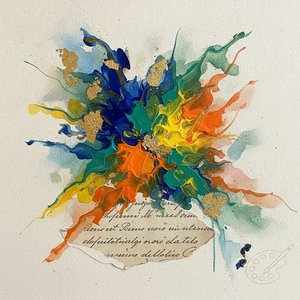
Mastering Acrylic on Paper: An Expert Guide to Texture, Color Theory, and Modern Techniques
Elevate your artistry with our expert guide to acrylic on paper. Master advanced techniques in texture, color theory, and layering to create professional-grade modern masterpieces. Perfect for art students seeking technical depth and creative excellence.
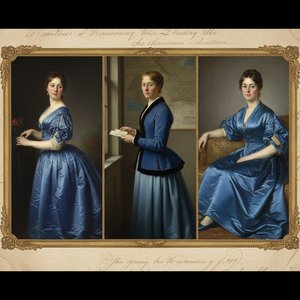
Azure Visions: Exploring Representations of the Blue Dress in Western Art History
Explore the rich history of the blue dress in Western art! Discover its symbolism, from Renaissance masterpieces to modern interpretations by artists like Martin & Schiele. Uncover cultural meanings and artistic techniques.
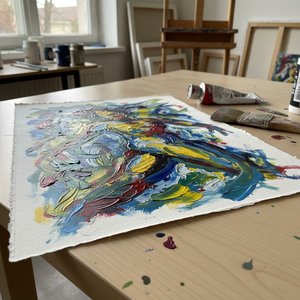
Akryl na papierze: Nowoczesny nośnik ekspresji artystycznej – historia, techniki i konserwacja dzieł
Poznaj historię, techniki i konserwację akrylu na papierze – nowoczesnego medium sztuki współczesnej. Poradnik dla kolekcjonerów i inwestorów. Eksperckie analizy i najlepsze praktyki ochrony dzieł.

Błękit w Sztuce: Symbolika, Historia i Psychologiczne Oddziaływanie Koloru
Odkryj fascynującą historię błękitu w sztuce! Poznaj symbolikę, psychologię i wpływ tego koloru na arcydzieła renesansu i współczesne trendy. Ekspercka analiza dla miłośników sztuki.


