Zobacz w skali 1:1
 Wyślij
 Udostępnij
 Szczegóły

 Pobierz plik obrazu
 Podobne obiekty
 RTG
RTG Pokaz slajdów
 Statystyki
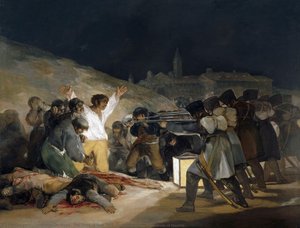
War scene
 Acrylic On Canvas
- WallArt
- Romanticism
 1812
1812 15.0 x 19.0 cm
 Czytaj więcej
Giclée / Wydruk artystyczny
Wydruki giclée lub płótna o jakości muzealnej, szybka realizacja i szeroki wybór opcji wykończenia. ( Kup ręcznie malowany obraz Przełącz na wersję cyfrową)




P118B $10

P118H $10

P118W $10

P438Z $10

P508JH $12

P508YH $12

P805H $10

P805Z $10

P919BZ $10

P919G $10

P919XJ $10

P959ZH $10

P968JZ $12

W106C $8

W218G $10

W218JH $8

W218Y $10

W307PJ $10

W316G $10

W316PJ $8

W316Y $10

W398PJ $8

W4111J $10

W500HY $15

W500JH $15

W692G $12

W849H $8

W940BG $15

W953PJ $8




Wybierz spośród naszych standardowych rozmiarów, które zachowują oryginalne proporcje dzieła sztuki.

Możesz wprowadzić własne wymiary, aby dopasować dzieło do konkretnej ramy lub przestrzeni. Jeśli wybrany rozmiar nie będzie odpowiadał proporcjom oryginalnego obrazu, przytniecie dzieło lub rozszerzymy obraz za pomocą odbicia lustrzanego lub jednolitego wypełnienia krawędzi. Przed rozpoczęciem produkcji prześlemy cyfrową wizualizację do Twojej akceptacji.
Prosimy pamiętać, że podgląd na ekranie nie odzwierciedla faktycznego przycinania ani rozszerzania. Tylko wizualizacja dokładnie pokaże końcową kompozycję.
Mimo dostępności niestandardowych rozmiarów, zalecamy wybór wymiaru z listy zdefiniowanej, aby zachować oryginalne proporcje.
Dostawa na cały świat () w ciągu 2 tygodni zamiast standardowych 4/5 tygodni. (18 Wrzesień)

Bezpłatna ekspresowa wysyłka na cały świat

Wysokiej jakości płótno lniane

Pełne ubezpieczenie transportowe

Gwarancja zwrotu należności celnych i podatków importowych

Gwarancja idealnego odwzorowania barw

100-dniowy okres na zwrot dzieła w przypadku wykrycia wad produkcyjnych

Gwarancja 100% zwrotu pieniędzy

Oferta przy zakupie wielu sztuk
 Opcja ze szkłem jest dostępna wyłącznie w rozmiarach poniżej 110 cm

War scene
Giclée / Wydruk artystyczny
Rozmiar reprodukcji
-


Suma do zapłaty
$ 80
A Glimpse into Turmoil: Francisco Goya’s ‘War Scene’ (1812)
“War Scene,” created in 1812 by the Spanish master Francisco Goya, is a powerfully evocative ink painting that encapsulates the brutality and chaos of conflict. Measuring just 15 x 19 cm, this small-scale work punches far above its weight, delivering an intensely dramatic experience reminiscent of Goya’s larger, more famous depictions of war – such as “The Third of May 1808” and works from *The Disasters of War* series.Style & Technique: Echoes of the Spanish Golden Age
Goya's style in this piece is deeply rooted in the traditions of the Spanish Golden Age, particularly recalling the expressive intensity of artists like El Greco and the later dramatic realism of his own early influences such as Goya. The work eschews precise detail for a more gestural approach. Loose lines and amorphous shapes define figures and forms, prioritizing emotional impact over strict representation. The technique appears to involve layering and scraping ink (possibly oil-based) on a textured surface – likely paper or board – creating a rich, tactile quality and a sense of raw energy. The limited palette, dominated by dark browns and blacks, amplifies the painting’s somber mood.Subject & Composition: A Moment Frozen in Conflict
The scene depicts a tightly cropped gathering of figures around a central fire. While the exact context remains ambiguous – is it a battlefield encampment, a ritualistic gathering, or something else entirely? – the atmosphere is undeniably charged with tension and foreboding. The diagonal thrust created by the arrangement of figures and flames draws the viewer’s eye directly into the heart of the action. The flattened perspective further intensifies this immediacy, eliminating any sense of spatial distance and immersing us in the scene's emotional core.Historical Context: Spain in Crisis
Created during a period of immense upheaval for Spain – the Peninsular War (part of the Napoleonic Wars) was raging – “War Scene” reflects the widespread suffering and political instability of the time. Goya, having witnessed firsthand the horrors of war, increasingly turned his artistic attention to its devastating consequences. This work, though smaller in scale than some of his more famous war-themed paintings, shares their unflinching honesty and profound sense of human tragedy. It’s important to note that 1812 was a particularly turbulent year for Spain with the Cortes de Cádiz drafting a new constitution amidst ongoing conflict.Symbolism & Emotional Impact: Darkness and Resilience
The fire itself is a potent symbol, representing both warmth and destruction, hope and despair. The figures, shrouded in shadow, embody vulnerability yet also hint at resilience. The overall mood is one of urgency, uncertainty, and impending doom. Goya masterfully conveys the psychological toll of war – the fear, desperation, and loss that permeate every aspect of life during times of conflict. This isn’t a glorification of battle; it's an unflinching portrayal of its human cost.For Collectors & Designers
- “War Scene” offers a compelling example of Goya’s expressive power and his ability to convey complex emotions through minimalist means.
- Its dark, dramatic palette and dynamic composition make it a striking focal point for any collection.
- The work's intimate scale lends itself well to smaller spaces, while its powerful imagery ensures it will command attention.
- For interior designers, this piece adds a touch of historical gravitas and artistic sophistication to a variety of settings – from modern lofts to traditional libraries.
Biografia artysty
The Spanish Soul: A Life Forged in Shadow and Light
Francisco José de Goya y Lucientes, a name that echoes through the corridors of art history, embodies a profound paradox. He was simultaneously a product of his era – deeply rooted in the traditions of Old Masters – and a visionary who presaged the anxieties and expressive freedom of modern art. Born in 1746 in the unassuming village of Fuendetodos, Spain, Goya’s journey from a provincial artist to court painter, and ultimately, to a chronicler of human suffering and societal decay, stands as a testament to his extraordinary talent and the turbulent period he navigated. His early training commenced at fourteen under José Luzán y Martinez, laying a foundational understanding of classical techniques before he migrated to Madrid and honed his skills under the tutelage of Anton Raphael Mengs, then the dominant artistic force within the Spanish court. This initial phase instilled in him a mastery of form and composition, vividly demonstrated in his early commissions – intricate designs for tapestries depicting lively scenes from everyday life, reflecting a Rococo sensibility tempered by a distinctly Spanish realism. The marriage to Josefa Bayeu, sister to another painter within the royal circle, further solidified his position within the artistic establishment. These initial works, while charming and skillfully executed, offered little indication of the profound emotional depth and unsettling darkness that would characterize much of his later oeuvre.Ascension and Transformation: From Courtly Grace to Inner Turmoil
Goya’s ascent through the ranks of the Spanish court was a steady progression. He secured a position as a painter to the Royal Chamber in 1786, securing a consistent stream of portrait commissions from the aristocracy and royalty. These portraits are remarkable not merely for their technical brilliance – Goya possessed an uncanny ability to capture likeness with unflinching honesty – but also for their astute psychological insight. He didn’t simply paint what his sitters *looked* like; he revealed something of their character, their vulnerabilities, and even the hidden anxieties that lay beneath their carefully constructed facades. The Countess of Chinchón, for example, is not merely a beautiful woman adorned in elegant attire, but a figure radiating intelligence and perhaps a touch of melancholy. However, beneath this veneer of courtly grace, a significant transformation was taking place within Goya. In 1793, a devastating illness left him profoundly deaf, an event that irrevocably altered his perception of the world and consequently, his artistic vision. This affliction plunged him into a period of intense introspection and isolation, severing his connection to the social life he once enjoyed and forcing him inward, towards a darker, more subjective reality. The shift in his artistic style was dramatic – lighter palettes gave way to somber hues, precise lines softened into loose brushstrokes, and scenes of idyllic beauty were replaced by depictions of madness, violence, and the irrational. This period marked the genesis of what would become known as *Los Caprichos*, a series of etchings that served as a biting satire of Spanish society – its follies, superstitions, and moral corruption laid bare with unflinching wit and sharp irony.The Dark Visions: Caprichos, Disasters, and Black Paintings
This period of artistic ferment culminated in some of Goya’s most iconic and unsettling works. *Los Caprichos*, published in 1799, are a scathing critique of Spanish society, populated by grotesque figures and allegorical scenes that expose the nation's flaws. The etchings are both captivating and disturbing, showcasing Goya’s masterful command of printmaking techniques. However, it was *The Disasters of War* (1810-1820), a series of harrowing prints documenting the atrocities committed during the Peninsular War, that truly cemented Goya's reputation as a fearless chronicler of human suffering. These unflinching depictions of violence, starvation, and despair offer no romanticized glorification of war; instead, they present a brutal and uncompromising portrayal of its devastating consequences. Perhaps most profoundly unsettling are *The Black Paintings*, fourteen murals he created directly on the walls of his home, “Quinta del Sordo” (the Deaf Man’s Villa), between 1819 and 1823. These works – including the terrifying *Saturn Devouring His Son* and the haunting *Asmodea* – delve into the darkest recesses of the human psyche, expressing themes of despair, madness, and existential dread with unparalleled intensity. They represent a radical departure from traditional artistic conventions, foreshadowing the expressive power of abstract art.Themes and Techniques
Throughout his career, several recurring themes consistently emerge in Goya’s work. The exploration of human folly and societal corruption is prominent in *Los Caprichos*, while the horrors of war are brutally depicted in *The Disasters of War*. A fascination with darkness, superstition, and the irrational permeates much of his later output, culminating in the unsettling imagery of *The Black Paintings*. Technically, Goya was a master of various mediums. He excelled in portraiture, not only capturing physical likeness but also revealing profound psychological insights. His use of color evolved over time, transitioning from the lighter palettes of his early works to the somber tones of his later paintings and etchings. He demonstrated particular innovation in his printmaking techniques, utilizing aquatint to achieve nuanced tonal variations and dramatic effects.- Etching: Goya’s mastery of etching allowed him to create intricate details and expressive lines.
- Aquatint: This technique enabled him to achieve a range of tones and textures, enhancing the emotional impact of his prints.
- Brushwork: His loose and expressive brushwork, particularly in his later paintings, contributed to their sense of immediacy and emotional intensity.
A Legacy of Innovation and Influence
In 1824, disillusioned by the political turmoil within Spain, Goya sought refuge in Bordeaux, France, where he continued to work until his death in 1828. His final years were marked by a renewed focus on printmaking, culminating in *La Tauromaquia*, a series exploring the spectacle and brutality of bullfighting. Francisco Goya’s legacy is immense and far-reaching. He stands as a pivotal figure in art history, bridging the gap between the Old Masters and the modern movement. His influence can be seen in the works of countless artists who followed – from Édouard Manet and Pablo Picasso to Francis Bacon – all drawn to his expressive brushwork, psychological depth, and willingness to confront uncomfortable truths. He challenged artistic conventions, embraced innovation, and dared to explore the darker aspects of human experience, leaving behind a body of work that continues to resonate with audiences today. Goya wasn’t merely painting pictures; he was holding up a mirror to society, forcing us to confront our own flaws and vulnerabilities, and reminding us of the enduring power – and fragility – of the human spirit.
Francisco de Goya
1746 - 1828 , Hiszpania
Najważniejsze informacje
- Artistic Movement Or Style: Romanticizm
- Artists Or Movements Influenced By This Artist:
- Manet
- Picasso
- Artists Who Influenced This Artist:
- Mengs
- Luzán
- Date Of Birth: 30 marca 1746
- Date Of Death: 16 kwietnia 1828
- Full Name: Francisco José de Goya y Lucientes
- Nationality: Hiszpański
- Notable Artworks:
- Los Caprichos
- Duchy Wojny
- Malowidła Czarne
- Place Of Birth: Fuendetodos, Hiszpania
Zobacz także powiązane artykuły

Francisco Goya: 25 Arcydzieł Genialnego Malarza Hiszpańskiego | OriginalUniqueArt.pl
Odkryj 25 arcydzieł Francisco Goyi – od portretów królewskich po dramatyczne 'Czarne Malowidła'. Poznaj historię, technikę i emocje hiszpańskiego mistrza. Reprodukcje obrazów najwyższej jakości na OriginalUniqueArt.com! Eksploruj kolekcję online.
Złoty Wiek Odnowiony: Dramatyczny Realizm i Duchowny Zapał w Sztuce Hiszpańskiego Baroku
Poznaj fascynujący świat baroku hiszpańskiego! Analiza dramatycznego realizmu Velázqueza, Zurbarána i Ribery oraz wpływu kontrreformacji na sztukę. Ekspercka wiedza dla kolekcjonerów i miłośników historii malarstwa.

Francisco de Zurbarán: Mysticism, Realism & the Golden Age of Spanish Painting
Explore the captivating world of Francisco de Zurbarán, a master of Spanish Baroque painting. Discover his dramatic tenebrism, religious masterpieces like 'La Porciúncula,' and lasting influence on art history.
Francisco Goya: Darkness & Enlightenment – A Comprehensive Exploration of the Artist's Life, Works, and Enduring Legacy
Explore the life & works of Francisco Goya, Spain's Romantic master. Discover his evolution from court painter to a visionary chronicler of war and social injustice. A comprehensive guide for art enthusiasts.

Złoty Wiek Holandii: 10 arcydzieł, które zmieniły historię sztuki | OriginalUniqueArt.com
Odkryj 10 arcydzieł Złotego Wieku Holandii! Poznaj historię Rembrandta, Vermeera i innych mistrzów. Reprodukcje obrazów najwyższej jakości do Twojego wnętrza – OriginalUniqueArt.com.