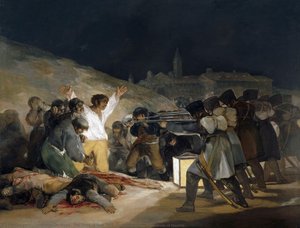
Zobacz w skali 1:1
 Wyślij
 Udostępnij
 Szczegóły
 Przewodnik

 Pobierz plik obrazu
 Podobne obiekty
 RTG
RTG Pokaz slajdów
 Statystyki
The Greasy Pole
 Olej na płótnie
- Sztuka ścienna
- Romanticism
 1787
1787- XIX wiek
 169.0 x 88.0 cm
 Czytaj więcej
Giclée / Wydruk artystyczny
Wydruki giclée lub płótna o jakości muzealnej, szybka realizacja i szeroki wybór opcji wykończenia. ( Kup ręcznie malowany obraz Przełącz na wersję cyfrową)




P118B $10

P118H $10

P118W $10

P438Z $10

P508JH $12

P508YH $12

P805H $10

P805Z $10

P919BZ $10

P919G $10

P919XJ $10

P959ZH $10

P968JZ $12

W106C $8

W218G $10

W218JH $8

W218Y $10

W307PJ $10

W316G $10

W316PJ $8

W316Y $10

W398PJ $8

W4111J $10

W500HY $15

W500JH $15

W692G $12

W849H $8

W940BG $15

W953PJ $8




Wybierz spośród naszych standardowych rozmiarów, które zachowują oryginalne proporcje dzieła sztuki.

Możesz wprowadzić własne wymiary, aby dopasować dzieło do konkretnej ramy lub przestrzeni. Jeśli wybrany rozmiar nie będzie odpowiadał proporcjom oryginalnego obrazu, przytniecie dzieło lub rozszerzymy obraz za pomocą odbicia lustrzanego lub jednolitego wypełnienia krawędzi. Przed rozpoczęciem produkcji prześlemy cyfrową wizualizację do Twojej akceptacji.
Prosimy pamiętać, że podgląd na ekranie nie odzwierciedla faktycznego przycinania ani rozszerzania. Tylko wizualizacja dokładnie pokaże końcową kompozycję.
Mimo dostępności niestandardowych rozmiarów, zalecamy wybór wymiaru z listy zdefiniowanej, aby zachować oryginalne proporcje.
Dostawa na cały świat () w ciągu 2 tygodni zamiast standardowych 4/5 tygodni. (26 Wrzesień)

Bezpłatna ekspresowa wysyłka na cały świat

Wysokiej jakości płótno lniane

Pełne ubezpieczenie transportowe

Gwarancja zwrotu należności celnych i podatków importowych

Gwarancja idealnego odwzorowania barw

100-dniowy okres na zwrot dzieła w przypadku wykrycia wad produkcyjnych

Gwarancja 100% zwrotu pieniędzy

Oferta przy zakupie wielu sztuk
 Opcja ze szkłem jest dostępna wyłącznie w rozmiarach poniżej 110 cm

The Greasy Pole
Giclée / Wydruk artystyczny
Rozmiar reprodukcji
-


Suma do zapłaty
$ 80
The Alluring Grip of “The Greasy Pole” – A Goya Masterpiece
Francisco de Goya’s “The Greasy Pole,” painted in 1787, is more than just a depiction of a lively village scene; it's a captivating exploration of human ambition, social dynamics, and the precarious nature of success. Part of Goya’s ambitious fifth series of tapestry cartoons commissioned for the Royal Tapestry Factory in Spain, this oil on canvas work offers a glimpse into the intellectual currents of the late 18th century – a period marked by burgeoning interest in labor reform and a fascination with the spectacle of human endeavor. Measuring 169 x 88 cm, “The Greasy Pole” immediately draws the viewer in with its vibrant palette and dynamic composition, showcasing Goya’s remarkable ability to capture both the energy of a crowd and the subtle nuances of individual characters.A Scene of Controlled Chaos – Composition and Technique
At first glance, the painting presents a seemingly chaotic scene: a throng of figures clustered around a towering pole adorned with a flag at its apex. However, closer inspection reveals a carefully orchestrated composition. Goya masterfully employs perspective to create a sense of depth, positioning some individuals close to the pole – actively striving for victory – while others stand further back, observing the spectacle. The horse in the background, rendered with loose brushstrokes and a touch of humor, adds an element of unexpectedness and reinforces the painting’s overall playful tone. Goya's technique is characterized by its rapid execution and expressive use of color. Notice how he uses broad, gestural strokes to convey movement and excitement, particularly in the faces of those reaching for the flag. The slightly blurred background suggests a fleeting moment captured in time, contributing to the painting’s dynamic feel.Symbolism and Context – Beyond the Village Fair
“The Greasy Pole” is rich with symbolic meaning, extending far beyond its surface depiction of a village fair. The pole itself represents an obstacle—a challenge that demands skill, strength, and perhaps a little luck to overcome. It’s a metaphor for any ambitious pursuit, whether it be social advancement, professional success, or even personal fulfillment. The figures attempting to climb the pole embody different approaches to achieving their goals: some are determined and focused, while others appear more haphazard and prone to slipping. Interestingly, this painting emerged during a time of significant intellectual debate regarding labor reform – as evidenced by Goya’s preparatory sketches for tapestry cartoons like “The Drunk Mason,” which satirized the excesses and potential dangers of manual labor. "The Greasy Pole" can be interpreted as a commentary on these discussions, suggesting that even seemingly straightforward endeavors can be fraught with difficulty and risk.Preservation and Reproduction – Bringing Goya to Your Space
“The Greasy Pole” is currently housed at the Museo de Bellas Artes de Santander in Spain, a prestigious institution dedicated to preserving and showcasing Spanish art history. This museum’s commitment to safeguarding this masterpiece underscores its enduring significance. For those seeking to experience the beauty and artistry of Goya's work firsthand, handmade oil painting reproductions are now available through OriginalUniqueArt. These meticulously crafted reproductions capture not only the visual details of the original but also its vibrant energy and emotional impact. Each reproduction is created by skilled artisans using traditional techniques, ensuring a faithful representation of Goya’s artistic vision. Whether displayed in a grand salon or a cozy study, a “Greasy Pole” reproduction will undoubtedly serve as a captivating conversation piece, inviting viewers to contemplate the timeless themes of ambition, perseverance, and the human condition.Experience the Legacy – Own a Piece of Art History
“The Greasy Pole” stands as a testament to Francisco de Goya’s genius—a painter who seamlessly blended observation, emotion, and social commentary into his work. Explore the full depth of this captivating artwork through OriginalUniqueArt's exceptional reproductions, bringing a touch of Spanish artistic heritage into your home or office. Discover yours today.Biografia artysty
The Spanish Soul: A Life Forged in Shadow and Light
Francisco José de Goya y Lucientes, a name that echoes through the corridors of art history, embodies a profound paradox. He was simultaneously a product of his era – deeply rooted in the traditions of Old Masters – and a visionary who presaged the anxieties and expressive freedom of modern art. Born in 1746 in the unassuming village of Fuendetodos, Spain, Goya’s journey from a provincial artist to court painter, and ultimately, to a chronicler of human suffering and societal decay, stands as a testament to his extraordinary talent and the turbulent period he navigated. His early training commenced at fourteen under José Luzán y Martinez, laying a foundational understanding of classical techniques before he migrated to Madrid and honed his skills under the tutelage of Anton Raphael Mengs, then the dominant artistic force within the Spanish court. This initial phase instilled in him a mastery of form and composition, vividly demonstrated in his early commissions – intricate designs for tapestries depicting lively scenes from everyday life, reflecting a Rococo sensibility tempered by a distinctly Spanish realism. The marriage to Josefa Bayeu, sister to another painter within the royal circle, further solidified his position within the artistic establishment. These initial works, while charming and skillfully executed, offered little indication of the profound emotional depth and unsettling darkness that would characterize much of his later oeuvre.Ascension and Transformation: From Courtly Grace to Inner Turmoil
Goya’s ascent through the ranks of the Spanish court was a steady progression. He secured a position as a painter to the Royal Chamber in 1786, securing a consistent stream of portrait commissions from the aristocracy and royalty. These portraits are remarkable not merely for their technical brilliance – Goya possessed an uncanny ability to capture likeness with unflinching honesty – but also for their astute psychological insight. He didn’t simply paint what his sitters *looked* like; he revealed something of their character, their vulnerabilities, and even the hidden anxieties that lay beneath their carefully constructed facades. The Countess of Chinchón, for example, is not merely a beautiful woman adorned in elegant attire, but a figure radiating intelligence and perhaps a touch of melancholy. However, beneath this veneer of courtly grace, a significant transformation was taking place within Goya. In 1793, a devastating illness left him profoundly deaf, an event that irrevocably altered his perception of the world and consequently, his artistic vision. This affliction plunged him into a period of intense introspection and isolation, severing his connection to the social life he once enjoyed and forcing him inward, towards a darker, more subjective reality. The shift in his artistic style was dramatic – lighter palettes gave way to somber hues, precise lines softened into loose brushstrokes, and scenes of idyllic beauty were replaced by depictions of madness, violence, and the irrational. This period marked the genesis of what would become known as *Los Caprichos*, a series of etchings that served as a biting satire of Spanish society – its follies, superstitions, and moral corruption laid bare with unflinching wit and sharp irony.The Dark Visions: Caprichos, Disasters, and Black Paintings
This period of artistic ferment culminated in some of Goya’s most iconic and unsettling works. *Los Caprichos*, published in 1799, are a scathing critique of Spanish society, populated by grotesque figures and allegorical scenes that expose the nation's flaws. The etchings are both captivating and disturbing, showcasing Goya’s masterful command of printmaking techniques. However, it was *The Disasters of War* (1810-1820), a series of harrowing prints documenting the atrocities committed during the Peninsular War, that truly cemented Goya's reputation as a fearless chronicler of human suffering. These unflinching depictions of violence, starvation, and despair offer no romanticized glorification of war; instead, they present a brutal and uncompromising portrayal of its devastating consequences. Perhaps most profoundly unsettling are *The Black Paintings*, fourteen murals he created directly on the walls of his home, “Quinta del Sordo” (the Deaf Man’s Villa), between 1819 and 1823. These works – including the terrifying *Saturn Devouring His Son* and the haunting *Asmodea* – delve into the darkest recesses of the human psyche, expressing themes of despair, madness, and existential dread with unparalleled intensity. They represent a radical departure from traditional artistic conventions, foreshadowing the expressive power of abstract art.Themes and Techniques
Throughout his career, several recurring themes consistently emerge in Goya’s work. The exploration of human folly and societal corruption is prominent in *Los Caprichos*, while the horrors of war are brutally depicted in *The Disasters of War*. A fascination with darkness, superstition, and the irrational permeates much of his later output, culminating in the unsettling imagery of *The Black Paintings*. Technically, Goya was a master of various mediums. He excelled in portraiture, not only capturing physical likeness but also revealing profound psychological insights. His use of color evolved over time, transitioning from the lighter palettes of his early works to the somber tones of his later paintings and etchings. He demonstrated particular innovation in his printmaking techniques, utilizing aquatint to achieve nuanced tonal variations and dramatic effects.- Etching: Goya’s mastery of etching allowed him to create intricate details and expressive lines.
- Aquatint: This technique enabled him to achieve a range of tones and textures, enhancing the emotional impact of his prints.
- Brushwork: His loose and expressive brushwork, particularly in his later paintings, contributed to their sense of immediacy and emotional intensity.
A Legacy of Innovation and Influence
In 1824, disillusioned by the political turmoil within Spain, Goya sought refuge in Bordeaux, France, where he continued to work until his death in 1828. His final years were marked by a renewed focus on printmaking, culminating in *La Tauromaquia*, a series exploring the spectacle and brutality of bullfighting. Francisco Goya’s legacy is immense and far-reaching. He stands as a pivotal figure in art history, bridging the gap between the Old Masters and the modern movement. His influence can be seen in the works of countless artists who followed – from Édouard Manet and Pablo Picasso to Francis Bacon – all drawn to his expressive brushwork, psychological depth, and willingness to confront uncomfortable truths. He challenged artistic conventions, embraced innovation, and dared to explore the darker aspects of human experience, leaving behind a body of work that continues to resonate with audiences today. Goya wasn’t merely painting pictures; he was holding up a mirror to society, forcing us to confront our own flaws and vulnerabilities, and reminding us of the enduring power – and fragility – of the human spirit.
Francisco de Goya
1746 - 1828 , Hiszpania
Najważniejsze informacje
- Artistic Movement Or Style: Romanticizm
- Artists Or Movements Influenced By This Artist:
- Manet
- Picasso
- Artists Who Influenced This Artist:
- Mengs
- Luzán
- Date Of Birth: 30 marca 1746
- Date Of Death: 16 kwietnia 1828
- Full Name: Francisco José de Goya y Lucientes
- Nationality: Hiszpański
- Notable Artworks:
- Los Caprichos
- Duchy Wojny
- Malowidła Czarne
- Place Of Birth: Fuendetodos, Hiszpania
Zobacz także powiązane artykuły
Francisco Goya: Darkness & Enlightenment – A Comprehensive Exploration of the Artist's Life, Works, and Enduring Legacy
Explore the life & works of Francisco Goya, Spain's Romantic master. Discover his evolution from court painter to a visionary chronicler of war and social injustice. A comprehensive guide for art enthusiasts.

Olej na płótnie: Historia, techniki i ponadczasowy urok malarskiego medium
Poznaj historię i techniki malarstwa olejowego! Od renesansowych mistrzów po współczesne zastosowania – wszystko o oleju na płótnie. Poradniki, konserwacja i inspiracje dla pasjonatów sztuki.

Francisco Goya: 25 Arcydzieł Genialnego Malarza Hiszpańskiego | OriginalUniqueArt.pl
Odkryj 25 arcydzieł Francisco Goyi – od portretów królewskich po dramatyczne 'Czarne Malowidła'. Poznaj historię, technikę i emocje hiszpańskiego mistrza. Reprodukcje obrazów najwyższej jakości na OriginalUniqueArt.com! Eksploruj kolekcję online.

Trwała Spuścizna Malarstwa Olejnego: Technika, Historia i Estetyczny Wpływ
Poznaj historię i technikę malarstwa olejnego! Eksperckie artykuły o konserwacji, renowacji oraz współczesnych zastosowaniach. Dowiedz się więcej o mistrzach i trwałości obrazów olejnych.

Mastering the Shadows: A Journey Through the Chiaroscuro and Soul of Iconic Spanish Painting
Embark on a sophisticated exploration of Spanish art history, from the chiaroscuro mastery of Velázquez to the profound shadows of Goya. Discover how the dramatic light and emotional depth of Spain's greatest masters continue to inspire collectors and connoisseurs today.