
 Zobacz w skali 1:1
 Wyślij
 Udostępnij
 Szczegóły
 Przewodnik

 Pobierz plik obrazu
 Podobne obiekty
 RTG
RTG Pokaz slajdów
 Statystyki
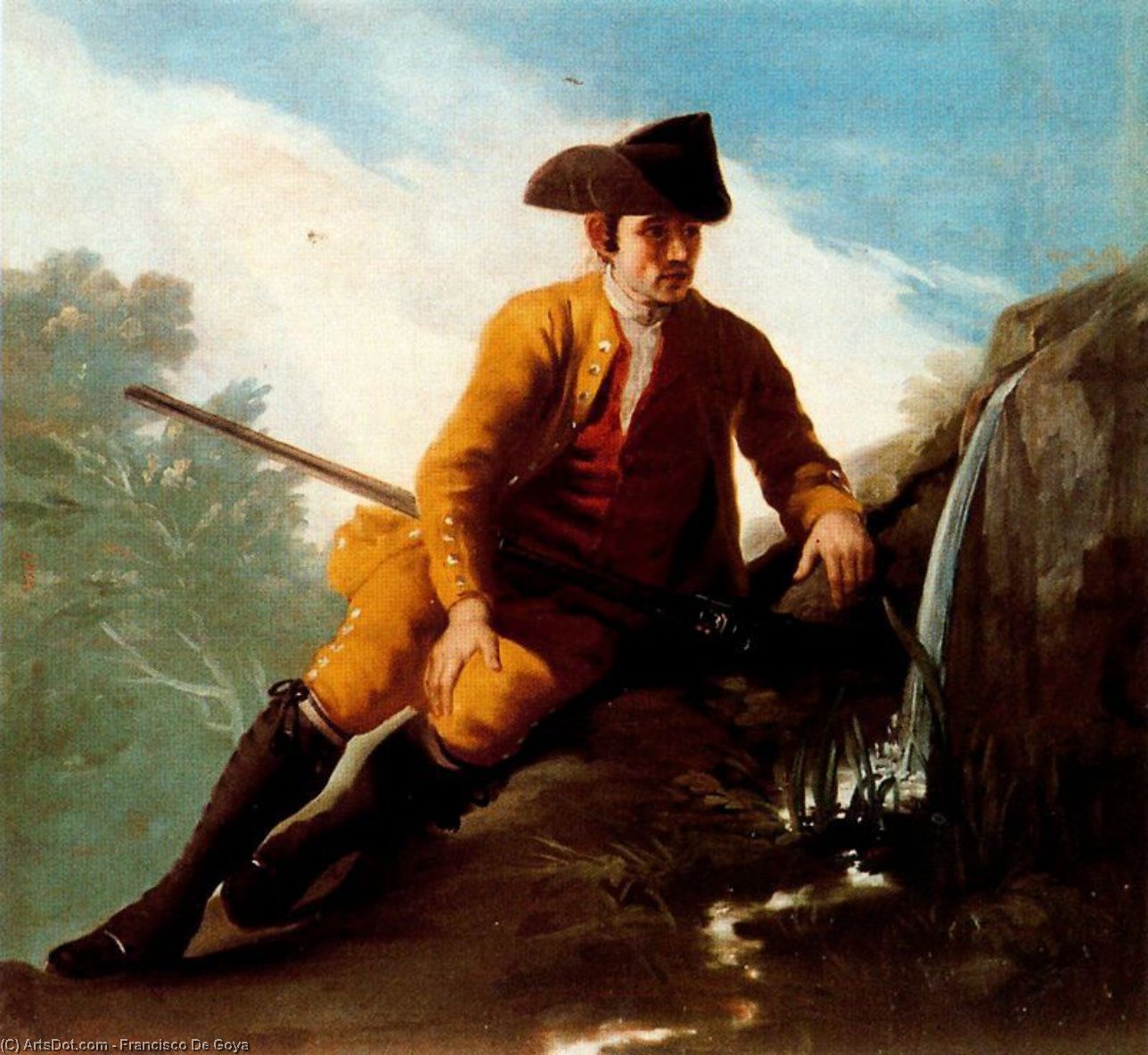
Hunter lying near a spring


 Czytaj więcej
Kup wysokiej rozdzielczości, ulepszony obraz cyfrowy o jakości znacznie przewyższającej podgląd online.
Każdy plik jest starannie przygotowywany przez naszych specjalistów przy użyciu zaawansowanych narzędzi oraz profesjonalnej, ręcznej retuszy. Dbamy o to, aby każdy obraz cechował się wyjątkową ostrością, precyzyjnym odwzorowaniem kolorów i subtelnymi detalami.
Ostateczny plik dostarczany jest drogą mailową w ciągu 72 godzin, zoptymalizowany do natychmiastowego wykorzystania w profesjonalnych zastosowaniach redakcyjnych i poligraficznych. To ta sama jakość, której ufają czołowe studia projektowe, wydawnictwa oraz galerie sztuki.
Obraz cyfrowy
Pobierz plik o wysokiej rozdzielczości do osobistego użytku, druku oraz projektów kreatywnych. ( Przełącz na wersję drukowaną Kup ręcznie malowany obraz)
W każdym zamówieniu na obraz cyfrowy znajduje się
Profesjonalna dostawa cyfrowa z gwarancją
Wybierając OriginalUniqueArt.com, nie otrzymujesz jedynie obrazu – otrzymujesz profesjonalnie udoskonalone cyfrowe dzieło sztuki, stworzone z najwyższą precyzją i objęte gwarancją satysfakcji. Oto wszystko, co automatycznie dołączane jest do Twojego zamówienia:

Błyskawiczna dostawa e-mailowa
Plik z obrazem cyfrowym w wysokiej rozdzielczości zostanie przesłany na Twój adres e-mail w ciągu 72 godzin od złożenia zamówienia – gotowy do natychmiastowego użycia.

Plik cyfrowy ulepszony przez AI
Twoja grafika została profesjonalnie zoptymalizowana przy użyciu zaawansowanych narzędzi AI oraz ręcznej edycji, co zapewnia maksymalną szczegółowość, klarowność i wierność kolorów.

Bezpłatna dożywotnia ponowna dostawa
Przypadkowo usunąłeś lub zgubiłeś swój plik? Bez obaw – prześlemy go Tobie ponownie w dowolnym momencie, bez żadnych opłat.

Bez opłat importowych – zawsze
Ciesz się swoją sztuką natychmiast, bez żadnych opłat celnych, należności ani kosztów dostawy – pliki cyfrowe są zawsze wolne od podatku.

Gwarancja odwzorowania kolorów
Dzięki zastosowaniu profesjonalnych narzędzi i procesów zarządzania barwą zapewniamy, że Twoje cyfrowe zdjęcie odzwierciedla oryginalne kolory tak wiernie, jak to tylko możliwe.

100 dni na satysfakcję
Jeśli nie będziesz zadowolony ze swojego cyfrowego obrazu, poprawimy go lub zwrócimy 100% kosztów w ciągu 100 dni – bez zbędnych pytań.

100% Gwarancja zwrotu pieniędzy
Nie jesteś zadowolony? Otrzymaj pełny zwrot kosztów w ciągu 100 dni od otrzymania pliku cyfrowego – bez zbędnych pytań.

Rabaty przy zamówieniach hurtowych
Kup 3 obrazy, oszczędź 10% - Kup 5, oszczędź 15% - Kup 10+, oszczędź 20%. Idealne do projektów kreatywnych, galerii i agencji.
Hunter Lying Near a Spring: A Romantic Vision by Goya
- Artist: francisco de goya
- Date: Unknown
- Size: Unknown
A Moment of Tranquility in Nature
Francisco de Goya's "Hunter Lying Near a Spring" is a captivating glimpse into the Romantic era, showcasing a scene of serene repose within a vibrant natural setting. The painting depicts a hunter, clad in a distinctive yellow coat, resting beside a cascading waterfall. He isn’t actively engaged in pursuit but rather embodies a state of relaxation and quiet observation, seamlessly blending with the surrounding landscape.
Composition and Artistic Style
Goya's masterful use of oil on canvas allows for rich color saturation and textural depth, bringing the scene to life. The composition prioritizes the natural elements—the waterfall, lush vegetation, and rocky terrain—effectively dwarfing the human figure. This deliberate choice emphasizes the power and beauty of nature while subtly suggesting humanity’s place within it. Goya's brushwork is loose and expressive, characteristic of his later style, contributing to a sense of movement and atmosphere. The lighting, soft and diffused, creates a tranquil mood, evoking a feeling of stillness and peace.
Romanticism and its Themes
"Hunter Lying Near a Spring" exemplifies the core tenets of Romanticism—a movement that prioritized emotion, imagination, and the sublime beauty of nature over the rigid formalism of earlier artistic periods. Unlike Neoclassical art which often focused on historical or mythological narratives, Goya’s work captures a fleeting moment in time, emphasizing individual experience and emotional response to the natural world. The hunter's relaxed posture and contemplative gaze suggest a connection with the environment that transcends mere utility; it speaks to a deeper appreciation for the beauty and tranquility of nature.
Symbolism and Interpretation
Several symbolic elements enrich the painting’s meaning. The hunter, traditionally associated with skill, prowess, and masculinity, is presented not as an active participant but as a passive observer, suggesting a shift in perspective towards introspection and contemplation. His yellow coat provides a striking contrast against the greens and browns of the landscape, drawing attention to his presence while simultaneously integrating him into the scene. The waterfall itself can be interpreted as a symbol of life, renewal, and the constant flow of time. Together, these elements create a layered narrative that invites viewers to contemplate humanity’s relationship with nature and the power of individual experience.
Goya's Legacy and Reproductions
Francisco de Goya (1746-1828) remains one of Spain's most significant artists, renowned for his innovative approach to portraiture, his unflinching depictions of war, and his profound exploration of the human condition. "Hunter Lying Near a Spring" stands as a testament to his artistic versatility and his ability to capture both the beauty and complexity of the world around him. Handmade oil painting reproductions of this masterpiece are available, allowing art enthusiasts to bring Goya's Romantic vision into their own homes or collections.
Biografia artysty
The Spanish Soul: A Life Forged in Shadow and Light
Francisco José de Goya y Lucientes, a name that echoes through the corridors of art history, embodies a profound paradox. He was simultaneously a product of his era – deeply rooted in the traditions of Old Masters – and a visionary who presaged the anxieties and expressive freedom of modern art. Born in 1746 in the unassuming village of Fuendetodos, Spain, Goya’s journey from a provincial artist to court painter, and ultimately, to a chronicler of human suffering and societal decay, stands as a testament to his extraordinary talent and the turbulent period he navigated. His early training commenced at fourteen under José Luzán y Martinez, laying a foundational understanding of classical techniques before he migrated to Madrid and honed his skills under the tutelage of Anton Raphael Mengs, then the dominant artistic force within the Spanish court. This initial phase instilled in him a mastery of form and composition, vividly demonstrated in his early commissions – intricate designs for tapestries depicting lively scenes from everyday life, reflecting a Rococo sensibility tempered by a distinctly Spanish realism. The marriage to Josefa Bayeu, sister to another painter within the royal circle, further solidified his position within the artistic establishment. These initial works, while charming and skillfully executed, offered little indication of the profound emotional depth and unsettling darkness that would characterize much of his later oeuvre.Ascension and Transformation: From Courtly Grace to Inner Turmoil
Goya’s ascent through the ranks of the Spanish court was a steady progression. He secured a position as a painter to the Royal Chamber in 1786, securing a consistent stream of portrait commissions from the aristocracy and royalty. These portraits are remarkable not merely for their technical brilliance – Goya possessed an uncanny ability to capture likeness with unflinching honesty – but also for their astute psychological insight. He didn’t simply paint what his sitters *looked* like; he revealed something of their character, their vulnerabilities, and even the hidden anxieties that lay beneath their carefully constructed facades. The Countess of Chinchón, for example, is not merely a beautiful woman adorned in elegant attire, but a figure radiating intelligence and perhaps a touch of melancholy. However, beneath this veneer of courtly grace, a significant transformation was taking place within Goya. In 1793, a devastating illness left him profoundly deaf, an event that irrevocably altered his perception of the world and consequently, his artistic vision. This affliction plunged him into a period of intense introspection and isolation, severing his connection to the social life he once enjoyed and forcing him inward, towards a darker, more subjective reality. The shift in his artistic style was dramatic – lighter palettes gave way to somber hues, precise lines softened into loose brushstrokes, and scenes of idyllic beauty were replaced by depictions of madness, violence, and the irrational. This period marked the genesis of what would become known as *Los Caprichos*, a series of etchings that served as a biting satire of Spanish society – its follies, superstitions, and moral corruption laid bare with unflinching wit and sharp irony.The Dark Visions: Caprichos, Disasters, and Black Paintings
This period of artistic ferment culminated in some of Goya’s most iconic and unsettling works. *Los Caprichos*, published in 1799, are a scathing critique of Spanish society, populated by grotesque figures and allegorical scenes that expose the nation's flaws. The etchings are both captivating and disturbing, showcasing Goya’s masterful command of printmaking techniques. However, it was *The Disasters of War* (1810-1820), a series of harrowing prints documenting the atrocities committed during the Peninsular War, that truly cemented Goya's reputation as a fearless chronicler of human suffering. These unflinching depictions of violence, starvation, and despair offer no romanticized glorification of war; instead, they present a brutal and uncompromising portrayal of its devastating consequences. Perhaps most profoundly unsettling are *The Black Paintings*, fourteen murals he created directly on the walls of his home, “Quinta del Sordo” (the Deaf Man’s Villa), between 1819 and 1823. These works – including the terrifying *Saturn Devouring His Son* and the haunting *Asmodea* – delve into the darkest recesses of the human psyche, expressing themes of despair, madness, and existential dread with unparalleled intensity. They represent a radical departure from traditional artistic conventions, foreshadowing the expressive power of abstract art.Themes and Techniques
Throughout his career, several recurring themes consistently emerge in Goya’s work. The exploration of human folly and societal corruption is prominent in *Los Caprichos*, while the horrors of war are brutally depicted in *The Disasters of War*. A fascination with darkness, superstition, and the irrational permeates much of his later output, culminating in the unsettling imagery of *The Black Paintings*. Technically, Goya was a master of various mediums. He excelled in portraiture, not only capturing physical likeness but also revealing profound psychological insights. His use of color evolved over time, transitioning from the lighter palettes of his early works to the somber tones of his later paintings and etchings. He demonstrated particular innovation in his printmaking techniques, utilizing aquatint to achieve nuanced tonal variations and dramatic effects.- Etching: Goya’s mastery of etching allowed him to create intricate details and expressive lines.
- Aquatint: This technique enabled him to achieve a range of tones and textures, enhancing the emotional impact of his prints.
- Brushwork: His loose and expressive brushwork, particularly in his later paintings, contributed to their sense of immediacy and emotional intensity.
A Legacy of Innovation and Influence
In 1824, disillusioned by the political turmoil within Spain, Goya sought refuge in Bordeaux, France, where he continued to work until his death in 1828. His final years were marked by a renewed focus on printmaking, culminating in *La Tauromaquia*, a series exploring the spectacle and brutality of bullfighting. Francisco Goya’s legacy is immense and far-reaching. He stands as a pivotal figure in art history, bridging the gap between the Old Masters and the modern movement. His influence can be seen in the works of countless artists who followed – from Édouard Manet and Pablo Picasso to Francis Bacon – all drawn to his expressive brushwork, psychological depth, and willingness to confront uncomfortable truths. He challenged artistic conventions, embraced innovation, and dared to explore the darker aspects of human experience, leaving behind a body of work that continues to resonate with audiences today. Goya wasn’t merely painting pictures; he was holding up a mirror to society, forcing us to confront our own flaws and vulnerabilities, and reminding us of the enduring power – and fragility – of the human spirit.
Francisco de Goya
1746 - 1828 , Hiszpania
Najważniejsze informacje
- Artistic Movement Or Style: Romanticizm
- Artists Or Movements Influenced By This Artist:
- Manet
- Picasso
- Artists Who Influenced This Artist:
- Mengs
- Luzán
- Date Of Birth: 30 marca 1746
- Date Of Death: 16 kwietnia 1828
- Full Name: Francisco José de Goya y Lucientes
- Nationality: Hiszpański
- Notable Artworks:
- Los Caprichos
- Duchy Wojny
- Malowidła Czarne
- Place Of Birth: Fuendetodos, Hiszpania