 Podgląd w skali
 Wyślij jako kartkę
 Udostępnij
 Szczegóły dzieła

 Pobierz
 Podobne obiekty
 RTG
RTG Pokaz slajdów
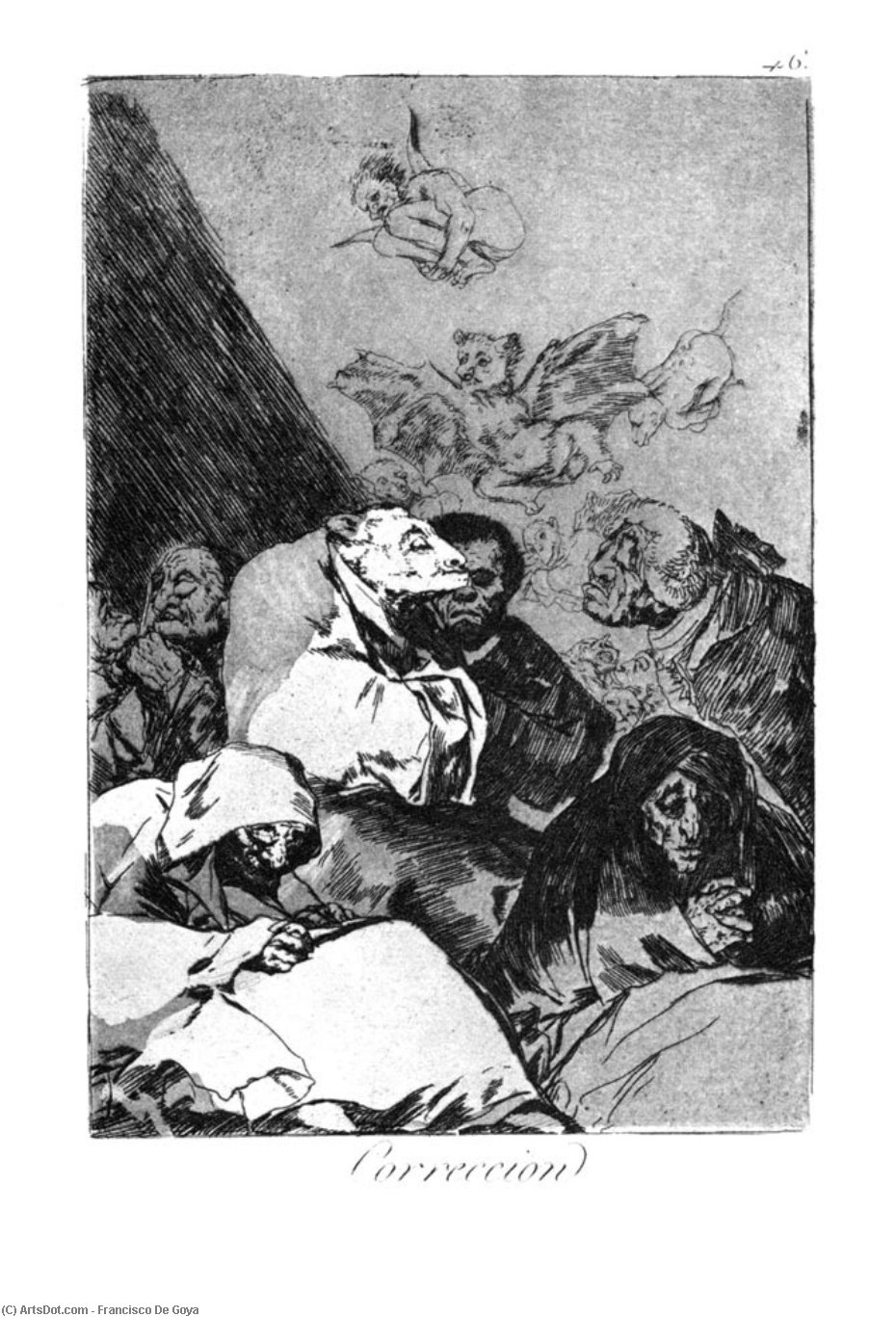
Correction
 Acrylic On Canvas
- WallArt
- Romanticism
 1799
1799 21.0 x 15.0 cm
 Rozwiń treść
Ręcznie malowana reprodukcja olejowa
Ręcznie malowany obraz olejny na płótnie, wykonany na zamówienie przez naszych artystów w wybranym przez Ciebie wymiarze i oprawie. ( Zamów wydruk Kup obraz wysokiej rozdzielczości)




P118B $10

P118H $10

P118W $10

P438Z $10

P508JH $12

P508YH $12

P805H $10

P805Z $10

P919BZ $10

P919G $10

P919XJ $10

P959ZH $10

P968JZ $12

W106C $8

W218G $10

W218JH $8

W218Y $10

W307PJ $10

W316G $10

W316PJ $8

W316Y $10

W398PJ $8

W4111J $10

W500HY $15

W500JH $15

W692G $12

W849H $8

W940BG $15

W953PJ $8




Wybierz spośród naszych standardowych rozmiarów, które zachowują oryginalne proporcje dzieła sztuki.

Możesz wprowadzić własne wymiary, aby dopasować obraz do konkretnej ramy lub przestrzeni. Jeśli wybrany rozmiar nie będzie odpowiadał proporcjom oryginału, przytniecie dzieło sztuki lub rozszerzymy je o dodatkowe elementy, ręcznie domalowane przez artystę. Przed rozpoczęciem produkcji wyślemy projekt cyfrowy do Twojej akceptacji.
Należy pamiętać, że podgląd na ekranie nie odzwierciedla rzeczywistego przycinania ani rozszerzania obrazu. Tylko projekt dokładnie pokaże ostateczną kompozycję.
Choć oferujemy możliwość zamówienia niestandardowych rozmiarów, zalecamy wybór wymiaru z gotowej listy, aby zachować oryginalne proporcje dzieła.
Po złożeniu zamówienia zespół OriginalUniqueArt.com skontaktuje się z klientem drogą mailową w celu uzyskania instrukcji i prześle wizualizację projektu
Dostawa na całym świecie () w ciągu 3–4 tygodni zamiast standardowych 5 tygodni. (18 Sierpień). Bez kompromisów w kwestii jakości.

Bezpłatna ekspresowa wysyłka na cały świat

Wysokiej jakości płótno lniane

Pełne ubezpieczenie przesyłki

Gwarancja zwrotu należności celnych i podatków importowych

Gwarancja wiernego odwzorowania kolorów

Polityka 60-dniowego zwrotu (tylko w przypadku wad)

Gwarancja 100% zwrotu kosztów

Zniżka przy zamówieniu wielu produktów
 Opcja ze szkłem jest dostępna wyłącznie w rozmiarach poniżej 110 cm

Correction
Technika reprodukcji
Wymiary reprodukcji
-


Cena całkowita
$ 425
Opis dzieła
Correccion: A Descent into Darkness by Goya
Francisco José de Goya y Lucientes’s “Correction,” etched in 1799, is more than just a print; it's a visceral confrontation with human cruelty and the unsettling exploration of psychological torment—a hallmark of his mature artistic vision. This monumental work transcends mere visual representation, delving into themes of moral judgment and societal critique within the framework of Romanticism’s preoccupation with emotion and imagination.The etching depicts a disturbing tableau: a man strapped to a wooden chair, subjected to brutal correction by an unseen tormentor wielding instruments of pain. Surrounding him are figures – some impassive observers, others complicit in the act—creating a claustrophobic atmosphere that underscores the vulnerability of the victim and the chilling indifference of those around him. Above this grim scene floats a fantastical assemblage of winged creatures and a cherubic figure, an ironic juxtaposition designed to amplify the artwork’s unsettling core.
Technique and Style: The Language of Darkness
Goya's masterful command of etching technique is evident in every meticulously crafted line. Employing hatching and crosshatching with astonishing precision, he builds up tonal gradations that convey texture and depth—the roughness of the chair, the sheen of perspiration on the victim’s brow, and the ethereal glow of the celestial realm above. The jaggedness and unevenness of the lines contribute to a palpable sense of unease, mirroring the psychological turmoil depicted within the image.- Medium: Etching and Burnished Aquatint on Laid Paper
- Artist: Francisco José de Goya y Lucientes (1746-1828)
- Date: 1799
- Size: 21 x 15 cm
Symbolism and Emotional Resonance
“Correction” operates on multiple levels of symbolic interpretation. The central figure embodies suffering and humiliation, representing humanity’s susceptibility to oppression—a potent commentary on the political climate of Spain during Goya's time. The cherubic figure serves as a jarring counterpoint, embodying divine judgment and highlighting the moral implications of the depicted actions. Ultimately, the artwork evokes feelings of fear, anxiety, and profound discomfort, prompting viewers to contemplate the darker recesses of human nature.Historical Context: Romantic Critique
Goya’s etching emerged during the turbulent years following the Napoleonic Wars, a period marked by social upheaval and intellectual ferment. As a staunch critic of absolutist rule and aristocratic decadence—traits evident in his broader oeuvre—Goya utilized art as a vehicle for exposing injustice and challenging conventional morality. “Correction” stands as a testament to his unwavering commitment to portraying human experience with unflinching honesty, cementing his legacy as one of the most influential artists of the Romantic era.O artyście
The Spanish Soul: A Life Forged in Shadow and Light
Francisco José de Goya y Lucientes, a name that echoes through the corridors of art history, embodies a profound paradox. He was simultaneously a product of his era – deeply rooted in the traditions of Old Masters – and a visionary who presaged the anxieties and expressive freedom of modern art. Born in 1746 in the unassuming village of Fuendetodos, Spain, Goya’s journey from a provincial artist to court painter, and ultimately, to a chronicler of human suffering and societal decay, stands as a testament to his extraordinary talent and the turbulent period he navigated. His early training commenced at fourteen under José Luzán y Martinez, laying a foundational understanding of classical techniques before he migrated to Madrid and honed his skills under the tutelage of Anton Raphael Mengs, then the dominant artistic force within the Spanish court. This initial phase instilled in him a mastery of form and composition, vividly demonstrated in his early commissions – intricate designs for tapestries depicting lively scenes from everyday life, reflecting a Rococo sensibility tempered by a distinctly Spanish realism. The marriage to Josefa Bayeu, sister to another painter within the royal circle, further solidified his position within the artistic establishment. These initial works, while charming and skillfully executed, offered little indication of the profound emotional depth and unsettling darkness that would characterize much of his later oeuvre.Ascension and Transformation: From Courtly Grace to Inner Turmoil
Goya’s ascent through the ranks of the Spanish court was a steady progression. He secured a position as a painter to the Royal Chamber in 1786, securing a consistent stream of portrait commissions from the aristocracy and royalty. These portraits are remarkable not merely for their technical brilliance – Goya possessed an uncanny ability to capture likeness with unflinching honesty – but also for their astute psychological insight. He didn’t simply paint what his sitters *looked* like; he revealed something of their character, their vulnerabilities, and even the hidden anxieties that lay beneath their carefully constructed facades. The Countess of Chinchón, for example, is not merely a beautiful woman adorned in elegant attire, but a figure radiating intelligence and perhaps a touch of melancholy. However, beneath this veneer of courtly grace, a significant transformation was taking place within Goya. In 1793, a devastating illness left him profoundly deaf, an event that irrevocably altered his perception of the world and consequently, his artistic vision. This affliction plunged him into a period of intense introspection and isolation, severing his connection to the social life he once enjoyed and forcing him inward, towards a darker, more subjective reality. The shift in his artistic style was dramatic – lighter palettes gave way to somber hues, precise lines softened into loose brushstrokes, and scenes of idyllic beauty were replaced by depictions of madness, violence, and the irrational. This period marked the genesis of what would become known as *Los Caprichos*, a series of etchings that served as a biting satire of Spanish society – its follies, superstitions, and moral corruption laid bare with unflinching wit and sharp irony.The Dark Visions: Caprichos, Disasters, and Black Paintings
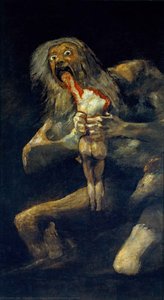
This period of artistic ferment culminated in some of Goya’s most iconic and unsettling works. *Los Caprichos*, published in 1799, are a scathing critique of Spanish society, populated by grotesque figures and allegorical scenes that expose the nation's flaws. The etchings are both captivating and disturbing, showcasing Goya’s masterful command of printmaking techniques. However, it was *The Disasters of War* (1810-1820), a series of harrowing prints documenting the atrocities committed during the Peninsular War, that truly cemented Goya's reputation as a fearless chronicler of human suffering. These unflinching depictions of violence, starvation, and despair offer no romanticized glorification of war; instead, they present a brutal and uncompromising portrayal of its devastating consequences. Perhaps most profoundly unsettling are *The Black Paintings*, fourteen murals he created directly on the walls of his home, “Quinta del Sordo” (the Deaf Man’s Villa), between 1819 and 1823. These works – including the terrifying *Saturn Devouring His Son* and the haunting *Asmodea* – delve into the darkest recesses of the human psyche, expressing themes of despair, madness, and existential dread with unparalleled intensity. They represent a radical departure from traditional artistic conventions, foreshadowing the expressive power of abstract art.Themes and Techniques
Throughout his career, several recurring themes consistently emerge in Goya’s work. The exploration of human folly and societal corruption is prominent in *Los Caprichos*, while the horrors of war are brutally depicted in *The Disasters of War*. A fascination with darkness, superstition, and the irrational permeates much of his later output, culminating in the unsettling imagery of *The Black Paintings*. Technically, Goya was a master of various mediums. He excelled in portraiture, not only capturing physical likeness but also revealing profound psychological insights. His use of color evolved over time, transitioning from the lighter palettes of his early works to the somber tones of his later paintings and etchings. He demonstrated particular innovation in his printmaking techniques, utilizing aquatint to achieve nuanced tonal variations and dramatic effects.- Etching: Goya’s mastery of etching allowed him to create intricate details and expressive lines.
- Aquatint: This technique enabled him to achieve a range of tones and textures, enhancing the emotional impact of his prints.
- Brushwork: His loose and expressive brushwork, particularly in his later paintings, contributed to their sense of immediacy and emotional intensity.
A Legacy of Innovation and Influence
In 1824, disillusioned by the political turmoil within Spain, Goya sought refuge in Bordeaux, France, where he continued to work until his death in 1828. His final years were marked by a renewed focus on printmaking, culminating in *La Tauromaquia*, a series exploring the spectacle and brutality of bullfighting. Francisco Goya’s legacy is immense and far-reaching. He stands as a pivotal figure in art history, bridging the gap between the Old Masters and the modern movement. His influence can be seen in the works of countless artists who followed – from Édouard Manet and Pablo Picasso to Francis Bacon – all drawn to his expressive brushwork, psychological depth, and willingness to confront uncomfortable truths. He challenged artistic conventions, embraced innovation, and dared to explore the darker aspects of human experience, leaving behind a body of work that continues to resonate with audiences today. Goya wasn’t merely painting pictures; he was holding up a mirror to society, forcing us to confront our own flaws and vulnerabilities, and reminding us of the enduring power – and fragility – of the human spirit.
Francisco de Goya
1746 - 1828 , Hiszpania
Krótka nota
- Artistic Movement Or Style: Romanticizm
- Artists Or Movements Influenced By This Artist:
- Manet
- Picasso
- Artists Who Influenced This Artist:
- Mengs
- Luzán
- Date Of Birth: 30 marca 1746
- Date Of Death: 16 kwietnia 1828
- Full Name: Francisco José de Goya y Lucientes
- Nationality: Hiszpański
- Notable Artworks:
- Los Caprichos
- Duchy Wojny
- Malowidła Czarne
- Place Of Birth: Fuendetodos, Hiszpania
Powiązane artykuły

Francisco Goya: 25 Arcydzieł Genialnego Malarza Hiszpańskiego | OriginalUniqueArt.pl
Odkryj 25 arcydzieł Francisco Goyi – od portretów królewskich po dramatyczne 'Czarne Malowidła'. Poznaj historię, technikę i emocje hiszpańskiego mistrza. Reprodukcje obrazów najwyższej jakości na OriginalUniqueArt.com! Eksploruj kolekcję online.
Francisco Goya: Darkness & Enlightenment – A Comprehensive Exploration of the Artist's Life, Works, and Enduring Legacy
Explore the life & works of Francisco Goya, Spain's Romantic master. Discover his evolution from court painter to a visionary chronicler of war and social injustice. A comprehensive guide for art enthusiasts.
10 Legendarnych Rycin, Które Zrewolucjonizowały Sztukę | OriginalUniqueArt
Odkryj 10 legendarnych rycin Rembrandta, Dürera i Goi! Poznaj historię mistrzów grafiki, ich techniki i wpływ na sztukę. Reprodukcje najwyższej jakości – idealne do Twojego wnętrza. OriginalUniqueArt.com

Złoty Wiek Odnowiony: Dramatyczny Realizm i Duchowny Zapał w Sztuce Hiszpańskiego Baroku
Poznaj fascynujący świat baroku hiszpańskiego! Analiza dramatycznego realizmu Velázqueza, Zurbarána i Ribery oraz wpływu kontrreformacji na sztukę. Ekspercka wiedza dla kolekcjonerów i miłośników historii malarstwa.

Rytownictwo artystyczne: Historia, techniki i trwałe dziedzictwo w sztuce
Poznaj historię i techniki grafiki artystycznej – od drzeworytu po litografię. Ekspercka analiza, wpływ na ikonografię i współczesną sztukę. Odkryj trwałe dziedzictwo rytownictwa!