Text size

() ·

A painting made for you, by hand

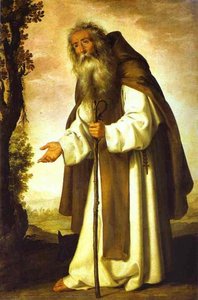
Święty Antoni Padewski

Ręcznie malowana reprodukcja olejowa

Ręcznie malowany obraz olejny na płótnie, wykonany na zamówienie przez naszych artystów w wybranym przez Ciebie wymiarze i oprawie. ( Przełącz na wydania drukowane Przejdź do wersji cyfrowej)

Opis obiektu

Głęboki popis barokowego tenebryzmu ukazuje św. Antoniego Padewskiego tulącego Dzieciątko Jezus w tym emocjonalnym arcydziele Francisco de Zurbarána, zapraszającym do doświadczenia duchowej głębi sztuki hiszpańskiej.

Biografia artysty

Francisco de Zurbarán (1598-1664): Hiszpański malarz epoki baroku, znany z dramatycznego światłocienia i obrazów religijnych. 'Hiszpański Caravaggio' – mistrz kontrasty i duchowości!

from ·

Chapter 1

How large should it be?

Slide to change the size; the picture on the left shows the frame at its real width. The proportions of the original are kept.

Standardowy format
personalizowane
CM
INCH

Wybierz spośród naszych standardowych rozmiarów, które zachowują oryginalne proporcje dzieła sztuki.

szerokość
wysokość

Wpisz wymaganą szerokość i wysokość, aby obraz pasował do Twojej ramy lub ściany. Ponieważ jest to dzieło malowane ręcznie, w przypadku rozmiaru o innych proporcjach artysta może domalować nieco więcej wokół obrazu lub przyciąć jego fragmenty — wybór należy do Ciebie. Przed rozpoczęciem pracy prześlemy Ci cyfrową wizualizację do zatwierdzenia. Obraz widoczny na tej stronie nie przedstawia rzeczywistego efektu — jedynie wizualizacja oddaje realny rezultat.

Chapter 2

How should it arrive?

Choose the edges of the stretched canvas

Choose your frame

Corner sample of the WhiteWrap canvas edge finish, stretched on lite drewno bars
White zł1
Corner sample of the BlurSideWrap canvas edge finish, stretched on lite drewno bars
Blurside zł1
Corner sample of the ExtendedWrap canvas edge finish, stretched on lite drewno bars
Extended zł1
Corner sample of the P118B picture frame: polistyren formowany, 5 cm wide and 3 cm thick
P118B zł10
Corner sample of the P118H picture frame: polistyren formowany, 5 cm wide and 3 cm thick
P118H zł10
Corner sample of the P118W picture frame: polistyren formowany, 5 cm wide and 3 cm thick
P118W zł10
Corner sample of the P438Z picture frame: polistyren formowany, 5.5 cm wide and 3.5 cm thick
P438Z zł10
Corner sample of the P508JH picture frame: polistyren formowany, 7 cm wide and 3.5 cm thick
P508JH zł12
Corner sample of the P508YH picture frame: polistyren formowany, 7 cm wide and 3.5 cm thick
P508YH zł12
Corner sample of the P805H picture frame: polistyren formowany, 5 cm wide and 3.5 cm thick
P805H zł10
Corner sample of the P805Z picture frame: polistyren formowany, 5 cm wide and 3.5 cm thick
P805Z zł10
Corner sample of the P919BZ picture frame: polistyren formowany, 7 cm wide and 3.5 cm thick
P919BZ zł10
Corner sample of the P919G picture frame: polistyren formowany, 7 cm wide and 3.5 cm thick
P919G zł10
Corner sample of the P919XJ picture frame: polistyren formowany, 7 cm wide and 3.5 cm thick
P919XJ zł10
Corner sample of the P959ZH picture frame: polistyren formowany, 5 cm wide and 3 cm thick
P959ZH zł10
Corner sample of the P968JZ picture frame: polistyren formowany, 6 cm wide and 4 cm thick
P968JZ zł12
Corner sample of the W106C picture frame: lite drewno, 5 cm wide and 3 cm thick
W106C zł8
Corner sample of the W218G picture frame: lite drewno, 5 cm wide and 3 cm thick
W218G zł10
Corner sample of the W218JH picture frame: lite drewno, 5 cm wide and 3 cm thick
W218JH zł8
Corner sample of the W218Y picture frame: lite drewno, 5 cm wide and 3 cm thick
W218Y zł10
Corner sample of the W307PJ picture frame: lite drewno, 6 cm wide and 3 cm thick
W307PJ zł10
Corner sample of the W316G picture frame: lite drewno, 6 cm wide and 3 cm thick
W316G zł10
Corner sample of the W316PJ picture frame: lite drewno, 6 cm wide and 3 cm thick
W316PJ zł8
Corner sample of the W316Y picture frame: lite drewno, 6 cm wide and 3 cm thick
W316Y zł10
Corner sample of the W398PJ picture frame: lite drewno, 5 cm wide and 3 cm thick
W398PJ zł8
Corner sample of the W4111J picture frame: lite drewno, 6.5 cm wide and 3.5 cm thick
W4111J zł10
Corner sample of the W500HY picture frame: lite drewno, 7 cm wide and 5 cm thick
W500HY zł15
Corner sample of the W500JH picture frame: lite drewno, 7 cm wide and 5 cm thick
W500JH zł15
Corner sample of the W692G picture frame: lite drewno, 8 cm wide and 4 cm thick
W692G zł12
Corner sample of the W849H picture frame: lite drewno, 5 cm wide and 3 cm thick
W849H zł8
Corner sample of the W940BG picture frame: lite drewno, 7.5 cm wide and 4.5 cm thick
W940BG zł15
Corner sample of the W953PJ picture frame: lite drewno, 6 cm wide and 3.5 cm thick
W953PJ zł8
Corner sample of the H24-GOLD picture frame: rzeźbione drewno pokryte gipsem, 10 cm wide and 6 cm thick
H24-GOLD zł30
Corner sample of the H24-SILVER picture frame: rzeźbione drewno pokryte gipsem, 10 cm wide and 6 cm thick
H24-SILVER zł30
Corner sample of the H36-GOLD picture frame: rzeźbione drewno pokryte gipsem, 15 cm wide and 6.5 cm thick
H36-GOLD zł45
Corner sample of the H36-SILVER picture frame: rzeźbione drewno pokryte gipsem, 15 cm wide and 6.5 cm thick
H36-SILVER zł45

Moulding: . Overall size with the frame: .

Chapter 3

Who paints it, and should anything change?

Examples of what can be changed: Replace face with customer photo; Add pet (e.g., replace cat with dog); Include hidden message in background; Change background landscape or elements.
After order, OriginalUniqueArt.com team will email client for instructions and provide a mockup preview

Dostawa na całym świecie () w ciągu 3–4 tygodni zamiast standardowych 5 tygodni. (2 Listopad). Bez kompromisów w kwestii jakości.

Chapter 4

The finishing touches

A nameplate, as in a museum?

Szczegóły grawerowanej brązowej tabliczki

This elegant plaque features the artist's name and the title of the artwork, finely engraved for a timeless presentation.

It is made from bronze with a refined, elegant finish. The text is precisely laser-engraved for a sharp and permanent result. Measuring 9x2 cm, the plaque is compact yet easy to read. It's built to be durable and scratch-resistant, offering a professional, museum-quality look. Mounting is simple thanks to the included adhesive backing.

Szczegóły przezroczystej tabliczki akrylowej

The plaque includes essential engraved details such as the artist's name, the title of the artwork, the date it was created, the type of media used-like oil on canvas or watercolor-a brief description of the piece, and a QR code that links to the complete artwork information.

It is crafted from clear acrylic, offering a sleek, modern appearance. The text is UV-engraved in black to ensure strong visual contrast. With a size of 10x15 cm, it ensures optimal readability. It comes equipped with two metal hooks for secure wall mounting. The plaque is designed to be weather-resistant, making it suitable for various environments, and it includes interactive features that work seamlessly with smartphone scanning.

Szczegóły czarnej tabliczki akrylowej

This elegant plaque includes engraved information such as the artist's name, the title of the artwork, the date it was created, the type of media used (like oil on canvas or watercolor), a short description of the artwork, and a QR code for quick access to more information.

The plaque itself is made from refined black acrylic with a premium finish. The text is laser-engraved in white for high contrast and readability. Its size is 10x15 cm, designed to be easy to read. It comes with two metal hooks for professional mounting. The design is sleek and fits any interior style. It is also weather-resistant and durable, with built-in digital integration for mobile compatibility.

A protective varnish?

When do you need it?

Chapter 5

Your painting, as you ordered it

Święty Antoni Padewski

Technika reprodukcji

Wymiary reprodukcji

-

Wybitny mistrz artystyczny

Większa szczegółowość, finezja i dodatkowy czas na realizację

-

Opcje oprawy reprodukcji

-

-

W przypadku dzieł sztuki lub reprodukcji, których którykolwiek z boków przekracza 105 cm (około 41 cali), rama zostanie wysłana w formie zestawu do samodzielnego montażu. Metoda ta zapewnia bezpieczną dostawę i zapobiega uszkodzeniom podczas transportu.

Wymagany profesjonalny montaż – nie jest to produkt typu DIY.
Zestaw musi zostać złożony, a płótno naciągnięte przez doświadczonego profesjonalnego ramiarza, przy użyciu kleju do drewna (brak w zestawie), kleszczy do naciągania płótna oraz ścisków, które utrzymają krosna w równej pozycji podczas schnięcia kleju. Nieprawidłowy montaż lub nierównomierne napięcie płótna może trwale uszkodzić dzieło sztuki i nie podlega naszej gwarancji.

  • W zestawie znajdują się wszystkie listwy z litego drewna, precyzyjnie docięte do wymiarów.

  • Montaż odbywa się przy użyciu dołączonych wkrętów oraz kleju do drewna do łączenia narożników, którego zestaw nie zawiera i który musi zostać dostarczony przez ramiarza.

  • Wymagane są profesjonalne narzędzia, których nie ma w zestawie: kleszcze do naciągania płótna (napinacz) oraz zaciski, które pozwolą utrzymać listwy w równej pozycji podczas schnięcia kleju.

Ważne:
Do połączenia narożników niezbędny jest klej do drewna, listwy należy unieruchomić za pomocą ścisków do momentu całkowitego wyschnięcia kleju, a naciągnięcie płótna na złożoną ramę wymaga użycia kleszczy do naciągania płótna. Żaden z tych elementów nie jest dołączony do zestawu. Przed zamówieniem tego rozmiaru zalecamy konsultację z doświadczonym ramiarzem.

Etykieta obiektu

-

-

Lakier ochronny

Lakier z połyskiem (pogłębia kolory, chroni przed światłem i wilgocią)

-

Personalizacja dzieła

Przykłady możliwości personalizacji: zastąp twarz zdjęciem klienta; dodaj zwierzę domowe (np. zamień kota na psa); umieść ukrytą wiadomość w tle; zmień krajobraz lub elementy tła.

-

Ekspresowa

Dostawa na cały świat () w ciągu 3–4 tygodni zamiast standardowych 5 tygodni. (2 Listopad). Bez kompromisów w kwestii jakości.

-

Przesyłka ekspresowa

Dostawa na cały świat () w ciągu 5 tygodni. (9 Listopad).

W cenie

Cena całkowita

zł 1167

Suma całkowita zł 1167

Opcja ze szkłem jest dostępna wyłącznie w rozmiarach poniżej 110 cm

Included with every order

  • Bezpłatna ekspresowa wysyłka na cały świat
  • Wysokiej jakości płótno lniane
  • Pełne ubezpieczenie przesyłki
  • Gwarancja zwrotu należności celnych i podatków importowych
  • Gwarancja wiernego odwzorowania kolorów
  • 100-dniowa polityka zwrotów (tylko w przypadku wad)
  • Gwarancja 100% zwrotu pieniędzy
  • Zniżka przy zakupie wielu sztuk

Boskie spotkanie w cieniu i świetle

Święty Antoni Padewski to nie tylko obraz; to głębokie duchowe doświadczenie uwięzione na płótnie. W tym arcydziele Francisco de Zurbarán zaprasza widza do cichej, świętej przestrzeni, w której granice między tym, co ziemskie, a tym, co boskie, zaczynają się zacierać. Kompozycja koncentruje się na czułej interakcji między świętym a Dzieciątkiem Jezus, ułożonej w stabilną, piramidalną strukturę, która przywołuje poczucie wiecznej trwałości. Gdy wzrok spoczywa na dziele, natychmiast uderza nas intensywny tenebrism—dramatyczna gra głębokich, aksamitnych cieni i przenikliwych promieni światła. Ta technika, będąca znakiem rozpoznawczym hiszpańskiego baroku, robi coś więcej niż tylko tworzy wizualną głębię; służy ona jako metafora podróży duszy przez ciemność ku oświeceniu wiary. Przygaszona paleta ochry, kremów i ziemistych brązów osadza scenę w pokornej, klasztornej rzeczywistości, sprawiając, że nagły blask na twarzy św. Antoniego wydaje się jeszcze bardziej cudowny.

Kunszt oddania

Obserwowanie techniki Zurbarána to bycie świadkiem mistrza u szczytu jego duchowej i technicznej potęgi. Każde pociągnięcie pędzla służy celowi wzmocnienia realizmu i emocjonalnego rezonansu. Tekstura habitu świętego, miękka, delikatna skóra śpiącego Chrystusa oraz subtelna gra światła na naznaczonych czasem rysach św. Antoniego zostały oddane z niemal dotykową precyzją. Ta drobiazgowa dbałość o szczegóły jest charakterystyczna dla hiszpańskiego Złotego Wieku, w którym celem było często sprawienie, by to, co cudowne, wydawało się namacalnie obecne. Pojedyncze źródło światła spływające z góry działa niczym boski reflektor, skupiając naszą uwagę na wzroku świętego skierowanym w dół—spojrzeniu pełnym tak głębokiego współczucia i cichej czci, że wykracza ono poza ramy stuleci. Dla kolekcjonera lub projektanta obraz ten stanowi punkt centralny o ogromnym ciężarze gatunkowym, zdolny zakotwiczyć każde wnętrze swoją spokojną i kontemplacyjną energią.

Dziedzictwo splendoru hiszpańskiego baroku

Zrodzone z religijnego żaru siedemnastowiecznej Hiszpanii, dzieło to odzwierciedla duszę epoki zdefiniowanej przez intensywną pobożność i dramatyczną ekspresję. Zurbarán, często nazywany „hiszpańskim Caravaggiem”, czerpał inspirację z surowych krajobrazów i pełnej oddania atmosfery swojej rodzimej Estremadury. W tym płótnie widzimy kulminację tych wpływów: malarstwo, które unika zbędnych ozdobników na rzecz surowej, emocjonalnej prawdy. Kontekst historyczny kontrreformacji jest tutaj niemal wyczuwalny; sztuka ta miała poruszać serca i pouczać ducha poprzez piękno i realizm. Bez względu na to, czy zostanie zaprezentowana w prywatnej galerii, czy jako centralny element wyrafinowanego wnętrza, ta reprodukcja św. Antoniego Padewskiego przynosi ze sobą cząstkę historii—ponadczasowe świadectwo trwałej mocy miłości, oddania i transformującego światła boskości.

Pytania i odpowiedzi

Czy kolory dzieła „Święty Antoni Padewski” – Francisco de Zurbarán są żywe czy stonowane?

Kolorystyka dzieła "Święty Antoni Padewski" charakteryzuje się nasyceniem na poziomie Przygaszone oraz intensywnością wynoszącą Monochromatyczność.

Do którego okresu twórczości Francisco de Zurbarán należy dzieło „Święty Antoni Padewski”?

„Święty Antoni Padewski” pochodzi z okresu Dojrzały barok w twórczości Francisco de Zurbarán. Klasyfikacja ta wiąże dzieło z rozwojem artysty.

Czy prawa autorskie do „Święty Antoni Padewski” – Francisco de Zurbarán pozwalają na tworzenie reprodukcji?

Status praw autorskich do dzieła „Święty Antoni Padewski” – Francisco de Zurbarán jest jasny: utwór znajduje się w należy do domeny publicznej – autorskie prawa majątkowe wygasły. Jego obecność w Muzeum Prado nie zmienia tego stanu rzeczy.

More about this painting

Podgląd w skali 1:1 Podgląd AR Przełącz na wydania drukowane Przejdź do wersji cyfrowej Wyślij jako kartkę
Szczegóły dzieła Przewodnik Dodaj do ulubionych Pobierz obraz Podobne obiekty RTG Pokaz slajdów Q&A Statystyki

In numbers

  • 1640the year it was painted
  • 29frames to choose from
  • standard sizes, in its own proportions
  • 5weeks to paint and deliver it
Francisco de Zurbarán

Francisco de Zurbarán

1598 - 1664, Hiszpania

Quick facts about Francisco de Zurbarán

  • Artistic Movement Or Style: Barok, Tenebrism
  • Artists Or Movements Influenced By This Artist: ['Caravaggio']
  • Artists Who Influenced This Artist: ['Juan Sánchez Cotán']
  • Date Of Birth: 1598
  • Date Of Death: 1664
  • Full Name: Francisco de Zurbarán
  • Nationality: Hiszpański
  • Notable Artworks:
    • Immaculate Conception
    • Agnus Dei
    • St Francis Receiving Stigmata
  • Place Of Birth: Fuente de Cantos, Hiszpania

Biografia artysty

Early Life and Formation in Extremadura

Francisco de Zurbarán, born in Fuente de Cantos, Extremadura, Spain, in 1598, emerged from a region steeped in religious fervor and rural austerity—qualities that would profoundly shape his artistic vision. Though details of his earliest training remain somewhat elusive, we know he initially apprenticed with the local painter Alejandro de la Mina before moving to Seville to study under Alonso de Najera. It was within Najera’s workshop that Zurbarán began to absorb the burgeoning Baroque style, a dramatic departure from the more restrained artistic traditions of previous generations. Even in these formative years, a remarkable talent for capturing realistic detail and imbuing his subjects with emotional weight became apparent, hinting at the distinctive path he would forge as an artist. The stark landscapes and devout atmosphere of Extremadura instilled within him a sensibility that favored simplicity, solemnity, and a deep engagement with spiritual themes—characteristics that would define his mature work. His father, Luis Zurbarán, was a haberdasher, and his mother, Isabel Marquet, provided a modest upbringing. From a young age, Francisco displayed an aptitude for drawing, imitating objects with charcoal – a skill honed during his childhood in Fuente de Cantos.

The Seville Period: Establishing a Singular Style

By 1614, Zurbarán had established himself in Seville, a vibrant cultural hub and the gateway to Spain’s vast American colonies. He quickly rose to prominence, establishing a successful workshop and attracting numerous commissions, primarily for religious paintings intended for churches, monasteries, and private devotional use. This period witnessed the full flowering of his signature style—a compelling blend of stark realism and intense spirituality. His early works already showcased a masterful command of *tenebrism*, a technique borrowed from Caravaggio that employed dramatic contrasts between light and shadow to create a sense of drama and emphasize the emotional intensity of his subjects. He wasn’t merely replicating what he saw; he was striving to reveal an inner truth, a profound spiritual presence within each figure. The influence of earlier Spanish masters like Juan Sánchez Cotán, known for his austere still lifes and precise realism, is also evident in Zurbarán’s early work, as well as the sculptural traditions prevalent in Seville at the time. His use of light was not merely decorative; it served to highlight the holiness and dignity of his subjects, drawing the viewer's eye to their spiritual essence.

Master of Tenebrism and Religious Devotion

Zurbarán’s artistic prowess lay in his ability to transform religious narratives into powerfully moving visual experiences. He became renowned for his depictions of monks, nuns, martyrs, and saints—figures often portrayed in moments of profound contemplation or suffering. His *Immaculate Conception* (c. 1635), housed in the Museo de Bellas Artes in Bilbao, exemplifies this mastery; the Virgin Mary is depicted with a serene dignity, bathed in ethereal light against a dark background, conveying both purity and divine grace. Similarly, his *Agnus Dei* (c. 1640), now part of the Metropolitan Museum of Art collection, presents a poignant image of Christ as the sacrificial lamb, radiating an aura of solemnity and sacrifice. The *Sudarium of St Veronica*, with its haunting depiction of the veil bearing the imprint of Christ’s face, showcases his exceptional control over tenebrism and emotional depth. He didn't shy away from portraying the physical realities of faith—the austerity of monastic life, the pain of martyrdom—but always infused these scenes with a sense of reverence and spiritual significance. His *St Francis Receiving the Stigmata* demonstrates his ability to depict profound spiritual experiences with remarkable sensitivity and realism. The series of paintings depicting Carthusian monks further exemplifies his skill in portraying austere religious life, capturing their quiet devotion and inner peace.

Royal Patronage and Lasting Legacy

Around 1630, Zurbarán achieved a significant milestone in his career when he became a court painter to Philip IV. This appointment brought him increased recognition and access to royal commissions, further solidifying his reputation as one of Spain’s leading artists. Despite this success, his popularity waned somewhat in later years with the rise of different artistic tastes. The economic hardships facing Spain during the mid-17th century also impacted his ability to secure large-scale projects. Nevertheless, Zurbarán continued to work diligently, adapting his style and exploring new themes. His influence on Spanish Baroque art is undeniable; his dramatic use of chiaroscuro and his focus on religious themes inspired generations of artists. A circle of followers, known as the “Zurbaranistas,” emerged, continuing to push the boundaries of tenebrism and explore the expressive possibilities of light and shadow. Though he passed away in 1664, Francisco de Zurbarán left behind a rich artistic legacy that continues to be celebrated today, securing his place as one of Spain’s most important Baroque painters—a master of religious art whose works continue to resonate with viewers centuries later.
  • Notable Works: Immaculate Conception (c. 1635), Agnus Dei (c. 1640), Sudarium of St Veronica, St Francis Receiving the Stigmata, Paintings of Carthusian Monks.
  • Historical Significance: Zurbarán’s influence on Spanish Baroque is undeniable; his use of chiaroscuro and his focus on religious themes inspired generations of artists.

Najważniejsze informacje

  • Medium: Olej na płótnie
  • Artistic style: Dramatyczny realizm
  • Year: 1640
  • Influences: Barok włoski
  • Movement: Barok
  • Location: Museo Nacional del Prado