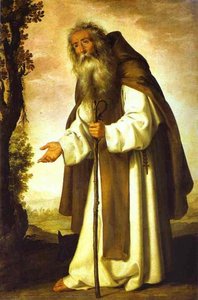
Podgląd w skali 1:1
 Wyślij jako kartkę
 Udostępnij
 Szczegóły dzieła
 Przewodnik

 Pobierz obraz
 Podobne obiekty
 RTG
RTG Pokaz slajdów
 Q&A
Q&A Statystyki
St. Stephen deacon


 Rozwiń treść
Giclée / Wydruk artystyczny
Wydruki giclée lub płótna o jakości muzealnej, szybka realizacja i szeroki wybór opcji wykończenia. ( Zamów ręcznie malowaną reprodukcję Przejdź do wersji cyfrowej)




P118B zł10

P118H zł10

P118W zł10

P438Z zł10

P508JH zł12

P508YH zł12

P805H zł10

P805Z zł10

P919BZ zł10

P919G zł10

P919XJ zł10

P959ZH zł10

P968JZ zł12

W106C zł8

W218G zł10

W218JH zł8

W218Y zł10

W307PJ zł10

W316G zł10

W316PJ zł8

W316Y zł10

W398PJ zł8

W4111J zł10

W500HY zł15

W500JH zł15

W692G zł12

W849H zł8

W940BG zł15

W953PJ zł8




Wybierz spośród naszych standardowych rozmiarów, które zachowują oryginalne proporcje dzieła sztuki.

Wpisz wymaganą szerokość i wysokość, aby dopasować grafikę do ramy lub ściany. Wydruk można jedynie przyciąć, nigdy nie powiększając go poza oryginalny obraz, dlatego format o innych proporcjach spowoduje utratę części kompozycji. Przed rozpoczęciem druku prześlemy Ci cyfrowy podgląd do zatwierdzenia. Obraz wyświetlany na tej stronie nie pokazuje rzeczywistego przycięcia — jedynie podgląd oddaje ten efekt.
Dostawa na cały świat () w ciągu 2 tygodni zamiast standardowych 4/5 tygodni. (29 Październik)

Bezpłatna ekspresowa wysyłka na cały świat

Wysokiej jakości płótno lniane

Pełne ubezpieczenie przesyłki

Gwarancja zwrotu należności celnych i podatków importowych

Gwarancja wiernego odwzorowania kolorów

100-dniowa polityka zwrotów (tylko w przypadku wad)

Gwarancja 100% zwrotu pieniędzy

Zniżka przy zakupie wielu sztuk
 Opcja ze szkłem jest dostępna wyłącznie w rozmiarach poniżej 110 cm

St. Stephen deacon
Giclée / Wydruk artystyczny
Wymiary reprodukcji
-


Cena całkowita
zł 308
A Vision of Devotion: The Soul of St. Stephen Deacon
In the quiet, shadowed corridors of the Spanish Baroque, few images command the viewer's attention with such profound stillness as Francisco de Zurbarán’s St. Stephen Deacon. This is not merely a portrait of a religious figure; it is an invitation into a moment of sacred introspection. Painted around 1600, the work captures a man draped in simple yet striking crimson robes, his gaze fixed upon the observer with an unwavering intensity that feels both haunting and deeply personal. To look upon St. Stephen is to encounter a soul caught in the act of profound contemplation, where the boundaries between the earthly and the divine begin to blur.
The painting serves as a masterclass in tenebrismo, the dramatic technique of extreme light and shadow that defined the era. Zurbarán, often hailed as the "Spanish Caravaggio," utilizes this method to sculpt his subject out of an enveloping, velvety darkness. A singular, luminous light source strikes the face of the deacon, highlighting the rugged textures of his skin and the solemnity of his expression, while simultaneously casting the background into a mysterious void. This deliberate manipulation of light does more than create realism; it directs the viewer’s emotional journey, pulling our eyes away from the periphery and forcing an intimate confrontation with the subject's spiritual weight.
The Texture of Faith and Historical Resonance
Beyond the technical brilliance, the artwork is a rich tapestry of symbolic meaning and historical significance. The choice of crimson for the deacon's robes is far from accidental; in Christian iconography, red often symbolizes the blood of martyrs and the fire of the Holy Spirit, hinting at the sacrificial path of St. and Stephen. Every fold of the fabric, rendered with an almost photographic precision, speaks to Zurbarán’s ability to imbue material objects with spiritual importance. The heavy, tactile quality of the cloth adds a sense of groundedness to the ethereal subject, making the saint feel palpably present in our own world.
This piece emerged from the fervent atmosphere of the Habsburg reign in Spain, a period marked by a powerful Catholic revival. As the Spanish Golden Age flourished, art became a primary vessel for expressing religious piety and moral seriousness. For collectors and lovers of fine art, owning a reproduction of such a work is not just about acquiring a beautiful object; it is about bringing a piece of this historical spiritual renewal into a contemporary space. The painting’s ability to evoke a sense of peace, gravity, and timelessness makes it an extraordinary centerpiece for any curated collection.
An Elegant Addition to the Modern Interior
For the discerning interior designer or art enthusiast, St. Stephen Deacon offers a unique opportunity to introduce drama and depth into a living space. The stark contrast of the tenebrist style provides a sophisticated focal point that complements both classical and modern minimalist aesthetics. In a room characterized by neutral tones or dark, moody palettes, this portrait acts as a window into another era, adding a layer of intellectual and emotional complexity to the decor.
Whether placed in a quiet study, a formal dining room, or a gallery-style hallway, the painting’s presence is transformative. It invites conversation and encourages a slower, more reflective pace of life. A high-quality hand-painted reproduction allows the subtle nuances of Zurbarán’s brushwork—the soft glow on the cheek, the deep shadows in the folds of the robe—to be appreciated daily, ensuring that the profound spiritual intensity of this Spanish masterpiece continues to inspire generations to come.
Pytania i odpowiedzi
Czy mogę zobaczyć obraz „St. Stephen deacon” – Francisco de Zurbarán w widoku rentgenowskim?
"St. Stephen deacon" można badać warstwa po warstwie na stronie Analiza rentgenowska, która oferuje interaktywny podgląd inspirowany stołem świetlnym konserwatora, prezentujący jedenaście optycznych odczytów obrazu.
Ile światła zdają się odbijać kolory dzieła "St. Stephen deacon"?
Kolory dzieła "St. Stephen deacon" charakteryzują się luminancją na poziomie Soft Shadow.
Jaki poziom kontrastu prezentuje „St. Stephen deacon” – Francisco de Zurbarán?
Poziom kontrastu dzieła „St. Stephen deacon” – Francisco de Zurbarán wynosi Balanced.
Biografia artysty
Early Life and Formation in Extremadura
Francisco de Zurbarán, born in Fuente de Cantos, Extremadura, Spain, in 1598, emerged from a region steeped in religious fervor and rural austerity—qualities that would profoundly shape his artistic vision. Though details of his earliest training remain somewhat elusive, we know he initially apprenticed with the local painter Alejandro de la Mina before moving to Seville to study under Alonso de Najera. It was within Najera’s workshop that Zurbarán began to absorb the burgeoning Baroque style, a dramatic departure from the more restrained artistic traditions of previous generations. Even in these formative years, a remarkable talent for capturing realistic detail and imbuing his subjects with emotional weight became apparent, hinting at the distinctive path he would forge as an artist. The stark landscapes and devout atmosphere of Extremadura instilled within him a sensibility that favored simplicity, solemnity, and a deep engagement with spiritual themes—characteristics that would define his mature work. His father, Luis Zurbarán, was a haberdasher, and his mother, Isabel Marquet, provided a modest upbringing. From a young age, Francisco displayed an aptitude for drawing, imitating objects with charcoal – a skill honed during his childhood in Fuente de Cantos.The Seville Period: Establishing a Singular Style
By 1614, Zurbarán had established himself in Seville, a vibrant cultural hub and the gateway to Spain’s vast American colonies. He quickly rose to prominence, establishing a successful workshop and attracting numerous commissions, primarily for religious paintings intended for churches, monasteries, and private devotional use. This period witnessed the full flowering of his signature style—a compelling blend of stark realism and intense spirituality. His early works already showcased a masterful command of *tenebrism*, a technique borrowed from Caravaggio that employed dramatic contrasts between light and shadow to create a sense of drama and emphasize the emotional intensity of his subjects. He wasn’t merely replicating what he saw; he was striving to reveal an inner truth, a profound spiritual presence within each figure. The influence of earlier Spanish masters like Juan Sánchez Cotán, known for his austere still lifes and precise realism, is also evident in Zurbarán’s early work, as well as the sculptural traditions prevalent in Seville at the time. His use of light was not merely decorative; it served to highlight the holiness and dignity of his subjects, drawing the viewer's eye to their spiritual essence.Master of Tenebrism and Religious Devotion
Zurbarán’s artistic prowess lay in his ability to transform religious narratives into powerfully moving visual experiences. He became renowned for his depictions of monks, nuns, martyrs, and saints—figures often portrayed in moments of profound contemplation or suffering. His *Immaculate Conception* (c. 1635), housed in the Museo de Bellas Artes in Bilbao, exemplifies this mastery; the Virgin Mary is depicted with a serene dignity, bathed in ethereal light against a dark background, conveying both purity and divine grace. Similarly, his *Agnus Dei* (c. 1640), now part of the Metropolitan Museum of Art collection, presents a poignant image of Christ as the sacrificial lamb, radiating an aura of solemnity and sacrifice. The *Sudarium of St Veronica*, with its haunting depiction of the veil bearing the imprint of Christ’s face, showcases his exceptional control over tenebrism and emotional depth. He didn't shy away from portraying the physical realities of faith—the austerity of monastic life, the pain of martyrdom—but always infused these scenes with a sense of reverence and spiritual significance. His *St Francis Receiving the Stigmata* demonstrates his ability to depict profound spiritual experiences with remarkable sensitivity and realism. The series of paintings depicting Carthusian monks further exemplifies his skill in portraying austere religious life, capturing their quiet devotion and inner peace.Royal Patronage and Lasting Legacy
Around 1630, Zurbarán achieved a significant milestone in his career when he became a court painter to Philip IV. This appointment brought him increased recognition and access to royal commissions, further solidifying his reputation as one of Spain’s leading artists. Despite this success, his popularity waned somewhat in later years with the rise of different artistic tastes. The economic hardships facing Spain during the mid-17th century also impacted his ability to secure large-scale projects. Nevertheless, Zurbarán continued to work diligently, adapting his style and exploring new themes. His influence on Spanish Baroque art is undeniable; his dramatic use of chiaroscuro and his focus on religious themes inspired generations of artists. A circle of followers, known as the “Zurbaranistas,” emerged, continuing to push the boundaries of tenebrism and explore the expressive possibilities of light and shadow. Though he passed away in 1664, Francisco de Zurbarán left behind a rich artistic legacy that continues to be celebrated today, securing his place as one of Spain’s most important Baroque painters—a master of religious art whose works continue to resonate with viewers centuries later.- Notable Works: Immaculate Conception (c. 1635), Agnus Dei (c. 1640), Sudarium of St Veronica, St Francis Receiving the Stigmata, Paintings of Carthusian Monks.
- Historical Significance: Zurbarán’s influence on Spanish Baroque is undeniable; his use of chiaroscuro and his focus on religious themes inspired generations of artists.

Francisco de Zurbarán
1598 - 1664 , Hiszpania
Krótka nota
- Artistic Movement Or Style: Barok, Tenebrism
- Artists Or Movements Influenced By This Artist: ['Caravaggio']
- Artists Who Influenced This Artist: ['Juan Sánchez Cotán']
- Date Of Birth: 1598
- Date Of Death: 1664
- Full Name: Francisco de Zurbarán
- Nationality: Hiszpański
- Notable Artworks:
- Immaculate Conception
- Agnus Dei
- St Francis Receiving Stigmata
- Place Of Birth: Fuente de Cantos, Hiszpania
Powiązane artykuły

Dramatyczny Rozkwit Baroku: Dziedzictwo Sztuki Kontrreformacji i Mistrzowie Chiaroscuro
Odkryj dramatyczny świat baroku! Poznaj historię sztuki kontrreformacji, mistrzów chiaroscuro i weneckich arcydzieł. Reprodukcje najwyższej jakości na OriginalUniqueArt.com.

Barokowe arcydzieła: 10 obrazów, które zdefiniowały epokę | OriginalUniqueArt.com
Odkryj 10 arcydzieł baroku! Caravaggio, Rembrandt, Rubens i inni artyści, którzy zdefiniowali epokę. Poznaj historie, techniki i inspiracje tych niezwykłych obrazów. Reprodukcje najwyższej jakości na OriginalUniqueArt.com – idealne do Twojego wnętrza!

Teatralność i triumf: Dramat baroku w malarstwie i rzeźbie – od kontrreformacji do ekspresji emocji
Odkryj dramat i przepych sztuki baroku! Analiza malarstwa i rzeźby, wpływ kontrreformacji, kluczowi artyści oraz filozofia vanitas. Ekspercka wiedza dla miłośników historii sztuki.

Złoty Wiek Odnowiony: Dramatyczny Realizm i Duchowny Zapał w Sztuce Hiszpańskiego Baroku
Poznaj fascynujący świat baroku hiszpańskiego! Analiza dramatycznego realizmu Velázqueza, Zurbarána i Ribery oraz wpływu kontrreformacji na sztukę. Ekspercka wiedza dla kolekcjonerów i miłośników historii malarstwa.
Dramatyzm i mistycyzm w sztuce baroku: władza, wiara i emocje na płótnie
Odkryj dramatyzm i mistycyzm w sztuce baroku! Analiza dzieł Caravaggia, Rembrandta i Rubensa. Poznaj wpływ kontrreformacji na malarstwo epoki. Reprodukcje najwyższej jakości – OriginalUniqueArt.