

 Zobacz w skali 1:1
 Wyślij
 Udostępnij
 Szczegóły

 Pobierz plik obrazu
 Podobne obiekty
 RTG
RTG Pokaz slajdów
 Statystyki
St. Francis
 Acrylic On Canvas
- WallArt
- Baroque Painting
 1645
1645 197.0 x 106.0 cm
 Musée des Beaux-Arts de Lyon
 Czytaj więcej
Ręcznie malowana reprodukcja olejowa
Ręcznie malowany obraz olejny na płótnie, wykonany na zamówienie przez naszych artystów w wybranym przez Ciebie wymiarze i oprawie. ( Przełącz na wersję drukowaną Przełącz na wersję cyfrową)




P118B $10

P118H $10

P118W $10

P438Z $10

P508JH $12

P508YH $12

P805H $10

P805Z $10

P919BZ $10

P919G $10

P919XJ $10

P959ZH $10

P968JZ $12

W106C $8

W218G $10

W218JH $8

W218Y $10

W307PJ $10

W316G $10

W316PJ $8

W316Y $10

W398PJ $8

W4111J $10

W500HY $15

W500JH $15

W692G $12

W849H $8

W940BG $15

W953PJ $8




Wybierz spośród naszych standardowych rozmiarów, które zachowują oryginalne proporcje dzieła sztuki.

Możesz wprowadzić własne wymiary, aby dopasować obraz do konkretnej ramy lub przestrzeni. Jeśli wybrany rozmiar nie będzie odpowiadał proporcjom oryginału, przytniecie dzieło sztuki lub rozszerzymy je o dodatkowe elementy, ręcznie domalowane przez artystę. Przed rozpoczęciem produkcji wyślemy projekt cyfrowy do Twojej akceptacji.
Należy pamiętać, że podgląd na ekranie nie odzwierciedla rzeczywistego przycinania ani rozszerzania obrazu. Tylko projekt dokładnie pokaże ostateczną kompozycję.
Choć oferujemy możliwość zamówienia niestandardowych rozmiarów, zalecamy wybór wymiaru z gotowej listy, aby zachować oryginalne proporcje dzieła.
Po złożeniu zamówienia zespół OriginalUniqueArt.com skontaktuje się z klientem drogą mailową w celu uzyskania instrukcji i prześle wizualizację projektu
Dostawa na całym świecie () w ciągu 3–4 tygodni zamiast standardowych 5 tygodni. (17 Wrzesień). Bez kompromisów w kwestii jakości.

Bezpłatna ekspresowa wysyłka na cały świat

Wysokiej jakości płótno lniane

Pełne ubezpieczenie transportowe

Gwarancja zwrotu należności celnych i podatków importowych

Gwarancja idealnego odwzorowania barw

100-dniowy okres na zwrot dzieła w przypadku wykrycia wad produkcyjnych

Gwarancja 100% zwrotu pieniędzy

Oferta przy zakupie wielu sztuk
 Opcja ze szkłem jest dostępna wyłącznie w rozmiarach poniżej 110 cm

St. Francis
Technika wykonania
Rozmiar reprodukcji
-


Suma do zapłaty
$ 300
A Moment of Serenity: Francisco Zurbarán’s St. Francis
Francisco de Zurbarán's "St. Francis" – a captivating black and white photograph capturing the essence of a 1645 oil painting – offers a profound glimpse into the heart of the Spanish Baroque era. This isn’t merely a portrait; it’s an embodiment of spiritual devotion, rendered with a meticulous realism that draws the viewer into the very soul of the saint. The image, measuring 197 x 106 cm, possesses a remarkable stillness, achieved through Zurbarán's masterful control of light and shadow – a technique he honed during his formative years in the austere landscapes of Extremadura.
The painting depicts St. Francis of Assisi, the founder of the Franciscan order, presented with an almost unnerving directness. He stands before a simple wall, his posture conveying both humility and profound contemplation. His long beard, rendered with painstaking detail, speaks to his age and wisdom, while his hands clasped together are a gesture of prayer, radiating a quiet strength. The muted tones of the robe – primarily browns and greys – contribute to the overall sense of solemnity, emphasizing the saint’s detachment from worldly concerns and his unwavering focus on God.
The Baroque Master at Work: Technique and Style
Zurbarán was a key figure in the development of Spanish Baroque painting, known for his dramatic use of *tenebrism* – a technique characterized by stark contrasts between light and dark. This is powerfully evident here; the saint is bathed in a luminous glow, while the surrounding areas remain shrouded in shadow. This deliberate manipulation of light not only creates a sense of depth and volume but also serves to heighten the emotional impact of the scene, drawing attention to St. Francis as the central figure of devotion. His brushstrokes are remarkably controlled, almost sculptural in their precision, reflecting his deep understanding of anatomy and form. The textures – from the rough fabric of the robe to the subtle details of the saint’s face – are rendered with astonishing accuracy, demonstrating Zurbarán's commitment to realism.
The photograph itself captures this meticulous detail beautifully, highlighting the artist’s dedication to portraying not just a likeness but also an inner state. The black and white conversion amplifies the textures and shadows, intensifying the painting’s inherent drama and emphasizing the spiritual weight of the subject matter. It's as if Zurbarán has stripped away all unnecessary ornamentation, leaving only the essential elements of faith and devotion.
Symbolism and Spiritual Significance
Beyond its technical brilliance, “St. Francis” is rich in symbolic meaning. The simple wall before which he stands represents the world from which he renounced earthly possessions and pleasures to dedicate his life to God. His posture – hands clasped together – is a universal gesture of prayer and supplication, inviting contemplation on faith and humility. St. Francis’s presence embodies the Franciscan ideals of poverty, charity, and service to others—values that resonated deeply within 17th-century Spain.
Furthermore, the painting's setting, reminiscent of a monastic cell, reinforces the saint’s life as one of seclusion and devotion. It speaks to a time when religious imagery played a crucial role in shaping spiritual experience, offering viewers a tangible connection to the divine. The austerity of the scene mirrors the saint’s own ascetic lifestyle, emphasizing the importance of inner transformation over outward displays of wealth or power.
A Timeless Reflection: Reproduction and Artistic Legacy
OriginalUniqueArt offers exquisite hand-painted reproductions of “St. Francis,” allowing art lovers to experience the profound beauty and spiritual depth of this iconic work in their own homes. These meticulously crafted reproductions capture not only the visual details but also the emotional essence of Zurbarán’s masterpiece, ensuring that its timeless message continues to resonate with audiences today. Whether you are a collector seeking an authentic piece of art history or an interior designer aiming to create a space of serenity and contemplation, a reproduction of “St. Francis” is a powerful addition to any collection – a testament to the enduring legacy of one of Spain’s greatest Baroque painters.
Biografia artysty
Early Life and Formation in Extremadura
Francisco de Zurbarán, born in Fuente de Cantos, Extremadura, Spain, in 1598, emerged from a region steeped in religious fervor and rural austerity—qualities that would profoundly shape his artistic vision. Though details of his earliest training remain somewhat elusive, we know he initially apprenticed with the local painter Alejandro de la Mina before moving to Seville to study under Alonso de Najera. It was within Najera’s workshop that Zurbarán began to absorb the burgeoning Baroque style, a dramatic departure from the more restrained artistic traditions of previous generations. Even in these formative years, a remarkable talent for capturing realistic detail and imbuing his subjects with emotional weight became apparent, hinting at the distinctive path he would forge as an artist. The stark landscapes and devout atmosphere of Extremadura instilled within him a sensibility that favored simplicity, solemnity, and a deep engagement with spiritual themes—characteristics that would define his mature work. His father, Luis Zurbarán, was a haberdasher, and his mother, Isabel Marquet, provided a modest upbringing. From a young age, Francisco displayed an aptitude for drawing, imitating objects with charcoal – a skill honed during his childhood in Fuente de Cantos.The Seville Period: Establishing a Singular Style
By 1614, Zurbarán had established himself in Seville, a vibrant cultural hub and the gateway to Spain’s vast American colonies. He quickly rose to prominence, establishing a successful workshop and attracting numerous commissions, primarily for religious paintings intended for churches, monasteries, and private devotional use. This period witnessed the full flowering of his signature style—a compelling blend of stark realism and intense spirituality. His early works already showcased a masterful command of *tenebrism*, a technique borrowed from Caravaggio that employed dramatic contrasts between light and shadow to create a sense of drama and emphasize the emotional intensity of his subjects. He wasn’t merely replicating what he saw; he was striving to reveal an inner truth, a profound spiritual presence within each figure. The influence of earlier Spanish masters like Juan Sánchez Cotán, known for his austere still lifes and precise realism, is also evident in Zurbarán’s early work, as well as the sculptural traditions prevalent in Seville at the time. His use of light was not merely decorative; it served to highlight the holiness and dignity of his subjects, drawing the viewer's eye to their spiritual essence.Master of Tenebrism and Religious Devotion
Zurbarán’s artistic prowess lay in his ability to transform religious narratives into powerfully moving visual experiences. He became renowned for his depictions of monks, nuns, martyrs, and saints—figures often portrayed in moments of profound contemplation or suffering. His *Immaculate Conception* (c. 1635), housed in the Museo de Bellas Artes in Bilbao, exemplifies this mastery; the Virgin Mary is depicted with a serene dignity, bathed in ethereal light against a dark background, conveying both purity and divine grace. Similarly, his *Agnus Dei* (c. 1640), now part of the Metropolitan Museum of Art collection, presents a poignant image of Christ as the sacrificial lamb, radiating an aura of solemnity and sacrifice. The *Sudarium of St Veronica*, with its haunting depiction of the veil bearing the imprint of Christ’s face, showcases his exceptional control over tenebrism and emotional depth. He didn't shy away from portraying the physical realities of faith—the austerity of monastic life, the pain of martyrdom—but always infused these scenes with a sense of reverence and spiritual significance. His *St Francis Receiving the Stigmata* demonstrates his ability to depict profound spiritual experiences with remarkable sensitivity and realism. The series of paintings depicting Carthusian monks further exemplifies his skill in portraying austere religious life, capturing their quiet devotion and inner peace.Royal Patronage and Lasting Legacy
Around 1630, Zurbarán achieved a significant milestone in his career when he became a court painter to Philip IV. This appointment brought him increased recognition and access to royal commissions, further solidifying his reputation as one of Spain’s leading artists. Despite this success, his popularity waned somewhat in later years with the rise of different artistic tastes. The economic hardships facing Spain during the mid-17th century also impacted his ability to secure large-scale projects. Nevertheless, Zurbarán continued to work diligently, adapting his style and exploring new themes. His influence on Spanish Baroque art is undeniable; his dramatic use of chiaroscuro and his focus on religious themes inspired generations of artists. A circle of followers, known as the “Zurbaranistas,” emerged, continuing to push the boundaries of tenebrism and explore the expressive possibilities of light and shadow. Though he passed away in 1664, Francisco de Zurbarán left behind a rich artistic legacy that continues to be celebrated today, securing his place as one of Spain’s most important Baroque painters—a master of religious art whose works continue to resonate with viewers centuries later.- Notable Works: Immaculate Conception (c. 1635), Agnus Dei (c. 1640), Sudarium of St Veronica, St Francis Receiving the Stigmata, Paintings of Carthusian Monks.
- Historical Significance: Zurbarán’s influence on Spanish Baroque is undeniable; his use of chiaroscuro and his focus on religious themes inspired generations of artists.

Francisco de Zurbarán
1598 - 1664 , Hiszpania
Najważniejsze informacje
- Artistic Movement Or Style: Barok, Tenebrism
- Artists Or Movements Influenced By This Artist: ['Caravaggio']
- Artists Who Influenced This Artist: ['Juan Sánchez Cotán']
- Date Of Birth: 1598
- Date Of Death: 1664
- Full Name: Francisco de Zurbarán
- Nationality: Hiszpański
- Notable Artworks:
- Immaculate Conception
- Agnus Dei
- St Francis Receiving Stigmata
- Place Of Birth: Fuente de Cantos, Hiszpania
Zobacz także powiązane artykuły
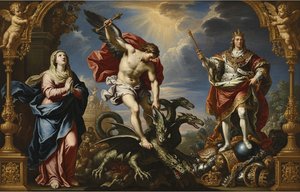
Dramatyzm i mistycyzm w sztuce baroku: władza, wiara i emocje na płótnie
Odkryj dramatyzm i mistycyzm w sztuce baroku! Analiza dzieł Caravaggia, Rembrandta i Rubensa. Poznaj wpływ kontrreformacji na malarstwo epoki. Reprodukcje najwyższej jakości – OriginalUniqueArt.

Francisco de Zurbarán: Mysticism, Realism & the Golden Age of Spanish Painting
Explore the captivating world of Francisco de Zurbarán, a master of Spanish Baroque painting. Discover his dramatic tenebrism, religious masterpieces like 'La Porciúncula,' and lasting influence on art history.
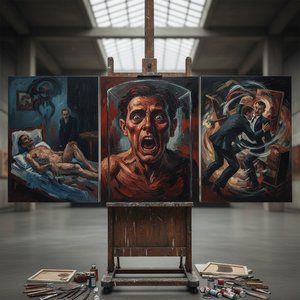
Francis Bacon: 25 Arcydzieł Ekspresjonizmu i Wnętrza Pełne Emocji | OriginalUniqueArt.com
Poznaj 25 najbardziej znanych obrazów Francis Bacona – arcydzieł ekspresjonizmu pełnych emocji i dramatyzmu. Odkryj historię, technikę i wpływ tego wybitnego artysty. Reprodukcje najwyższej jakości na OriginalUniqueArt.com! Eksploruj kolekcję online.

Dramatyczny Rozkwit Baroku: Dziedzictwo Sztuki Kontrreformacji i Mistrzowie Chiaroscuro
Odkryj dramatyczny świat baroku! Poznaj historię sztuki kontrreformacji, mistrzów chiaroscuro i weneckich arcydzieł. Reprodukcje najwyższej jakości na OriginalUniqueArt.com.

Złoty Wiek Odnowiony: Dramatyczny Realizm i Duchowny Zapał w Sztuce Hiszpańskiego Baroku
Poznaj fascynujący świat baroku hiszpańskiego! Analiza dramatycznego realizmu Velázqueza, Zurbarána i Ribery oraz wpływu kontrreformacji na sztukę. Ekspercka wiedza dla kolekcjonerów i miłośników historii malarstwa.


