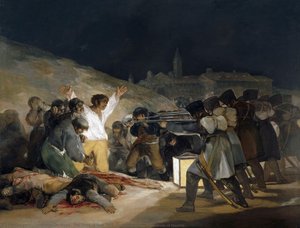
Podgląd w skali 1:1
 Wyślij jako kartkę
 Udostępnij
 Szczegóły dzieła
 Przewodnik

 Pobierz obraz
 Podobne obiekty
 RTG
RTG Pokaz slajdów
 Pytania i odpowiedzi
 Statystyki
Pogrzeb Chrystusa

- 130.0 x 95.0 cm


 Rozwiń treść
Giclée / Wydruk artystyczny
Wydruki giclée lub płótna o jakości muzealnej, szybka realizacja i szeroki wybór opcji wykończenia. ( Zamów ręcznie malowaną reprodukcję Przejdź do wersji cyfrowej)




P118B zł10

P118H zł10

P118W zł10

P438Z zł10

P508JH zł12

P508YH zł12

P805H zł10

P805Z zł10

P919BZ zł10

P919G zł10

P919XJ zł10

P959ZH zł10

P968JZ zł12

W106C zł8

W218G zł10

W218JH zł8

W218Y zł10

W307PJ zł10

W316G zł10

W316PJ zł8

W316Y zł10

W398PJ zł8

W4111J zł10

W500HY zł15

W500JH zł15

W692G zł12

W849H zł8

W940BG zł15

W953PJ zł8




Wybierz spośród naszych standardowych rozmiarów, które zachowują oryginalne proporcje dzieła sztuki.

Wpisz wymaganą szerokość i wysokość, aby dopasować grafikę do ramy lub ściany. Wydruk można jedynie przyciąć, nigdy nie powiększając go poza oryginalny obraz, dlatego format o innych proporcjach spowoduje utratę części kompozycji. Przed rozpoczęciem druku prześlemy Ci cyfrowy podgląd do zatwierdzenia. Obraz wyświetlany na tej stronie nie pokazuje rzeczywistego przycięcia — jedynie podgląd oddaje ten efekt.
Dostawa na cały świat () w ciągu 2 tygodni zamiast standardowych 4/5 tygodni. (5 Listopad)

Bezpłatna ekspresowa wysyłka na cały świat

Wysokiej jakości płótno lniane

Pełne ubezpieczenie przesyłki

Gwarancja zwrotu należności celnych i podatków importowych

Gwarancja wiernego odwzorowania kolorów

100-dniowa polityka zwrotów (tylko w przypadku wad)

Gwarancja 100% zwrotu pieniędzy

Zniżka przy zakupie wielu sztuk
 Opcja ze szkłem jest dostępna wyłącznie w rozmiarach poniżej 110 cm

Pogrzeb Chrystusa
Giclée / Wydruk artystyczny
Wymiary reprodukcji
-


Cena całkowita
zł 317
Francisco Goya’s *The Burial of Christ*: A Moment of Profound Sorrow
Francisco de Goya's *The Burial of Christ*, painted in 1772, isn’t merely a depiction of a biblical scene; it’s an intensely personal and profoundly moving exploration of grief, loss, and the very nature of human suffering. This oil-on-canvas work, measuring just over a meter by seventy-five centimeters, represents a pivotal moment in Goya's artistic development – a transition from the polished elegance of his early court commissions to the raw emotionality that would define his later, more turbulent Romantic period. The painting captures the immediate aftermath of Christ’s crucifixion, not with triumphant resurrection imagery, but with an overwhelming sense of sorrow and vulnerability, drawing the viewer directly into the heart of this sacred yet devastating event.
Goya masterfully employs a technique known as *chiaroscuro*, creating a dramatic interplay between light and shadow that sculpts the figures and amplifies their emotional impact. A soft, golden light washes over the faces of those mourning – soldiers, angels, and onlookers – illuminating their anguish with heartbreaking clarity. This stark contrast is juxtaposed against the enveloping darkness of the background, symbolizing not just the physical absence of Christ but also the profound despair and spiritual void that permeates the scene. The composition itself—a tightly clustered group arranged in a near-circular formation—creates an intimate atmosphere, inviting us to share in their collective grief as if we were witnesses to this poignant moment.
A Bridge Between Baroque Drama and Emerging Romanticism
Technically, *The Burial of Christ* showcases Goya’s burgeoning mastery. While influenced by the dramatic intensity of the Baroque period – particularly evident in the dynamic poses and theatrical lighting – he subtly diverges from traditional conventions. His brushwork is noticeably bolder than that of his contemporaries, abandoning the smooth, idealized surfaces favored by Neoclassical artists for a more expressive and textured approach. This deliberate roughness contributes to the painting’s visceral quality, conveying a sense of immediacy and urgency rarely found in earlier works. Goya isn't simply replicating a scene; he’s channeling raw emotion onto the canvas, foreshadowing the emotional honesty that would become his signature.
Symbolism Laden with Meaning
The painting is rich in symbolic elements, each contributing to its overall message of loss and redemption. The draped cloth covering Christ's body is a potent symbol of mortality – a stark reminder of human vulnerability and the inevitability of death. Yet, it’s not solely an image of despair; the presence of angels, depicted with ethereal grace and sorrowful expressions, suggests divine intervention and the promise of resurrection. These celestial figures aren’t offering comfort or reassurance, but rather bearing witness to humanity's suffering, highlighting the profound mystery at the heart of faith. The varied faces among the mourners—soldiers, laborers, and even angels—reflect the universality of grief, suggesting that sorrow knows no social boundaries.
Historical Context: A Spain on the Brink
Painted during a period of significant artistic transition in Spain, *The Burial of Christ* reflects Goya’s growing disillusionment with the political and social realities of his time. The late 18th century was marked by instability, war, and rising tensions between the monarchy and the people. This painting can be interpreted as a commentary on the suffering endured by the Spanish populace under oppressive rule. It's important to note that this work predates the tumultuous events of the Napoleonic Wars, yet it anticipates the darker themes that would dominate Goya’s later works, particularly his *Disasters of War* series. The painting stands as a testament to Goya’s ability to capture not just historical events but also the underlying emotional currents shaping Spanish society.
A Reproduction for Reflection and Beauty
OriginalUniqueArt offers meticulously crafted hand-painted reproductions of *The Burial of Christ*, allowing you to experience the power and beauty of this iconic masterpiece in your own home. Each reproduction is created by skilled artists who painstakingly recreate Goya’s technique, capturing the dramatic chiaroscuro, expressive brushwork, and profound emotional depth of the original. Whether displayed as a statement piece or a contemplative addition to your interior design, this reproduction serves as a poignant reminder of humanity's shared experience of sorrow, loss, and hope – a timeless work of art that continues to resonate with viewers centuries after its creation.
Pytania i odpowiedzi
Ile lat miał Francisco de Goya, gdy powstało dzieło „Pogrzeb Chrystusa”?
Francisco de Goya miał 26 lat w momencie powstania „Pogrzeb Chrystusa” w 1772. Wiek ten obliczono na podstawie roku urodzenia artysty, 1746.
Czy dzieło „Pogrzeb Chrystusa” – Francisco de Goya jest jasne czy ciemne?
Pod względem postrzeganej jasności, „Pogrzeb Chrystusa” – Francisco de Goya jest głęboki cień.
Jaka jest technika i wymiary oryginału „Pogrzeb Chrystusa” – Francisco de Goya?
Technika wykonania dzieła „Pogrzeb Chrystusa” – Francisco de Goya to Olej na płótnie, a jego wymiary to 130 x 95 cm.
Biografia artysty
The Spanish Soul: A Life Forged in Shadow and Light
Francisco José de Goya y Lucientes, a name that echoes through the corridors of art history, embodies a profound paradox. He was simultaneously a product of his era – deeply rooted in the traditions of Old Masters – and a visionary who presaged the anxieties and expressive freedom of modern art. Born in 1746 in the unassuming village of Fuendetodos, Spain, Goya’s journey from a provincial artist to court painter, and ultimately, to a chronicler of human suffering and societal decay, stands as a testament to his extraordinary talent and the turbulent period he navigated. His early training commenced at fourteen under José Luzán y Martinez, laying a foundational understanding of classical techniques before he migrated to Madrid and honed his skills under the tutelage of Anton Raphael Mengs, then the dominant artistic force within the Spanish court. This initial phase instilled in him a mastery of form and composition, vividly demonstrated in his early commissions – intricate designs for tapestries depicting lively scenes from everyday life, reflecting a Rococo sensibility tempered by a distinctly Spanish realism. The marriage to Josefa Bayeu, sister to another painter within the royal circle, further solidified his position within the artistic establishment. These initial works, while charming and skillfully executed, offered little indication of the profound emotional depth and unsettling darkness that would characterize much of his later oeuvre.Ascension and Transformation: From Courtly Grace to Inner Turmoil
Goya’s ascent through the ranks of the Spanish court was a steady progression. He secured a position as a painter to the Royal Chamber in 1786, securing a consistent stream of portrait commissions from the aristocracy and royalty. These portraits are remarkable not merely for their technical brilliance – Goya possessed an uncanny ability to capture likeness with unflinching honesty – but also for their astute psychological insight. He didn’t simply paint what his sitters *looked* like; he revealed something of their character, their vulnerabilities, and even the hidden anxieties that lay beneath their carefully constructed facades. The Countess of Chinchón, for example, is not merely a beautiful woman adorned in elegant attire, but a figure radiating intelligence and perhaps a touch of melancholy. However, beneath this veneer of courtly grace, a significant transformation was taking place within Goya. In 1793, a devastating illness left him profoundly deaf, an event that irrevocably altered his perception of the world and consequently, his artistic vision. This affliction plunged him into a period of intense introspection and isolation, severing his connection to the social life he once enjoyed and forcing him inward, towards a darker, more subjective reality. The shift in his artistic style was dramatic – lighter palettes gave way to somber hues, precise lines softened into loose brushstrokes, and scenes of idyllic beauty were replaced by depictions of madness, violence, and the irrational. This period marked the genesis of what would become known as *Los Caprichos*, a series of etchings that served as a biting satire of Spanish society – its follies, superstitions, and moral corruption laid bare with unflinching wit and sharp irony.The Dark Visions: Caprichos, Disasters, and Black Paintings
This period of artistic ferment culminated in some of Goya’s most iconic and unsettling works. *Los Caprichos*, published in 1799, are a scathing critique of Spanish society, populated by grotesque figures and allegorical scenes that expose the nation's flaws. The etchings are both captivating and disturbing, showcasing Goya’s masterful command of printmaking techniques. However, it was *The Disasters of War* (1810-1820), a series of harrowing prints documenting the atrocities committed during the Peninsular War, that truly cemented Goya's reputation as a fearless chronicler of human suffering. These unflinching depictions of violence, starvation, and despair offer no romanticized glorification of war; instead, they present a brutal and uncompromising portrayal of its devastating consequences. Perhaps most profoundly unsettling are *The Black Paintings*, fourteen murals he created directly on the walls of his home, “Quinta del Sordo” (the Deaf Man’s Villa), between 1819 and 1823. These works – including the terrifying *Saturn Devouring His Son* and the haunting *Asmodea* – delve into the darkest recesses of the human psyche, expressing themes of despair, madness, and existential dread with unparalleled intensity. They represent a radical departure from traditional artistic conventions, foreshadowing the expressive power of abstract art.Themes and Techniques
Throughout his career, several recurring themes consistently emerge in Goya’s work. The exploration of human folly and societal corruption is prominent in *Los Caprichos*, while the horrors of war are brutally depicted in *The Disasters of War*. A fascination with darkness, superstition, and the irrational permeates much of his later output, culminating in the unsettling imagery of *The Black Paintings*. Technically, Goya was a master of various mediums. He excelled in portraiture, not only capturing physical likeness but also revealing profound psychological insights. His use of color evolved over time, transitioning from the lighter palettes of his early works to the somber tones of his later paintings and etchings. He demonstrated particular innovation in his printmaking techniques, utilizing aquatint to achieve nuanced tonal variations and dramatic effects.- Etching: Goya’s mastery of etching allowed him to create intricate details and expressive lines.
- Aquatint: This technique enabled him to achieve a range of tones and textures, enhancing the emotional impact of his prints.
- Brushwork: His loose and expressive brushwork, particularly in his later paintings, contributed to their sense of immediacy and emotional intensity.
A Legacy of Innovation and Influence
In 1824, disillusioned by the political turmoil within Spain, Goya sought refuge in Bordeaux, France, where he continued to work until his death in 1828. His final years were marked by a renewed focus on printmaking, culminating in *La Tauromaquia*, a series exploring the spectacle and brutality of bullfighting. Francisco Goya’s legacy is immense and far-reaching. He stands as a pivotal figure in art history, bridging the gap between the Old Masters and the modern movement. His influence can be seen in the works of countless artists who followed – from Édouard Manet and Pablo Picasso to Francis Bacon – all drawn to his expressive brushwork, psychological depth, and willingness to confront uncomfortable truths. He challenged artistic conventions, embraced innovation, and dared to explore the darker aspects of human experience, leaving behind a body of work that continues to resonate with audiences today. Goya wasn’t merely painting pictures; he was holding up a mirror to society, forcing us to confront our own flaws and vulnerabilities, and reminding us of the enduring power – and fragility – of the human spirit.
Francisco de Goya
1746 - 1828 , Hiszpania
Krótka nota
- Artistic Movement Or Style: Romanticizm
- Artists Or Movements Influenced By This Artist:
- Manet
- Picasso
- Artists Who Influenced This Artist:
- Mengs
- Luzán
- Date Of Birth: 30 marca 1746
- Date Of Death: 16 kwietnia 1828
- Full Name: Francisco José de Goya y Lucientes
- Nationality: Hiszpański
- Notable Artworks:
- Los Caprichos
- Duchy Wojny
- Malowidła Czarne
- Place Of Birth: Fuendetodos, Hiszpania
Powiązane artykuły
10 Arcydzieł Romantyzmu, które Zdefiniowały Epokę | OriginalUniqueArt.pl
Odkryj 10 arcydzieł romantyzmu! Poznaj historie Delacroixa, Friedricha i Goyi. Malarstwo pełne emocji, pejzaże i portrety definiujące epokę. Reprodukcje obrazów najwyższej jakości na OriginalUniqueArt.com – inspiracje do wnętrz i sztuka dla Ciebie.

Francisco Goya: 25 Arcydzieł Genialnego Malarza Hiszpańskiego | OriginalUniqueArt.pl
Odkryj 25 arcydzieł Francisco Goyi – od portretów królewskich po dramatyczne 'Czarne Malowidła'. Poznaj historię, technikę i emocje hiszpańskiego mistrza. Reprodukcje obrazów najwyższej jakości na OriginalUniqueArt.com! Eksploruj kolekcję online.
Francisco Goya: Darkness & Enlightenment – A Comprehensive Exploration of the Artist's Life, Works, and Enduring Legacy
Explore the life & works of Francisco Goya, Spain's Romantic master. Discover his evolution from court painter to a visionary chronicler of war and social injustice. A comprehensive guide for art enthusiasts.

Romantic Realism's Finest: 10 Masterpieces for Your Home | OriginalUniqueArt
Explore 10 defining masterpieces of Romantic Realism! Discover Courbet, Millet & Daumier's powerful paintings—capturing emotion and social realities. Find museum-quality reproductions for your home at OriginalUniqueArt.com.

Mastering the Shadows: A Journey Through the Chiaroscuro and Soul of Iconic Spanish Painting
Embark on a sophisticated exploration of Spanish art history, from the chiaroscuro mastery of Velázquez to the profound shadows of Goya. Discover how the dramatic light and emotional depth of Spain's greatest masters continue to inspire collectors and connoisseurs today.