

 Zobacz w skali 1:1
 Wyślij
 Udostępnij
 Szczegóły
 Przewodnik

 Pobierz plik obrazu
 Podobne obiekty
 RTG
RTG Pokaz slajdów
 Statystyki
A Farmyard
 Mannerism
 1681
1681 254.0 x 346.0 cm
 National Trust
 Czytaj więcej
Ręcznie malowana reprodukcja olejowa
Ręcznie malowany obraz olejny na płótnie, wykonany na zamówienie przez naszych artystów w wybranym przez Ciebie wymiarze i oprawie. ( Przełącz na wersję drukowaną Przełącz na wersję cyfrową)




































Wybierz spośród naszych standardowych rozmiarów, które zachowują oryginalne proporcje dzieła sztuki.

Wpisz wymaganą szerokość i wysokość, aby obraz pasował do Twojej ramy lub ściany. Ponieważ jest to dzieło malowane ręcznie, w przypadku rozmiaru o innym proporcji artysta może domalować nieco więcej wokół obrazu lub przyciąć fragmenty — wybór należy do Ciebie. Przed rozpoczęciem pracy prześlemy Ci cyfrową wizualizację do zatwierdzenia. Obraz widoczny na tej stronie nie przedstawia rzeczywistego efektu — jedynie wizualizacja oddaje realny rezultat.
Po złożeniu zamówienia zespół OriginalUniqueArt.com skontaktuje się z klientem drogą mailową w celu uzyskania instrukcji i prześle wizualizację projektu
Dostawa na całym świecie () w ciągu 3–4 tygodni zamiast standardowych 5 tygodni. (23 Październik). Bez kompromisów w kwestii jakości.

Bezpłatna ekspresowa wysyłka na cały świat

Wysokiej jakości płótno lniane

Pełne ubezpieczenie transportowe

Gwarancja zwrotu należności celnych i podatków importowych

Gwarancja idealnego odwzorowania barw

100-dniowy okres na zwrot dzieła w przypadku wykrycia wad produkcyjnych

Gwarancja 100% zwrotu pieniędzy

Oferta przy zakupie wielu sztuk
 Opcja ze szkłem jest dostępna wyłącznie w rozmiarach poniżej 110 cm

A Farmyard
Technika wykonania
Rozmiar reprodukcji
-


Suma do zapłaty
zł 1155
Biografia artysty
The Pioneer of the English Wild: The Life and Legacy of Francis Barlow
In the vibrant, often turbulent landscape of 17th-century England, few figures possessed the versatility and observational prowess of Francis Barlow. Born in Lincolnshire around 1626, Barlow emerged as a polymath of the visual arts—a painter, etcher, illustrator, and satirist whose work bridged the gap between scientific naturalism and popular storytelling. Often revered as the "Father of British Sporting Painting," his influence stretched far beyond the mere depiction of animals; he captured the very soul of the English countryside and the shifting political tides of his era. Though history occasionally overlooked his immense contributions, Barlow’s ability to infuse anatomical precision with narrative drama established a foundation for generations of British artists, most notably the legendary George Stubbs.
Barlow's artistic journey was marked by an extraordinary breadth of subject matter. He was not merely a chronicler of nature but a master of many disciplines, ranging from natural history and hunting scenes to political caricature and decorative design. His early career saw him making significant strides in book illustration, most notably through his twelve-plate work for Edward Benlowe's Theophila in 1652. This period of intense productivity showcased his skill as a printmaker, a talent that would later lead to collaborations with esteemed engravers like Wenceslaus Hollar. Whether he was etching woodcuts for Aesop’s Fables or painting the delicate textures of a bird's plumage, Barlow possessed an "exactness in the portrayal of birds, fishes, and animals" that earned him profound respect among his contemporaries.
A Visionary of Narrative and Satire
Beyond the tranquil scenes of wildlife, Barlow holds a unique place in the annals of art history as one of the world's first professional cartoonists. In 1682, he produced A True Narrative of the Horrid Hellish Popish Plot, a work that stands as a landmark in the evolution of sequential art. By utilizing illustrated sequences paired with text and—most revolutionary for his time—the use of speech balloons to allow characters to communicate, Barlow pioneered a technique that would eventually become the bedrock of modern comics. This satirical edge allowed him to navigate the complex sociopolitical atmosphere of Restoration England, using his pen to comment on the scandals and conspiracies that gripped the nation.
His work often functioned on multiple levels, offering both literal beauty and deep symbolic resonance. While a viewer might be captivated by the technical mastery of a hunting scene or the serene atmosphere of a farmyard, Barlow frequently embedded rich metaphors within his compositions. These subtle layers allowed his art to speak to the English populace's moods and political anxieties. His ability to blend the scientific observation of a naturalist with the biting wit of a satirist made him a singular voice in an age of profound transition.
The Final Chapter and Enduring Influence
Despite his prolific output and the high regard in which he was held by peers, Barlow’s later years were shadowed by hardship. The very versatility that defined his career did not shield him from financial instability; historical records, including those by Joseph Strutt, suggest that he died in 1704 in much-needed poverty. It is a poignant irony that an artist who so vividly captured the abundance of life and the excitement of the hunt should conclude his journey in such indigent circumstances.
Yet, the legacy of Francis Barlow remains undiminished by the struggles of his final days. His contributions to British art are foundational, leaving behind a trail of innovation that can be seen in:
- The Birth of Sporting Art: Establishing the tradition of depicting hunting, fishing, and wildlife with anatomical accuracy and atmospheric depth.
- Printmaking Excellence: Elevating the status of book illustration and etching through detailed, high-quality engravings.
- Sequential Storytelling: Laying the early groundwork for the comic strip through his innovative use of speech balloons and narrative panels.
- Natural History Illustration: Providing a vital visual record of fauna that influenced both the scientific and artistic communities of the 17th and 18th centuries.
Today, when we look upon works such as Three Hares or his evocative animal studies, we see more than just historical artifacts; we see the eyes of a man who truly understood the wildness of the world and the complexity of the human spirit.
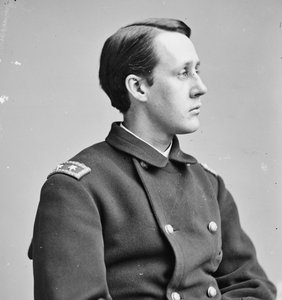
Francis Barlow
1624 - 1704 , United Kingdom
Najważniejsze informacje
- Full Name: Francis Barlow
- Nationality: English
- Date Of Birth: 1624
- Date Of Death: 1704
- Place Of Birth: Lincoln, United Kingdom
- Notable Artworks:
- Three Hares
- A Farmyard
- A Cassowary
- Theophila illustrations
- Artistic Movement Or Style: Natural history, hunting, and satire
- Artists Who Influenced This Artist: ['William Sheppard']
- Artists Or Movements Influenced By This Artist:
- George Stubbs
- British sporting painting
Zobacz także powiązane artykuły
Zwierzęta w Sztuce: Wprowadzanie Życia do Twojej Przestrzeni
Odkryj fascynujący świat zwierząt w sztuce! Poznaj symbolikę, historię i współczesne interpretacje. Znajdź idealny obraz ze zwierzęciem do swojego wnętrza z .

From Selfie to Studio Masterpiece: Transform Your Photos into Stunning AI-Driven Anime Art with OriginalUniqueArt
Step into the spotlight with OriginalUniqueArt's AI-driven transformation. Turn your photos into stunning, hand-painted anime oil masterpieces. Experience the perfect fusion of cutting-edge technology and museum-grade craftsmanship to create a timeless pop-culture legacy for your home.

Beyond the Screen: Transforming Personal Memories into Timeless AI-Driven Anime Masterpieces
Experience the magic of digital metamorphosis. Transform your cherished photos into stunning, hand-painted anime masterpieces using our proprietary AI technology and professional artists. Elevate your personal story with a timeless, high-quality oil painting on canvas.

Trwała Spuścizna Malarstwa Olejnego: Technika, Historia i Estetyczny Wpływ
Poznaj historię i technikę malarstwa olejnego! Eksperckie artykuły o konserwacji, renowacji oraz współczesnych zastosowaniach. Dowiedz się więcej o mistrzach i trwałości obrazów olejnych.
Beastly Brushstrokes: A Historical Journey Through Animal Painting & Aesthetic Movements
Explore the rich history of animal painting across cultures & movements. Discover iconic artists, symbolism, collecting trends & expert art consultation at OriginalUniqueArt.com.