() ·

A painting made for you, by hand

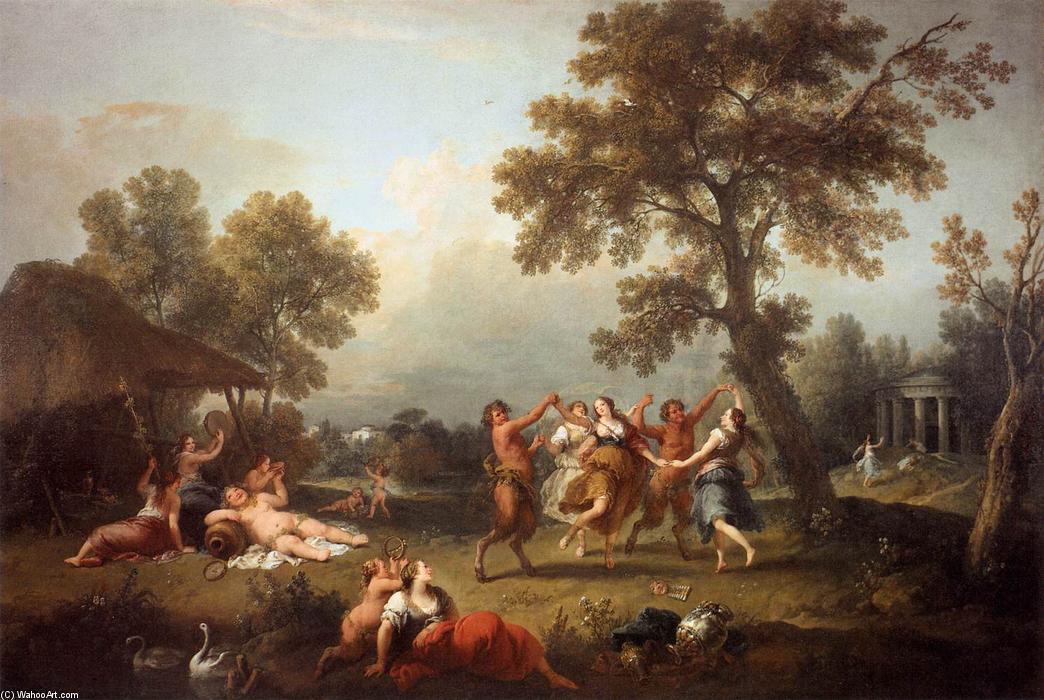
Bacchanal

Ręcznie malowana reprodukcja olejowa

Ręcznie malowany obraz olejny na płótnie, wykonany na zamówienie przez naszych artystów w wybranym przez Ciebie wymiarze i oprawie. ( Przełącz na wydania drukowane Przejdź do wersji cyfrowej)

Opis obiektu

Experience the joyous Rococo elegance of Francesco Zuccarelli’s Bacchanal, a vibrant oil masterpiece capturing an idyllic pastoral celebration that invites you to bring timeless Venetian charm into your private collection.

Biografia artysty

Odkryj sielankowe krajobrazy Francesco Zuccarelliego (1702-1788), włoskiego mistrza rokoka, znanego z arkadyjskich scen i weneckiego uroku.

from ·

Chapter 1

How large should it be?

Slide to change the size; the picture on the left shows the frame at its real width. The proportions of the original are kept.

Standardowy format
personalizowane
CM
INCH

Wybierz spośród naszych standardowych rozmiarów, które zachowują oryginalne proporcje dzieła sztuki.

szerokość
wysokość

Wpisz wymaganą szerokość i wysokość, aby obraz pasował do Twojej ramy lub ściany. Ponieważ jest to dzieło malowane ręcznie, w przypadku rozmiaru o innych proporcjach artysta może domalować nieco więcej wokół obrazu lub przyciąć jego fragmenty — wybór należy do Ciebie. Przed rozpoczęciem pracy prześlemy Ci cyfrową wizualizację do zatwierdzenia. Obraz widoczny na tej stronie nie przedstawia rzeczywistego efektu — jedynie wizualizacja oddaje realny rezultat.

Chapter 2

How should it arrive?

Choose the edges of the stretched canvas

Choose your frame

Corner sample of the WhiteWrap canvas edge finish, stretched on lite drewno bars
White zł1
Corner sample of the BlurSideWrap canvas edge finish, stretched on lite drewno bars
Blurside zł1
Corner sample of the ExtendedWrap canvas edge finish, stretched on lite drewno bars
Extended zł1
Corner sample of the P118B picture frame: polistyren formowany, 5 cm wide and 3 cm thick
P118B zł10
Corner sample of the P118H picture frame: polistyren formowany, 5 cm wide and 3 cm thick
P118H zł10
Corner sample of the P118W picture frame: polistyren formowany, 5 cm wide and 3 cm thick
P118W zł10
Corner sample of the P438Z picture frame: polistyren formowany, 5.5 cm wide and 3.5 cm thick
P438Z zł10
Corner sample of the P508JH picture frame: polistyren formowany, 7 cm wide and 3.5 cm thick
P508JH zł12
Corner sample of the P508YH picture frame: polistyren formowany, 7 cm wide and 3.5 cm thick
P508YH zł12
Corner sample of the P805H picture frame: polistyren formowany, 5 cm wide and 3.5 cm thick
P805H zł10
Corner sample of the P805Z picture frame: polistyren formowany, 5 cm wide and 3.5 cm thick
P805Z zł10
Corner sample of the P919BZ picture frame: polistyren formowany, 7 cm wide and 3.5 cm thick
P919BZ zł10
Corner sample of the P919G picture frame: polistyren formowany, 7 cm wide and 3.5 cm thick
P919G zł10
Corner sample of the P919XJ picture frame: polistyren formowany, 7 cm wide and 3.5 cm thick
P919XJ zł10
Corner sample of the P959ZH picture frame: polistyren formowany, 5 cm wide and 3 cm thick
P959ZH zł10
Corner sample of the P968JZ picture frame: polistyren formowany, 6 cm wide and 4 cm thick
P968JZ zł12
Corner sample of the W106C picture frame: lite drewno, 5 cm wide and 3 cm thick
W106C zł8
Corner sample of the W218G picture frame: lite drewno, 5 cm wide and 3 cm thick
W218G zł10
Corner sample of the W218JH picture frame: lite drewno, 5 cm wide and 3 cm thick
W218JH zł8
Corner sample of the W218Y picture frame: lite drewno, 5 cm wide and 3 cm thick
W218Y zł10
Corner sample of the W307PJ picture frame: lite drewno, 6 cm wide and 3 cm thick
W307PJ zł10
Corner sample of the W316G picture frame: lite drewno, 6 cm wide and 3 cm thick
W316G zł10
Corner sample of the W316PJ picture frame: lite drewno, 6 cm wide and 3 cm thick
W316PJ zł8
Corner sample of the W316Y picture frame: lite drewno, 6 cm wide and 3 cm thick
W316Y zł10
Corner sample of the W398PJ picture frame: lite drewno, 5 cm wide and 3 cm thick
W398PJ zł8
Corner sample of the W4111J picture frame: lite drewno, 6.5 cm wide and 3.5 cm thick
W4111J zł10
Corner sample of the W500HY picture frame: lite drewno, 7 cm wide and 5 cm thick
W500HY zł15
Corner sample of the W500JH picture frame: lite drewno, 7 cm wide and 5 cm thick
W500JH zł15
Corner sample of the W692G picture frame: lite drewno, 8 cm wide and 4 cm thick
W692G zł12
Corner sample of the W849H picture frame: lite drewno, 5 cm wide and 3 cm thick
W849H zł8
Corner sample of the W940BG picture frame: lite drewno, 7.5 cm wide and 4.5 cm thick
W940BG zł15
Corner sample of the W953PJ picture frame: lite drewno, 6 cm wide and 3.5 cm thick
W953PJ zł8
Corner sample of the H24-GOLD picture frame: rzeźbione drewno pokryte gipsem, 10 cm wide and 6 cm thick
H24-GOLD zł30
Corner sample of the H24-SILVER picture frame: rzeźbione drewno pokryte gipsem, 10 cm wide and 6 cm thick
H24-SILVER zł30
Corner sample of the H36-GOLD picture frame: rzeźbione drewno pokryte gipsem, 15 cm wide and 6.5 cm thick
H36-GOLD zł45
Corner sample of the H36-SILVER picture frame: rzeźbione drewno pokryte gipsem, 15 cm wide and 6.5 cm thick
H36-SILVER zł45

Moulding: . Overall size with the frame: .

Chapter 3

Who paints it, and should anything change?

Examples of what can be changed: Replace face with customer photo; Add pet (e.g., replace cat with dog); Include hidden message in background; Change background landscape or elements.
After order, OriginalUniqueArt.com team will email client for instructions and provide a mockup preview

Dostawa na całym świecie () w ciągu 3–4 tygodni zamiast standardowych 5 tygodni. (31 Październik). Bez kompromisów w kwestii jakości.

Chapter 4

The finishing touches

A nameplate, as in a museum?

Szczegóły grawerowanej brązowej tabliczki

This elegant plaque features the artist's name and the title of the artwork, finely engraved for a timeless presentation.

It is made from bronze with a refined, elegant finish. The text is precisely laser-engraved for a sharp and permanent result. Measuring 9x2 cm, the plaque is compact yet easy to read. It's built to be durable and scratch-resistant, offering a professional, museum-quality look. Mounting is simple thanks to the included adhesive backing.

Szczegóły przezroczystej tabliczki akrylowej

The plaque includes essential engraved details such as the artist's name, the title of the artwork, the date it was created, the type of media used-like oil on canvas or watercolor-a brief description of the piece, and a QR code that links to the complete artwork information.

It is crafted from clear acrylic, offering a sleek, modern appearance. The text is UV-engraved in black to ensure strong visual contrast. With a size of 10x15 cm, it ensures optimal readability. It comes equipped with two metal hooks for secure wall mounting. The plaque is designed to be weather-resistant, making it suitable for various environments, and it includes interactive features that work seamlessly with smartphone scanning.

Szczegóły czarnej tabliczki akrylowej

This elegant plaque includes engraved information such as the artist's name, the title of the artwork, the date it was created, the type of media used (like oil on canvas or watercolor), a short description of the artwork, and a QR code for quick access to more information.

The plaque itself is made from refined black acrylic with a premium finish. The text is laser-engraved in white for high contrast and readability. Its size is 10x15 cm, designed to be easy to read. It comes with two metal hooks for professional mounting. The design is sleek and fits any interior style. It is also weather-resistant and durable, with built-in digital integration for mobile compatibility.

A protective varnish?

When do you need it?

Chapter 5

Your painting, as you ordered it

Bacchanal

Technika reprodukcji

Wymiary reprodukcji

-

Wybitny mistrz artystyczny

Większa szczegółowość, finezja i dodatkowy czas na realizację

-

Opcje oprawy reprodukcji

-

-

W przypadku dzieł sztuki lub reprodukcji, których którykolwiek z boków przekracza 105 cm (około 41 cali), rama zostanie wysłana w formie zestawu do samodzielnego montażu. Metoda ta zapewnia bezpieczną dostawę i zapobiega uszkodzeniom podczas transportu.

Wymagany profesjonalny montaż – nie jest to produkt typu DIY.
Zestaw musi zostać złożony, a płótno naciągnięte przez doświadczonego profesjonalnego ramiarza, przy użyciu kleju do drewna (brak w zestawie), kleszczy do naciągania płótna oraz ścisków, które utrzymają krosna w równej pozycji podczas schnięcia kleju. Nieprawidłowy montaż lub nierównomierne napięcie płótna może trwale uszkodzić dzieło sztuki i nie podlega naszej gwarancji.

  • W zestawie znajdują się wszystkie listwy z litego drewna, precyzyjnie docięte do wymiarów.

  • Montaż odbywa się przy użyciu dołączonych wkrętów oraz kleju do drewna do łączenia narożników, którego zestaw nie zawiera i który musi zostać dostarczony przez ramiarza.

  • Wymagane są profesjonalne narzędzia, których nie ma w zestawie: kleszcze do naciągania płótna (napinacz) oraz zaciski, które pozwolą utrzymać listwy w równej pozycji podczas schnięcia kleju.

Ważne:
Do połączenia narożników niezbędny jest klej do drewna, listwy należy unieruchomić za pomocą ścisków do momentu całkowitego wyschnięcia kleju, a naciągnięcie płótna na złożoną ramę wymaga użycia kleszczy do naciągania płótna. Żaden z tych elementów nie jest dołączony do zestawu. Przed zamówieniem tego rozmiaru zalecamy konsultację z doświadczonym ramiarzem.

Etykieta obiektu

-

-

Lakier ochronny

Lakier z połyskiem (pogłębia kolory, chroni przed światłem i wilgocią)

-

Personalizacja dzieła

Przykłady możliwości personalizacji: zastąp twarz zdjęciem klienta; dodaj zwierzę domowe (np. zamień kota na psa); umieść ukrytą wiadomość w tle; zmień krajobraz lub elementy tła.

-

Ekspresowa

Dostawa na cały świat () w ciągu 3–4 tygodni zamiast standardowych 5 tygodni. (31 Październik). Bez kompromisów w kwestii jakości.

-

Przesyłka ekspresowa

Dostawa na cały świat () w ciągu 5 tygodni. (7 Listopad).

W cenie

Cena całkowita

zł 1167

Suma całkowita zł 1167

Opcja ze szkłem jest dostępna wyłącznie w rozmiarach poniżej 110 cm

Included with every order

  • Bezpłatna ekspresowa wysyłka na cały świat
  • Wysokiej jakości płótno lniane
  • Pełne ubezpieczenie przesyłki
  • Gwarancja zwrotu należności celnych i podatków importowych
  • Gwarancja wiernego odwzorowania kolorów
  • 100-dniowa polityka zwrotów (tylko w przypadku wad)
  • Gwarancja 100% zwrotu pieniędzy
  • Zniżka przy zakupie wielu sztuk

Francesco Zuccarelli’s Bacchanal: A Symphony of Pastoral Elegance

The Bacchanal by Francesco Zuccarelli stands as an emblem of the Rococo artistic movement, capturing not merely a scene but an entire ethos—one steeped in aristocratic indulgence and idealized beauty. Painted circa 1740-50, this oil on canvas masterpiece resides within the Gallerie dell’Accademia in Venice, Italy, offering visitors a glimpse into a period defined by opulent interiors and refined sensibilities. Zuccarelli's skill lies not just in depicting figures engaged in joyous revelry but in crafting an immersive experience that transports the viewer to a realm of pastoral serenity infused with vibrant color and masterful composition.

Composition and Style: Balancing Chaos and Harmony

Zuccarelli’s approach distinguishes itself from the more dramatic Baroque tradition, prioritizing balance and grace over theatrical grandeur. The painting depicts a lively bacchanal—a celebration honoring Dionysus, the Greek god of wine and ecstasy—yet it avoids overwhelming visual sensation. A central group of figures dominates the canvas, their postures dynamic yet carefully arranged around a prominent architectural element: a classical structure reminiscent of Roman temples, subtly anchoring the scene in antiquity. The artist employs meticulous detailing to portray each participant’s attire and expression, conveying both physicality and emotion with remarkable precision. Notice how Zuccarelli utilizes light and shadow to sculpt forms, creating depth and enhancing the sense of movement—a hallmark of Rococo aesthetics.

Color Palette and Technique: Embracing Pastel Radiance

The color palette is dominated by earthy tones – ochre, umber, Sienna – providing a grounding counterpoint to the splashes of vibrant hues adorning the figures’ clothing. Crimson reds, emerald greens, and sapphire blues punctuate the scene, symbolizing fertility, vitality, and divine inspiration. Zuccarelli's technique showcases exceptional brushwork, layering pigments with subtle gradations to achieve luminous surfaces that shimmer with reflected light. The artist skillfully blends colors on canvas, creating a velvety texture that contributes to the painting’s overall impression of luxurious softness. This meticulous attention to detail underscores Zuccarelli’s dedication to capturing not just what is seen but also how it feels—a testament to the transformative power of art.

Historical Context: Venetian Aristocracy and Artistic Patronage

The Bacchanal reflects the cultural landscape of Venice during the mid-18th century, a city ruled by an aristocratic elite deeply invested in artistic patronage. Zuccarelli’s work exemplifies the Rococo style's fascination with idealized landscapes and mythological narratives—themes favored by Venetian noble families eager to express their status and sophistication. The painting aligns perfectly with broader European trends toward decorative art and emotional expression, signaling a shift away from Baroque solemnity towards a celebration of sensual pleasure and imaginative vision.

Symbolism: Dionysian Ecstasy and Pastoral Tranquility

Beyond its visual splendor, Bacchanal is laden with symbolic significance. The bacchanalia itself represents the unrestrained pursuit of joy and indulgence—a deliberate rejection of Puritan morality—while simultaneously evoking images of Arcadia, the mythical pastoral paradise inhabited by shepherds and nymphs. The figures’ gestures convey a profound connection to nature and divine inspiration, mirroring the Rococo preoccupation with themes of beauty, harmony, and sensual experience. Zuccarelli's masterful depiction captures not only the outward spectacle of celebration but also its inner resonance—a reminder that art can transcend mere representation to communicate deeper truths about human emotion and spiritual aspiration.

Legacy: Rediscovering Zuccarelli’s Vision

Francesco Zuccarelli’s reputation waned in the early 19th century, yet his work has experienced a resurgence of interest in recent decades, displayed prominently in museums worldwide. Bacchanal stands as a cornerstone of Rococo art history—a testament to Zuccarelli's artistic genius and his ability to distill the essence of an era into a single unforgettable image. Its enduring appeal lies in its exquisite beauty, balanced composition, and profound exploration of human emotion, continuing to inspire artists and collectors alike.

Pytania i odpowiedzi

Kto jest autorem dzieła "Bacchanal" i do jakiego nurtu ono należy?

Francesco Zuccarelli stworzył "Bacchanal", reprezentujące nurt Rococo Period.

Jakie miejsce w historii sztuki zajmuje „Bacchanal” – Francesco Zuccarelli?

Pod względem historycznym „Bacchanal” to dzieło z nurtu Rococo Period, powstałe w szerszej epoce Early Modern.

Ile lat miał Francesco Zuccarelli, gdy powstało dzieło „Bacchanal”?

Francesco Zuccarelli miał 38 lat w momencie powstania „Bacchanal” w 1740. Wiek ten obliczono na podstawie roku urodzenia artysty, 1702.

More about this painting

Podgląd w skali 1:1 Podgląd AR Przełącz na wydania drukowane Przejdź do wersji cyfrowej Wyślij jako kartkę
Szczegóły dzieła Przewodnik Dodaj do ulubionych Pobierz obraz Podobne obiekty RTG Pokaz slajdów Q&A Statystyki

In numbers

  • 1740the year it was painted
  • 29frames to choose from
  • standard sizes, in its own proportions
  • 5weeks to paint and deliver it
Francesco Zuccarelli

Francesco Zuccarelli

1702 - 1788, Włochy

Quick facts about Francesco Zuccarelli

  • Artistic Movement Or Style: Rokoko, Barok
  • Artists Who Influenced This Artist:
    • Paolo Anesi
    • Claude Lorrain
    • Andrea del Sarto
  • Date Of Birth: 15 sierpnia 1702
  • Date Of Death: 30 grudnia 1788
  • Full Name: Giacomo Francesco Zuccarelli
  • Nationality: Włoska
  • Notable Artworks:
    • Capriccio z San Giorgio Maggiore
    • Krajobraz klasyczny
    • Krajobraz z dziewczętami nad rzeką
    • Bachanale
  • Place Of Birth (City And Country): Pitigliano, Włochy

Biografia artysty

Francesco Zuccarelli: Życie zapisane w krajobrazie

  • Urodzony: Pitigliano, Włochy (1702)
  • Zmarł: 1788
  • Nurt: Późny barok / Rokoko

Giacomo Francesco Zuccarelli, znany przede wszystkim jako Francesco Zuccarelli, był kluczowym włoskim artystą, którego sława opierała się na tworzeniu idyllicznych krajobrazów i arkadyjskich scen. Urodzony w 1702 roku w toskańskim Pitigliano, wyłonił się jako najważniejszy malarz pejzażu z Wenecji w połowie XVIII wieku. Jego twórczość głęboko rezonowała w całej Europie, a w szczególności w Anglii, gdzie spędził znaczące okresy pod opieką królewskiego mecenatu.

Wczesne szkolenie i rzymskie inspiracje

  • Uczniostwo: Zuccarelli rozpoczął swoją artystyczną podróż jako uczeń Giovanni Maria Morandi oraz Pietro Nelli w Rzymie, początkowo koncentrując się na portretowaniu postaci.
  • Grawerowanie i freski: W latach 1728–1731 poświęcił się głównie grawerowaniu niszczejących fresków autorstwa Giovanni da San Giovanni oraz Andrea del Sarto, wykazując się niezwykłą dbałością o detal i klasycznymi wpływami.
  • Wskazówki Paolo Anesiego: Luigi Lanzi zauważył, że to Paolo Anesi odegrał kluczową rolę w kierowaniu Zuccarellego ku malarstwu pejzażowemu, kształtując jego artystyczny kierunek.

Jego wczesne dzieła ujawniają wpływ rzymskiego klasycyzmu oraz rodzące się zainteresowanie utrwalaniem piękna włoskiej prowincji.

Okres wenecki i droga do sławy

  • Przyjazd do Wenecji: Około 1732 roku Zuccarelli przeniósł się do Wenecji, umiejętnie wykorzystując szansę na rozwój w dziedzinie malarstwa pejzażowego.
  • Wyrazisty styl: Wypracował unikalny styl charakteryzujący się łagodną paletą barw, napowietrznymi kompozycjami oraz postaciami ożywionymi dzięki świetlistym wartościom tonalnym – co stanowiło odejście od typowej dla jego poprzedników weneckiej kolorystyki.
  • Mecenat i współpraca: Zuccarelli szybko zyskał poparcie wpływowych postaci, takich jak marszałek Schulenburg, Joseph Smith (brytyjski konsul) oraz Francesco Algarotti. Często współpracował z artystami takimi jak Antonio Visentini i Bernardo Bellotto. Do jego znaczących dokonań należą m.in. stworzenie serii poświęconej architekturze neopaładiańskiej oraz zestaw kart do gry o tematyce Starego Testamentu, zdobionych ręcznie kolorowanymi scenami.
  • Członkostwo w Royal Academy: W 1768 roku został współzałożycielem Royal Academy of Arts w Londynie, co ugruntowało jego reputację na arenie międzynarodowej.

Ten okres stanowił apogeum sławy Zuccarellego; jego pejzaże zachwycały publiczność w całej Europie, czyniąc go jedną z czołowych postaci ruchu rokoko.

Późne lata, zmierzch i ponowne odkrycie

  • Recepcja krytyczna: Mimo początkowego uznania, reputacja Zuccarellego osłabła na początku XIX wieku wraz z nadejściem dominacji naturalizmu. Krytycy, tacy jak Turner, oferowali powściągliwe pochwały, doceniając piękno jego postaci, lecz kwestionując ogólny styl malarski.
  • Analiza Michela Levey'a: Historyk sztuki Michael Levey przypisał później szeroki urok dzieł Zuccarellego ich dekoracyjnemu charakterowi, który szczególnie trafiał w gusta angielskiej publiczności.
  • Współczesna reewaluacja: Od lat 90. XX wieku włoscy badacze przewodzą procesowi ponownego doceniania wkładu Zuccarellego, podkreślając jego znaczenie w malarstwie krajobrazowym i prezentując jego dzieła na licznych wystawach.

Dziś Francesco Zuccarelli jest uznawany za mistrza epoki rokoko, celebrowanego za swoje idylliczne pejzaże, które przywołują poczucie spokoju i klasycznego piękna. Jego dziedzictwo nieustannie inspiruje artystów i zachwyca odbiorców na całym świecie.

Najważniejsze informacje

  • Location: Gallerie Accademia, Venice
  • Notable elements or techniques: Detailed depiction of a bacchanal scene.
  • Year: 1740-50
  • Subject or theme: Festive gathering honoring Bacchus
  • Medium: Oil on canvas
  • Artistic style: Elegant and exuberant Rococo

Quiz o sztuce

Do każdego pytania dotyczy tylko jedna poprawna odpowiedź.

Pytanie 1:
What artistic movement is Francesco Zuccarelli’s ‘Bacchanal’ primarily associated with?
Pytanie 2:
Where is the original painting of ‘Bacchanal’ currently housed?
Pytanie 3:
What prominent feature characterizes the composition of ‘Bacchanal’, contributing to its dynamic atmosphere?
Pytanie 4:
The painting depicts a scene honoring which Roman deity?
Pytanie 5:
What is the dominant color palette used in ‘Bacchanal’, reflecting the stylistic conventions of the Rococo period?


































