

 Zobacz w skali 1:1
 Wyślij
 Udostępnij
 Szczegóły
 Przewodnik

 Pobierz plik obrazu
 Podobne obiekty
 RTG
RTG Pokaz slajdów
 Statystyki
Apollo and Daphne
 Oil On Canvas
- WallArt
- Baroque
 Early Modern
 73.0 x 60.0 cm
 Muzeum Ermitażu
 Czytaj więcej
Kup wysokiej rozdzielczości, ulepszony obraz cyfrowy o jakości znacznie przewyższającej podgląd online.
Każdy plik jest starannie przygotowywany przez naszych specjalistów przy użyciu zaawansowanych narzędzi oraz profesjonalnej, ręcznej retuszy. Dbamy o to, aby każdy obraz cechował się wyjątkową ostrością, precyzyjnym odwzorowaniem kolorów i subtelnymi detalami.
Ostateczny plik dostarczany jest drogą mailową w ciągu 72 godzin, zoptymalizowany do natychmiastowego wykorzystania w profesjonalnych zastosowaniach redakcyjnych i poligraficznych. To ta sama jakość, której ufają czołowe studia projektowe, wydawnictwa oraz galerie sztuki.
Obraz cyfrowy
Pobierz plik o wysokiej rozdzielczości do osobistego użytku, druku oraz projektów kreatywnych. ( Przełącz na wersję drukowaną Kup ręcznie malowany obraz)
W każdym zamówieniu na obraz cyfrowy znajduje się
Profesjonalna dostawa cyfrowa z gwarancją
Wybierając OriginalUniqueArt.com, nie otrzymujesz jedynie obrazu – otrzymujesz profesjonalnie udoskonalone cyfrowe dzieło sztuki, stworzone z najwyższą precyzją i objęte gwarancją satysfakcji. Oto wszystko, co automatycznie dołączane jest do Twojego zamówienia:

Błyskawiczna dostawa e-mailowa
Plik z obrazem cyfrowym w wysokiej rozdzielczości zostanie przesłany na Twój adres e-mail w ciągu 72 godzin od złożenia zamówienia – gotowy do natychmiastowego użycia.

Plik cyfrowy ulepszony przez AI
Twoja grafika została profesjonalnie zoptymalizowana przy użyciu zaawansowanych narzędzi AI oraz ręcznej edycji, co zapewnia maksymalną szczegółowość, klarowność i wierność kolorów.

Bezpłatna dożywotnia ponowna dostawa
Przypadkowo usunąłeś lub zgubiłeś swój plik? Bez obaw – prześlemy go Tobie ponownie w dowolnym momencie, bez żadnych opłat.

Bez opłat importowych – zawsze
Ciesz się swoją sztuką natychmiast, bez żadnych opłat celnych, należności ani kosztów dostawy – pliki cyfrowe są zawsze wolne od podatku.

Gwarancja odwzorowania kolorów
Dzięki zastosowaniu profesjonalnych narzędzi i procesów zarządzania barwą zapewniamy, że Twoje cyfrowe zdjęcie odzwierciedla oryginalne kolory tak wiernie, jak to tylko możliwe.

100 dni na satysfakcję
Jeśli nie będziesz zadowolony ze swojego cyfrowego obrazu, poprawimy go lub zwrócimy 100% kosztów w ciągu 100 dni – bez zbędnych pytań.

100% Gwarancja zwrotu pieniędzy
Nie jesteś zadowolony? Otrzymaj pełny zwrot kosztów w ciągu 100 dni od otrzymania pliku cyfrowego – bez zbędnych pytań.

Rabaty przy zamówieniach hurtowych
Kup 3 obrazy, oszczędź 10% - Kup 5, oszczędź 15% - Kup 10+, oszczędź 20%. Idealne do projektów kreatywnych, galerii i agencji.
A Moment Frozen in Transformation
In the grand theater of Baroque art, few moments possess the visceral tension found in Francesco Trevisani’s Apollo and Daphne. This evocative oil on canvas, created between 1685 and 1690, captures the very heartbeat of a mythic crisis. As the sun god Apollo pursues the nymph Daphne, we witness the precise second where divine obsession meets mortal desperation. The painting does not merely depict a chase; it captures a metamorphosis in progress. Inspired by the legendary tales within Ovid’s Metamorphoses, Trevisani masterfully illustrates the climax of the pursuit, where the terror of being caught drives Daphne to seek refuge in the only way possible: by shedding her humanity and rooting herself into the earth as a laurel tree.
The composition is a triumph of dramatic movement and structural balance. Utilizing a classic pyramidal arrangement, Trevisani directs the viewer's eye through the swirling energy of the figures. Apollo, a figure of muscular strength and unyielding intent, looms over the scene, his presence commanding and heavy. In stark contrast, Daphne occupies a lower, more vulnerable position within the frame, her body twisting in an attempt to break free from his grasp. This physical hierarchy serves to heighten the emotional stakes, making the viewer feel the weight of Apollo's pursuit and the frantic, breathless flight of the nymph.
The Mastery of Light and Shadow
To behold this masterpiece is to experience the profound power of chiaroscuro. Trevisani employs a sophisticated interplay of light and shadow to sculpt the figures from the darkness of the landscape. A luminous, warm glow illuminates Apollo’s torso and the pale, terrified visage of Daphne, pulling them forward from a somber, atmospheric background. This technique does more than create three-dimensionality; it imbues the scene with a sense of theatrical urgency, as if a single spotlight has been cast upon this divine tragedy.
The artist’s technical precision is particularly evident in his treatment of texture and naturalism. Every detail—from the flowing, silken strands of Daphne’s hair to the delicate, emerging foliage of the laurel branches—is rendered with meticulous care. This commitment to realism serves a deeper purpose: by making the transformation feel tangible and physically real, Trevisani bridges the gap between the mythological and the human. For the collector or designer, such detail offers a profound depth that rewards close inspection, bringing a sense of classical elegance and narrative complexity to any curated space.
A Legacy of Emotional Resonance
Beyond its technical brilliance, Apollo and Daphne resonates through its deep symbolic layers. The painting explores the duality of passion—the destructive force of Apollo’s unrequited desire versus the desperate preservation of self found in Daphne's transformation. The laurel tree itself becomes a symbol of enduring memory and triumph, forever linked to the god who lost his love but gained a sacred emblem. This tension between pursuit and escape, between life and metamorphosis, provides an emotional gravity that transcends the era of its creation.
For those looking to integrate a piece of this magnitude into an interior, Trevisani’s work offers more than mere decoration; it offers a conversation. Whether placed in a sunlit gallery or a moody, sophisticated study, the painting acts as a focal point of dramatic storytelling. A high-quality reproduction of this Baroque treasure allows the timeless struggle of light against shadow and desire against flight to breathe new life into contemporary surroundings, inviting all who gaze upon it to contemplate the beautiful, often turbulent, nature of change.
Biografia artysty
The Grace of the Barochetto
Francesco Trevisani stands as a luminous figure in the transition between the dramatic intensity of the late Baroque and the emerging elegance of the early Rococo, a period often referred to as barochetto. Born in Capodistria, Istria, his artistic journey was shaped by the rich traditions of both Venice and Rome. As the son of an architect, he first learned the fundamental principles of design through the guidance of his father, Antonio Trevisani. This early foundation in structure and composition would later allow him to master the complex, theatrical arrangements that define his most celebrated works.
His training was deeply rooted in the masters of his era, studying under figures such as Antonio Zanchi and Joseph Heintz the Younger. These influences provided him with a technical vocabulary that blended vigorous movement with a refined sensibility. As he moved through the artistic hubs of Venice and Rome, Trevisani developed a style that could capture both the profound sorrow of religious martyrdom and the tender, celestial grace of divine encounters. His ability to navigate these emotional extremes made him a sought-after painter for significant ecclesiastical and private commissions.
Mastery of Emotion and Light
The works of Trevisani are characterized by an unflinching commitment to emotional depth and a breathtaking use of light. In his religious compositions, the boundaries between the earthly and the divine often seem to dissolve. One can observe this in his depictions of sacred scenes, where the heavy, sacred silence of a moment is palpable. Whether portraying the lifeless body of Christ being borne by angels or the poignant devotion of saints, Trevis andani utilized a palette and brushwork that emphasized the spiritual fervor of the age.
His technical prowess is particularly evident in his ability to render texture and atmosphere. In works such as The Martyrdom of the Seven Sons of Saint Felicity, he weaves together complex narratives involving Roman emperors, pagan statues, and celestial messengers. Through meticulous detail, he directs the viewer's eye across the canvas, using light to highlight the agony of the martyrs and the hope offered by heavenly crowns. This mastery of narrative painting allowed him to create works that were not merely decorative but served as profound instruments of devotion.
Legacy and Artistic Significance
Throughout his long career, Trevisani’s influence was felt deeply within the Roman art scene, particularly through his connection to influential patrons like Cardinal Ottoboni. His masterpiece, the frescoes in San Silvestro in Capite, serves as a testament to his ability to transform architectural spaces with grand, sweeping narratives. His style, heavily influenced by Carlo Maratta, helped define the aesthetic of the late Baroque, bridging the gap between the heavy shadows of the previous century and the lighter, more airy compositions of the coming Rococo era.
The historical significance of Francesco Trevisani lies in his role as a bridge between eras. He maintained the grandeur and dramatic tension required by the Counter-Reformation while introducing a sweetness and grace that anticipated the next movement in European art. His ability to balance the monumental with the intimate ensures that his paintings remain powerful windows into the spiritual and artistic soul of the early eighteenth century.
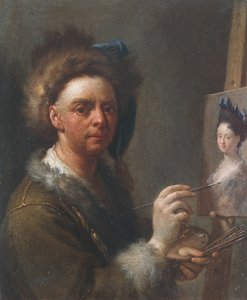
Francesco Trevisani
1656 - 1746 , Włochy