
 Podgląd w skali 1:1
 Wyślij jako kartkę
 Udostępnij
 Szczegóły dzieła
 Przewodnik

 Pobierz obraz
 Podobne obiekty
 RTG
RTG Pokaz slajdów
 Q&A
Q&A Statystyki
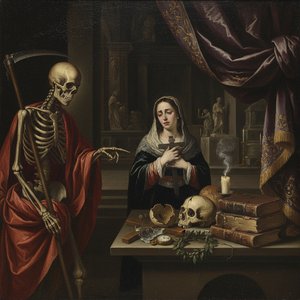
Memento Mori


 Rozwiń treść
Giclée / Wydruk artystyczny
Wydruki giclée lub płótna o jakości muzealnej, szybka realizacja i szeroki wybór opcji wykończenia. ( Zamów ręcznie malowaną reprodukcję Przejdź do wersji cyfrowej)




P118B zł10

P118H zł10

P118W zł10

P438Z zł10

P508JH zł12

P508YH zł12

P805H zł10

P805Z zł10

P919BZ zł10

P919G zł10

P919XJ zł10

P959ZH zł10

P968JZ zł12

W106C zł8

W218G zł10

W218JH zł8

W218Y zł10

W307PJ zł10

W316G zł10

W316PJ zł8

W316Y zł10

W398PJ zł8

W4111J zł10

W500HY zł15

W500JH zł15

W692G zł12

W849H zł8

W940BG zł15

W953PJ zł8




Wybierz spośród naszych standardowych rozmiarów, które zachowują oryginalne proporcje dzieła sztuki.

Wpisz wymaganą szerokość i wysokość, aby dopasować grafikę do ramy lub ściany. Wydruk można jedynie przyciąć, nigdy nie powiększając go poza oryginalny obraz, dlatego format o innych proporcjach spowoduje utratę części kompozycji. Przed rozpoczęciem druku prześlemy Ci cyfrowy podgląd do zatwierdzenia. Obraz wyświetlany na tej stronie nie pokazuje rzeczywistego przycięcia — jedynie podgląd oddaje ten efekt.
Dostawa na cały świat () w ciągu 2 tygodni zamiast standardowych 4/5 tygodni. (31 Październik)

Bezpłatna ekspresowa wysyłka na cały świat

Wysokiej jakości płótno lniane

Pełne ubezpieczenie przesyłki

Gwarancja zwrotu należności celnych i podatków importowych

Gwarancja wiernego odwzorowania kolorów

100-dniowa polityka zwrotów (tylko w przypadku wad)

Gwarancja 100% zwrotu pieniędzy

Zniżka przy zakupie wielu sztuk
 Opcja ze szkłem jest dostępna wyłącznie w rozmiarach poniżej 110 cm

Memento Mori
Giclée / Wydruk artystyczny
Wymiary reprodukcji
-


Cena całkowita
zł 311
The Weight of Time: Francesco Solimena’s *Memento Mori*
Francesco Solimena's *Memento Mori*, a captivating still life painting from the late 17th century, isn’t merely a depiction of objects; it’s an invitation to contemplate the ephemeral nature of existence. Executed in the dramatic chiaroscuro style characteristic of Baroque art, the piece unfolds against a stark black background – a deliberate choice that amplifies the richness and depth of its subjects, drawing the viewer into a world where beauty and decay coexist in unsettling harmony. Solimena, a master of Neapolitan painting, skillfully elevates commonplace items—a wooden bowl overflowing with fruit, dice scattered across a table, playing cards, a candlestick casting flickering shadows – transforming them into potent symbols of human experience.
The composition itself is meticulously constructed, an exercise in controlled chaos. Overlapping forms create a sense of layered reality, inviting the eye to wander through the scene and discover new details with each glance. Linear precision defines the shapes of each object, yet they are rendered with a remarkable organic quality, suggesting a tactile realism that draws us into their presence. The artist’s masterful use of texture – from the velvety sheen of the fruit to the rough grain of the wood – adds another layer of sensory engagement, grounding the painting in the tangible world while simultaneously hinting at its symbolic weight.
Baroque Drama and the Symbolism of Mortality
*Memento Mori* is deeply rooted in the Baroque tradition, a period defined by its theatricality, emotional intensity, and fascination with death. The term itself – “remember you must die” – reflects a core philosophical concern of the era: the awareness of mortality. Solimena’s painting doesn't offer a morbid depiction of death; instead, it presents a nuanced meditation on the fleeting nature of earthly pleasures and the inevitability of decay. The inclusion of dice, playing cards, and fruit—symbols of fortune, indulgence, and abundance—contrasts sharply with the somber presence of the skull (implied through the arrangement and lighting), suggesting that even the most pleasurable experiences are ultimately transient.
The carefully chosen objects themselves carry significant symbolic weight. The dice represent chance and fate, while the playing cards symbolize vanity and worldly pursuits. The fruit, ripe and luscious, embodies earthly delights, but its eventual decay serves as a poignant reminder of their impermanence. Even the candlestick, with its flickering flame, represents the diminishing light of life. These seemingly simple objects are imbued with layers of meaning, transforming the still life into a complex allegory of human existence.
A Neapolitan Master at Work: Solimena’s Technique and Context
Francesco Solimena (1657-1747) was a pivotal figure in the artistic landscape of Naples during the Baroque period. Born in Canale di Serino, he honed his skills under his father, Angelo Solimena, and later with renowned artists like Francesco di Maria and Giacomo del Po. His early training instilled in him a deep appreciation for naturalism and a mastery of technique—qualities that would define his distinctive style. The patronage of Cardinal Vincenzo Orsini provided Solimena with crucial opportunities to develop his artistic voice and establish himself as an independent painter.
Solimena’s *Memento Mori* exemplifies his signature approach: a dramatic interplay of light and shadow, meticulously rendered details, and a profound understanding of human psychology. He was known for his ability to capture the textures and nuances of everyday objects with remarkable precision, imbuing them with an almost palpable sense of reality. The painting’s historical context is equally important; it reflects the prevailing philosophical concerns of the Baroque era—a preoccupation with death, faith, and the search for meaning in a world marked by uncertainty.
A Timeless Reflection: The Enduring Power of *Memento Mori*
More than three centuries after its creation, *Memento Mori* continues to resonate with viewers. Its haunting beauty, coupled with its profound meditation on mortality, transcends the boundaries of time and culture. The painting’s stark simplicity and evocative symbolism invite contemplation—a reminder that life is fleeting and that our earthly possessions are ultimately transient. Whether viewed as a work of art or a philosophical statement, *Memento Mori* remains a powerful testament to the enduring human fascination with death and the search for meaning in a world filled with both beauty and sorrow.
Pytania i odpowiedzi
Kto jest autorem i jaki styl reprezentuje "Memento Mori"?
"Memento Mori" powstało autorstwa Francesco Solimena w stylu Baroque. Artysta oraz nurt definiują tradycję tego dzieła.
Czy dzieło "Memento Mori" znajduje się w kraju swojego twórcy?
Tak – dzieło znajduje się w kraju pochodzenia artysty. Francesco Solimena urodził(a) się w Włochy, a oryginał dzieła „Memento Mori” znajduje się w muzeum w Włochy.
Jakie inne pseudonimy lub nazwy stosuje Francesco Solimena?
Inne znane nazwiska Francesco Solimena, twórcy "Memento Mori", to Abbot Ciccio.
Biografia artysty
A Neapolitan Master of Baroque Grandeur
Francesco Solimena, born in the small Italian town of Canale di Serino near Avellino in 1657, emerged as one of the most significant figures in Neapolitan painting during the late Baroque period. His artistic journey began within a family already steeped in artistic tradition; his father, Angelo Solimena, served as his initial instructor, collaborating with him on early projects like the Paradise fresco for the cathedral of Nocera. This foundational experience instilled in young Francesco a deep appreciation for technique and composition – a meticulous approach that would characterize much of his later work. He further refined his skills under the tutelage of Francesco di Maria and Giacomo del Po, absorbing diverse influences that would ultimately shape his distinctive style, blending Roman grandeur with the vibrant spirit of Naples. The patronage of Cardinal Vincenzo Orsini proved pivotal, providing encouragement and opportunities that allowed Solimena to establish himself as an independent artist by the 1680s, undertaking increasingly ambitious fresco commissions for prominent churches and palaces throughout the region.Forging a Style: Echoes of Rome in Neapolitan Splendor
Solimena’s artistic voice is immediately recognizable through its warm, brownish shadowing – a technique deeply indebted to the Roman Baroque masters Luca Giordano and Giovanni Lanfranco. He didn't merely imitate; instead, he synthesized these influences into a uniquely Neapolitan aesthetic. The hallmarks of his work include dynamic compositions brimming with emotional intensity, reflecting the Baroque period’s penchant for grandeur and theatricality. He possessed an exceptional ability to capture movement and drama within his scenes – whether depicting biblical narratives or mythological allegories – drawing viewers directly into the heart of the action. Solimena's paintings are characterized by a masterful use of *chiaroscuro*, creating dramatic contrasts between light and shadow that heighten the emotional impact of each scene. His compositions often feature elaborate architectural settings, subtly suggesting depth and space while simultaneously focusing attention on the figures within them. This careful balance between setting and subject is a hallmark of his distinctive style.A Prolific Output: Frescoes, Altarpieces, and Mythological Visions
Francesco Solimena was an extraordinarily prolific artist, leaving behind a vast body of work encompassing a wide range of subjects and formats. He excelled in large-scale fresco cycles, transforming the interiors of Neapolitan churches and palaces into vibrant displays of religious fervor and aristocratic splendor. His frescoes for the church of San Paolo Maggiore, depicting scenes from the life of St. Paul, are particularly renowned for their dramatic intensity and masterful use of color. His altarpieces are equally impressive, showcasing his ability to convey complex theological narratives with both emotional depth and technical brilliance. These works often feature a multitude of figures arranged in elaborate compositions, each carefully rendered with meticulous detail. Beyond his religious commissions, Solimena also demonstrated a mastery of mythological scenes, imbuing classical tales with dramatic energy and sensuous beauty – as evidenced by his *Allegory of Rule*, currently housed in the State Hermitage Museum in St. Petersburg. His depictions of weddings and courtly occasions further showcase his versatility, capturing the elegance and opulence of Neapolitan society.The Atelier and its Legacy: Shaping a Generation of Artists
From the 1690s onward, Solimena’s studio became a dominant force in Naples, shaping the artistic landscape of the city for decades. It wasn't simply a workshop; it was a vibrant center of artistic learning and innovation. Solimena trained numerous pupils who went on to become prominent artists in their own right – including Francesco de Mura, Giuseppe Bonito, Pietro Capelli, and Corrado Giaquinto. These students absorbed Solimena’s techniques and stylistic principles, carrying them forward into the next generation of Neapolitan painters. His influence extended beyond mere technical skill; he instilled in his pupils a deep appreciation for composition, color theory, and dramatic storytelling – qualities that would define the artistic landscape of Naples for years to come. The studio's remarkable productivity—churning out altarpieces, frescoes, and canvases at an astonishing rate—testified to Solimena’s organizational skills and his ability to manage a large team of artists.A Lasting Impact: Solimena’s Place in Art History
Francesco Solimena died in 1747 at Barra, near Naples, leaving behind an enduring legacy that continues to be celebrated through exhibitions, scholarly studies, and reproductions available today. He stands as one of the most important figures in Neapolitan Baroque painting – a master who successfully synthesized Roman influences with local traditions to create a distinctive style that defined artistic production in Naples for generations. His works remain admired for their dramatic flair, technical mastery, and enduring beauty, offering a captivating glimpse into the vibrant cultural life of 18th-century Italy. Solimena’s legacy extends beyond his individual creations; he played a crucial role in shaping the artistic identity of Naples, leaving an indelible mark on the city's cultural heritage.
Francesco Solimena
1657 - 1747 , Włochy
Krótka nota
- Artistic Movement Or Style: Barok
- Artists Or Movements Influenced By This Artist:
- Francesco de Mura
- Giuseppe Bonito
- Artists Who Influenced This Artist:
- Luca Giordano
- Giovanni Lanfranco
- Date Of Birth: 4 października 1657
- Date Of Death: 3 kwietnia 1747
- Full Name: Francesco Solimena
- Nationality: Włoski
- Notable Artworks:
- Allegoria Rządu
- Freski w Neapolu
- Jan Chrzciciel
- Place Of Birth: Canale di Serino, Włochy
Powiązane artykuły

Barokowe arcydzieła: 10 obrazów, które zdefiniowały epokę | OriginalUniqueArt.com
Odkryj 10 arcydzieł baroku! Caravaggio, Rembrandt, Rubens i inni artyści, którzy zdefiniowali epokę. Poznaj historie, techniki i inspiracje tych niezwykłych obrazów. Reprodukcje najwyższej jakości na OriginalUniqueArt.com – idealne do Twojego wnętrza!

Silent Narratives: Exploring the Enduring Appeal of Still Life Painting Across Centuries
Explore the rich history of still life painting with OriginalUniqueArt. Discover Dutch Masters, decode vanitas symbolism & learn about collecting timeless art. Expert insights and museum-quality reproductions.

Barokowy Dramat we Wnętrzach: Sztuka Przepychu i Elegancji w Twoim Domu
Odkryj świat barokowego przepychu! Porady ekspertów jak wprowadzić elegancję i dramat do Twojego wnętrza. Inspiracje, charakterystyka stylu i praktyczne wskazówki.

Dramatyczny Rozkwit Baroku: Dziedzictwo Sztuki Kontrreformacji i Mistrzowie Chiaroscuro
Odkryj dramatyczny świat baroku! Poznaj historię sztuki kontrreformacji, mistrzów chiaroscuro i weneckich arcydzieł. Reprodukcje najwyższej jakości na OriginalUniqueArt.com.
Juan de Valdés Leal: Baroque Realism, Memento Mori & Theatricality of Spanish Grief
Explore the powerful Baroque realism of Juan de Valdés Leal (1622-1690). Discover his somber masterpieces, iconic 'In Ictu Oculi', and profound explorations of mortality. Museum-quality reproductions available at OriginalUniqueArt.