

 Podgląd w skali
 Wyślij jako kartkę
 Udostępnij
 Szczegóły dzieła

 Pobierz
 Podobne obiekty
 RTG
RTG Pokaz slajdów
Melancholic Thoughts
 Oil On Canvas
- WallArt
- Romanticism
 1842
1842- 19th Century
 98.0 x 135.0 cm
 Rozwiń treść
Ręcznie malowana reprodukcja olejowa
Ręcznie malowany obraz olejny na płótnie, wykonany na zamówienie przez naszych artystów w wybranym przez Ciebie wymiarze i oprawie. ( Zamów wydruk Kup obraz wysokiej rozdzielczości)




P118B $10

P118H $10

P118W $10

P438Z $10

P508JH $12

P508YH $12

P805H $10

P805Z $10

P919BZ $10

P919G $10

P919XJ $10

P959ZH $10

P968JZ $12

W106C $8

W218G $10

W218JH $8

W218Y $10

W307PJ $10

W316G $10

W316PJ $8

W316Y $10

W398PJ $8

W4111J $10

W500HY $15

W500JH $15

W692G $12

W849H $8

W940BG $15

W953PJ $8




Wybierz spośród naszych standardowych rozmiarów, które zachowują oryginalne proporcje dzieła sztuki.

Możesz wprowadzić własne wymiary, aby dopasować obraz do konkretnej ramy lub przestrzeni. Jeśli wybrany rozmiar nie będzie odpowiadał proporcjom oryginału, przytniecie dzieło sztuki lub rozszerzymy je o dodatkowe elementy, ręcznie domalowane przez artystę. Przed rozpoczęciem produkcji wyślemy projekt cyfrowy do Twojej akceptacji.
Należy pamiętać, że podgląd na ekranie nie odzwierciedla rzeczywistego przycinania ani rozszerzania obrazu. Tylko projekt dokładnie pokaże ostateczną kompozycję.
Choć oferujemy możliwość zamówienia niestandardowych rozmiarów, zalecamy wybór wymiaru z gotowej listy, aby zachować oryginalne proporcje dzieła.
Po złożeniu zamówienia zespół OriginalUniqueArt.com skontaktuje się z klientem drogą mailową w celu uzyskania instrukcji i prześle wizualizację projektu
Dostawa na całym świecie () w ciągu 3–4 tygodni zamiast standardowych 5 tygodni. (18 Sierpień). Bez kompromisów w kwestii jakości.

Bezpłatna ekspresowa wysyłka na cały świat

Wysokiej jakości płótno lniane

Pełne ubezpieczenie przesyłki

Gwarancja zwrotu należności celnych i podatków importowych

Gwarancja wiernego odwzorowania kolorów

Polityka 60-dniowego zwrotu (tylko w przypadku wad)

Gwarancja 100% zwrotu kosztów

Zniżka przy zamówieniu wielu produktów
 Opcja ze szkłem jest dostępna wyłącznie w rozmiarach poniżej 110 cm

Melancholic Thoughts
Technika reprodukcji
Wymiary reprodukcji
-


Cena całkowita
$ 300
Opis dzieła
A Study in Quiet Contemplation
In the soft, evocative depths of Francesco Hayez’s 1842 masterpiece, Melancholic Thoughts, we are invited into a private moment of profound introspection. The painting presents a captivating portrait of a woman, her long, flowing hair cascading around a face etched with the weight of silent reflection. Dressed in a rich, deep blue gown that anchors the composition, she gazietes downward, her eyes averted from the viewer as if lost in a labyrinth of memory or longing. This downward gaze is not merely a pose; it is an invitation to witness the universal human experience of solitude and the heavy, beautiful burden of thought.
Hayez, a titan of Italian Romanticism, masterfully employs his brush to bridge the gap between the physical world and the emotional landscape. The technique is characterized by a seamless blending of light and shadow, a hallmark of his ability to breathe life into skin and fabric alike. The subtle luminosity on her forehead and cheekbones contrasts with the darker, more somber tones of her attire, creating a focal point that draws the eye immediately to her expression. Every stroke serves to heighten the sense of intimacy, making the viewer feel less like an observer and more like a silent companion in her quietude.
Nature as an Emotional Echo
The composition is thoughtfully balanced by the presence of greenery, which acts as a symbolic counterpoint to the woman's internal sorrow. Two potted plants frame the scene—one positioned to the left and another nestled near the bottom right corner. These elements of nature are far more than mere decorative flourishes; they represent the persistence of life and growth even amidst periods of profound sadness. The organic textures of the leaves provide a delicate contrast to the smooth, porcelain-like quality of the subject's skin, grounding the ethereal mood of the portrait in a tangible, earthly reality.
For the discerning collector or interior designer, this painting offers an unparalleled emotional depth that can transform a space. The cool blues and earthy tones make it a versatile centerpiece for a sophisticated gallery wall or a standalone statement piece in a study or library. A high-quality reproduction of Melancholic Thoughts allows one to bring this 19th-century atmosphere of elegance and gravitas into a modern setting, providing a window into the Romantic era's obsession with the soul's inner mysteries.
To possess such a work is to hold a piece of history that speaks of the enduring power of the human spirit. Hayez’s ability to capture the fleeting essence of a mood—the precise moment where sadness meets peace—ensures that this painting remains as relevant and moving today as it was when it first graced the salons of Milan. It is an exquisite choice for those who seek art that does not merely decorate a room, but tells a story of profound, quiet beauty.
O artyście
Early Life and Artistic Foundations
Francesco Hayez, born on February 10th, 1791, in the heart of Venice, was steeped in an artistic lineage that profoundly shaped his destiny. His father, Giovanni, a man of French descent, brought a cosmopolitan sensibility to their family, while his mother, Chiara Torcella, hailed from Murano, the famed island known for its exquisite glassmaking traditions. From a young age, Francesco exhibited a remarkable aptitude for drawing – a talent nurtured by his uncle, who apprenticed him to an art restorer. This early exposure instilled in him a deep understanding of materials and techniques, laying the groundwork for his future artistic endeavors. His family’s modest circumstances fostered a spirit of resourcefulness and a keen appreciation for beauty, values that would later permeate his work. In 1806, he enrolled at the newly established Academy of Fine Arts in Milan, where he received formal training under the guidance of Teodoro Matteini, a respected figure in the Venetian art scene. This period marked a crucial turning point, exposing him to the principles of Neoclassicism and providing him with the foundational skills necessary for his artistic development.The Roman Years: Influences and Experimentation
Following his studies in Milan, Hayez embarked on a transformative journey to Rome in 1809. Here, he benefited from a year’s intensive study at the Accademia di San Luca, an institution renowned for its rigorous curriculum and exposure to diverse artistic influences. The Roman atmosphere proved profoundly stimulating, allowing him to immerse himself in the works of masters such as Raphael and Caravaggio, absorbing their techniques and stylistic approaches. This period witnessed a significant evolution in Hayez’s artistic sensibilities, as he began to experiment with different styles and develop his own unique voice. He was particularly drawn to the dramatic lighting and emotional intensity characteristic of Baroque painting, which would later become a defining feature of his oeuvre. The intellectual and cultural ferment of Rome fueled his creativity, shaping his perspective on art and its role in society.Rise to Prominence: Milan and the Romantic Movement
Returning to Milan in 1823, Hayez quickly established himself as a leading figure in the burgeoning Italian Romantic movement. The city’s vibrant artistic community provided fertile ground for his creative exploration, and he soon gained recognition for his dramatic historical paintings and evocative portraits. He became associated with the “Salotto Maffei,” a salon hosted by Clara Maffei, a prominent intellectual and patron of the arts, alongside other notable artists and intellectuals. This environment fostered a spirit of innovation and debate, pushing Hayez to refine his style and explore new themes. His early works often reflected the political and social currents of the Risorgimento – the movement for Italian unification – capturing the patriotic fervor and national aspirations of the time. His paintings frequently depicted scenes of heroism, sacrifice, and romantic idealism, resonating deeply with a public yearning for independence and self-determination.Notable Works and Lasting Legacy
Francesco Hayez’s artistic legacy is defined by a remarkable range of subjects and styles. Among his most celebrated works are *The Kiss*, an iconic depiction of a couple locked in an embrace that has become synonymous with Italian Romanticism; *Pope Urban II Preaching the First Crusade*, a monumental historical painting showcasing his mastery of composition and dramatic storytelling; and *Portrait of Matilde Juva-Branca*, a captivating portrait that reveals his exceptional ability to capture the essence of his subjects. His paintings frequently employed allegorical symbolism, imbuing them with layers of meaning and inviting viewers to contemplate complex themes such as love, patriotism, and faith. Hayez’s influence extended far beyond his own lifetime, shaping the course of Italian art for generations to come. He remains a pivotal figure in the Romantic movement, celebrated for his dramatic flair, emotional intensity, and enduring artistic vision. His works are displayed in prestigious museums throughout Italy, including the Civic Gallery of Modern Art in Milan, where *Pope Urban II Preaching the First Crusade* resides. He died on December 21st, 1882, leaving behind a rich and multifaceted body of work that continues to captivate audiences today.
Francesco Hayez
1791 - 1882 , Włochy
Krótka nota
- Artistic Movement Or Style: Romanticizm
- Artists Or Movements Influenced By This Artist: ['Neoklasycyzm']
- Artists Who Influenced This Artist: ['Teodoro Matteini']
- Date Of Birth: 10 lutego 1791
- Date Of Death: 12 lutego 1882
- Full Name: Francesco Hayez
- Nationality: Włoski
- Notable Artworks:
- Pocałunek
- Papież Urban II
- Portret Matylda
- Place Of Birth: Wenecja, Włochy
Powiązane artykuły

Top 10 Sławnych Obrazów w Odcieniach Szaroniebieskiego – Inspiracje dla Wnętrz | OriginalUniqueArt.com
Odkryj 10 najsłynniejszych obrazów w odcieniach szaroniebieskiego! Poznaj historie Claude Moneta, Degasa i Van Gogha. Inspiracje wnętrzarskie i reprodukcje najwyższej jakości na OriginalUniqueArt.com – sztuka dla Twojego domu.
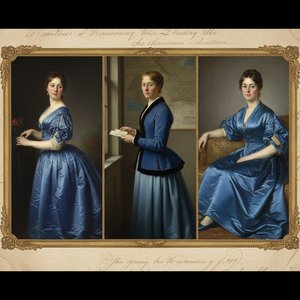
Azure Visions: Exploring Representations of the Blue Dress in Western Art History
Explore the rich history of the blue dress in Western art! Discover its symbolism, from Renaissance masterpieces to modern interpretations by artists like Martin & Schiele. Uncover cultural meanings and artistic techniques.
Błękit w Sztuce: Symbolika, Historia i Psychologiczne Oddziaływanie Koloru
Odkryj fascynującą historię błękitu w sztuce! Poznaj symbolikę, psychologię i wpływ tego koloru na arcydzieła renesansu i współczesne trendy. Ekspercka analiza dla miłośników sztuki.

Claude Monet: 25 Najlepszych Arcydzieł Impresjonizmu | Reprodukcje Obrazów Online
Odkryj 25 najpiękniejszych arcydzieł Claude Moneta – impresjonistycznych pejzaży, nymfeii i słonecznych krajobrazów. Poznaj historię sztuki i zainspiruj się do dekoracji wnętrz z OriginalUniqueArt.com! Eksploruj pełną kolekcję online.

Crimson Threads of Narrative: Exploring Symbolism & Representation in Artworks Featuring the Red Dress
Explore the rich symbolism of the red dress in art history! From ancient power displays to iconic portraits like Cézanne’s 'Madame Cezanne', discover the cultural and artistic significance behind this captivating color. Expert analysis & insights.



