Early Renaissance · 1442
The Annunciation (Fra Angelico, 1442)
Fra Angelico (1395–1455) stworzył The Annunciation. Dzieło pochodzi z 1442. Należy do nurtu Early Renaissance. Wykonano w technice Fresco. Przechowywane jest w Konwent San Marco w Florencja, Włochy. Wymiary to 230 × 321 cm.
- 1442
- Fresco
- 230 × 321 cm
- Konwent San Marco, Florencja

 Ręcznie malowany obraz olejny
 Wyślij jako kartkę
 Udostępnij
 Przewodnik


 Pobierz obraz
 Podobne obiekty
 Pokaz slajdów
 Pytania i odpowiedzi

 Statystyki
The Annunciation: najważniejsze informacje
- Tytuł
- The Annunciation
- Artysta
- Fra Angelico (1395–1455)
- Miejsce urodzenia artysty
- Vicchio, Włochy
- Data powstania
- 1442
- Technika wykonania
- Fresco
- Wymiary
- 230 × 321 cm
- Gdzie można je zobaczyć
- Konwent San Marco, Florencja, Włochy
- Epoka
- Renaissance
- Temat
- annunciation, mary, gabriel, angel, fresco, medieval
Co przedstawia The Annunciation?
A Moment of Divine Revelation: Fra Angelico’s “The Annunciation”
Fra Angelico's "The Annunciation," painted in 1442, is more than just a depiction of a pivotal biblical event; it’s an immersion into a realm of serene spirituality and exquisite detail. This fresco, housed within the walls of a Dominican monastery (though its exact location has shifted over time), captures the profound moment when the Archangel Gabriel announces to Mary that she will conceive and bear the son of God. The painting immediately draws the viewer in with its carefully orchestrated composition – a sense of quiet grandeur achieved through the strategic placement of arches, benches, and the central figures themselves.
The scene unfolds within a room bathed in a soft, diffused light, characteristic of Fra Angelico’s signature style. Earth tones dominate the palette—ochres, siennas, and umbers—creating an aged, almost timeless quality that speaks to the enduring nature of faith. This deliberate use of color isn't merely decorative; it evokes the atmosphere of a monastic setting, reflecting the contemplative life of the Dominican order. Notice how the artist masterfully employs *sfumato*, a technique borrowed from Leonardo da Vinci, softening edges and creating an ethereal haze that contributes to the overall sense of otherworldly beauty.
The Dance of Figures: Composition and Symbolism
At the heart of the composition are Mary and Gabriel. Mary, kneeling in humble reverence, gazes upwards with a mixture of surprise and acceptance. Her posture is graceful yet grounded, embodying both vulnerability and strength. The angel, rendered with delicate wings outstretched, presents the news with an air of solemnity and divine authority. The subtle shift in their gestures—Mary’s downward tilt of her head versus Gabriel's raised hand—creates a dynamic interplay between them, illustrating the exchange of this momentous revelation.
Beyond the central figures, details abound that enrich the narrative. The two benches flanking the scene aren’t merely architectural elements; they represent the earthly realm and the setting for this divine encounter. The presence of a third figure, partially obscured within the architecture – often interpreted as John the Baptist or even an attendant – adds to the sense of a sacred space unfolding before our eyes. The lilies held by Gabriel are a potent symbol of purity and virginity, directly referencing Mary’s role in salvation history.
A Masterclass in Early Renaissance Technique
Fra Angelico's skill as a painter is immediately apparent in the meticulous detail of "The Annunciation." He was renowned for his painstaking preparation – often sketching numerous studies before committing to fresco. This dedication is evident in the rendering of Mary’s garments, the folds of her veil, and the intricate details of Gabriel’s wings. The artist's use of *tempera* on gesso—a technique common at the time—allowed for layering colors and achieving remarkable luminosity.
- Layered Fresco Technique: Fra Angelico employed a meticulous process, starting with a rough ground (gesso) and building up layers of color to create depth and vibrancy.
- Sfumato Effect: The subtle blurring of lines and edges, particularly around the figures’ faces, contributes to the painting's ethereal quality.
- Symbolic Color Palette: The earth tones evoke a sense of monastic austerity and spiritual contemplation.
Emotional Resonance and Timeless Beauty
"The Annunciation" transcends its biblical subject matter, offering a profound meditation on faith, humility, and divine grace. It’s a painting that invites quiet reflection, prompting viewers to consider the transformative power of belief. Fra Angelico's ability to capture such intense emotion with such understated elegance is what secures this work’s place as one of the most beloved and enduring images of the Early Renaissance. OriginalUniqueArt offers exceptional reproductions of this masterpiece, allowing you to bring its serene beauty into your home or office – a testament to the timeless artistry of Fra Angelico.
W którym muzeum znajduje się The Annunciation?
Konwent San Marco
Florencja, Włochy
Sanktuarium Wiary i Sztuki Klasztor San Marco stanowi niezwykłe świadectwo artystycznego dziedzictwa Florencji – to miejsce, w którym duch renesansu przeplata się z głęboką religijną pobożnością. Nie jest on jedynie domem dla arcydzieł; oferuje on immersyjną podróż do XV wieku, zapraszając zwiedzających do kontemplacji spuśczeniu Fra Angelico oraz Girolamo Savonarola w murach pięknie zachowanego dominikańskiego klasztoru. Założony pierwotnie jako klasztor vallombrosan w XIII wieku, San Marco przekształcił się w tętniące życiem centrum myśli humanistycznej i artystycznej innowacji dzięki mecenatowi Cosimo de' Medici – był to przełomowy moment, który zapewnił przybycie zreformowanego zakonu dominikanów i zapoczątkował erę niespotykanej kreatywności.


The Annunciation w wysokiej rozdzielczości

Domena publiczna: artysta zmarł w 1455.
Więcej rozmiarów, kadrowania i cytowań →Fra Angelico, The Annunciation (1442), Konwent San Marco. Domena publiczna
Pytania o The Annunciation
W którym muzeum znajduje się oryginał "The Annunciation"?
Oryginał dzieła „The Annunciation” – Fra Angelico znajduje się w Konwent San Marco, Florencja, Włochy. Reprodukcja pozwala na eksponowanie pracy w domu.
W którym roku powstało dzieło "The Annunciation"?
"The Annunciation" powstało w 1442 roku. Data ta pozwala umiejscowić dzieło w kontekście twórczości Fra Angelico oraz epoki, w której powstało.
Z jakiej techniki wykorzystano "The Annunciation"?
Technika wykonania dzieła „The Annunciation” – Fra Angelico to Fresco. Reprodukcje mają na celu wierne oddanie wyglądu tej techniki.
Jakie są wymiary oryginału "The Annunciation"?
Oryginalne wymiary dzieła „The Annunciation” to 230 x 321 cm. Znajomość pierwotnej skali może być pomocna przy wyborze odpowiedniego rozmiaru reprodukcji.
Co przedstawia „The Annunciation” – Fra Angelico?
„The Annunciation” – Fra Angelico przedstawia: annunciation, mary, gabriel, angel, fresco, medieval, spirituality, tuscan.
Czy „The Annunciation” – Fra Angelico znajduje się w domenie publicznej?
„The Annunciation” – Fra Angelico znajduje się w domenie publicznej (należy do domeny publicznej – autorskie prawa majątkowe wygasły). Status ten określa zasady reprodukcji obrazu tego dzieła.
Kto stworzył "The Annunciation"?
„The Annunciation” zostało stworzone przez Fra Angelico. Informacje na tej stronie dotyczą oryginalnego dzieła autorstwa Fra Angelico.
Do jakiego nurtu należy "The Annunciation"?
„The Annunciation” – Fra Angelico należy do nurtu Early Renaissance. Nurt ten stanowi stylistyczny kontekst dzieła.
Do którego etapu twórczości Fra Angelico należy dzieło „The Annunciation”?
"The Annunciation" reprezentuje Early Renaissance twórczości Fra Angelico.
O artyście: Fra Angelico
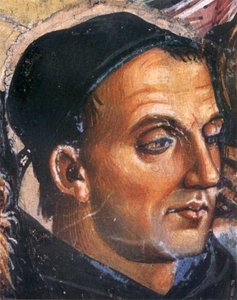
1395–1455, Włochy
Fra Angelico
Wczesne lata i duchowe formowanie Urodzony jako Guido di Pietro w regionie Mugello, człowiek, który miał stać się znany jako Fra Angelico, rozpoczął swoje życie wśród toskańskich wzgórz w pobliżu Florencji. Około 1395 roku był znany jako Giovanni da Fiesole. Jego wczesne lata zostały ukształtowane przez spokojny krajobraz tego regionu. Ostatecznie młody Giovanni wstąpił do Zakonu Dominikanów w Fiesole.
Inne prace Fra Angelico
 Obwieszczenie Najświętszej Marii Panny1430
 Madonna z Dzieciątkiem, świętymi i Ukrzyżowaniem
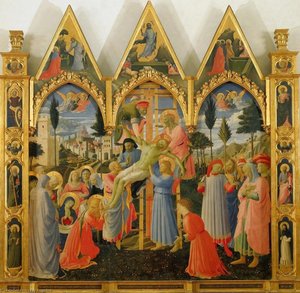 Depozycja z Krzyżem
 Sąd Ostateczny1431
Eseje o The Annunciation
 Divine Beauty: The 25 Most Iconic Masterpieces by Fra AngelicoJourney through the divine beauty of Fra Angelico's finest works. Explore 25 iconic Renaissance masterpieces, from ethereal frescoes to sac…
 Fresk: Technika, Historia i Artystyczna Ekspresja – Od Antyku do WspółczesnościPoznaj historię i technikę fresku – od antycznych korzeni po współczesne zastosowania. Ekspercka analiza, konserwacja i inspiracje dla miło…
 Sacred Narratives: Decoding the Iconography and Artistry of the AnnunciationExplore the profound symbolism and mastery behind Renaissance Annunciation paintings. Discover the secrets of these sacred masterpieces now.