() ·

A painting made for you, by hand

Devadatta

Ręcznie malowana reprodukcja olejowa

Ręcznie malowany obraz olejny na płótnie, wykonany na zamówienie przez naszych artystów w wybranym przez Ciebie wymiarze i oprawie. ( Przełącz na wydania drukowane Przejdź do wersji cyfrowej)

Opis obiektu

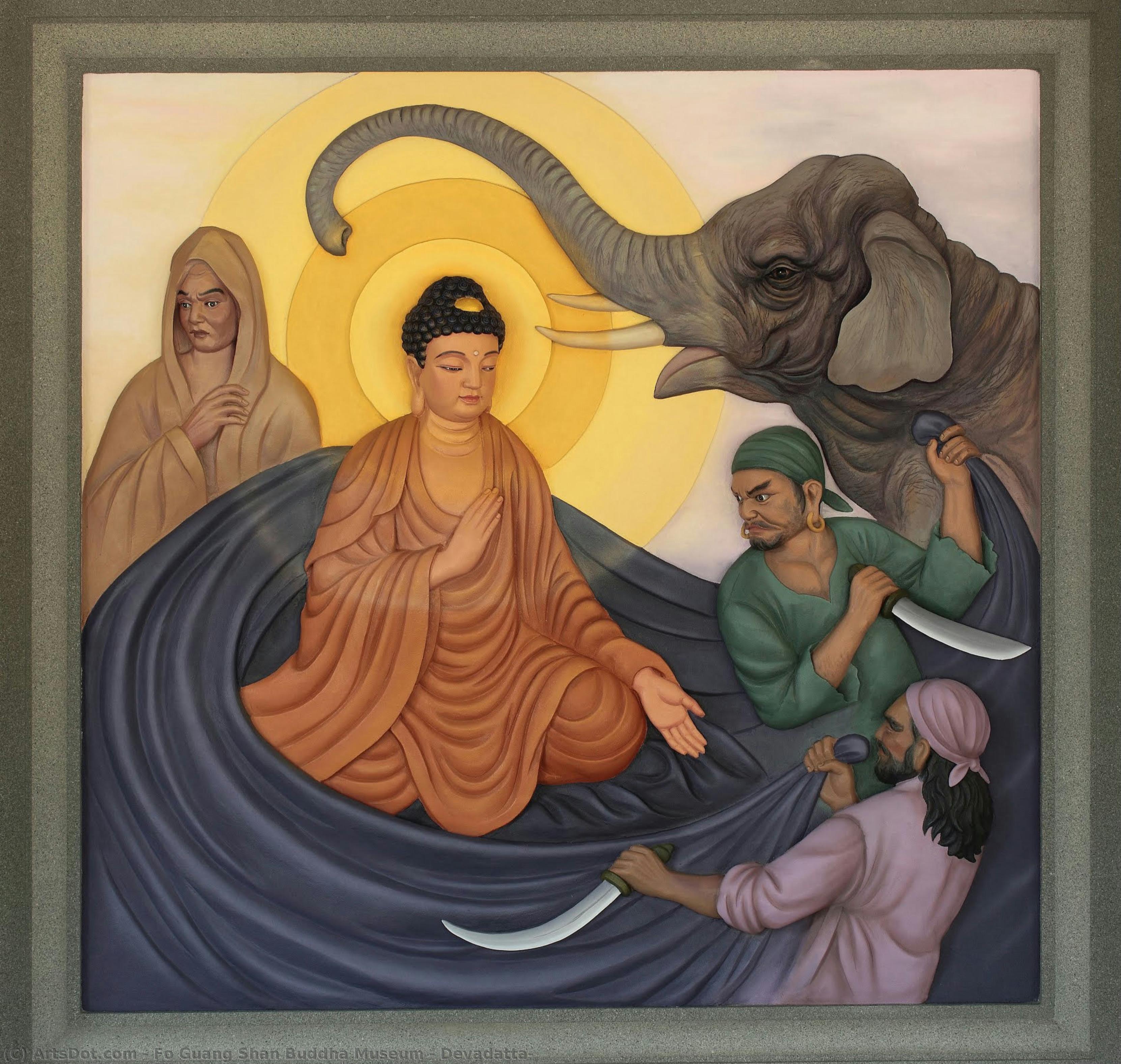
A stunning depiction of the Buddha by the Fo Guang Shan Buddha Museum showcases serene meditation amidst elephants and swords, a timeless symbol of faith and artistic devotion – discover this masterpiece.

Biografia artysty

Odkryj sztukę w Fo Guang Shan Buddha Museum! Poznaj buddyjskie rzeźby, malarstwo i wystawy kulturowe promujące pokój, edukację oraz bogate dziedzictwo Tajwanu.

from ·

Chapter 1

How large should it be?

Slide to change the size; the picture on the left shows the frame at its real width. The proportions of the original are kept.

Standardowy format
personalizowane
CM
INCH

Wybierz spośród naszych standardowych rozmiarów, które zachowują oryginalne proporcje dzieła sztuki.

szerokość
wysokość

Wpisz wymaganą szerokość i wysokość, aby obraz pasował do Twojej ramy lub ściany. Ponieważ jest to dzieło malowane ręcznie, w przypadku rozmiaru o innych proporcjach artysta może domalować nieco więcej wokół obrazu lub przyciąć jego fragmenty — wybór należy do Ciebie. Przed rozpoczęciem pracy prześlemy Ci cyfrową wizualizację do zatwierdzenia. Obraz widoczny na tej stronie nie przedstawia rzeczywistego efektu — jedynie wizualizacja oddaje realny rezultat.

Chapter 2

How should it arrive?

Choose the edges of the stretched canvas

Choose your frame

Corner sample of the WhiteWrap canvas edge finish, stretched on lite drewno bars
White zł1
Corner sample of the BlurSideWrap canvas edge finish, stretched on lite drewno bars
Blurside zł1
Corner sample of the ExtendedWrap canvas edge finish, stretched on lite drewno bars
Extended zł1
Corner sample of the P118B picture frame: polistyren formowany, 5 cm wide and 3 cm thick
P118B zł10
Corner sample of the P118H picture frame: polistyren formowany, 5 cm wide and 3 cm thick
P118H zł10
Corner sample of the P118W picture frame: polistyren formowany, 5 cm wide and 3 cm thick
P118W zł10
Corner sample of the P438Z picture frame: polistyren formowany, 5.5 cm wide and 3.5 cm thick
P438Z zł10
Corner sample of the P508JH picture frame: polistyren formowany, 7 cm wide and 3.5 cm thick
P508JH zł12
Corner sample of the P508YH picture frame: polistyren formowany, 7 cm wide and 3.5 cm thick
P508YH zł12
Corner sample of the P805H picture frame: polistyren formowany, 5 cm wide and 3.5 cm thick
P805H zł10
Corner sample of the P805Z picture frame: polistyren formowany, 5 cm wide and 3.5 cm thick
P805Z zł10
Corner sample of the P919BZ picture frame: polistyren formowany, 7 cm wide and 3.5 cm thick
P919BZ zł10
Corner sample of the P919G picture frame: polistyren formowany, 7 cm wide and 3.5 cm thick
P919G zł10
Corner sample of the P919XJ picture frame: polistyren formowany, 7 cm wide and 3.5 cm thick
P919XJ zł10
Corner sample of the P959ZH picture frame: polistyren formowany, 5 cm wide and 3 cm thick
P959ZH zł10
Corner sample of the P968JZ picture frame: polistyren formowany, 6 cm wide and 4 cm thick
P968JZ zł12
Corner sample of the W106C picture frame: lite drewno, 5 cm wide and 3 cm thick
W106C zł8
Corner sample of the W218G picture frame: lite drewno, 5 cm wide and 3 cm thick
W218G zł10
Corner sample of the W218JH picture frame: lite drewno, 5 cm wide and 3 cm thick
W218JH zł8
Corner sample of the W218Y picture frame: lite drewno, 5 cm wide and 3 cm thick
W218Y zł10
Corner sample of the W307PJ picture frame: lite drewno, 6 cm wide and 3 cm thick
W307PJ zł10
Corner sample of the W316G picture frame: lite drewno, 6 cm wide and 3 cm thick
W316G zł10
Corner sample of the W316PJ picture frame: lite drewno, 6 cm wide and 3 cm thick
W316PJ zł8
Corner sample of the W316Y picture frame: lite drewno, 6 cm wide and 3 cm thick
W316Y zł10
Corner sample of the W398PJ picture frame: lite drewno, 5 cm wide and 3 cm thick
W398PJ zł8
Corner sample of the W4111J picture frame: lite drewno, 6.5 cm wide and 3.5 cm thick
W4111J zł10
Corner sample of the W500HY picture frame: lite drewno, 7 cm wide and 5 cm thick
W500HY zł15
Corner sample of the W500JH picture frame: lite drewno, 7 cm wide and 5 cm thick
W500JH zł15
Corner sample of the W692G picture frame: lite drewno, 8 cm wide and 4 cm thick
W692G zł12
Corner sample of the W849H picture frame: lite drewno, 5 cm wide and 3 cm thick
W849H zł8
Corner sample of the W940BG picture frame: lite drewno, 7.5 cm wide and 4.5 cm thick
W940BG zł15
Corner sample of the W953PJ picture frame: lite drewno, 6 cm wide and 3.5 cm thick
W953PJ zł8
Corner sample of the H24-GOLD picture frame: rzeźbione drewno pokryte gipsem, 10 cm wide and 6 cm thick
H24-GOLD zł30
Corner sample of the H24-SILVER picture frame: rzeźbione drewno pokryte gipsem, 10 cm wide and 6 cm thick
H24-SILVER zł30
Corner sample of the H36-GOLD picture frame: rzeźbione drewno pokryte gipsem, 15 cm wide and 6.5 cm thick
H36-GOLD zł45
Corner sample of the H36-SILVER picture frame: rzeźbione drewno pokryte gipsem, 15 cm wide and 6.5 cm thick
H36-SILVER zł45

Moulding: . Overall size with the frame: .

Chapter 3

Who paints it, and should anything change?

Examples of what can be changed: Replace face with customer photo; Add pet (e.g., replace cat with dog); Include hidden message in background; Change background landscape or elements.
After order, OriginalUniqueArt.com team will email client for instructions and provide a mockup preview

Dostawa na całym świecie () w ciągu 3–4 tygodni zamiast standardowych 5 tygodni. (2 Listopad). Bez kompromisów w kwestii jakości.

Chapter 4

The finishing touches

A nameplate, as in a museum?

Szczegóły grawerowanej brązowej tabliczki

This elegant plaque features the artist's name and the title of the artwork, finely engraved for a timeless presentation.

It is made from bronze with a refined, elegant finish. The text is precisely laser-engraved for a sharp and permanent result. Measuring 9x2 cm, the plaque is compact yet easy to read. It's built to be durable and scratch-resistant, offering a professional, museum-quality look. Mounting is simple thanks to the included adhesive backing.

Szczegóły przezroczystej tabliczki akrylowej

The plaque includes essential engraved details such as the artist's name, the title of the artwork, the date it was created, the type of media used-like oil on canvas or watercolor-a brief description of the piece, and a QR code that links to the complete artwork information.

It is crafted from clear acrylic, offering a sleek, modern appearance. The text is UV-engraved in black to ensure strong visual contrast. With a size of 10x15 cm, it ensures optimal readability. It comes equipped with two metal hooks for secure wall mounting. The plaque is designed to be weather-resistant, making it suitable for various environments, and it includes interactive features that work seamlessly with smartphone scanning.

Szczegóły czarnej tabliczki akrylowej

This elegant plaque includes engraved information such as the artist's name, the title of the artwork, the date it was created, the type of media used (like oil on canvas or watercolor), a short description of the artwork, and a QR code for quick access to more information.

The plaque itself is made from refined black acrylic with a premium finish. The text is laser-engraved in white for high contrast and readability. Its size is 10x15 cm, designed to be easy to read. It comes with two metal hooks for professional mounting. The design is sleek and fits any interior style. It is also weather-resistant and durable, with built-in digital integration for mobile compatibility.

A protective varnish?

When do you need it?

Chapter 5

Your painting, as you ordered it

Devadatta

Technika reprodukcji

Wymiary reprodukcji

-

Wybitny mistrz artystyczny

Większa szczegółowość, finezja i dodatkowy czas na realizację

-

Opcje oprawy reprodukcji

-

-

W przypadku dzieł sztuki lub reprodukcji, których którykolwiek z boków przekracza 105 cm (około 41 cali), rama zostanie wysłana w formie zestawu do samodzielnego montażu. Metoda ta zapewnia bezpieczną dostawę i zapobiega uszkodzeniom podczas transportu.

Wymagany profesjonalny montaż – nie jest to produkt typu DIY.
Zestaw musi zostać złożony, a płótno naciągnięte przez doświadczonego profesjonalnego ramiarza, przy użyciu kleju do drewna (brak w zestawie), kleszczy do naciągania płótna oraz ścisków, które utrzymają krosna w równej pozycji podczas schnięcia kleju. Nieprawidłowy montaż lub nierównomierne napięcie płótna może trwale uszkodzić dzieło sztuki i nie podlega naszej gwarancji.

  • W zestawie znajdują się wszystkie listwy z litego drewna, precyzyjnie docięte do wymiarów.

  • Montaż odbywa się przy użyciu dołączonych wkrętów oraz kleju do drewna do łączenia narożników, którego zestaw nie zawiera i który musi zostać dostarczony przez ramiarza.

  • Wymagane są profesjonalne narzędzia, których nie ma w zestawie: kleszcze do naciągania płótna (napinacz) oraz zaciski, które pozwolą utrzymać listwy w równej pozycji podczas schnięcia kleju.

Ważne:
Do połączenia narożników niezbędny jest klej do drewna, listwy należy unieruchomić za pomocą ścisków do momentu całkowitego wyschnięcia kleju, a naciągnięcie płótna na złożoną ramę wymaga użycia kleszczy do naciągania płótna. Żaden z tych elementów nie jest dołączony do zestawu. Przed zamówieniem tego rozmiaru zalecamy konsultację z doświadczonym ramiarzem.

Etykieta obiektu

-

-

Lakier ochronny

Lakier z połyskiem (pogłębia kolory, chroni przed światłem i wilgocią)

-

Personalizacja dzieła

Przykłady możliwości personalizacji: zastąp twarz zdjęciem klienta; dodaj zwierzę domowe (np. zamień kota na psa); umieść ukrytą wiadomość w tle; zmień krajobraz lub elementy tła.

-

Ekspresowa

Dostawa na cały świat () w ciągu 3–4 tygodni zamiast standardowych 5 tygodni. (2 Listopad). Bez kompromisów w kwestii jakości.

-

Przesyłka ekspresowa

Dostawa na cały świat () w ciągu 5 tygodni. (9 Listopad).

W cenie

Cena całkowita

zł 1168

Suma całkowita zł 1168

Opcja ze szkłem jest dostępna wyłącznie w rozmiarach poniżej 110 cm

Included with every order

  • Bezpłatna ekspresowa wysyłka na cały świat
  • Wysokiej jakości płótno lniane
  • Pełne ubezpieczenie przesyłki
  • Gwarancja zwrotu należności celnych i podatków importowych
  • Gwarancja wiernego odwzorowania kolorów
  • 100-dniowa polityka zwrotów (tylko w przypadku wad)
  • Gwarancja 100% zwrotu pieniędzy
  • Zniżka przy zakupie wielu sztuk

A Meditation on Enlightenment: "Devadatta" by the Fo Guang Shan Buddha Museum

The painting “Devadatta,” created in 2011 by the Fo Guang Shan Buddha Museum, offers a profound visual meditation on themes central to Buddhist philosophy. This artwork isn’t merely a representation of a pivotal moment in the Buddha's life – the encounter with Devadatta, a former disciple seeking enlightenment through destructive means – but rather an embodiment of the struggle between desire and liberation, illusion and truth. The scene unfolds with a quiet intensity, inviting viewers to contemplate the path towards spiritual awakening.

  • Subject Matter: The artwork depicts the Buddha seated in a traditional meditative posture, his hands folded in a gesture of serene contemplation. This iconic pose immediately establishes him as a figure of wisdom and detachment, while the presence of Devadatta underscores the challenges inherent in the pursuit of enlightenment.
  • Composition: The composition is carefully balanced, utilizing the blue cloth beneath the Buddha to create a sense of stability and grounding. The surrounding figures – elephants symbolizing strength and wisdom, humans representing humanity’s potential for both good and evil, and crucially, the three swords – contribute to a dynamic interplay of forces.
  • Color Palette: The dominant use of blues and earth tones evokes a sense of tranquility and spiritual depth, aligning with traditional Buddhist iconography. The vibrant colors used in the figures and surrounding elements add visual interest without disrupting the overall atmosphere of calm reflection.

Artistic Style and Technique – A Testament to Tradition

The Fo Guang Shan Buddha Museum’s artistic style is deeply rooted in Mahāyāna Buddhist traditions, particularly evident in its meticulous attention to detail and symbolic representation. The painting showcases a masterful blend of realism and stylized elements, characteristic of many classical East Asian artworks. The brushwork is deliberate and controlled, conveying a sense of reverence and spiritual power. The technique employed likely draws upon centuries-old methods of Chinese ink wash painting (Shui-mo hua), known for its subtle gradations of tone and expressive qualities. This approach lends the artwork an ethereal quality, enhancing its meditative impact.

  • Medium: Likely oil on canvas, though traditional Eastern techniques may have been employed in the reproduction process.
  • Brushwork: Precise and controlled, reflecting a deep understanding of classical Chinese painting principles.
  • Symbolic Detail: Each element – from the elephants to the swords – is imbued with symbolic meaning, inviting viewers to engage in deeper interpretation.

Historical Context and Symbolism – Layers of Meaning

Created in 2011, “Devadatta” reflects a renewed interest in Buddhist art and philosophy within Taiwan’s cultural landscape. The Fo Guang Shan Buddha Museum itself was established as a vital center for the propagation of Mahāyāna Buddhism, founded by Venerable Master Hsing Yun. The inclusion of the tooth relic – entrusted to Master Hsing Yun in 1998 – immediately elevates the artwork's significance, connecting it to a tangible link with the Buddha himself. The swords represent the destructive forces that can derail one’s spiritual journey, while the surrounding figures symbolize the diverse paths individuals take towards enlightenment. The presence of elephants speaks to wisdom and strength, qualities central to Buddhist teachings.

  • Devadatta: Represents the dangers of clinging to worldly desires and pursuing enlightenment through negative means.
  • Elephants: Symbolize wisdom, strength, and protection – virtues associated with the Buddha.
  • Swords: Represent destructive forces that must be overcome on the path to enlightenment.

Emotional Impact and Artistic Value – A Timeless Masterpiece

"Devadatta" transcends a simple depiction of a religious scene; it’s an invitation to contemplate profound questions about life, death, and the nature of reality. The artwork's serene composition and evocative symbolism create a powerful emotional resonance, fostering a sense of peace and introspection. As a hand-painted reproduction by the Fo Guang Shan Buddha Museum, this piece offers collectors and interior designers alike the opportunity to bring a touch of timeless wisdom and spiritual beauty into their spaces. Its enduring appeal lies in its ability to connect viewers with the core tenets of Buddhist philosophy – a message that remains profoundly relevant today.

Pytania i odpowiedzi

Czy "Devadatta" wpisuje się w typową tematykę twórczości Muzeum Buddyjskie Fo Guang Shan?

„Devadatta” przedstawia buddha, meditation, elephant, swords, faith, buddhism, museum, podczas gdy powracające motywy u Muzeum Buddyjskie Fo Guang Shan to buddhist iconography, faith, taiwan, mahayana, museum. Porównanie tych dwóch elementów ukazuje, jak dzieło nawiązuje do typowej dla tego artysty tematyki.

Kto jest autorem i z jakiego roku pochodzi "Devadatta"?

"Devadatta" – autorstwa Muzeum Buddyjskie Fo Guang Shan, rok powstania: 2011.

Do którego etapu kariery Muzeum Buddyjskie Fo Guang Shan należy dzieło „Devadatta” (2011)?

"Devadatta", powstałe w 2011, należy do Contemporary Creation w twórczości Muzeum Buddyjskie Fo Guang Shan.

More about this painting

Podgląd w skali 1:1 Podgląd AR Przełącz na wydania drukowane Przejdź do wersji cyfrowej Wyślij jako kartkę
Szczegóły dzieła Przewodnik Dodaj do ulubionych Pobierz obraz Podobne obiekty RTG Pokaz slajdów Q&A Statystyki

In numbers

  • 2011the year it was painted
  • 29frames to choose from
  • standard sizes, in its own proportions
  • 5weeks to paint and deliver it

About the original

Quick facts about Muzeum Buddyjskie Fo Guang Shan

  • Artistic Movement Or Style: Sztuka buddyjska
  • Full Name: Fo Guang Shan Buddha Museum
  • Nationality: Tajwański
  • Notable Artworks:
    • Budda wchodzący w Parinirwanę
    • Nauczanie Sujaty
    • Rytuał taoistyczny
    • Szycie trzech szat…
  • Other Names: Buddha Memorial Center
  • Place Of Birth: Dystrykt Dashu, Tajwan

Biografia artysty

Sanktuarium Wiary i Sztuki: Muzeum Buddyjskie Fo Guang Shan

Muzeum Buddyjskie Fo Guang Shan, położone w dzielnicy Dashu w Kaohsiung na Tajwanie, to znacznie więcej niż tylko skarbiec świętych przedmiotów i artystycznych kreacji; to żywe świadectwo trwałej mocy buddyjskiej filozofii oraz jej głębokiego wpływu na kulturę Azji Wschodniej. Wyłaniające się z wizji Cnotliwego Mistrza Hsing Yun, założyciela Fo Guang Shan — największej buddyjskiej organizacji na Tajwanie — muzeum oficjalnie otworzyło swoje podwoje w grudniu 2011 roku, po latach oddanej pracy budowlanej rozpoczętej w 2008 roku. Stanowi ono latarnię buddyzmu Mahāyāna, pieczołowicie zaprojektowaną, aby prezentować Dharmę poprzez immersyjne doświadczenie obejmujące sztukę, kulturę, film, humanistyczne dociekania oraz wymianę międzynarodową. Sam początek istnienia muzeum jest zakorzeniony w niezwykłej historii: w ط1998 roku Mistrz Hsing Yun powierzony został relikwia zęba Sakyamuni Buddy przez Kungę Dorje Rinpoche, tybetańskiego lamę, który strzegł jej przez trzy dekady. Ten święty dar stał się katalizatorem do stworzenia przestrzeni godnej czci i zdolnej dzielić się buddyjską mądrością ze światem.

Architektoniczny Symbolizm i Artystyczne Skarby

Projekt muzeum jest głęboko symboliczny, odzwierciedlając kluczowe zasady myśli buddyjskiej. Architektoniczna podróż rozpoczyna się przy Bramie Doskonałego Ładu i prowadzi przez Bramę Wyzwolenia, z których obie ozdobione są majestatycznymi posągami lwów i słoni — potężnymi emblematami siły, mądrości i ochrony. Te wejścia prowadzą zwiedzających do rozległego kompleksu zdominowanego przez Wielkiego Buddę Fo Guang, imponującą postać, która służy jako punkt centralny dla kontemplacji. Krajobraz przecinają osiem unikalnie zaprojektowanych pagód, z których każdy niesie ze sobą odmienne znaczenie w kosmologii buddyjskiej. Wewnątrz tych struktur oraz w salach muzeum znajduje się różnorodna kolekcja dzieł sztuki odzwierdzielających chińskie i tajwańskie dziedzictwo kultuowe, z buddyzmem jako motywem przewodnim. Malarstwo, rzeźba i instalacje reprezentują szerokie spektrum stylów artystycznych, prezentując zarówno tradycyjne techniki, jak i współczesne interpretacje. Muzeum nie tylko wystawia sztukę; ono ucieleśnia zasady buddyjskie poprzez ekspresję estetyczną.

Wybitni Artyści i Znane Dzieła

Choć Muzeum Buddyjskie Fo Guang Shan funkcjonuje jako instytucja, a nie jest definiowane przez poszczególnych artystów w konwencjonalnym sensie, wielu twórców wniosło znaczący wkład w jego artystyczny krajobraz. , znany ze swojego poruszającego obrazu olejnego „English Street of Summer”, oferuje wgląd w codzienne życie przesycone subtelnym pięknem i kontemplacyjną ciszą. Podobnie, kamienne rzeźby wprowadzają haptyczną jakość do ikonografii buddyjskiej, osadzając duchowe koncepcje w namacalnej formie. Poza tymi indywidualnymi wkładami, kolekcja muzeum zawiera pociągające dzieła, które stanowią przykład jego zaangażowania w sztukę i kulturę buddyjską. „Wejście Buddy w Parinirwanę”, uwiecznione za pomocą fotografii, potężnie przekazuje kluczowy moment transcendencji. „Nauczanie Sujaty” to oszałamiające dzieło wyrażające prawdziwą naturę rzeczywistości. „Rytuał Daoistyczny” stanowi fascynujące przecięcie tajwańskich praktyk kulturowych, podczas gdy „Szycie Trzech Szat dla Aniruddhy” ilustrują współczucie i buddyjską symbolikę z delikatną kunsztownością. Muzeum mieści również malarstwo cyfrowe, takie jak „Maudgalyayana Ratujący Swoją Matkę”, które przedstawia sceny z buddyjskich opowieści z żywym detalem. Obrazy takie jak „Niosąc Trumnę Swego Ojca” ukazują czcią i duchową transcendencję poprzez tradycje artystyczne Azji Wschodniej.

Zaangażowanie w Zachowanie Dziedzictwa, Edukację i Globalny Dialog

Muzeum Buddyjskie Fo Guang Shan nie jest jedynie miejscem biernej obserwacji; to aktywny ośrodek edukacji, wymiany kulturowej i ochrony buddyjskiego dziedzictwa. Muzeum aktywnie uczestniczy w międzynarodowych programach muzealnych na całym świecie, wspierając dialog i współpracę z instytucjami globalnymi. Inicjatywy edukacji życiowej mają na celu promowanie zrozumienia zasad buddyjskich i ich zastosowania w codziennym życiu, oferując warsztaty, wykłady i prowadzone medytacje. Usługi publiczne są łatwo dostępne, zapewniając zasoby dla tych, którzy pragną dowiedzieć się więcej o buddyzmie. To oddanie dostępności podkreśla polityka bezpłatnego wstępu do muzeum, zapewniająca, że jego skarby są otwarte dla wszystkich. Uznane na arenie międzynarodowej za swoje zaangażowanie w jakość i konserwację, Muzeum Buddyjskie Fo Guang Shan posiada członkostwo w Międzynarodowej Radzie Muzeów (ICOM) i uzyskało certyfikat ISO 50001 2011 od 2015 roku, co dowodzi przestrzegania rygorystycznych standardów zarządzania muzeami i odpowiedzialności środowiskowej. Muzeum pozostaje żywym ucieleśnieniem wizji Cnotliwego Mistrza Hsing Yun: przestrzenią, w której mądrość Buddy może inspirować pokój, współczucie i zrozumienie w nieustannie zmieniającym się świecie.

Najważniejsze informacje

  • Medium: Painting
  • Artistic style: Buddhist art
  • Notable elements: Buddha, swords, elephants
  • Artist: Fo Guang Shan Museum
  • Year: 2011