
 Podgląd w skali
 Wyślij jako kartkę
 Udostępnij
 Szczegóły dzieła

 Pobierz
 Podobne obiekty
 RTG
RTG Pokaz slajdów
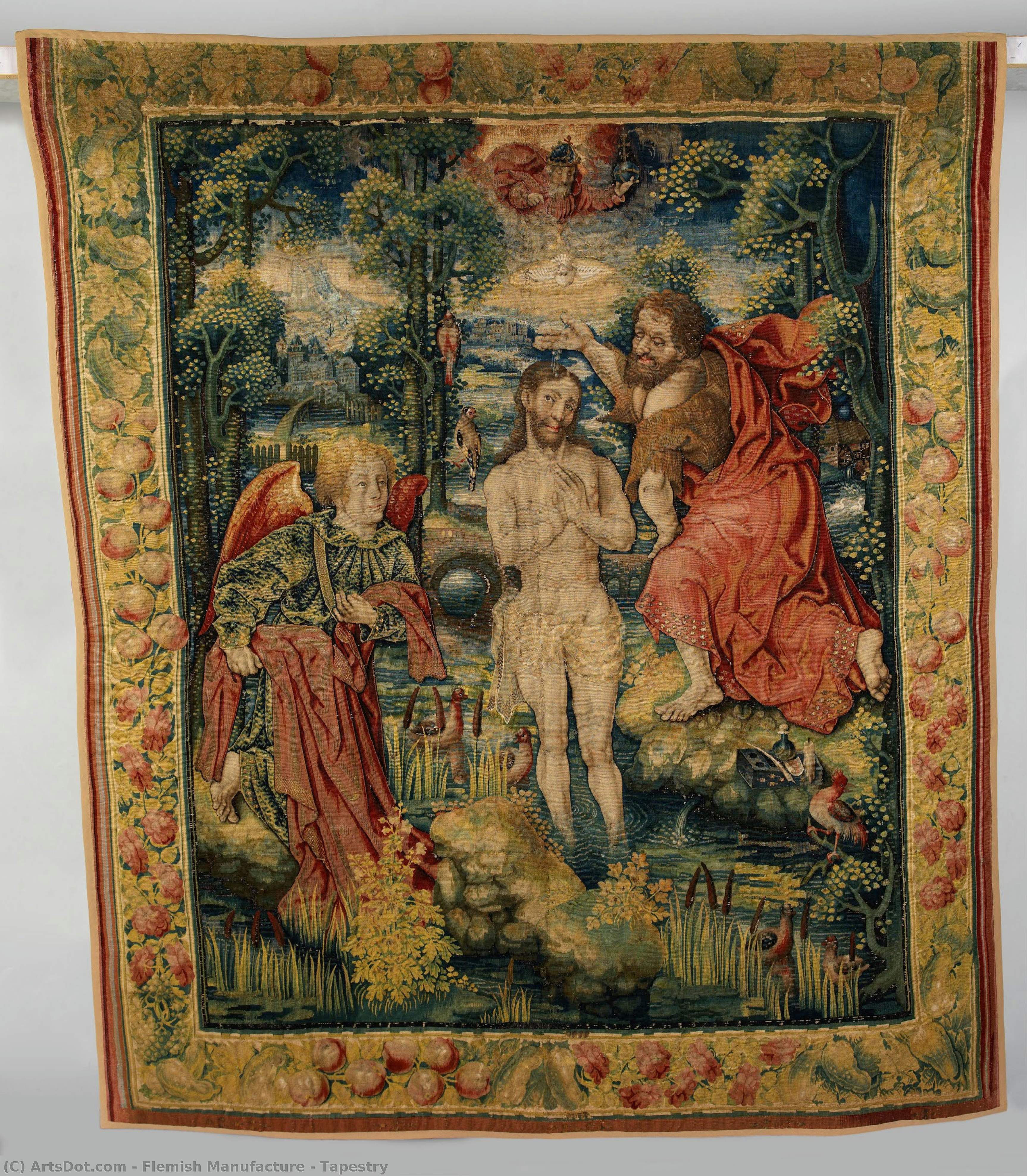
Tapestry

 Rozwiń treść
Kup wysokiej rozdzielczości, ulepszony obraz cyfrowy o znacznie wyższej jakości niż podgląd online.
Każdy plik jest starannie przygotowywany przez naszych specjalistów przy użyciu zaawansowanych narzędzi oraz profesjonalnej, ręcznej retuszy. Dbamy o to, aby każdy obraz cechował się wyjątkową ostrością, precyzyjnym odwzorowaniem kolorów i subtelnymi detalami.
Ostateczny plik dostarczany jest drogą mailową w ciągu 72 godzin, zoptymalizowany do natychmiastowego wykorzystania w profesjonalnych zastosowaniach redakcyjnych i poligraficznych. To ta sama jakość, której ufają czołowe studia projektowe, wydawnictwa oraz galerie sztuki.
Obraz cyfrowy
Pobierz plik o wysokiej rozdzielczości do osobistego wyświetlania, druku oraz projektów kreatywnych. ( Kup wydruk Kup ręcznie malowany obraz)
W każdym zamówieniu na obraz cyfrowy znajduje się
Profesjonalna dostawa cyfrowa z gwarancją
Wybierając OriginalUniqueArt.com, nie otrzymujesz jedynie obrazu – otrzymujesz profesjonalnie udoskonalone cyfrowe dzieło sztuki, stworzone z najwyższą precyzją i objęte gwarancją satysfakcji. Oto wszystko, co automatycznie dołączane jest do Twojego zamówienia:

Błyskawiczna wysyłka e-mailowa
Plik z obrazem cyfrowym w wysokiej rozdzielczości zostanie przesłany na Twój adres e-mail w ciągu 72 godzin od złożenia zamówienia – gotowy do natychmiastowego użycia.

Plik cyfrowy wzbogacony przez AI
Twoja grafika została profesjonalnie zoptymalizowana przy użyciu zaawansowanych narzędzi AI oraz ręcznej edycji, co zapewnia maksymalną szczegółowość, klarowność i wierność kolorów.

Dożywotnia darmowa ponowna dostawa
Przypadkowo usunąłeś lub zgubiłeś swój plik? Bez obaw – prześlemy go Tobie ponownie w dowolnym momencie, bez żadnych opłat.

Bez opłat importowych – zawsze
Ciesz się swoją sztuką natychmiast, bez żadnych opłat celnych, należności ani kosztów dostawy – pliki cyfrowe są zawsze wolne od podatku.

Gwarancja wierności kolorów
Dzięki zastosowaniu profesjonalnych narzędzi i procesów zarządzania barwą zapewniamy, że Twoje cyfrowe zdjęcie odzwierciedla oryginalne kolory tak wiernie, jak to tylko możliwe.

60-dniowa gwarancja satysfakcji
Jeśli nie będziesz zadowolony ze swojego cyfrowego obrazu, dokonamy jego poprawki lub zwrócimy 100% kosztów w ciągu 60 dni – bez żadnych pytań.

100% Gwarancja zwrotu pieniędzy
Nie jesteś zadowolony? Otrzymaj pełny zwrot kosztów w ciągu 60 dni od otrzymania pliku cyfrowego – bez zbędnych pytań.

Rabaty przy zamówieniach hurtowych
Kup 3 obrazy, oszczędź 10% - Kup 5, oszczędź 15% - Kup 10+, oszczędź 20%. Idealne do projektów kreatywnych, galerii i agencji.
Biografia artysty
The Enigmatic World of Flemish Manufacture Tapestries
The term “Flemish Manufacture” doesn’t denote a single artist, but rather a collective—a vibrant ecosystem of workshops and artisans flourishing primarily in Flanders (modern-day Belgium) during the 16th and 17th centuries. These were not merely weavers; they were skilled storytellers translating complex designs into breathtaking tapestries that adorned the palaces and homes of European nobility. To understand Flemish Manufacture is to delve into a world where artistry, commerce, and political power intertwined seamlessly. The workshops themselves operated as highly organized enterprises, employing designers—often from Italy or France—who created cartoons (full-scale painted designs), while master weavers oversaw the intricate process of bringing these visions to life on the loom.A Legacy Rooted in Medieval Tradition
The roots of Flemish tapestry production stretch back to the medieval period, with Arras and Tournai establishing themselves as prominent weaving centers. However, it was during the Renaissance that Flanders truly ascended to become *the* epicenter of luxury textile creation. The region’s strategic location—a crossroads of trade routes—facilitated access to both raw materials (wool, silk, and precious metals) and a diverse clientele eager for opulent displays of wealth and status. The decline of Italian workshops in the 15th century further propelled Flanders into prominence, as skilled artisans migrated north seeking patronage and stability. The demand was insatiable; tapestries weren’t simply decorative objects—they were portable expressions of power, used to fill vast spaces, insulate stone walls, and commemorate significant events. The influence of Italian Renaissance painting is particularly evident in the subject matter and compositional complexity of many Flemish tapestries, with mythological scenes, historical narratives, and allegorical representations becoming increasingly popular.Technique and Materials: A Symphony of Skill
Creating a Flemish tapestry was an extraordinarily labor-intensive process. The cartoons were laid beneath the loom, serving as guides for the weavers who worked from the back, meticulously knotting colored wools onto the warp threads. This technique—known as the *haute lisse* or high-warp weaving—allowed for incredible detail and nuanced shading. The palette was rich and varied, achieved through the skillful dyeing of wool with natural pigments derived from plants, insects, and minerals. Silk and even gold and silver threads were often incorporated to add luminosity and texture. The most accomplished weavers could create effects that mimicked painting, employing techniques like *verdure* (dense foliage) and *grisaille* (monochrome shading). The sheer scale of many tapestries—some measuring several stories high—testifies to the extraordinary patience and collaborative spirit of these workshops.Themes and Symbolism: Narratives Woven in Wool
Flemish Manufacture tapestries covered a vast range of themes, reflecting the tastes and preoccupations of their patrons. Mythological subjects, drawn from classical literature and Ovid’s *Metamorphoses*, were particularly popular, offering opportunities for allegorical interpretations and displays of artistic virtuosity. Historical tapestries—commemorating battles, royal marriages, or religious events—served as powerful statements of political legitimacy and dynastic pride. The Story of Constantine, for example, was a recurring motif, celebrating the Roman emperor’s conversion to Christianity. Allegorical scenes, often featuring personifications of virtues, vices, or the seasons, conveyed complex moral messages and philosophical ideas. Beyond the overt narratives, tapestries were also imbued with subtle symbolism—flowers, animals, and architectural elements all carried specific meanings that would have been understood by contemporary viewers.Historical Significance and Enduring Appeal
The workshops of Flanders dominated the tapestry market for over two centuries, shaping artistic trends and influencing weaving traditions across Europe. While production declined in the 18th century with changing tastes and the rise of other decorative arts, the legacy of Flemish Manufacture endures. Today, these tapestries are prized as masterpieces of textile art, offering invaluable insights into the cultural, political, and aesthetic values of the Renaissance and Baroque periods. They represent not only exceptional craftsmanship but also a unique form of storytelling—a vibrant tapestry woven with threads of history, mythology, and human ambition. The enduring appeal lies in their ability to transport us back in time, allowing us to glimpse the world through the eyes of those who commissioned and cherished these magnificent works of art.
Krótka nota
- Artistic Movement Or Style: Tapestry
- Date Of Death: Living
- Full Name: Flemish Manufacture
- Nationality: Flemish
- Notable Artworks: ['Tapestry']

