
 Zobacz w skali 1:1
 Wyślij
 Udostępnij
 Szczegóły
 Przewodnik

 Pobierz plik obrazu
 Podobne obiekty
 RTG
RTG Pokaz slajdów
 Statystyki
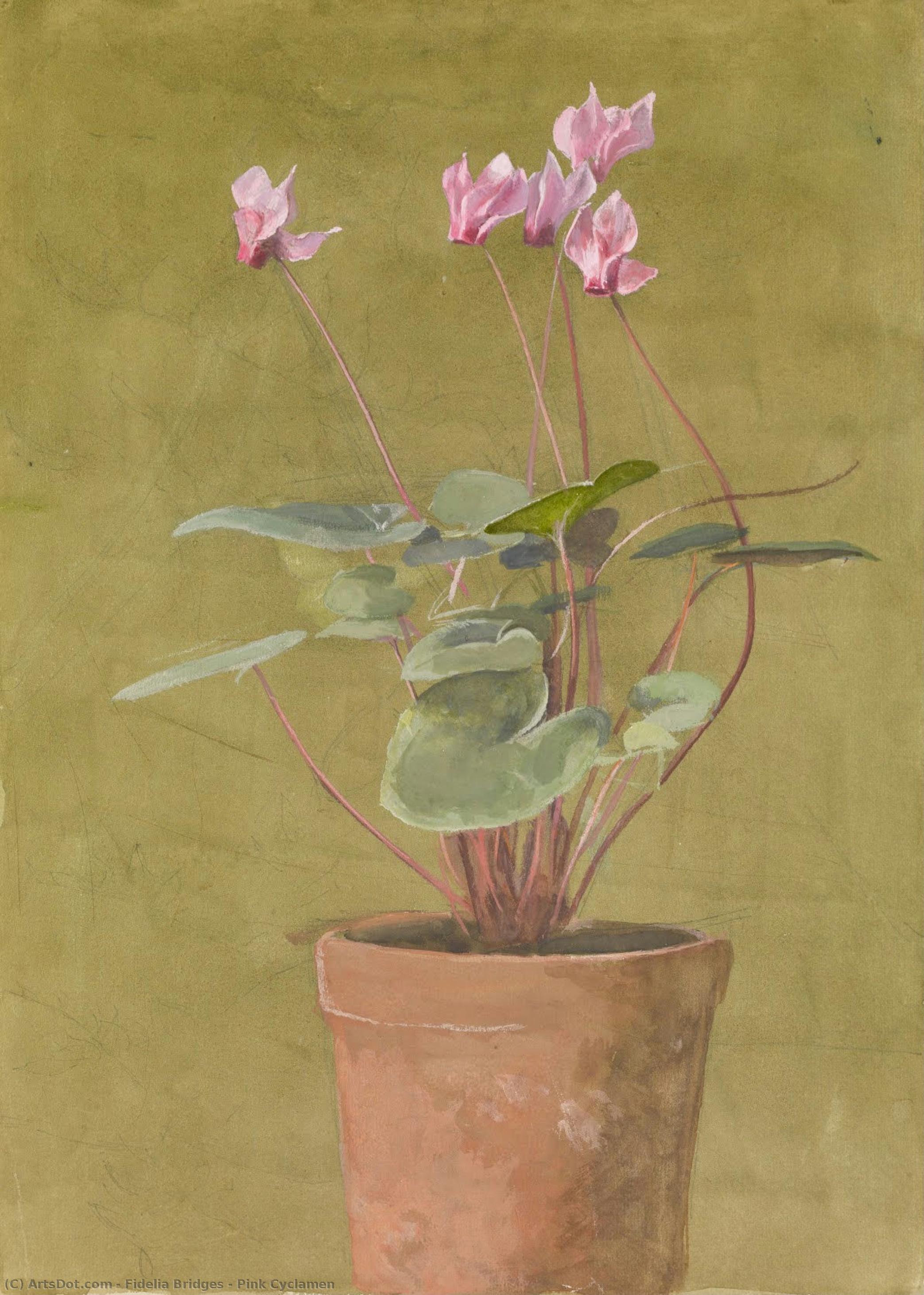
Pink Cyclamen
 Watercolor
- WallArt
- Pre-Raphaelite
 1875
1875- 19th Century
 25.0 x 35.0 cm
 Amon Carter Museum of American Art
 Czytaj więcej
Ręcznie malowana reprodukcja olejowa
Ręcznie malowany obraz olejny na płótnie, wykonany na zamówienie przez naszych artystów w wybranym przez Ciebie wymiarze i oprawie. ( Przełącz na wersję drukowaną Przełącz na wersję cyfrową)




P118B zł10

P118H zł10

P118W zł10

P438Z zł10

P508JH zł12

P508YH zł12

P805H zł10

P805Z zł10

P919BZ zł10

P919G zł10

P919XJ zł10

P959ZH zł10

P968JZ zł12

W106C zł8

W218G zł10

W218JH zł8

W218Y zł10

W307PJ zł10

W316G zł10

W316PJ zł8

W316Y zł10

W398PJ zł8

W4111J zł10

W500HY zł15

W500JH zł15

W692G zł12

W849H zł8

W940BG zł15

W953PJ zł8




Wybierz spośród naszych standardowych rozmiarów, które zachowują oryginalne proporcje dzieła sztuki.

Wpisz wymaganą szerokość i wysokość, aby obraz pasował do Twojej ramy lub ściany. Ponieważ jest to dzieło malowane ręcznie, w przypadku rozmiaru o innym proporcji artysta może domalować nieco więcej wokół obrazu lub przyciąć fragmenty — wybór należy do Ciebie. Przed rozpoczęciem pracy prześlemy Ci cyfrową wizualizację do zatwierdzenia. Obraz widoczny na tej stronie nie przedstawia rzeczywistego efektu — jedynie wizualizacja oddaje realny rezultat.
Po złożeniu zamówienia zespół OriginalUniqueArt.com skontaktuje się z klientem drogą mailową w celu uzyskania instrukcji i prześle wizualizację projektu
Dostawa na całym świecie () w ciągu 3–4 tygodni zamiast standardowych 5 tygodni. (24 Październik). Bez kompromisów w kwestii jakości.

Bezpłatna ekspresowa wysyłka na cały świat

Wysokiej jakości płótno lniane

Pełne ubezpieczenie transportowe

Gwarancja zwrotu należności celnych i podatków importowych

Gwarancja idealnego odwzorowania barw

100-dniowy okres na zwrot dzieła w przypadku wykrycia wad produkcyjnych

Gwarancja 100% zwrotu pieniędzy

Oferta przy zakupie wielu sztuk
 Opcja ze szkłem jest dostępna wyłącznie w rozmiarach poniżej 110 cm

Pink Cyclamen
Technika wykonania
Rozmiar reprodukcji
-


Suma do zapłaty
zł 1151
A Delicate Dance of Color and Light
In the gentle, luminous world of Fidelia Bridges, nature is not merely observed but intimately felt. Her 1875 watercolor, Pink Cyclamen, serves as a breathtaking testament to her mastery of the medium and her ability to capture the ephemeral beauty of the botanical world. The composition centers on a vibrant red pot, from which three delicate cyclamen blossoms emerge at varying heights, creating a rhythmic, upward movement that guides the eye through the frame. Set against a warm, sun-drenched yellow background, the painting achieves a luminous quality that feels as though it is radiating its own internal light. The contrast between the deep, passionate red of the vessel and the soft, tender pinks of the petals creates a visual harmony that is both stimulating and profoundly soothing.
The technique employed in this piece reflects the meticulous precision characteristic of Bridges’ later specialization in watercolor. Eschewing the heavy textures of oil, she utilizes the transparency of the watercolor medium to mimic the fragile, almost translucent nature of real flower petals. Each stroke is deliberate, contributing to a sense of "truth to nature" that was a hallmark of her training under the influence of Pre-Raphaelite ideals. The way the light seems to pass through the pink blossoms suggests a level of botanical accuracy that would have captivated 19th-century viewers, while the soft edges and bleeding colors in the background lend the work a dreamlike, atmospheric quality that transcends mere scientific illustration.
Historical Resonance and Artistic Legacy
To understand Pink Cyclamen, one must look to the era of its creation. During the late 19th century, American art was undergoing a transformation, moving toward a more nuanced appreciation for the subtle details of the natural landscape. As a pioneering female artist and the only woman in the early American Watercolor Society, Bridges brought a unique perspective to this movement. Her work often bridged the gap between scientific observation and poetic expression. This particular piece, painted during a period when botanical subjects were highly prized for their symbolic purity and domestic grace, reflects the Victorian era's deep connection to the natural world as a source of spiritual and aesthetic renewal.
For the modern collector or interior designer, this artwork offers much more than a simple floral motif. It is an invitation to tranquility. The piece possesses a timeless elegance that allows it to integrate seamlessly into a variety of sophisticated spaces, from a bright, contemporary sunroom to a classic, richly textured study. Because of its vibrant yet balanced palette, Pink Cyclamen acts as a focal point that can breathe life into a room, providing a sense of organic warmth and historical depth. Owning a high-quality reproduction of this masterpiece is an opportunity to bring a fragment of Bridges' delicate, light-filled legacy into the home, offering a permanent window into a moment of perfected natural beauty.
Pytania i odpowiedzi
Jak mogę pobrać obraz dzieła „Pink Cyclamen” autorstwa Fidelia Bridges?
Obraz „Pink Cyclamen” autorstwa Fidelia Bridges można pobrać ze strony Pobierz dzieła: wysokiej rozdzielczości cyfrowe zdjęcie do pobrania.
Dlaczego status praw autorskich dla "Pink Cyclamen" jest taki, jak jest?
Dzieło "Pink Cyclamen" autorstwa Fidelia Bridges znajduje się w stanowi domenę publiczną – autorskie prawa majątkowe wygasły. Okres ochrony praw autorskich liczony jest od daty śmierci artysty, a Fidelia Bridges zmarł(a) w 1923.
Jakie miejsce w historii sztuki zajmuje „Pink Cyclamen” autorstwa Fidelia Bridges?
„Pink Cyclamen” autorstwa Fidelia Bridges należy do nurtu Pre-Raphaelite, przypadającego na okres 19th Century. Razem nadają one dziełu jego miejsce w historii sztuki.
Biografia artysty
Early Life and Education
- Born: May 19, 1834, in Salem, Massachusetts
- Parents: Henry Gardiner Bridges (a sea captain) and Eliza Chadwick Bridges
- Orphaned at age fifteen after the deaths of both parents in 1849.
- Raised by her older sister, Eliza, who was a schoolteacher.
- Studied drawing during convalescence from an illness, influenced by artist Anne Whitney.
- Worked as a live-in mother's helper for William Augustus Brown, which led to the family’s move to Brooklyn, New York.
- Enrolled at the Pennsylvania Academy of Fine Arts in Philadelphia with William Trost Richards (c. 1860).
Artistic Development and Influences
- Initially an oil painter, later specialized in watercolor painting.
- Influenced by Pre-Raphaelite ideals and William Trost Richards’ emphasis on “truth to nature.”
- Developed a distinctive style characterized by delicate detail and meticulous observation of flora and fauna.
- Travels with the Richards family to Lake George, Lehigh Valley (Pennsylvania), and New Jersey for sketching trips.
- Studied in Rome for a year after the American Civil War.
- Her work combined romanticism with scientific precision, capturing microscopic details in nature.
Major Achievements and Recognition
- Exhibited works at the Pennsylvania Academy of Fine Arts and the National Academy of Design.
- Gained popularity for watercolor depictions of flowers and birds from 1871 onwards.
- Became the only woman among seven notable 19th-century artists in the American Watercolor Society (now the American Watercolor Society).
- Her paintings were reproduced and sold by Louis Prang, leading to a position as a designer for his firm, creating Christmas cards.
- Exhibited her work sporadically from 1863 until 1908.
- Elected as a National Academy of Design Associate in 1873.
Themes and Style
- Subject Matter: Primarily focused on flowers, plants, birds, and other aspects of nature.
- Style: Known for delicately detailed paintings that captured the beauty and serenity of natural scenes.
- Technique: Combined observation with imagination to infuse her subjects with poetic meaning.
- Unique Approach: Transformed flower painting from a hobby into a professional career for women artists.
- Favored Sites: Stratford, Connecticut, and the Housatonic River area were frequent sources of inspiration.
Historical Significance
- One of the few successful female artists in the 19th and early 20th centuries.
- Pioneered watercolor painting as a respected medium for professional artists.
- Her work reflects an appreciation for nature and a commitment to depicting its beauty with scientific accuracy and artistic sensitivity.
- Left behind a legacy of exquisitely detailed paintings that continue to be admired today.
- Died May 14, 1923, in Canaan, Connecticut.

Fidelia Bridges
1834 - 1923 , United States of America
Najważniejsze informacje
- Full Name: Fidelia Bridges
- Nationality: American
- Date Of Birth: 1834
- Date Of Death: 1923
- Place Of Birth: Salem, United States of America
- Artistic Movement Or Style: Pre-Raphaelite
- Artists Who Influenced This Artist:
- William Trost Richards
- Anne Whitney
Zobacz także powiązane artykuły

The Golden Hue: Exploring Symbolism & Emotion in Yellow Art
Explore the rich symbolism & emotional power of yellow in art history! From Van Gogh to Kandinsky, discover how artists used this vibrant hue. Expert analysis & high-quality reproductions at OriginalUniqueArt.
Top 10 Arcydzieł w Odcieniach Chromowej Żółci – Inspiracje do Wnętrz od OriginalUniqueArt
Odkryj 10 arcydzieł sztuki, w których króluje chromowa żółć! Van Gogh, Monet, Renoir i inni mistrzowie. Inspiracje wnętrzarskie i reprodukcje obrazów najwyższej jakości na OriginalUniqueArt.com. Eksploruj pełną kolekcję online!
Top 10 Sławnych Obrazów w Odcieniach Delikatnego Różu – Sztuka i Dekoracja Domu
Odkryj 10 najsłynniejszych obrazów w odcieniach delikatnego różu! Poznaj historie Monet, Degasa i innych mistrzów impresjonizmu. Inspiracje do dekoracji wnętrz i reprodukcje najwyższej jakości na OriginalUniqueArt.com – sztuka dla Twojego domu.
Top 10 Sławnych Obrazów w Odcieniach Ochry Żółtej – Sztuka i Dekoracja Domu
Odkryj 10 najsłynniejszych obrazów w odcieniach ochry żółtej! Van Gogh, Monet i inni mistrzowie. Poznaj historię sztuki, inspiracje kolorystyczne i techniki malarskie. Reprodukcje najwyższej jakości na OriginalUniqueArt.com – udekoruj swój dom arcydziełami!

Crimson Threads of Narrative: Exploring Symbolism & Representation in Artworks Featuring the Red Dress
Explore the rich symbolism of the red dress in art history! From ancient power displays to iconic portraits like Cézanne’s 'Madame Cezanne', discover the cultural and artistic significance behind this captivating color. Expert analysis & insights.