

 Zobacz w skali 1:1
 Wyślij
 Udostępnij
 Szczegóły
 Przewodnik

 Pobierz plik obrazu
 Podobne obiekty
 RTG
RTG Pokaz slajdów
 Statystyki
Walk in the hills


 Czytaj więcej
Dzieło sztuki prezentowane na tej stronie podlega ochronie prawem autorskim, co oznacza, że nie mamy prawa do tworzenia ani sprzedaży jego identycznej reprodukcji. Ochrona ta jest egzekwowana na mocy umów międzynarodowych, takich jak Konwencja berneńska oraz przez przepisy prawa krajowego, w tym te określone w Prawo autorskie USA – Tytuł 17.
Jako pełną szacunku i legalną alternatywę oferujemy personalizowane, malowane ręcznie dzieła sztuki inspirowane oryginałem. Nasi wykwalifikowani i profesjonalni artyści starannie analizują styl, nastrój oraz artystyczną esencję pierwowzoru, aby stworzyć nowe, unikalne dzieło, które przywołuje te same emocje – pozostając jednocześnie w pełni oryginalną kreacją.
Metoda ta jest w pełni zgodna z przepisami prawa autorskiego, ponieważ nie polega na kopiowaniu ani powielaniu chronionego dzieła. Stanowi ona kreatywną reinterpretację – nowy obraz, który czerpie inspirację z oryginału, ale nie jest z nim tożsamy.
Ręcznie malowana reprodukcja olejowa
Ręcznie malowany obraz olejny na płótnie, wykonany na zamówienie przez naszych artystów w wybranym przez Ciebie wymiarze i oprawie. ( Przełącz na wersję drukowaną Przełącz na wersję cyfrową)




P118B zł10

P118H zł10

P118W zł10

P438Z zł10

P508JH zł12

P508YH zł12

P805H zł10

P805Z zł10

P919BZ zł10

P919G zł10

P919XJ zł10

P959ZH zł10

P968JZ zł12

W106C zł8

W218G zł10

W218JH zł8

W218Y zł10

W307PJ zł10

W316G zł10

W316PJ zł8

W316Y zł10

W398PJ zł8

W4111J zł10

W500HY zł15

W500JH zł15

W692G zł12

W849H zł8

W940BG zł15

W953PJ zł8




Wybierz spośród naszych standardowych rozmiarów, które zachowują oryginalne proporcje dzieła sztuki.

Wpisz wymaganą szerokość i wysokość, aby obraz pasował do Twojej ramy lub ściany. Ponieważ jest to dzieło malowane ręcznie, w przypadku rozmiaru o innym proporcji artysta może domalować nieco więcej wokół obrazu lub przyciąć fragmenty — wybór należy do Ciebie. Przed rozpoczęciem pracy prześlemy Ci cyfrową wizualizację do zatwierdzenia. Obraz widoczny na tej stronie nie przedstawia rzeczywistego efektu — jedynie wizualizacja oddaje realny rezultat.
Po złożeniu zamówienia zespół OriginalUniqueArt.com skontaktuje się z klientem drogą mailową w celu uzyskania instrukcji i prześle wizualizację projektu
Dostawa na całym świecie () w ciągu 3–4 tygodni zamiast standardowych 5 tygodni. (24 Październik). Bez kompromisów w kwestii jakości.

Bezpłatna ekspresowa wysyłka na cały świat

Wysokiej jakości płótno lniane

Pełne ubezpieczenie transportowe

Gwarancja zwrotu należności celnych i podatków importowych

Gwarancja idealnego odwzorowania barw

100-dniowy okres na zwrot dzieła w przypadku wykrycia wad produkcyjnych

Gwarancja 100% zwrotu pieniędzy

Oferta przy zakupie wielu sztuk
 Opcja ze szkłem jest dostępna wyłącznie w rozmiarach poniżej 110 cm

Walk in the hills
Technika wykonania
Rozmiar reprodukcji
-


Suma do zapłaty
zł 1155
A Vision of Volumetric Stillness
In the vast landscape of twentieth-century Latin American art, few figures command attention with as much whimsical gravity as Fernando Botero. His 1977 masterpiece, Walk in the hills, serves as a profound window into the artist's signature aesthetic, often referred to as "Boterismo." At first glance, the painting presents a scene of quietude: a solitary figure, draped in heavy, dark garments and crowned with a black hat, stands amidst the rolling greenery of a hillside. Yet, beneath this deceptively simple surface lies a complex exploration of form and presence. Botero utilizes exaggerated volumes to breathe life into his subjects, transforming the human figure into a monumental sculpture of flesh and fabric that commands the space it occupies.
The technique employed in this work is a masterful nod to the Naïve Art and Primitivism movements. Rather than striving for hyper-realistic anatomical precision, Botero embraces a deliberate, smoothed texture and a simplified perspective that evokes a sense of timelessness and innocence. This stylistic choice allows the viewer to bypass the distractions of modern complexity and focus on the pure, sculptural essence of the subject. The brushwork is controlled and smooth, creating a surface where light and shadow play softly across the rounded contours of the priest, lending the piece a tactile quality that makes it an exquisite centerpiece for any sophisticated interior.
Symbolism and the Weight of Tradition
Beyond its aesthetic allure, Walk in the hills is a deeply symbolic narrative that invites intense contemplation. The central figure, a priest characterized by a peculiar, cross-eyed gaze, stands as a silent sentinel within the natural world. He holds an umbrella—a curious object to carry on a clear day—which serves as a poignant metaphor for a psychological or institutional defense mechanism. This umbrella represents a barrier, a way of shielding oneself from the external realities of the world, much like the insulating layers of bureaucracy or religious dogma can isolate an individual from true experience. The presence of the cross in his hand further anchors the piece in themes of spirituality and the heavy mantle of tradition.
There is a palpable sense of inertia within the composition; the priest does not move through the hills so much as he exists within them, embodying a state of passive existence. This tension between the vibrant, living landscape and the static, shielded figure creates an emotional resonance that is both unsettling and deeply moving. For the collector, this painting offers more than just visual beauty; it provides a conversation piece that explores the human condition, the concept of isolation, and the delicate balance between protection and disconnection.
An Elegant Addition to the Modern Collection
For interior designers and art enthusiasts alike, a high-quality reproduction of Walk in the hills offers a unique opportunity to introduce character and intellectual depth into a living space. The painting’s palette—a harmonious blend of earthy greens, deep blacks, and soft sky tones—allows it to integrate seamlessly into various decor styles, from contemporary minimalism to classic, traditional settings. Its ability to evoke both a sense of peace and a subtle, underlying critique makes it a versatile and captivating work.
Owning a piece that captures the essence of Botero’s genius means bringing a fragment of Colombian visionary art into one's private sanctuary. Whether placed in a sunlit gallery or a quiet study, this work continues to perform its primary function: inviting the observer to pause, to look closer, and to reflect on the beautiful, voluminous complexities of life itself.
Pytania i odpowiedzi
W jaki sposób tematyka dzieła "Walk in the hills" odnosi się do typowych motywów twórczości Fernando Botero?
Powracające motywy w twórczości Fernando Botero obejmują naive art influences, primitivism aesthetic, religious institution critique, societal inertia themes, symbolic religious imagery, exploration of volume, boterismo style development; „Walk in the hills” koncentruje się na priest, nature, symbolism, religious, boterismo, hillside, introspection.
Czy dzieło "Walk in the hills" jest w ogólnym rozrachunku jaśniejsze czy ciemniejsze?
Jasność dzieła „Walk in the hills” autorstwa Fernando Botero wynosi shadow, przy luminancji na poziomie Gentle Luminance.
Ilu użytkowników ogląda "Walk in the hills"?
Statystyki dotyczące „Walk in the hills” autorstwa Fernando Botero znajdują się na stronie Statystyki dzieła: obejmują one miesięczną liczbę odwiedzin danego dzieła, wizyty przy pracach artysty oraz podział ostatnich odwiedzających według krajów i języków.
Biografia artysty
Fernando Botero: A Colombian Visionary – Shaping Volume and Challenging Perspectives
Fernando Botero Angulo, a name synonymous with vibrant color, monumental forms, and a subtly subversive wit, emerged from the bustling city of Medellín in Colombia as one of Latin America’s most internationally recognized artists. His journey wasn't forged within the rigid confines of traditional art academies but rather blossomed amidst the rich Baroque architecture and dynamic urban life of his native home – an experience that profoundly shaped his distinctive artistic vision. Initially drawn to the drama of bullfighting, Botero quickly realized his true calling lay in exploring the fundamental principles of form and volume, a pursuit that would ultimately define his unique style, now universally known as “Boterismo.”The Seeds of Boterismo: Influences and Early Development
Botero’s artistic development wasn't a sudden revelation but rather a gradual evolution rooted in a deliberate rejection of European modernism. After periods studying in Madrid and Paris – experiences he later described as disillusioning due to the perceived superficiality of prevailing avant-garde movements – he returned to Colombia, seeking inspiration in the art that had deeply resonated with him during his formative years. He turned back to the Old Masters—Velázquez, Goya, and Titian—and rediscovered the power of classical form, a path that led directly to the birth of Boterismo. This wasn’t simply about depicting “fat people,” as some critics simplistically suggested; it was a conscious manipulation of proportion, an intentional exaggeration designed to evoke a sense of abundance, sensuality, and often, subtle social commentary. His early works, particularly those created in the 1950s and 60s, were heavily influenced by the vibrant colors and dynamic compositions of Latin American folk art, alongside the meticulous detail and masterful technique of Renaissance masters. The ornate colonial churches of Medellín, with their lavish decorations and dramatic lighting, served as a constant source of inspiration, imbuing his work with a sense of theatricality and grandeur.The Sculptural Expansion: From Painting to Three Dimensions
While Botero initially gained international recognition for his captivating paintings—works that immediately captured attention with their monumental scale and exaggerated forms—his artistic ambition extended far beyond the canvas. In 1973, he embarked on a transformative journey into sculpture, establishing a studio in Paris and embracing the challenge of translating his distinctive style into three dimensions. This transition proved remarkably successful, allowing him to further explore the principles of volume and form while simultaneously creating monumental public artworks that became beloved landmarks in cities around the world—from New York’s Park Avenue to Florence's Piazza della Signoria. His sculptures weren’t merely scaled-up versions of his paintings; they possessed a unique physicality, inviting viewers to engage with them on a tactile level and often imbued with a playful sense of humor.Themes of Identity and Social Commentary
Throughout his career, Botero consistently addressed themes deeply rooted in Colombian culture and society. His work frequently explored the complexities of national identity, celebrating the beauty and resilience of his homeland while simultaneously critiquing its political realities. He tackled sensitive subjects such as corruption, violence, and social inequality with a deftness that balanced humor and pathos. Notably, his *Violence* series (2000), created in response to Colombia’s ongoing drug-related conflicts, stands as a powerful testament to his commitment to using art as a vehicle for social commentary. Similarly, his *Abu Ghraib* series (2005) directly confronted the disturbing events at the Iraqi prison, demonstrating his willingness to engage with difficult and controversial issues on an international stage. These works weren’t simply artistic statements; they were acts of conscience, reflecting Botero's deep concern for human rights and social justice.Legacy and Recognition: A Global Icon
Fernando Botero’s impact on the art world is undeniable. He became a cultural icon in Colombia, donating generously to museums and public spaces, solidifying his place as a national treasure. His work has been exhibited extensively throughout the world, captivating audiences with its unique blend of sensuality, humor, and social commentary. He received numerous accolades, including the International Sculpture Center’s Lifetime Achievement Award in 2012, recognizing his profound contribution to contemporary sculpture. Botero's legacy extends beyond his artistic achievements; he inspired a generation of Latin American artists to embrace their own unique voices and perspectives on the world. His distinctive style continues to influence artists today, ensuring that his vision—one characterized by an appreciation for volume, a celebration of sensuality, and a commitment to social engagement—will endure for generations to come.
Fernando Botero
1932 - 1959 , Kolumbia
Najważniejsze informacje
- Artistic Movement Or Style: Boterismo
- Artists Or Movements Influenced By This Artist:
- Barok
- Folk art
- Artists Who Influenced This Artist:
- Velázquez
- Goya
- Rivera
- Date Of Birth: 19 Apr 1932
- Date Of Death: 15 Sep 2023
- Full Name: Fernando Botero Angulo
- Nationality: Kolombijczyk
- Notable Artworks:
- Mona Lisa, Age Twelve
- Rodzinny prezydent
- Tancerze
- Place Of Birth: Medellín, Kolumbia
Zobacz także powiązane artykuły
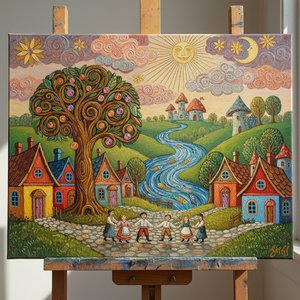
Sztuka Naiwna: Między Prostotą a Wizją – Historia, Charakterystyka i Trwały Urok Fenomenu Artystycznego
Poznaj fascynujący świat sztuki naiwnej! Historia, charakterystyka, wybitni artyści i unikalny urok tego niezwykłego kierunku. Ekspercka analiza dla kolekcjonerów i miłośników sztuki.

The Pure Charm of Naïve Art: Finding Beauty in Simplicity, Soul, and the Unfiltered Vision
Discover the profound beauty of Naïve Art. Explore how self-taught masters bypass academic tradition to capture raw emotional truth through vibrant color and soulful simplicity. A cultural journey for the true art lover seeking depth beyond convention.

Bunt Przeciw Konwencji: Odkrywanie Naiwnego Sztuki i Prymitywizmu jako Wyraz Odwrócenia Akademickich Tradycji
Odkryj fascynujący świat sztuki naiwnej i prymitywizmu! Analiza porównawcza, historia, wpływ na awangardę oraz współczesne interpretacje. Ekspercka wiedza dla kolekcjonerów i miłośników sztuki.
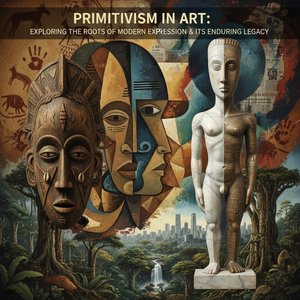
Prymitywizm w sztuce: Korzenie nowoczesnej ekspresji i jego trwałe dziedzictwo
Poznaj fascynujący świat prymitywizmu w sztuce! Odkryj korzenie nowoczesnej ekspresji, wpływ na awangardę i sylwetki kluczowych artystów. Ekspercka analiza i bogate źródła.

Raw, Bold, Unfiltered: Why Naive Art is the Ultimate Vibe for Your Space
Ditch the boring decor. Discover why Naive Art's raw, bold, and unfiltered aesthetic is the ultimate trend for modern urban spaces. Learn how to use vibrant colors and unstudied sincerity to create a high-impact, authentic vibe in your home or studio.

