Boterismo
pastèques et oranges (Fernando Botero)
Fernando Botero (1932–2023) stworzył pastèques et oranges. Należy do nurtu Boterismo. Wykonano w technice Painting.
- Painting

 Podgląd w skali 1:1

 Ręcznie malowany obraz olejny
 Wyślij jako kartkę
 Udostępnij
 Karta informacyjna


 Pobierz obraz
 Podobne obiekty
 RTG
 Pokaz slajdów
 Pytania i odpowiedzi

 Statystyki
pastèques et oranges w skrócie
- Tytuł
- pastèques et oranges
- Artysta
- Fernando Botero (1932–2023)
- Miejsce urodzenia artysty
- Medellín, Kolumbia
- Technika wykonania
- Painting
- Ruch
- Boterismo
- Temat
- still life, fruit arrangement, botero style, table setting, kitchen scene, vibrant colors
Co przedstawia pastèques et oranges?
The Abundance of Form: Exploring Botero's Still Life
To stand before a piece evoking the spirit of Fernando Botero’s still life compositions is to encounter an immediate sense of opulent, almost monumental presence. This painting, featuring a carefully arranged tableau of fruit—the vibrant pink watermelon, the glossy oranges, and the clustered apples—is more than just a depiction of harvest; it is a celebration of volume itself. Botero, whose signature style, Boterismo, imbues every object with an exaggerated, corpulent grace, transforms the mundane act of arranging food into a grand, sculptural event. The composition suggests a moment paused in time, perhaps before a convivial meal, where the very objects seem to swell with life and significance.
Mastery of Volume and Form
Botero’s genius lies in his unwavering commitment to volume. In this arrangement, every piece—from the smooth curve of an orange to the gentle slope of an apple—is rendered with a palpable sense of weight and substance. His technique does not merely paint what is seen; it sculpts it onto the canvas. The artist treats the fruit as if they were carved from rich, yielding material, giving them a permanence that belies their perishable nature. This masterful handling of form allows the viewer's eye to wander across the table setting, appreciating the interplay between the smooth skin of the watermelon and the clustered geometry of the surrounding items, all anchored by the quiet presence of the bowl and the suggestion of nearby implements.
Symbolism in the Everyday
Still life painting has always been a meditation on transience—the beauty of things that will inevitably fade. However, through Botero’s lens, this contemplation shifts. The abundance here speaks not of decay, but of enduring richness and generous plenty. The fruit, traditionally symbols of fertility and earthly bounty across cultures, are amplified by his style to become emblems of life's overflowing gifts. It invites the collector or decorator to consider how art can elevate the everyday domestic scene into something mythic, transforming a simple kitchen table into a stage for contemplation.
Bringing Botero Home: An Aesthetic Statement
For those seeking to infuse a space with the unmistakable warmth and dramatic flair of Colombian masters, this reproduction offers an unparalleled opportunity. The inclusion of elements like the background chair grounds the scene in domestic reality, making the grandeur feel intimate rather than distant. Owning or displaying such a piece is not merely decorating; it is curating a narrative of enduring artistic pleasure. It suggests a taste that appreciates bold form, rich color saturation, and an art history steeped in joyous, voluminous storytelling.
Zdjęcia w wysokiej rozdzielczości dzieła pastèques et oranges

Chronione prawem autorskim: pliki te służą wyłącznie do osobistego wglądu i nie stanowią licencji na ich powielanie.
Fernando Botero, pastèques et oranges.
Odpowiedzi na pytania dotyczące pastèques et oranges
W jakiej technice wykonano „pastèques et oranges” – Fernando Botero?
Fernando Botero wykorzystał/a technikę Painting w pracy „pastèques et oranges”. Technika ta definiuje materię oryginalnego dzieła.
Co przedstawia "pastèques et oranges"?
Tematyka dzieła "pastèques et oranges" to still life, fruit arrangement, botero style, table setting, kitchen scene, vibrant colors.
Czy dzieło "pastèques et oranges" znajduje się w domenie publicznej?
Status praw autorskich dla „pastèques et oranges” – Fernando Botero: dzieło znajduje się w nadal objęte ochroną prawa autorskiego. Określa to, czy reprodukcje obrazu mogą być sporządzane swobodnie.
Któremu artyście przypisuje się "pastèques et oranges"?
„pastèques et oranges” zostało stworzone przez Fernando Botero. Informacje na tej stronie dotyczą oryginalnego dzieła autorstwa Fernando Botero.
Do jakiego nurtu w sztuce należy „pastèques et oranges” – Fernando Botero?
„pastèques et oranges” – Fernando Botero należy do nurtu Boterismo. Nurt ten stanowi stylistyczny kontekst dzieła.
Do którego okresu twórczości Fernando Botero należy dzieło „pastèques et oranges”?
„pastèques et oranges” pochodzi z okresu Mature Period w twórczości Fernando Botero. Klasyfikacja ta wiąże dzieło z rozwojem artysty.
Czy dzieło „pastèques et oranges” autorstwa Fernando Botero znajduje się w domenie publicznej i dlaczego?
„pastèques et oranges” – Fernando Botero jest nadal objęte ochroną prawa autorskiego. Okres ochrony praw autorskich liczony jest od śmierci artysty, która nastąpiła w 2023.
W jaki sposób "pastèques et oranges" wpisuje się w tematykę i styl twórczości Fernando Botero?
"pastèques et oranges" wpisuje się w nurt Boterismo w twórczości Fernando Botero, której charakterystyczne motywy obejmują baroque splendor influence, everyday life celebration, volume exaggeration focus, colombian cultural identity.
Jakie miejsce zajmuje „pastèques et oranges” wśród powracających motywów w twórczości Fernando Botero?
„pastèques et oranges” przedstawia still life, fruit arrangement, botero style, table setting, kitchen scene, vibrant colors, podczas gdy powracające motywy u Fernando Botero to baroque splendor influence, everyday life celebration, volume exaggeration focus, colombian cultural identity. Porównanie tych dwóch elementów ukazuje, jak dzieło nawiązuje do typowej dla tego artysty tematyki.
O artyście: Fernando Botero

1932–2023, Kolumbia
Fernando Botero
Wczesne lata, rodzina i kształcenie Fernando Botero przyszedł na świat 19 kwietnia 1932 roku w Medellín w Kolumbii. Jego dzieciństwo zostało ukształtowane przez ciche, miarowe rytmy domowego ogniska, w którym codzienność była nieustanną walką o przetrwanie. Jego ojciec, David Botero, utrzymywał rodzinę jako handlarz, często przemierzając szlaki konno, aby dotrzeć do swoich klientów. Matka, Flora Angulo, pracowała jako szwaczka, zapewniając niezbędne wsparcie dla domu.
Inne prace Fernando Botero
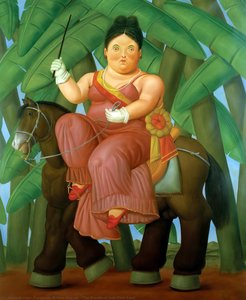 Prezydent i Pierwsza Dama
 la collectionneuse
 la famille
 scene de famille
Eseje o pastèques et oranges
 Nature's Bounty: The Timeless Allure and Art History of Fruit Still Life PaintingsDiscover the profound beauty of fruit still life paintings. Explore the rich symbolism, Baroque mastery, and timeless allure of nature's bo…
 25 Masterpieces by Jean-Antoine Watteau: The Essence of Rococo EleganceExperience the Rococo elegance of Jean-Antoine Watteau's finest works. Explore the full collection online at OriginalUniqueArt.com.
 Sun-Drenched Citrus: The Vibrant Beauty of Oranges in Impressionist MasterpiecesEmbark on a sensory journey through Impressionist masterpieces. Discover how Renoir and Cézanne captured the vibrant light and luscious tex…