
 Podgląd w skali 1:1
 Wyślij jako kartkę
 Udostępnij
 Szczegóły dzieła
 Przewodnik

 Pobierz obraz
 Podobne obiekty
 RTG
RTG Pokaz slajdów
 Q&A
Q&A Statystyki
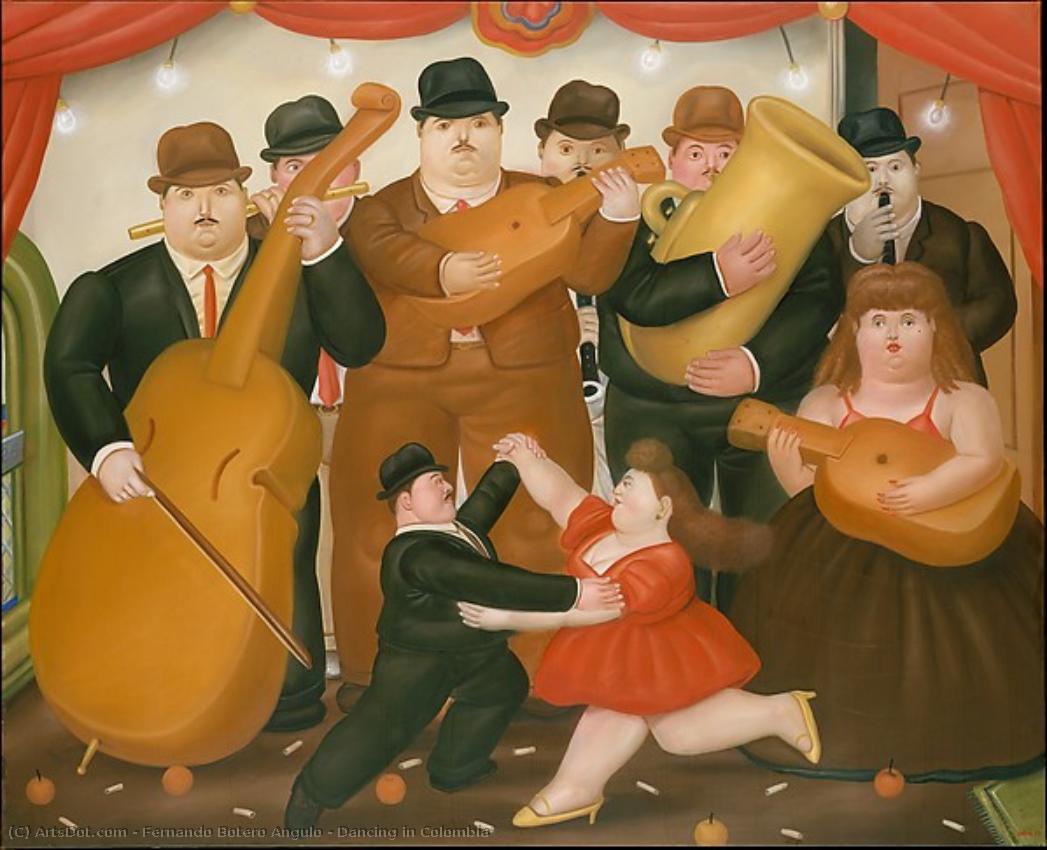
Dancing in Colombia
 Oil On Canvas
- WallArt
- Boterismo
 1980
1980- Modern
 188.0 x 231.0 cm
 Metropolitan Museum of Art
 Rozwiń treść
Otrzymaj plik gotowy do druku, którego jakość znacznie przewyższa podgląd internetowy. Każdy sprzedawany przez nas obraz cyfrowy pochodzi z wysokorozdzielczego pliku wzorcowego w naszej bazie — zazwyczaj o szerokości od 5 000 do 15 000 pikseli — dzięki czemu możesz drukować w dużym formacie, mocno kadrować lub z pełnym przekonaniem odwzorowywać najdrobniejsze detale.
Żaden plik nie opuszcza naszego studia bez odpowiedniej obróbki. Ekspert ds. cyfrowej edycji sprawdza zgodność kolorów z oryginałem i w razie potrzeby je koryguje, a następnie za pomocą profesjonalnych narzędzi do retuszu poprawia ostrość oraz szczegółowość — zawsze zachowując wierność pociągnięciom pędzla i stylowi artysty. Rezultatem jest obraz, który wygląda jak prawdziwe dzieło, a nie jak przefiltrowany skan.
Zatwierdzasz przed finalizacją zamówienia: nasz ekspert prześle obraz drogą mailową w ciągu 72 godzin do Twojego wglądu. Nie jesteś zadowolony? Poproś o poprawki lub korektę, bądź o zwrot kosztów, jeśli jakość nie spełnia oczekiwań.
To jakość, na której polegają wydawcy, studia projektowe, galerie oraz drukarnie.
Obraz cyfrowy
Pobierz plik o wysokiej rozdzielczości do osobistego użytku, druku oraz projektów kreatywnych. ( Przełącz na wydania drukowane Zamów ręcznie malowaną reprodukcję)
W każdym zamówieniu na obraz cyfrowy znajduje się
Profesjonalna dostawa cyfrowa z gwarancją
Wybierając OriginalUniqueArt.com, nie otrzymujesz jedynie obrazu – otrzymujesz profesjonalnie udoskonalone cyfrowe dzieło sztuki, stworzone z najwyższą precyzją i objęte gwarancją satysfakcji. Oto wszystko, co automatycznie dołączane jest do Twojego zamówienia:

Błyskawiczna wysyłka e-mailowa
Plik z obrazem cyfrowym w wysokiej rozdzielczości zostanie przesłany na Twój adres e-mail w ciągu 72 godzin od złożenia zamówienia – gotowy do natychmiastowego użycia.

Plik cyfrowy wzbogacony przez AI
Twoja grafika została profesjonalnie zoptymalizowana przy użyciu zaawansowanych narzędzi AI oraz ręcznej edycji, co zapewnia maksymalną szczegółowość, klarowność i wierność kolorów.

Darmowe ponowne przesyłki dożywotnio
Przypadkowo usunąłeś lub zgubiłeś swój plik? Bez obaw – prześlemy go Tobie ponownie w dowolnym momencie, bez żadnych opłat.

Bez opłat importowych – zawsze
Ciesz się swoją sztuką natychmiast, bez żadnych opłat celnych, należności ani kosztów dostawy – pliki cyfrowe są zawsze wolne od podatku.

Gwarancja wierności kolorów
Dzięki zastosowaniu profesjonalnych narzędzi i procesów zarządzania barwą zapewniamy, że Twoje cyfrowe zdjęcie odzwierciedla oryginalne kolory tak wiernie, jak to tylko możliwe.

Gwarancja satysfakcji przez 100 dni
Jeśli nie będziesz zadowolony ze swojego cyfrowego obrazu, dokonamy jego poprawki lub zwrócimy 100% kosztów w ciągu 100 dni – bez zbędnych pytań.

100% Gwarancja zwrotu pieniędzy
Nie jesteś zadowolony? Otrzymaj pełny zwrot kosztów w ciągu 100 dni od otrzymania pliku cyfrowego – bez zbędnych pytań.

Rabaty przy zamówieniach hurtowych
Kup 3 obrazy, oszczędź 10% - Kup 5, oszczędź 15% - Kup 10+, oszczędź 20%. Idealne do projektów kreatywnych, galerii i agencji.
A Symphony of Volume and Vitality
In the vibrant tapestry of twentieth-century Latin American art, few works capture the exuberant pulse of a nation quite like Fernando Botero’s Dancing in Colombia. Completed in 1980, this masterful oil painting serves as a window into a world where movement and mass coexist in a joyful, rhythmic embrace. At first glance, the viewer is swept up in a scene of delightful disorder; a crowded café or social gathering teems with life, featuring musicians, dancers, and figures caught in moments of playful interaction. The composition is intentionally dense, creating an atmosphere of festive abundance that mirrors the very spirit of Colombian celebration. Through his legendary "Boterismo" style, Botero transforms a simple social scene into a monumental spectacle, where every figure possesses a weight and presence that demands attention.
The brilliance of this piece lies in its masterful use of exaggerated proportions. Botero does not merely paint people; he sculpts them with pigment. The figures are rendered with an unmistakable, voluminous roundness—a technique that breathes life into the canvas through sheer physical presence. This sense of weight is further enhanced by a sophisticated application of impasto, where thick, deliberate brushstrokes build a tactile topography across the surface. As light interacts with these raised layers of oil paint, it creates subtle shadows and highlights that accentuate the soft, undulating contours of the subjects. The color palette is equally captivating, dominated by warm, sun-drenched orange hues that radiate energy, contrasted against deeper, more somber tones in the clothing to provide a structural anchor to the swirling movement.
Cultural Resonance and Artistic Legacy
To understand Dancing in Colombia, one must look toward the artist's profound connection to his roots. Botero’s visual language was forged in the colonial churches of Medellín, surrounded by the grandeur of Baroque sculpture and the primitive strength of Pre-Columbian art. This painting is a sophisticated dialogue between those ancestral influences and the refined techniques of the European Renaissance. While the flattened perspective and bold outlines hint at a Naïve or Primitivist sensibility, the underlying mastery of form reveals an artist deeply conversant with the classical traditions of volume and light. There is a subtle, playful critique woven into the excess; by inflating the figures, Botero invites us to contemplate themes of abundance, societal norms, and the beautiful absurdity of human interaction.
For the discerning collector or interior designer, this artwork offers more than mere decoration; it provides a focal point of profound emotional character. The painting’s ability to command a room stems from its inherent optimism and its rhythmic, almost musical, composition. It possesses a rare versatility, capable of injecting a sense of sophisticated whimsy into a modern minimalist space or adding a layer of historical depth to a more traditional setting. Owning a high-quality reproduction of such a significant work allows one to bring the warmth, the history, and the unmistakable Colombian soul of Botero’s vision into their own private sanctuary, serving as a perennial celebration of life's most exuberant moments.
Pytania i odpowiedzi
Kiedy powstało i w jakim nurcie utrzymane jest dzieło „Dancing in Colombia” – Fernando Botero?
Dzieło "Dancing in Colombia" powstało w 1980 roku i reprezentuje nurt Boterismo.
Gdzie można kupić ręcznie malowane reprodukcje dzieła „Dancing in Colombia” – Fernando Botero?
"Dancing in Colombia" jest dostępny jako ręcznie malowana reprodukcja olejowa na płótnie lnianym. Zamówienie można złożyć na stronie Ręcznie malowana reprodukcja, wybierając preferowany rozmiar.
Jaki rozmiar wydruku „Dancing in Colombia” – Fernando Botero będzie odpowiedni do zalecanego pomieszczenia?
Dla Living Room zalecany rozmiar wydruku dzieła „Dancing in Colombia” – Fernando Botero to Large.
Biografia artysty
Fernando Botero: A Colombian Visionary – Shaping Volume and Challenging Perspectives
Fernando Botero Angulo, a name synonymous with vibrant color, monumental forms, and a subtly subversive wit, emerged from the bustling city of Medellín in Colombia as one of Latin America’s most internationally recognized artists. His journey wasn't forged within the rigid confines of traditional art academies but rather blossomed amidst the rich Baroque architecture and dynamic urban life of his native home – an experience that profoundly shaped his distinctive artistic vision. Initially drawn to the drama of bullfighting, Botero quickly realized his true calling lay in exploring the fundamental principles of form and volume, a pursuit that would ultimately define his unique style, now universally known as “Boterismo.”The Seeds of Boterismo: Influences and Early Development
Botero’s artistic development wasn't a sudden revelation but rather a gradual evolution rooted in a deliberate rejection of European modernism. After periods studying in Madrid and Paris – experiences he later described as disillusioning due to the perceived superficiality of prevailing avant-garde movements – he returned to Colombia, seeking inspiration in the art that had deeply resonated with him during his formative years. He turned back to the Old Masters—Velázquez, Goya, and Titian—and rediscovered the power of classical form, a path that led directly to the birth of Boterismo. This wasn’t simply about depicting “fat people,” as some critics simplistically suggested; it was a conscious manipulation of proportion, an intentional exaggeration designed to evoke a sense of abundance, sensuality, and often, subtle social commentary. His early works, particularly those created in the 1950s and 60s, were heavily influenced by the vibrant colors and dynamic compositions of Latin American folk art, alongside the meticulous detail and masterful technique of Renaissance masters. The ornate colonial churches of Medellín, with their lavish decorations and dramatic lighting, served as a constant source of inspiration, imbuing his work with a sense of theatricality and grandeur.The Sculptural Expansion: From Painting to Three Dimensions
While Botero initially gained international recognition for his captivating paintings—works that immediately captured attention with their monumental scale and exaggerated forms—his artistic ambition extended far beyond the canvas. In 1973, he embarked on a transformative journey into sculpture, establishing a studio in Paris and embracing the challenge of translating his distinctive style into three dimensions. This transition proved remarkably successful, allowing him to further explore the principles of volume and form while simultaneously creating monumental public artworks that became beloved landmarks in cities around the world—from New York’s Park Avenue to Florence's Piazza della Signoria. His sculptures weren’t merely scaled-up versions of his paintings; they possessed a unique physicality, inviting viewers to engage with them on a tactile level and often imbued with a playful sense of humor.Themes of Identity and Social Commentary
Throughout his career, Botero consistently addressed themes deeply rooted in Colombian culture and society. His work frequently explored the complexities of national identity, celebrating the beauty and resilience of his homeland while simultaneously critiquing its political realities. He tackled sensitive subjects such as corruption, violence, and social inequality with a deftness that balanced humor and pathos. Notably, his *Violence* series (2000), created in response to Colombia’s ongoing drug-related conflicts, stands as a powerful testament to his commitment to using art as a vehicle for social commentary. Similarly, his *Abu Ghraib* series (2005) directly confronted the disturbing events at the Iraqi prison, demonstrating his willingness to engage with difficult and controversial issues on an international stage. These works weren’t simply artistic statements; they were acts of conscience, reflecting Botero's deep concern for human rights and social justice.Legacy and Recognition: A Global Icon
Fernando Botero’s impact on the art world is undeniable. He became a cultural icon in Colombia, donating generously to museums and public spaces, solidifying his place as a national treasure. His work has been exhibited extensively throughout the world, captivating audiences with its unique blend of sensuality, humor, and social commentary. He received numerous accolades, including the International Sculpture Center’s Lifetime Achievement Award in 2012, recognizing his profound contribution to contemporary sculpture. Botero's legacy extends beyond his artistic achievements; he inspired a generation of Latin American artists to embrace their own unique voices and perspectives on the world. His distinctive style continues to influence artists today, ensuring that his vision—one characterized by an appreciation for volume, a celebration of sensuality, and a commitment to social engagement—will endure for generations to come.
Fernando Botero
1932 - 1959 , Kolumbia
Krótka nota
- Artistic Movement Or Style: Boterismo
- Artists Or Movements Influenced By This Artist:
- Barok
- Folk art
- Artists Who Influenced This Artist:
- Velázquez
- Goya
- Rivera
- Date Of Birth: 19 Apr 1932
- Date Of Death: 15 Sep 2023
- Full Name: Fernando Botero Angulo
- Nationality: Kolombijczyk
- Notable Artworks:
- Mona Lisa, Age Twelve
- Rodzinny prezydent
- Tancerze
- Place Of Birth: Medellín, Kolumbia