

 Podgląd w skali 1:1
 Wyślij jako kartkę
 Udostępnij
 Szczegóły dzieła
 Przewodnik

 Pobierz obraz
 Podobne obiekty
 RTG
RTG Pokaz slajdów
 Q&A
Q&A Statystyki
Ethnographic drawing -
 Ink On Paper
- Ethnographic Drawing
 1900
1900- 19th Century
 61.0 x 43.0 cm
 National Museum of Ethnology
 Rozwiń treść
Dzieło sztuki prezentowane na tej stronie podlega ochronie prawem autorskim, co oznacza, że nie mamy prawa do tworzenia ani sprzedaży jego identycznej reprodukcji. Ochrona ta jest egzekwowana na mocy umów międzynarodowych, takich jak Konwencja berneńska oraz przez przepisy prawa krajowego, w tym te określone w Prawo autorskie USA – Tytuł 17.
Metoda ta jest w pełni zgodna z przepisami prawa autorskiego, ponieważ nie polega na kopiowaniu ani powielaniu chronionego dzieła. Stanowi ona kreatywną reinterpretację – nowy obraz, który czerpie inspirację z oryginału, ale nie jest z nim tożsamy.
Giclée / Wydruk artystyczny
Wydruki giclée lub płótna o jakości muzealnej, szybka realizacja i szeroki wybór opcji wykończenia. ( Zamów ręcznie malowaną reprodukcję Przejdź do wersji cyfrowej)




P118B zł10

P118H zł10

P118W zł10

P438Z zł10

P508JH zł12

P508YH zł12

P805H zł10

P805Z zł10

P919BZ zł10

P919G zł10

P919XJ zł10

P959ZH zł10

P968JZ zł12

W106C zł8

W218G zł10

W218JH zł8

W218Y zł10

W307PJ zł10

W316G zł10

W316PJ zł8

W316Y zł10

W398PJ zł8

W4111J zł10

W500HY zł15

W500JH zł15

W692G zł12

W849H zł8

W940BG zł15

W953PJ zł8




Wybierz spośród naszych standardowych rozmiarów, które zachowują oryginalne proporcje dzieła sztuki.

Wpisz wymaganą szerokość i wysokość, aby dopasować grafikę do ramy lub ściany. Wydruk można jedynie przyciąć, nigdy nie powiększając go poza oryginalny obraz, dlatego format o innych proporcjach spowoduje utratę części kompozycji. Przed rozpoczęciem druku prześlemy Ci cyfrowy podgląd do zatwierdzenia. Obraz wyświetlany na tej stronie nie pokazuje rzeczywistego przycięcia — jedynie podgląd oddaje ten efekt.
Dostawa na cały świat () w ciągu 2 tygodni zamiast standardowych 4/5 tygodni. (30 Październik)

Bezpłatna ekspresowa wysyłka na cały świat

Wysokiej jakości płótno lniane

Pełne ubezpieczenie przesyłki

Gwarancja zwrotu należności celnych i podatków importowych

Gwarancja wiernego odwzorowania kolorów

100-dniowa polityka zwrotów (tylko w przypadku wad)

Gwarancja 100% zwrotu pieniędzy

Zniżka przy zakupie wielu sztuk
 Opcja ze szkłem jest dostępna wyłącznie w rozmiarach poniżej 110 cm

Ethnographic drawing -
Giclée / Wydruk artystyczny
Wymiary reprodukcji
-


Cena całkowita
zł 311
A Silent Symphony in Ink
In the delicate intersection of scientific observation and artistic mastery lies Fernando Barbedo Galhano’s 1900 ethnographic drawing of the ‘gabo.’ This monochrome masterpiece serves as more than a mere illustration; it is a profound window into a vanishing world. The subject, a gourd lute from South America, is captured with such meticulous precision that one can almost feel the organic texture of the dried gourd and the tension of the strings. Rendered in grayscale tones against a soft, cream-colored backdrop, the composition possesses a quiet, meditative stillness. Every line serves a purpose, tracing the contours of this indigenous instrument with a reverence that transcends simple documentation, inviting the viewer to contemplate the rhythmic soul of a culture through the silent medium of pen and ink.
The technique employed by Galhano is a testament to the rigorous discipline of early 20th-century ethnographic illustration. Utilizing fine-point pen and ink, the artist achieves a remarkable sense of depth and three-dimensionality through sophisticated hatching and varying line weights. There is a rhythmic quality to the linework that mimics the very music the gabo was designed to produce. The lighting is soft and diffuse, eschewing dramatic shadows in favor of an even, honest illumination that celebrates the structural integrity of the instrument. This realistic, observational style allows the geometric precision of the neck and strings to harmonize with the organic, rounded forms of the gourd, creating a balanced visual experience that is both intellectually stimulating and aesthetically soothing.
For the discerning collector or interior designer, this piece offers a sophisticated touch of historical elegance. Its neutral palette and fine-line detail make it an incredibly versatile addition to a curated space, capable of anchoring a room with its scholarly weight while blending seamlessly into modern, minimalist, or classical settings. Beyond its decorative value, the drawing carries an emotional resonance—a poignant reminder of our shared human heritage and the importance of preserving cultural artifacts. Owning a reproduction of this work is not merely about acquiring art; it is about hosting a piece of history that celebrates the beauty of human ingenuity and the enduring power of ethnographic storytelling.
Pytania i odpowiedzi
Czy Fernando Barbedo Galhano, twórca "Ethnographic drawing -", jest znany pod innymi nazwiskami?
Fernando Barbedo Galhano występuje również pod innymi nazwiskami: Fernando Galhano.
Kto stworzył "Ethnographic drawing -" i w jakim roku?
Fernando Barbedo Galhano, "Ethnographic drawing -", 1900 rok
Co przedstawia "Ethnographic drawing -" i jaką ma atmosferę?
"Ethnographic drawing -" przedstawia indigenous instruments, south american culture, ethnographic art, musical instrument, 1900s illustration, cultural heritage, traditional craftsmanship, a jego nastrojowy charakter można określić jako Nostalgic.
Biografia artysty
Fernando Barbedo Galhano, portugalski artysta, pozostawił niezatarty ślad w świecie sztuki i etnografii. Urodzony w Porto w 1904 roku i odchodzący w 1995 roku, żywot Galhano był świadectwem jego wielostronnych talentów jako malarza, badacza, ilustratora oraz etnografa.
Wczesne lata i edukacja
Galhano rozpoczął swoją artystyczną podróż pod okiem mistrza Artura Loureiro w Porto. To fundamentalne szkolenie nie tylko doskonaliło jego umiejętności malarskie, ale także zaszczepiło w nim głęboki szacunek dla kulturowych niuansów Portugalii. Jego udział w wystawach Salão Silva Porto w latach 1937, 1943, 1946, 1951 i 1954 jeszcze bardziej umocnił jego obecność w portugalskiej społeczności artystycznej.Wkład w etnografię
Jako członek Centro de Estudos de Etnografia Peninsular w 1948 roku, Galhano współpracował z wybitnymi postaciami, takimi jak Jorge Dias, Ernesto Veiga de Oliveira oraz Benjamim Pereira. To zaangażowanie stało się kamieniem milowym w jego karierze, ustanawiając go jednym z czołowych ilustratorów etnograficznych swoich czasów. Jego twórczość obejmuje szerokie spektrum tematów, w tym:- wozy wołowe: świadectwo tradycyjnego portugalskiego transportu.
- architektura ludowa: dokumentacja esencji wernakularnej architektury Portugalii.
narzędzia rolnicze: podkreślenie roli przyborów, które kształtowały rolniczy krajobraz kraju.- systemy transportowe, plecionkarstwo, garncarstwo, technologia tekstylna oraz systemy młynarskie: dostarczające kompleksowego przeglądu różnorodnych praktyk kulturowych Portugalii.
- rybołówstwo: uchwycenie istoty portugalskiej kultury morskiej.
Dziedzictwo i wpływ
Dziedzictwo Galhano wykracza daleko poza jego własne czasy. Jako jeden z założycieli Museu Nacional de Etnologia w Lizbonie, odegrał kluczową rolę w zachowaniu portugalskiego dziedzictwa kulturowego. Jego tysiące rysunków nie tylko dokumentują różne aspekty kultury portugalskiej, ale służą również jako okno na dawne kolonie tego kraju.- Twórczość Galhano to prawdziwy skarbiec dla badaczy i entuzjastów sztuki, oferujący wgląd w zawiłości portugalskiego życia.
- Jego wkład w etnografię został uznany na całym świecie, cementując jego status jako jednego z najbardziej wpływowych artystów swojej epoki.
- Dziedzictwo Galhano nieustannie inspiruje nowe pokolenia artystów, badaczy i etnografów.
Podsumowanie
Życie Fernando Barbedo Galhano było bogatą tkaniną utkaną z artystycznej pasji, badań i etnograficznej dociekliwości. Poprzez swoją pracę pozostawił niezatarty ślad w świecie sztuki i nieustannie inspiruje tych, którzy podążają jego śladami.- Odkryj więcej dzieł Galhano na stronie https://OriginalUniqueArt.com/@/fernando-barbedo-galhano
- Poznaj historię powstania Museu Nacional de Etnologia w Lizbonie na https://OriginalUniqueArt.com/@@/museu-nacional-de-etnologia-lisbon-portugal
- Dowiedz się więcej o ilustracji etnograficznej i jej znaczeniu w świecie sztuki na https://en.wikipedia.org/wiki/ethnographic_illustration
Bibliografia:
- Fernando Barbedo Galhano, Wikipedia.
- Museu Nacional de Etnologia, Lizbona, Portugalia - https://OriginalUniqueArt.com/@@/museu-nacional-de-etnologia-lisbon-portugal
- Centro de Estudos de Etnografia Peninsular, Portugalia - https://OriginalUniqueArt.com/@/centro-de-estudos-de-etnografia-peninsular
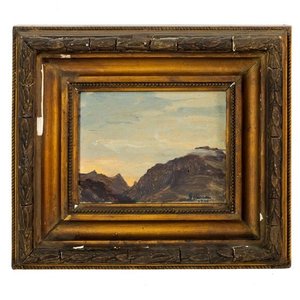
Fernando Barbedo Galhano
1904 - 1995 , Portugalia
Powiązane artykuły

Siła Linii w Sztuce: Od Prymitywnych Znaków do Współczesnej Ekspresji
Odkryj fascynującą historię linii w sztuce – od prymitywnych znaków po współczesne ekspresje! Analiza technik, wpływ Leonarda da Vinci i renesansowego przełomu. Ekspercka wiedza dla miłośników sztuki.

Mastering the Line: A Comprehensive Expert Guide to Technical Precision and Expressive Depth in Drawing
Elevate your artistic practice with this expert guide to mastering the line. Discover advanced techniques in graphite, charcoal, and contour drawing designed for art students seeking technical precision and expressive depth in their fine art studies.
The Power of Graphite: Mastering Depth, Texture, and Detail in the Art of Pencil Drawing
Explore the profound artistry of graphite drawing. Discover professional techniques for mastering depth, texture, and detail through a lens of art history, from classical sketches to modern masterpieces. Elevate your understanding of the pencil medium with our expert guide.
The Nuances of Graphite: Exploring Emotional Depth & Technical Mastery in Pencil Drawing
Explore the captivating world of graphite drawing! Discover its rich history, master essential techniques like chiaroscuro, and learn how artists evoke emotion through this timeless medium. Expert insights for art enthusiasts.
Frederick Bridgman: Anatomical Mastery & the Evolution of Figure Drawing Instruction
Explore the anatomical mastery of George B. Bridgman & his revolutionary figure drawing techniques. Discover how his methods transformed art instruction and continue to inspire artists today. Learn more at OriginalUniqueArt.