Geometric Abstraction · 1954
Study for the (Fernand Léger, 1954)
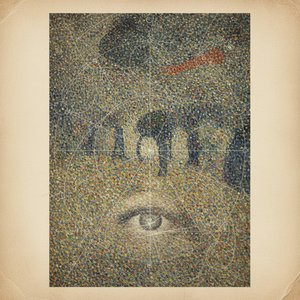
Fernand Léger (1881–1955) stworzył Study for the . Dzieło pochodzi z 1954. Należy do nurtu Geometric Abstraction. Wykonano w technice Acrylic On Canvas. Przechowywane jest w Museu do Caramulo w Caramulo, Portugalia. Wymiary to 38 × 44 cm.
- 1954
- Acrylic On Canvas
- 38 × 44 cm
- Museu do Caramulo

 Podgląd w skali 1:1

 Ręcznie malowany obraz olejny
 Wyślij jako kartkę
 Udostępnij
 Karta informacyjna


 Pobierz obraz
 Podobne obiekty
 RTG
 Pokaz slajdów
 Pytania i odpowiedzi

 Statystyki
Study for the w skrócie
- Tytuł
- Study for the
- Artysta
- Fernand Léger (1881–1955)
- Miejsce urodzenia artysty
- Argentan, Francja
- Data powstania
- 1954
- Technika wykonania
- Acrylic On Canvas
- Wymiary
- 38 × 44 cm
- Gdzie można je zobaczyć
- Museu do Caramulo, Caramulo, Portugalia
- Temat
- musical performance, geometric forms, modern landscape, instrument ensemble, urban scene, animal presence
Co przedstawia Study for the ?
A Symphony of Form and Feeling: Exploring Fernand Léger’s “Study for Breakfast”
Fernand Léger's "Study for Breakfast," completed in 1954, transcends mere representation; it embodies the very spirit of Pointillism—a technique championed by Georges Seurat and embraced wholeheartedly by Léger as a means to convey dynamism and immediacy. This unassuming landscape isn’t simply depicted as it appears before our eyes; instead, Léger meticulously constructs it from countless tiny dots of pigment, creating an illusion of depth and texture that defies conventional painting methods. The resulting image pulsates with energy, mirroring the rhythms of daily life—a quiet morning scene rendered with astonishing precision. It's a masterful demonstration of how abstraction can serve as a conduit for emotion and observation simultaneously.- Style: Pointillism – Léger’s signature style prioritizes optical mixing over blending pigments on canvas, resulting in vibrant hues that shimmer and shift subtly under the light.
- Technique: Léger employed a painstaking process of applying dots of color—typically yellow, red, and blue—to build up layers of tonal variation. This method demanded immense patience and meticulous attention to detail, reflecting Léger’s unwavering commitment to his artistic vision.
Historical Context: Embracing Modernity Amidst Postwar Uncertainty
Created in the aftermath of World War II, “Study for Breakfast” speaks to a broader cultural preoccupation with rebuilding and redefining beauty after devastation. Léger’s stylistic choices—the geometric abstraction and the deliberate fragmentation of form—were deliberately antithetical to the prevailing artistic trends of his time, signaling a rejection of Impressionism's focus on fleeting sensations and an embrace of the machine age’s influence on visual perception. This bold stance positioned Léger as a pioneer of abstract expressionism, anticipating developments that would reshape the landscape of 20th-century art.Symbolic Resonance: The Quiet Power of Observation
Despite its apparent simplicity, “Study for Breakfast” is laden with symbolic significance. Léger’s use of dots—representing individual particles and conveying movement—suggests a fascination with scientific principles and an attempt to capture the underlying order of nature. The muted palette contributes to a mood of contemplative serenity, inviting viewers to contemplate the beauty found in everyday moments. It's a subtle reminder that even amidst turbulent times, art can offer solace and inspire wonder.Emotional Impact: Capturing Essence Through Precision
Ultimately, Léger’s “Study for Breakfast” succeeds in conveying an emotional resonance far exceeding its visual surface. The artist doesn’t aim to evoke sentimental feelings but rather to distill the essence of a scene—the feeling of warmth, light, and stillness—into a meticulously crafted composition. This achievement underscores Léger's profound understanding of how abstraction can communicate complex ideas and sensations with remarkable effectiveness. It remains an enduring testament to his artistic genius and a captivating example of Pointillist artistry.W którym muzeum znajduje się Study for the ?
Museu do Caramulo
Caramulo, Portugalia
Symfonia Stali i Duszy Położone wśród zielonych, falujących wzgórz Serra do Caramulo w centralnej Portugalii, Museu do Caramulo wyłania się jako zapierający dech w piersiach paradoks – sanktuarium, w którym precyzja inżynierii mechanicznej spotyka się z głębią ludzkiej kreatywności. To nie jest jedynie repozytorium reliktów; to żywy dialog między dwoma pozornie odległymi światami. Założone przez wizjonerskich braci Abel i João de Lacerda, muzeum stanowi świadectwo wspólnej pasji, która odmówiła dostrzegania granic między rykiem silnika a cichą gracją pociągnięcia pędzla.


Zdjęcia w wysokiej rozdzielczości dzieła Study for the

Domena publiczna: artysta zmarł w 1955.
Inne rozmiary, kadrowanie i cytowanie →Fernand Léger, Study for the (1954), Museu do Caramulo. Domena publiczna
Odpowiedzi na pytania dotyczące Study for the
Gdzie można obecnie zobaczyć dzieło „Study for the” – Fernand Léger?
Oryginał dzieła „Study for the” – Fernand Léger znajduje się w Museu do Caramulo, Caramulo, Portugalia. Reprodukcja pozwala na eksponowanie pracy w domu.
W którym roku powstało dzieło "Study for the"?
Powstanie „Study for the” – Fernand Léger datuje się na 1954.
W jakiej technice wykonano „Study for the” – Fernand Léger?
Technika wykonania dzieła „Study for the” – Fernand Léger to Acrylic On Canvas. Reprodukcje mają na celu wierne oddanie wyglądu tej techniki.
Jakie są wymiary oryginalnego dzieła „Study for the” – Fernand Léger?
Oryginalne wymiary dzieła „Study for the” to 38 x 44 cm. Znajomość pierwotnej skali może być pomocna przy wyborze odpowiedniego rozmiaru reprodukcji.
Co przedstawia "Study for the"?
Tematyka dzieła "Study for the" to musical performance, geometric forms, modern landscape, instrument ensemble, urban scene, animal presence, domestic setting, pointillism technique.
Czy dzieło "Study for the" znajduje się w domenie publicznej?
Status praw autorskich dla „Study for the” – Fernand Léger: dzieło znajduje się w należy do domeny publicznej – autorskie prawa majątkowe wygasły. Określa to, czy reprodukcje obrazu mogą być sporządzane swobodnie.
Kto jest autorem dzieła "Study for the"?
Autorstwo dzieła "Study for the" przypisuje się Fernand Léger.
Do jakiego nurtu artystycznego należy „Study for the” – Fernand Léger?
„Study for the” – Fernand Léger należy do nurtu Geometric Abstraction. Nurt ten stanowi stylistyczny kontekst dzieła.
Do którego okresu twórczości Fernand Léger należy dzieło „Study for the”?
„Study for the” pochodzi z okresu Mature Period w twórczości Fernand Léger. Klasyfikacja ta wiąże dzieło z rozwojem artysty.
O artyście: Fernand Léger

1881–1955, Francja
Fernand Léger
Życie Fernanda Légera Historia Fernanda Légera rozpoczyna się w wiosce Argentan, położonej w departamencie Orne w Dolnej Normandii. Na świat przyszedł 4 lutego 1881 roku jako jedyny syn. Jego wczesne lata zostały ukształtowane przez spokój francuskiej prowincji oraz obecność matki, Marie-Adèle Daunou. Jego ojciec, człowiek żyjący z handlu bydłem, odszedł, gdy Fernand był jeszcze małym chłopcem, pozostawiając dziecko pod opieką matki, w domu naznaczonym jej pobożnością i pewną skromnością.
Inne prace Fernand Léger
 Miasto1919
 Mechanik1920
 Trzy kobiety1921
 Nudy w Lesie1910

Eseje o Study for the
 Przemysł w Sztuce: 10 Arcydzieł Oddających Klimat Fabryk i Maszyn | OriginalUniqueArtOdkryj 10 arcydzieł sztuki przemysłowej! Poznaj historie Hopper'a, Caillebotte'a i innych mistrzów. Reprodukcje obrazów w stylu industrialn…
 Georges Seurat: Pointillism, Perception & the Scientific Foundations of Modern ArtExplore the revolutionary art of Georges Seurat and the science behind Pointillism. Discover chromoluminarism, optical mixing, and the last…
 Mastering the Machine Age: The Top 25 Fernand Léger ArtworksImmerse yourself in the vibrant world of Fernand Léger. Explore 25 iconic masterpieces of Cubism and Tubism, from bold geometric forms to m…