Rozmiar tekstu

() ·

Obraz stworzony dla Ciebie, własnoręcznie

Study of two figures

Ręcznie malowana reprodukcja olejowa

Ręcznie malowany obraz olejny na płótnie, wykonany na zamówienie przez naszych artystów w wybranym przez Ciebie wymiarze i oprawie. ( Przełącz na wydania drukowane Przejdź do wersji cyfrowej)

Opis obiektu

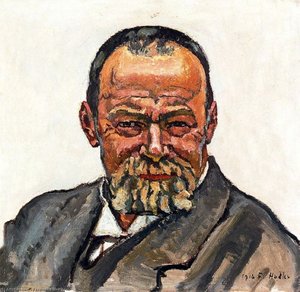
Experience the raw emotion of Ferdinand Hodler's 'Study of Two Figures.' This haunting sketch captures quiet contemplation with striking lines and a muted color palette, reflecting themes of mortality and introspection.

Biografia artysty

Ferdinand Hodler – szwajcarski malarz symbolisty i secesjonizmu. Znany z wyrazistych krajobrazów, portretów i unikalnej techniki 'parallelizmu'. Odkryj jego dzieła na OriginalUniqueArt!

od ·

Rozdział 1

Jak duży powinien być ten format?

Przesuń suwak, aby zmienić rozmiar; obraz po lewej stronie przedstawia ramę w jej rzeczywistej szerokości. Zachowano proporcje oryginału.

Standardowy format
personalizowane
CM
INCH

Wybierz spośród naszych standardowych rozmiarów, które zachowują oryginalne proporcje dzieła sztuki.

szerokość
wysokość

Wpisz wymaganą szerokość i wysokość, aby obraz pasował do Twojej ramy lub ściany. Ponieważ jest to dzieło malowane ręcznie, w przypadku rozmiaru o innych proporcjach artysta może domalować nieco więcej wokół obrazu lub przyciąć jego fragmenty — wybór należy do Ciebie. Przed rozpoczęciem pracy prześlemy Ci cyfrową wizualizację do zatwierdzenia. Obraz widoczny na tej stronie nie przedstawia rzeczywistego efektu — jedynie wizualizacja oddaje realny rezultat.

Rozdział 2

W jaki sposób ma zostać dostarczone?

Wybierz krawędzie płótna naciągniętego na ramę

Wybierz ramę

Corner sample of the WhiteWrap canvas edge finish, stretched on lite drewno bars
Białe krawędzie zł1
Corner sample of the BlurSideWrap canvas edge finish, stretched on lite drewno bars
rozmyte krawędzie zł1
Corner sample of the ExtendedWrap canvas edge finish, stretched on lite drewno bars
Przedłużony zł1
Corner sample of the P118B picture frame: polistyren formowany, 5 cm wide and 3 cm thick
P118B zł10
Corner sample of the P118H picture frame: polistyren formowany, 5 cm wide and 3 cm thick
P118H zł10
Corner sample of the P118W picture frame: polistyren formowany, 5 cm wide and 3 cm thick
P118W zł10
Corner sample of the P438Z picture frame: polistyren formowany, 5.5 cm wide and 3.5 cm thick
P438Z zł10
Corner sample of the P508JH picture frame: polistyren formowany, 7 cm wide and 3.5 cm thick
P508JH zł12
Corner sample of the P508YH picture frame: polistyren formowany, 7 cm wide and 3.5 cm thick
P508YH zł12
Corner sample of the P805H picture frame: polistyren formowany, 5 cm wide and 3.5 cm thick
P805H zł10
Corner sample of the P805Z picture frame: polistyren formowany, 5 cm wide and 3.5 cm thick
P805Z zł10
Corner sample of the P919BZ picture frame: polistyren formowany, 7 cm wide and 3.5 cm thick
P919BZ zł10
Corner sample of the P919G picture frame: polistyren formowany, 7 cm wide and 3.5 cm thick
P919G zł10
Corner sample of the P919XJ picture frame: polistyren formowany, 7 cm wide and 3.5 cm thick
P919XJ zł10
Corner sample of the P959ZH picture frame: polistyren formowany, 5 cm wide and 3 cm thick
P959ZH zł10
Corner sample of the P968JZ picture frame: polistyren formowany, 6 cm wide and 4 cm thick
P968JZ zł12
Corner sample of the W106C picture frame: lite drewno, 5 cm wide and 3 cm thick
W106C zł8
Corner sample of the W218G picture frame: lite drewno, 5 cm wide and 3 cm thick
W218G zł10
Corner sample of the W218JH picture frame: lite drewno, 5 cm wide and 3 cm thick
W218JH zł8
Corner sample of the W218Y picture frame: lite drewno, 5 cm wide and 3 cm thick
W218Y zł10
Corner sample of the W307PJ picture frame: lite drewno, 6 cm wide and 3 cm thick
W307PJ zł10
Corner sample of the W316G picture frame: lite drewno, 6 cm wide and 3 cm thick
W316G zł10
Corner sample of the W316PJ picture frame: lite drewno, 6 cm wide and 3 cm thick
W316PJ zł8
Corner sample of the W316Y picture frame: lite drewno, 6 cm wide and 3 cm thick
W316Y zł10
Corner sample of the W398PJ picture frame: lite drewno, 5 cm wide and 3 cm thick
W398PJ zł8
Corner sample of the W4111J picture frame: lite drewno, 6.5 cm wide and 3.5 cm thick
W4111J zł10
Corner sample of the W500HY picture frame: lite drewno, 7 cm wide and 5 cm thick
W500HY zł15
Corner sample of the W500JH picture frame: lite drewno, 7 cm wide and 5 cm thick
W500JH zł15
Corner sample of the W692G picture frame: lite drewno, 8 cm wide and 4 cm thick
W692G zł12
Corner sample of the W849H picture frame: lite drewno, 5 cm wide and 3 cm thick
W849H zł8
Corner sample of the W940BG picture frame: lite drewno, 7.5 cm wide and 4.5 cm thick
W940BG zł15
Corner sample of the W953PJ picture frame: lite drewno, 6 cm wide and 3.5 cm thick
W953PJ zł8
Corner sample of the H24-GOLD picture frame: rzeźbione drewno pokryte gipsem, 10 cm wide and 6 cm thick
H24-GOLD zł30
Corner sample of the H24-SILVER picture frame: rzeźbione drewno pokryte gipsem, 10 cm wide and 6 cm thick
H24-SILVER zł30
Corner sample of the H36-GOLD picture frame: rzeźbione drewno pokryte gipsem, 15 cm wide and 6.5 cm thick
H36-GOLD zł45
Corner sample of the H36-SILVER picture frame: rzeźbione drewno pokryte gipsem, 15 cm wide and 6.5 cm thick
H36-SILVER zł45

Profil: . Wymiar całkowity w ramie: .

Rozdział 3

Kto go maluje i czy coś powinno ulec zmianie?

Przykłady możliwych zmian: Zastąpienie twarzy zdjęciem klienta; Dodanie zwierzęcia (np. zamiana kota na psa); Ukrycie wiadomości w tle; Zmiana krajobrazu lub elementów tła.
Po złożeniu zamówienia zespół OriginalUniqueArt.com skontaktuje się z klientem drogą mailową w celu uzyskania instrukcji i prześle podgląd projektu

Dostawa na całym świecie () w ciągu 3–4 tygodni zamiast standardowych 5 tygodni. (6 Listopad). Bez kompromisów w kwestii jakości.

Rozdział 4

Ostatnie szlify

Tabliczka informacyjna, jak w muzeum?

Szczegóły grawerowanej brązowej tabliczki

This elegant plaque features the artist's name and the title of the artwork, finely engraved for a timeless presentation.

It is made from bronze with a refined, elegant finish. The text is precisely laser-engraved for a sharp and permanent result. Measuring 9x2 cm, the plaque is compact yet easy to read. It's built to be durable and scratch-resistant, offering a professional, museum-quality look. Mounting is simple thanks to the included adhesive backing.

Szczegóły przezroczystej tabliczki akrylowej

The plaque includes essential engraved details such as the artist's name, the title of the artwork, the date it was created, the type of media used-like oil on canvas or watercolor-a brief description of the piece, and a QR code that links to the complete artwork information.

It is crafted from clear acrylic, offering a sleek, modern appearance. The text is UV-engraved in black to ensure strong visual contrast. With a size of 10x15 cm, it ensures optimal readability. It comes equipped with two metal hooks for secure wall mounting. The plaque is designed to be weather-resistant, making it suitable for various environments, and it includes interactive features that work seamlessly with smartphone scanning.

Szczegóły czarnej tabliczki akrylowej

This elegant plaque includes engraved information such as the artist's name, the title of the artwork, the date it was created, the type of media used (like oil on canvas or watercolor), a short description of the artwork, and a QR code for quick access to more information.

The plaque itself is made from refined black acrylic with a premium finish. The text is laser-engraved in white for high contrast and readability. Its size is 10x15 cm, designed to be easy to read. It comes with two metal hooks for professional mounting. The design is sleek and fits any interior style. It is also weather-resistant and durable, with built-in digital integration for mobile compatibility.

Werniks ochronny?

Kiedy potrzebujesz dostawy?

Rozdział 5

Twoje dzieło, dokładnie tak, jak zamówiłeś

Study of two figures

Technika reprodukcji

Wymiary reprodukcji

-

Wybitny mistrz artystyczny

Większa szczegółowość, finezja i dodatkowy czas na realizację

-

Opcje oprawy reprodukcji

-

-

W przypadku dzieł sztuki lub reprodukcji, których którykolwiek z boków przekracza 105 cm (około 41 cali), rama zostanie wysłana w formie zestawu do samodzielnego montażu. Metoda ta zapewnia bezpieczną dostawę i zapobiega uszkodzeniom podczas transportu.

Wymagany profesjonalny montaż – nie jest to produkt typu DIY.
Zestaw musi zostać złożony, a płótno naciągnięte przez doświadczonego profesjonalnego ramiarza, przy użyciu kleju do drewna (brak w zestawie), kleszczy do naciągania płótna oraz ścisków, które utrzymają krosna w równej pozycji podczas schnięcia kleju. Nieprawidłowy montaż lub nierównomierne napięcie płótna może trwale uszkodzić dzieło sztuki i nie podlega naszej gwarancji.

  • W zestawie znajdują się wszystkie listwy z litego drewna, precyzyjnie docięte do wymiarów.

  • Montaż odbywa się przy użyciu dołączonych wkrętów oraz kleju do drewna do łączenia narożników, którego zestaw nie zawiera i który musi zostać dostarczony przez ramiarza.

  • Wymagane są profesjonalne narzędzia, których nie ma w zestawie: kleszcze do naciągania płótna (napinacz) oraz zaciski, które pozwolą utrzymać listwy w równej pozycji podczas schnięcia kleju.

Ważne:
Do połączenia narożników niezbędny jest klej do drewna, listwy należy unieruchomić za pomocą ścisków do momentu całkowitego wyschnięcia kleju, a naciągnięcie płótna na złożoną ramę wymaga użycia kleszczy do naciągania płótna. Żaden z tych elementów nie jest dołączony do zestawu. Przed zamówieniem tego rozmiaru zalecamy konsultację z doświadczonym ramiarzem.

Etykieta obiektu

-

-

Lakier ochronny

Lakier z połyskiem (pogłębia kolory, chroni przed światłem i wilgocią)

-

Personalizacja dzieła

Przykłady możliwości personalizacji: zastąp twarz zdjęciem klienta; dodaj zwierzę domowe (np. zamień kota na psa); umieść ukrytą wiadomość w tle; zmień krajobraz lub elementy tła.

-

Ekspresowa

Dostawa na cały świat () w ciągu 3–4 tygodni zamiast standardowych 5 tygodni. (6 Listopad). Bez kompromisów w kwestii jakości.

-

Przesyłka ekspresowa

Dostawa na cały świat () w ciągu 5 tygodni. (13 Listopad).

W cenie

Cena całkowita

zł 1270

Suma całkowita zł 1270

Opcja ze szkłem jest dostępna wyłącznie w rozmiarach poniżej 110 cm

W każdym zamówieniu

  • Bezpłatna ekspresowa wysyłka na cały świat
  • Wysokiej jakości płótno lniane
  • Pełne ubezpieczenie przesyłki
  • Gwarancja zwrotu należności celnych i podatków importowych
  • Gwarancja wiernego odwzorowania kolorów
  • 100-dniowa polityka zwrotów (tylko w przypadku wad)
  • Gwarancja 100% zwrotu pieniędzy
  • Zniżka przy zakupie wielu sztuk

The Enigmatic Presence of Two Women

Ferdinand Hodler’s “Study of Two Figures” is not a grand, dramatic statement; rather, it's an invitation to linger in the quiet intimacy of a shared moment. Painted in 1897, this graphite drawing on paper captures two women seated together, their postures suggesting a profound sense of contemplation and perhaps even melancholy. Hodler, a pivotal figure within Swiss Symbolism, wasn’t interested in literal representation but rather in conveying emotional atmosphere and psychological depth – a characteristic powerfully evident here. The work feels less like a finished composition and more like a preparatory sketch, a glimpse into the artist's process, revealing his loose, gestural lines and intuitive approach to form.

The scene is remarkably simple: two women, their faces partially obscured, seated on the ground. Their hands rest in their laps, hinting at an activity – perhaps weaving or crafting – yet leaving the specifics deliberately vague. The composition is carefully balanced, with the figures positioned slightly off-center, creating a sense of visual equilibrium. The muted color palette—primarily shades of grey and black against a light beige background—further enhances this feeling of understated elegance and quiet introspection. Subtle tonal variations suggest volume and form without resorting to dramatic contrasts.

Decoding Symbolism: Red Dots and the Unspoken

What immediately draws the eye, and contributes significantly to the work’s enigmatic quality, are the small red dots adorning the backs of the women. Their precise placement is intriguing; they aren't merely decorative but seem to carry a symbolic weight. While Hodler himself never explicitly explained their meaning, art historians often interpret them as representing wounds, vulnerabilities, or perhaps even the lingering presence of past sorrows – a direct reflection of Hodler’s own childhood marked by loss and grief. This element adds a layer of complexity, transforming a seemingly simple portrait into a meditation on human experience.

The artist's stylistic choices further reinforce this symbolic reading. The loose, sketch-like quality of the drawing—the visible line work, the lack of precise detail—suggests an emphasis on feeling and intuition over technical perfection. Hodler’s approach aligns closely with the tenets of Symbolism, where the goal is to evoke emotions and ideas rather than depict reality in a straightforward manner. The flattened perspective and minimal use of spatial recession contribute to this sense of dreamlike ambiguity.

A Window into Hodler's Process: Technique and Historical Context

“Study of Two Figures” offers a fascinating insight into Hodler’s working method. Executed in graphite on paper, the drawing showcases his characteristic technique—a combination of loose sketching and careful shading to define forms and create tonal variations. The artist employs quick, gestural marks, capturing the essence of the subjects with remarkable economy of line. The choice of paper itself – a slightly textured surface – adds another layer of tactile interest to the work.

Painted in 1897, this piece is firmly rooted within Hodler’s artistic evolution. It reflects his growing interest in Symbolism and his exploration of themes related to mortality, memory, and the human psyche. Further research reveals that Hodler was deeply influenced by Dürer's theories on proportion and perspective, yet he ultimately rejected rigid academic conventions in favor of a more expressive and intuitive approach. The work’s connection to Hodler’s biography—his personal struggles with loss and his fascination with the ephemeral nature of existence—adds another layer of resonance.

Resources like WikiArt.org and Google Arts & Culture provide valuable supplementary information, including detailed analyses of Hodler's oeuvre and reproductions of related works. The availability of high-quality hand-painted reproductions offers a wonderful opportunity to experience the beauty and emotional depth of “Study of Two Figures” in your own home.

Pytania i odpowiedzi

W którym muzeum znajduje się oryginał "Study of two figures"?

Oryginał dzieła „Study of two figures” – Ferdinand Hodler znajduje się w Muzeum Narodowe Bośni i Hercegowiny, Sarajewo, Bośnia i Hercegowina. Reprodukcja pozwala na eksponowanie pracy w domu.

Jaki jest ogólny nastrój dzieła „Study of two figures” – Ferdinand Hodler?

Nastrój dzieła „Study of two figures” – Ferdinand Hodler opisuje się jako Dramatic. Klasyfikacja ta może pomóc w dopasowaniu pracy do konkretnego wnętrza.

Czy dzieło "Study of two figures" jest dostępne jako wysokiej jakości wydruk artystyczny?

Aby zamówić wydruk dzieła „Study of two figures” – Ferdinand Hodler, wystarczy przejść na jego stronę Wydruk artystyczny premium: szlachetna odbitka na płótnie bawełnianym lub archiwalnym papierze o strukturze płótna.

Więcej o tym obrazie

Podgląd w skali 1:1 Podgląd AR Przełącz na wydania drukowane Przejdź do wersji cyfrowej Wyślij jako kartkę
Szczegóły dzieła Przewodnik Dodaj do ulubionych Pobierz obraz Podobne obiekty RTG Pokaz slajdów Pytania i odpowiedzi Statystyki

W liczbach

  • 1897rok powstania dzieła
  • 29dostępne ramy do wyboru
  • standardowe formaty, w ich własnych proporcjach
  • 5tygodni na namalowanie i dostarczenie dzieła
Ferdinand Hodler

Ferdinand Hodler

1853 - 1918, Szwajcaria

Krótkie informacje o Ferdinand Hodler

  • Artistic Movement Or Style: Symbolizm, Paralelizmy
  • Artists Or Movements Influenced By This Artist: ['Ekspresjonizm']
  • Artists Who Influenced This Artist:
    • Courbet
    • Gauguin
  • Date Of Birth: 1853
  • Date Of Death: 1918
  • Full Name: Ferdinand Hodler
  • Nationality: Szwajcarski
  • Notable Artworks:
    • Noc
    • Dzień
    • Prawda II
  • Place Of Birth: Bern, Szwajcaria

Biografia artysty

A Life Etched in Symbolism: The World of Ferdinand Hodler

Ferdinand Hodler, a name inextricably linked to the landscape of Swiss painting and the evocative language of symbolism, emerged from modest beginnings to become one of the most significant artists of the late 19th and early 20th centuries. Born in Bern, Switzerland, in 1853, his life was profoundly shaped by early loss – a recurring theme that would deeply inform his artistic vision. The untimely deaths of his father and two younger brothers before he reached adolescence cast a long shadow, instilling within him a profound contemplation of mortality and the fleeting nature of existence. These experiences, interwoven with an acute sensitivity to the beauty and power of the natural world, became central tenets of his evolving oeuvre. Initially apprenticed to decorative painters, Hodler’s innate talent quickly transcended mere craftsmanship; he yearned for formal training and artistic exploration beyond the constraints of commercial work. This ambition led him to Geneva in 1871, where he immersed himself in study, attending science lectures alongside diligently copying masterpieces at the city's museum – a rigorous education that laid the foundation for his future innovations.

From Realism to ‘Parallelism’: Forging a Unique Vision

Hodler’s artistic journey was characterized by constant evolution and an unwavering pursuit of expressive power. His early works reflected the prevailing realist style of the time – portraits, landscapes, and genre scenes executed with meticulous detail. However, he soon found himself constrained by these conventions, seeking a means to convey deeper emotional truths and philosophical ideas. This quest led him towards Symbolism, a movement that rejected naturalistic representation in favor of subjective experience and evocative imagery. Yet Hodler didn’t simply adopt the tenets of Symbolism; instead, he forged his own unique path, developing what he termed “parallelism.” This distinctive style involved arranging figures and forms in rhythmic, almost geometric patterns, creating a sense of both harmony and tension – a visual representation of interconnectedness. It was an attempt to depict not just *what* he saw, but *how* he felt – the underlying emotional currents that connected all things. The Night, completed in 1890, stands as a prime example, showcasing his ability to evoke mood and atmosphere through carefully orchestrated forms and muted colors. The painting’s initial reception was controversial, highlighting the challenges faced by artists pushing against established norms. Despite this criticism, it garnered attention in Paris, establishing Hodler’s reputation beyond Switzerland's borders and signaling the arrival of a truly original voice.

Landmarks in Paint: Key Works and Their Significance

Throughout his prolific career, Hodler produced a remarkable body of work that continues to resonate with audiences today. The Day, completed in 1893, stands as one of his most ambitious and celebrated achievements – a monumental historical painting depicting the Battle of Marignano. This artwork is not merely a depiction of military conflict; it’s a complex meditation on life, death, and renewal, rendered with an arresting blend of realism and visionary intensity. The sheer scale and emotional weight of The Day cemented Hodler’s position as a leading figure in European art. Other notable works include numerous depictions of the Swiss Alps, imbued with a sense of awe-inspiring grandeur – landscapes that capture both the physical beauty and spiritual resonance of the mountains. He also created portraits that reveal his profound understanding of human psychology, often capturing fleeting moments of emotion and introspection. Works like Truth II (1897) demonstrate Hodler’s ability to blend classical forms with modern sensibilities, creating images that are both timeless and strikingly contemporary – a testament to his innovative spirit. His paintings weren't merely representations; they were emotional landscapes, inviting viewers to contemplate the fundamental questions of existence.

Influences and Artistic Development

Hodler’s artistic development was shaped by a confluence of influences. Initially, he studied under local artists in Bern, absorbing traditional techniques and stylistic conventions. However, his move to Geneva exposed him to the work of Hans Holbein, Titian, and Nicolas Poussin – masters whose mastery of composition and technique profoundly impacted his own approach. More significantly, Hodler’s association with Louis Duchosal, a poet-symbolist, proved pivotal in shaping his artistic vision. Duchosal's enthusiasm for Baudelaire and Wagner introduced Hodler to the core tenets of Symbolism – an emphasis on subjective experience, dreamlike imagery, and the exploration of hidden emotions. This encounter led him away from strict realism and towards a more expressive and symbolic style. He also drew inspiration from contemporary artistic movements such as Art Nouveau, evident in his use of flowing lines and decorative elements. Hodler’s work reflects a constant dialogue between tradition and innovation, resulting in a uniquely personal and compelling aesthetic.

A Lasting Legacy: Influence and Historical Context

Ferdinand Hodler’s influence extended far beyond the borders of Switzerland. His innovative use of symbolism and his development of “parallelism” paved the way for Expressionism, with its emphasis on subjective emotion and distorted forms. Artists who followed in his footsteps recognized him as a precursor to their own explorations of inner experience. Hodler's work also resonated with broader cultural currents of the late 19th and early 20th centuries – a period marked by rapid social change, scientific advancements, and a growing sense of existential anxiety. His paintings offered a visual language for grappling with these complex issues, providing solace and insight in an increasingly uncertain world. Today, Hodler’s works are held in major museums across Europe and beyond, ensuring that his artistic vision continues to inspire and challenge generations of viewers. He remains a towering figure in Swiss art history, celebrated not only for his technical skill but also for his profound emotional depth and unwavering commitment to exploring the mysteries of the human condition.

Najważniejsze informacje

  • Artistic style: Sketch-like, expressive
  • Medium: Graphite on paper
  • Location: National Gallery, Sarajevo
  • Movement: Symbolism
  • Subject or theme: Two seated women
  • Title: Study of two figures

Quiz o sztuce

Do każdego pytania dotyczy tylko jedna poprawna odpowiedź.

Pytanie 1:
What is the primary subject matter depicted in Ferdinand Hodler’s ‘Study of two figures’?
Pytanie 2:
The red dots on the backs of the women in ‘Study of two figures’ are most likely intended to represent:
Pytanie 3:
Which artistic movement does ‘Study of two figures’ most closely align with?
Pytanie 4:
Ferdinand Hodler's style in ‘Study of two figures’ is reminiscent of:
Pytanie 5:
What medium did Ferdinand Hodler primarily use to create ‘Study of two figures’?