

 Podgląd w skali 1:1
 Wyślij jako kartkę
 Udostępnij
 Szczegóły dzieła
 Przewodnik

 Pobierz obraz
 Podobne obiekty
 RTG
RTG Pokaz slajdów
 Statystyki
The Seine at Charenton


 Rozwiń treść
Giclée / Wydruk artystyczny
Wydruki giclée lub płótna o jakości muzealnej, szybka realizacja i szeroki wybór opcji wykończenia. ( Zamów ręcznie malowaną reprodukcję Przejdź do wersji cyfrowej)




P118B zł10

P118H zł10

P118W zł10

P438Z zł10

P508JH zł12

P508YH zł12

P805H zł10

P805Z zł10

P919BZ zł10

P919G zł10

P919XJ zł10

P959ZH zł10

P968JZ zł12

W106C zł8

W218G zł10

W218JH zł8

W218Y zł10

W307PJ zł10

W316G zł10

W316PJ zł8

W316Y zł10

W398PJ zł8

W4111J zł10

W500HY zł15

W500JH zł15

W692G zł12

W849H zł8

W940BG zł15

W953PJ zł8




Wybierz spośród naszych standardowych rozmiarów, które zachowują oryginalne proporcje dzieła sztuki.

Wpisz wymaganą szerokość i wysokość, aby dopasować grafikę do ramy lub ściany. Wydruk można jedynie przyciąć, nigdy nie powiększając go poza oryginalny obraz, dlatego format o innych proporcjach spowoduje utratę części kompozycji. Przed rozpoczęciem druku prześlemy Ci cyfrowy podgląd do zatwierdzenia. Obraz wyświetlany na tej stronie nie pokazuje rzeczywistego przycięcia — jedynie podgląd oddaje ten efekt.
Dostawa na cały świat () w ciągu 2 tygodni zamiast standardowych 4/5 tygodni. (25 Październik)

Bezpłatna ekspresowa wysyłka na cały świat

Wysokiej jakości płótno lniane

Pełne ubezpieczenie przesyłki

Gwarancja zwrotu należności celnych i podatków importowych

Gwarancja wiernego odwzorowania kolorów

100-dniowa polityka zwrotów (tylko w przypadku wad)

Gwarancja 100% zwrotu pieniędzy

Zniżka przy zakupie wielu sztuk
 Opcja ze szkłem jest dostępna wyłącznie w rozmiarach poniżej 110 cm

The Seine at Charenton
Giclée / Wydruk artystyczny
Wymiary reprodukcji
-


Cena całkowita
zł 307
A Moment on the Seine: Ferdinand Guillaumin’s “The Seine at Charenton”
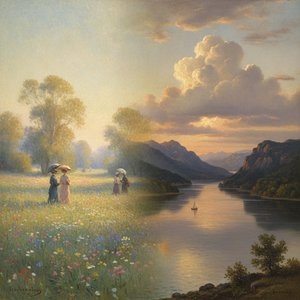
Ferdinand Guillaumin's "The Seine at Charenton," painted in 1878, is more than a picturesque depiction of a riverside scene; it’s a shimmering distillation of Impressionist philosophy. This captivating work transports the viewer to a fleeting moment on the banks of the Seine, capturing not just the physical appearance of Charenton but also the very essence of light and atmosphere that defined Guillaumin's artistic vision. The painting immediately draws the eye with its soft, diffused light – a hallmark of Impressionism’s pursuit of capturing transient effects rather than precise representation.
Guillaumin, a key figure within the French Impressionist movement, was deeply influenced by the theories of Eugène Duranty and Claude Monet. He shared their fascination with depicting the ephemeral qualities of nature, particularly the way light transforms surfaces and creates an illusion of movement. Unlike many of his contemporaries who focused on urban scenes, Guillaumin frequently returned to the landscapes of France, meticulously observing and translating the nuances of color and light onto canvas. “The Seine at Charenton” exemplifies this dedication, showcasing a masterful understanding of how atmospheric conditions can dramatically alter the appearance of familiar subjects.
A Symphony of Color and Light
Technically, the painting is executed with loose, visible brushstrokes – a deliberate choice by Guillaumin to prioritize capturing the *impression* of the scene over meticulous detail. The palette is remarkably restrained yet vibrant, dominated by delicate blues, greens, and ochres that evoke the shimmering surface of the Seine and the hazy sky above. Notice how he uses broken color—applying small dabs of paint side-by-side rather than blending them smoothly—to create a sense of luminosity and depth. The reflections on the water are particularly noteworthy, rendered with an almost ethereal quality, suggesting movement and fluidity.
Guillaumin’s technique is closely aligned with Monet's, yet possesses a unique lyricism. While Monet often sought to capture the objective reality of a scene, Guillaumin imbues his landscapes with a palpable sense of emotion and nostalgia. The composition itself contributes to this effect; the figures in the foreground are subtly blurred, suggesting their detachment from the viewer and inviting us to lose ourselves in the beauty of the natural world.
Symbolism and Emotional Resonance
Beyond its technical brilliance, “The Seine at Charenton” is rich in symbolic meaning. The presence of the boats – one a small rowboat and the other a larger vessel – hints at leisure and connection with nature. These figures, though indistinct, represent humanity’s relationship to the river, suggesting both activity and contemplation. The overall mood is serene and contemplative, inviting the viewer to pause and appreciate the simple pleasures of life. It's not merely a depiction of a place; it’s an evocation of a feeling – a sense of tranquility and connection with the natural world.
The choice of Charenton itself holds significance. Located just southeast of Paris, this charming town was already gaining popularity as a resort destination in the late 19th century, attracting artists and intellectuals seeking respite from the bustle of urban life. Guillaumin’s painting captures this atmosphere of relaxed sophistication, reflecting the growing interest in landscape art and the pursuit of beauty in everyday moments.
A Timeless Masterpiece
“The Seine at Charenton” remains a powerful testament to the enduring appeal of Impressionism. Its delicate colors, evocative brushstrokes, and subtle symbolism continue to captivate viewers today. Reproductions of this work offer an exceptional opportunity to bring the beauty of Guillaumin’s vision into any space, creating a focal point that radiates tranquility and invites contemplation. Consider it not just as a painting, but as a portal to a fleeting moment in time – a reminder of the profound beauty found in the simplest of scenes.
Pytania i odpowiedzi
Jaki klimat wprowadziłaby do wnętrza reprodukcja „The Seine at Charenton” – Ferdyńand Guillaumin?
Dzięki swojemu Calm nastrojowi, "The Seine at Charenton" idealnie sprawdzi się w Living Room.
Jaką popularność cieszy się "The Seine at Charenton" w obrębie nurtu Impressionist Landscape?
„The Seine at Charenton” figuruje w katalogu jako dzieło o Recognized wśród prac należących do nurtu Impressionist Landscape.
Do którego okresu twórczości Ferdyńand Guillaumin należy dzieło "The Seine at Charenton"?
W dorobku artystycznym Ferdyńand Guillaumin dzieło „The Seine at Charenton” przypada na Mature Impressionism. Ten etap pozwala zestawić je z innymi pracami twórcy.
Biografia artysty
early life and career
ferdinand guillaumin, a french impressionist painter and lithographer, was born on february 16, 1841. his artistic journey began in the mid-19th century, a time when impressionism was gaining momentum in france. Armand Guillaumin’s formative years were marked by a dedication to mastering traditional techniques alongside an emerging fascination with capturing fleeting moments of beauty—a duality that would define his distinctive style. He honed his skills through diligent study and experimentation, preparing himself for the revolutionary artistic landscape unfolding around him.contribution to impressionism
Guillaumin’s contribution to impressionism was profound; he wasn't merely a participant but an active architect of its aesthetic ideals. Like many fellow artists of his era, he embraced the movement’s core principle: prioritizing sensory experience over meticulous detail. Exhibitions became crucial platforms for showcasing his vision—a vision characterized by luminous color palettes and loose brushstrokes that sought to convey not just what was seen but how it felt.- His canvases frequently depicted serene landscapes bathed in soft, diffused light – a stylistic choice perfectly aligned with impressionism’s preoccupation with capturing the ephemeral qualities of nature.
- Guillaumin's masterful manipulation of color—particularly his ability to blend hues seamlessly—added to the movement’s hallmark spontaneity and immediacy.
notable works and associations
Guillaumin’s artistic collaborations extended beyond mere exhibitions; he forged enduring friendships with luminaries like claude monet, whose influence permeated his oeuvre. Monet's unwavering belief in capturing light and atmosphere served as a guiding force for Guillaumin, fostering a shared pursuit of artistic innovation.Furthermore, Guillaumin drew inspiration from symbolism—a movement that explored the realm of dreams and subconsciousness—evident in his bold color choices and emotionally resonant subjects. This stylistic blend elevated his paintings beyond mere visual representations, imbuing them with layers of psychological depth.
Mount Holyoke College Art Museum stands as a testament to Guillaumin’s legacy—housing an impressive collection of his artworks and ensuring that his artistic vision continues to inspire generations.
style and influences
Guillaumin's distinctive style can be characterized by its ethereal beauty and subtle tonal harmonies. He skillfully employed glazing techniques, layering translucent washes of color over textured surfaces to achieve remarkable luminosity and depth—a technique championed by artists like paul cézanne and vincent van gogh.His landscapes are imbued with a palpable sense of tranquility, reflecting the profound impact of nature on his artistic sensibility. Guillaumin’s meticulous observation of light and shadow—combined with his expressive brushwork—established him as one of impressionism's foremost practitioners.
historical significance
Ferdinand Guillaumin’s work solidified impressionism’s position as a pivotal movement in 19th-century art history. By prioritizing subjective perception and embracing the transformative power of color, he challenged academic conventions and ushered in an era of artistic experimentation.His enduring influence can be discerned in subsequent generations of painters who sought to emulate his masterful technique and capture the essence of fleeting moments—a testament to Guillaumin’s indelible mark on the trajectory of art. Explore more of Guillaumin's works and the impressionist movement on OriginalUniqueArt: Ferdinand Guillaumin | 3 artworks impressionism art movement

Ferdyńand Guillaumin
1841 - 1927 , Francja
Krótka nota
- Artistic Movement Or Style: Impressionizm
- Artists Who Influenced This Artist:
- Vincent van Gogh
- Claude Monet
- Paul Cézanne
- Date Of Birth: February 16, 1841
- Date Of Death: June 26, 1927
- Full Name: Jean Baptiste Armand Guillaumin
- Nationality: Francuski
- Notable Artworks:
- Garden in Janville w czerwcu
- Scena rzeczna
- Widok na Puy de Dôme
- Place Of Birth: Paris, France
Powiązane artykuły
Capturing the Light: A Journey Through the Soul of American Impressionism and the Hudson River School
Explore the luminous beauty of American Impressionism and the Hudson River School. Discover a curated journey through light, landscape, and history, celebrating the enduring legacy of masters through exquisite, hand-painted oil reproductions for the discerning art lover.

Paul Cézanne: 25 Arcydzieł, które Zrewolucjonizowały Świat Sztuki | OriginalUniqueArt
Odkryj 25 arcydzieł Paula Cézanne'a – od impresjonizmu po postimpresjonizm. Poznaj historie, techniki i inspiracje malarza, który zrewolucjonizował sztukę. Reprodukcje obrazów najwyższej jakości na OriginalUniqueArt.com!

Echa Miejsca: Historyczna Podróż przez Sztukę Krajobrazu
Odkryj historię sztuki krajobrazu – od romantycznych wizji Friedricha po surrealistyczne pejzaże Dalego. Analizy, inspiracje i reprodukcje obrazów najwyższej jakości na OriginalUniqueArt.com.

Płynące Narracje: Rzeki w Malarstwie – Historyczna Eksploracja Symboliki i Emocji
Odkryj fascynującą historię rzek w malarstwie! Eksplorujemy symbolikę, emocje i techniki artystyczne od starożytności po współczesność. Przewodnik dla miłośników sztuki i kolekcjonerów.

Evocations of Place: A Historical Journey Through Landscape Art
Explore the rich history of landscape art with OriginalUniqueArt. Discover renowned artists, movements like Impressionism & Romanticism, and expert guidance for collecting timeless pieces. Find your perfect serene escape today!
