

 Zobacz w skali 1:1
 Wyślij
 Udostępnij
 Szczegóły
 Przewodnik

 Pobierz plik obrazu
 Podobne obiekty
 RTG
RTG Pokaz slajdów
 Statystyki
Self Portrait with Easel


 Czytaj więcej
Ręcznie malowana reprodukcja olejowa
Ręcznie malowany obraz olejny na płótnie, wykonany na zamówienie przez naszych artystów w wybranym przez Ciebie wymiarze i oprawie. ( Przełącz na wersję drukowaną Przełącz na wersję cyfrową)




P118B zł10

P118H zł10

P118W zł10

P438Z zł10

P508JH zł12

P508YH zł12

P805H zł10

P805Z zł10

P919BZ zł10

P919G zł10

P919XJ zł10

P959ZH zł10

P968JZ zł12

W106C zł8

W218G zł10

W218JH zł8

W218Y zł10

W307PJ zł10

W316G zł10

W316PJ zł8

W316Y zł10

W398PJ zł8

W4111J zł10

W500HY zł15

W500JH zł15

W692G zł12

W849H zł8

W940BG zł15

W953PJ zł8




Wybierz spośród naszych standardowych rozmiarów, które zachowują oryginalne proporcje dzieła sztuki.

Wpisz wymaganą szerokość i wysokość, aby obraz pasował do Twojej ramy lub ściany. Ponieważ jest to dzieło malowane ręcznie, w przypadku rozmiaru o innym proporcji artysta może domalować nieco więcej wokół obrazu lub przyciąć fragmenty — wybór należy do Ciebie. Przed rozpoczęciem pracy prześlemy Ci cyfrową wizualizację do zatwierdzenia. Obraz widoczny na tej stronie nie przedstawia rzeczywistego efektu — jedynie wizualizacja oddaje realny rezultat.
Po złożeniu zamówienia zespół OriginalUniqueArt.com skontaktuje się z klientem drogą mailową w celu uzyskania instrukcji i prześle wizualizację projektu
Dostawa na całym świecie () w ciągu 3–4 tygodni zamiast standardowych 5 tygodni. (24 Październik). Bez kompromisów w kwestii jakości.

Bezpłatna ekspresowa wysyłka na cały świat

Wysokiej jakości płótno lniane

Pełne ubezpieczenie transportowe

Gwarancja zwrotu należności celnych i podatków importowych

Gwarancja idealnego odwzorowania barw

100-dniowy okres na zwrot dzieła w przypadku wykrycia wad produkcyjnych

Gwarancja 100% zwrotu pieniędzy

Oferta przy zakupie wielu sztuk
 Opcja ze szkłem jest dostępna wyłącznie w rozmiarach poniżej 110 cm

Self Portrait with Easel
Technika wykonania
Rozmiar reprodukcji
-


Suma do zapłaty
zł 1151
An Introspective Encounter with the Artist's Soul
In the quiet, contemplative depths of Self Portrait with Easel, we are invited into a private moment of creative gestation. Painted in 1878 by the French Impressionist master Ferdinand Guillaumin, this work serves as more than just a likeness; it is a window into the psychological landscape of a creator at work. The painting captures the artist seated before his easel, his gaze directed toward the viewer with an expression that oscillates between profound introspection and a quiet, searching curiosity. Through the soft interplay of light and shadow, Guillaumin presents himself not merely as a man, but as a vessel for the fleeting impressions of the world around him.
The composition is masterfully balanced, utilizing the presence of the easel to anchor the subject within his professional sanctuary. While the artist remains the focal point, the subtle inclusion of secondary elements—the hint of another figure and the placement of a chair—adds a layer of narrative complexity, suggesting a studio life that is both lived and observed. This sense of being "lost in thought" is palpable, drawing the observer into a shared silence with the painter, making the piece an incredibly intimate experience for anyone who appreciates the sanctity of the creative process.
A Symphony of Impressionist Color and Texture
Technically, this self-portrait stands as a testament to the vibrant evolution of the 19 enoughth-century French school. Guillaumin, a key figure in the movement, employs a technique characterized by expressive brushwork and a sophisticated use of color to build depth and emotion. Rather than relying on rigid outlines, he uses energetic strokes that imbue the canvas with a sense of movement and vitality. The palette is rich and emotive, utilizing light to sculpt the features of his face and the textures of his surroundings.
For the discerning collector or interior designer, the painting offers a remarkable versatility in decor. The way the colors dance across the surface creates a dynamic energy that can serve as a sophisticated focal point in a contemporary gallery-style room or add a layer of historical warmth to a classic study. The texture of the brushwork provides a tactile quality that is particularly striking in high-quality oil reproductions, where the essence of the original's spontaneous spirit can be truly felt.
Legacy and Timeless Appeal
Beyond its aesthetic brilliance, Self Portrait with Easel carries the historical weight of the Impressionist era. It captures a moment in time when artists were breaking free from academic constraints to pursue the truth of light and sensation. Guillaumin’s ability to blend the personal with the atmospheric makes this work an enduring piece of art history. Owning a reproduction of such a piece is not merely about decorating a wall; it is about bringing a piece of the 19th-century French avant-garde into the modern home.
Whether you are an art enthusiast seeking to deepen your connection to the Impressionist movement or a designer looking for a masterpiece that evokes contemplation and elegance, this work provides endless inspiration. It remains a profound reminder that art is not just what we see, but how we feel when we look closely at the world.
Pytania i odpowiedzi
Czy mogę zobaczyć obraz „Self Portrait with Easel” autorstwa Ferdyńand Guillaumin w widoku rentgenowskim?
Widok rentgenowski dzieła „Self Portrait with Easel” autorstwa Ferdyńand Guillaumin znajduje się na stronie Prześwietlenie utworu: to interaktywna analiza obrazu poprzez jedenaście warstw optycznych.
Jakie umiejscowienie najlepiej pasuje do formatu dzieła „Self Portrait with Easel” autorstwa Ferdyńand Guillaumin?
Format (Portrait) oraz rekomendowana przestrzeń (Living Room) to dwa parametry dotyczące rozmieszczenia dzieła „Self Portrait with Easel” autorstwa Ferdyńand Guillaumin.
Skąd pochodzą odwiedzający „Self Portrait with Easel” autorstwa Ferdyńand Guillaumin?
Dla dzieła „Self Portrait with Easel” istnieje strona Statystyki. Przedstawia ona miesięczną liczbę odwiedzin tego dzieła oraz innych prac artysty, z podziałem na kraje i języki.
Biografia artysty
early life and career
ferdinand guillaumin, a french impressionist painter and lithographer, was born on february 16, 1841. his artistic journey began in the mid-19th century, a time when impressionism was gaining momentum in france. Armand Guillaumin’s formative years were marked by a dedication to mastering traditional techniques alongside an emerging fascination with capturing fleeting moments of beauty—a duality that would define his distinctive style. He honed his skills through diligent study and experimentation, preparing himself for the revolutionary artistic landscape unfolding around him.contribution to impressionism
Guillaumin’s contribution to impressionism was profound; he wasn't merely a participant but an active architect of its aesthetic ideals. Like many fellow artists of his era, he embraced the movement’s core principle: prioritizing sensory experience over meticulous detail. Exhibitions became crucial platforms for showcasing his vision—a vision characterized by luminous color palettes and loose brushstrokes that sought to convey not just what was seen but how it felt.- His canvases frequently depicted serene landscapes bathed in soft, diffused light – a stylistic choice perfectly aligned with impressionism’s preoccupation with capturing the ephemeral qualities of nature.
- Guillaumin's masterful manipulation of color—particularly his ability to blend hues seamlessly—added to the movement’s hallmark spontaneity and immediacy.
notable works and associations
Guillaumin’s artistic collaborations extended beyond mere exhibitions; he forged enduring friendships with luminaries like claude monet, whose influence permeated his oeuvre. Monet's unwavering belief in capturing light and atmosphere served as a guiding force for Guillaumin, fostering a shared pursuit of artistic innovation.Furthermore, Guillaumin drew inspiration from symbolism—a movement that explored the realm of dreams and subconsciousness—evident in his bold color choices and emotionally resonant subjects. This stylistic blend elevated his paintings beyond mere visual representations, imbuing them with layers of psychological depth.
Mount Holyoke College Art Museum stands as a testament to Guillaumin’s legacy—housing an impressive collection of his artworks and ensuring that his artistic vision continues to inspire generations.
style and influences
Guillaumin's distinctive style can be characterized by its ethereal beauty and subtle tonal harmonies. He skillfully employed glazing techniques, layering translucent washes of color over textured surfaces to achieve remarkable luminosity and depth—a technique championed by artists like paul cézanne and vincent van gogh.His landscapes are imbued with a palpable sense of tranquility, reflecting the profound impact of nature on his artistic sensibility. Guillaumin’s meticulous observation of light and shadow—combined with his expressive brushwork—established him as one of impressionism's foremost practitioners.
historical significance
Ferdinand Guillaumin’s work solidified impressionism’s position as a pivotal movement in 19th-century art history. By prioritizing subjective perception and embracing the transformative power of color, he challenged academic conventions and ushered in an era of artistic experimentation.His enduring influence can be discerned in subsequent generations of painters who sought to emulate his masterful technique and capture the essence of fleeting moments—a testament to Guillaumin’s indelible mark on the trajectory of art. Explore more of Guillaumin's works and the impressionist movement on OriginalUniqueArt: Ferdinand Guillaumin | 3 artworks impressionism art movement

Ferdyńand Guillaumin
1841 - 1927 , Francja
Najważniejsze informacje
- Artistic Movement Or Style: Impressionizm
- Artists Who Influenced This Artist:
- Vincent van Gogh
- Claude Monet
- Paul Cézanne
- Date Of Birth: February 16, 1841
- Date Of Death: June 26, 1927
- Full Name: Jean Baptiste Armand Guillaumin
- Nationality: Francuski
- Notable Artworks:
- Garden in Janville w czerwcu
- Scena rzeczna
- Widok na Puy de Dôme
- Place Of Birth: Paris, France
Zobacz także powiązane artykuły
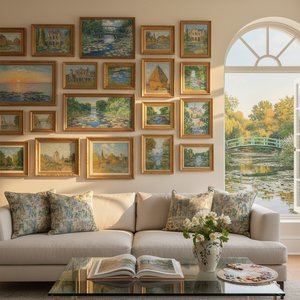
Claude Monet: 25 Najlepszych Arcydzieł Impresjonizmu | Reprodukcje Obrazów Online
Odkryj 25 najpiękniejszych arcydzieł Claude Moneta – impresjonistycznych pejzaży, nymfeii i słonecznych krajobrazów. Poznaj historię sztuki i zainspiruj się do dekoracji wnętrz z OriginalUniqueArt.com! Eksploruj pełną kolekcję online.
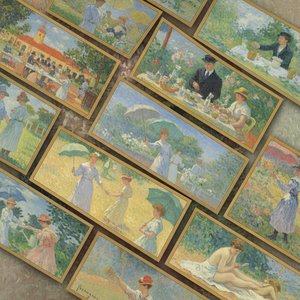
Pierre-Auguste Renoir: 25 Arcydzieł Pełnych Światła i Uroków | OriginalUniqueArt.com
Odkryj 25 najpiękniejszych obrazów Pierre’a-Auguste Renoir! Poznaj historię impresjonizmu, światło w jego malarstwie i arcydzieła takie jak 'Taniec w Le Moulin de la Galette'. Reprodukcje najwyższej jakości na OriginalUniqueArt.com – inspiracje dla Twojego wnętrza.
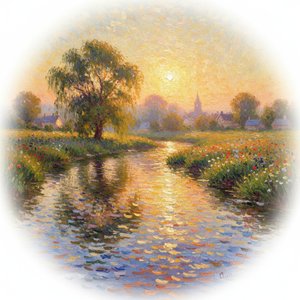
Capturing Light: A Masterclass in the Ethereal Beauty of Impressionistic Landscapes
Explore the ethereal beauty of Impressionist landscapes. Discover how masters like Monet captured fleeting light through color and texture, and learn to curate these timeless, luminous masterpieces for your home collection.

10 Arcydzieł Impresjonizmu Krajobrazowego: Sztuka, Artyści i Dekoracje Wnetrz
Odkryj 10 arcydzieł impresjonizmu krajobrazowego! Poznaj historie Monet, Renoir i innych mistrzów. Inspiracje wnętrzarskie, techniki malarskie i reprodukcje obrazów najwyższej jakości na OriginalUniqueArt.com. Eksploruj pełną kolekcję online!

Impressionistic Realism's Finest: 10 Masterpieces for Your Home | OriginalUniqueArt
Journey through Impressionistic Realism with 10 iconic masterpieces by Monet, Renoir & Van Gogh. Explore art history, techniques & find museum-quality reproductions for your home at OriginalUniqueArt.com. Discover all masterpieces online!
