

 Podgląd w skali 1:1
 Wyślij jako kartkę
 Udostępnij
 Szczegóły dzieła
 Przewodnik

 Pobierz obraz
 Podobne obiekty
 RTG
RTG Pokaz slajdów
 Statystyki
Road at St Paul (Var)


 Rozwiń treść
Giclée / Wydruk artystyczny
Wydruki giclée lub płótna o jakości muzealnej, szybka realizacja i szeroki wybór opcji wykończenia. ( Zamów ręcznie malowaną reprodukcję Przejdź do wersji cyfrowej)




P118B zł10

P118H zł10

P118W zł10

P438Z zł10

P508JH zł12

P508YH zł12

P805H zł10

P805Z zł10

P919BZ zł10

P919G zł10

P919XJ zł10

P959ZH zł10

P968JZ zł12

W106C zł8

W218G zł10

W218JH zł8

W218Y zł10

W307PJ zł10

W316G zł10

W316PJ zł8

W316Y zł10

W398PJ zł8

W4111J zł10

W500HY zł15

W500JH zł15

W692G zł12

W849H zł8

W940BG zł15

W953PJ zł8




Wybierz spośród naszych standardowych rozmiarów, które zachowują oryginalne proporcje dzieła sztuki.

Wpisz wymaganą szerokość i wysokość, aby dopasować grafikę do ramy lub ściany. Wydruk można jedynie przyciąć, nigdy nie powiększając go poza oryginalny obraz, dlatego format o innych proporcjach spowoduje utratę części kompozycji. Przed rozpoczęciem druku prześlemy Ci cyfrowy podgląd do zatwierdzenia. Obraz wyświetlany na tej stronie nie pokazuje rzeczywistego przycięcia — jedynie podgląd oddaje ten efekt.
Dostawa na cały świat () w ciągu 2 tygodni zamiast standardowych 4/5 tygodni. (25 Październik)

Bezpłatna ekspresowa wysyłka na cały świat

Wysokiej jakości płótno lniane

Pełne ubezpieczenie przesyłki

Gwarancja zwrotu należności celnych i podatków importowych

Gwarancja wiernego odwzorowania kolorów

100-dniowa polityka zwrotów (tylko w przypadku wad)

Gwarancja 100% zwrotu pieniędzy

Zniżka przy zakupie wielu sztuk
 Opcja ze szkłem jest dostępna wyłącznie w rozmiarach poniżej 110 cm

Road at St Paul (Var)
Giclée / Wydruk artystyczny
Wymiary reprodukcji
-


Cena całkowita
zł 307
A Moment Frozen in Time: Exploring Félix Vallotton’s “Road at St Paul (Var)”
Félix Vallotton's "Road at St Paul (Var)," painted in 1922, is more than just a depiction of a rural scene; it’s a carefully constructed tableau brimming with quiet observation and an understated elegance. Housed within the Tate Gallery in London, this oil on canvas invites us into a fleeting moment, capturing not just the visual elements but also a palpable sense of atmosphere and human presence. The painting immediately draws the eye to a woman walking down a sun-drenched road, her figure rendered with Vallotton’s signature simplicity – a deliberate rejection of overly detailed realism in favor of suggestive forms and luminous color.
Vallotton, a pivotal figure within the *Nabi* movement, approached art with a unique sensibility. Initially trained in classical techniques, he ultimately forged his own path, moving away from academic constraints to embrace a more modern aesthetic. His work is characterized by bold colors, flattened perspectives, and an emphasis on capturing the essence of a subject rather than its literal representation. “Road at St Paul (Var)” exemplifies this approach perfectly; the landscape isn’t meticulously rendered but presented as a series of carefully chosen hues and shapes that evoke a specific mood – one of serene tranquility punctuated by subtle hints of activity.
The Language of Color and Light
Vallotton's masterful use of color is central to the painting’s impact. The dominant blues of the woman’s dress and the distant church create a cool, calming backdrop against which the warmer tones of the road and the sky stand out. He employs broken color—small, distinct patches of hue rather than blended shades—to achieve a shimmering effect, mimicking the way light interacts with surfaces. Notice how he uses highlights to draw attention to the woman’s form, while simultaneously softening the edges of the surrounding landscape. This creates a sense of depth and spatial ambiguity, inviting the viewer to contemplate the scene from multiple perspectives.
The lighting is particularly noteworthy. It's not a harsh, direct sunlight but rather a diffused glow that seems to emanate from everywhere at once. This contributes significantly to the painting’s overall mood – one of gentle warmth and quiet contemplation. The sky, rendered in shades of grey and blue, hints at an approaching storm, adding a subtle layer of drama to the otherwise peaceful scene.
A Glimpse into a World of Subtle Interactions
Beyond the central figure, “Road at St Paul (Var)” is populated with a series of secondary figures – men and women walking along the road, a horse-drawn cart in the distance, and a church perched on a hillside. These elements aren’t merely decorative; they subtly enrich the narrative, suggesting a community engaged in everyday life. The painting doesn't offer a clear story but rather invites us to imagine the lives of these individuals, their interactions, and their connection to this particular place.
The church itself is rendered with a certain detachment, almost as if it’s an integral part of the landscape. Its presence anchors the scene while simultaneously hinting at themes of faith, tradition, and perhaps even isolation. The composition—the diagonal line of the road leading towards the distant church—creates a sense of movement and directs our gaze across the canvas.
Owning a Piece of Artistic History
“Road at St Paul (Var)” is a testament to Vallotton’s ability to capture the essence of a moment with remarkable clarity and emotional resonance. OriginalUniqueArt offers meticulously crafted, hand-painted reproductions that faithfully recreate the painting's luminous colors, subtle textures, and evocative atmosphere. These reproductions are not simply prints; they are works of art in their own right, allowing you to bring this iconic image into your home or office and experience its beauty firsthand. Explore our collection at OriginalUniqueArt.com to discover a reproduction that perfectly suits your style and space.
For those seeking further insight, we encourage you to visit the Tate Gallery’s online resources: ‘Road at St Paul (Var)’, Félix Vallotton, 1922 | Tate.
Pytania i odpowiedzi
W jaki sposób mogę uzyskać plik cyfrowy dzieła „Road at St Paul (Var)” – Felik Vallotton?
Aby otrzymać plik cyfrowy dzieła „Road at St Paul (Var)” – Felik Vallotton, zamów wysokiej rozdzielczości cyfrowe zdjęcie do pobrania na stronie Cyfrowy obraz.
Jaki nastrój i emocje wyraża „Road at St Paul (Var)” – Felik Vallotton?
W "Road at St Paul (Var)" nastrojowi Calm towarzyszy emocja Melancholic.
Do którego etapu kariery Felik Vallotton należy dzieło „Road at St Paul (Var)” (1922)?
Data powstania dzieła (1922) sytuuje "Road at St Paul (Var)" w Fin de Siècle rozwoju twórczości Felik Vallotton.
Biografia artysty
Życie w Świetle Fin de Siècle: Félix Vallotton
Félix Édouard Vallotton, urodzony w Lozannie w Szwajcarii w 1865 roku, był artystą, którego twórczość oddaje złożoną atmosferę *fin de siècle*. Jego życie było podróżą między szwajcarskimi korzeniami a tętniącym życiem paryskim środowiskiem artystycznym, co ostatecznie uczyniło go kluczową postacią w rozwoju nowoczesnego sztuki. Wczesne lata, naznaczone konserwatywnymi wartościami protestanckimi jego rodziny – ojciec był aptekarzem, a później właścicielem fabryki czekolady – stanowiły wyraźny kontrast dla bohemy, do której ostatecznie się przyłączył. Początkowo skierowany ku studiom klasycznym w Collège Cantonal, Vallotton’s pasja do ekspresji wizualnej poprowadziła go do Paryża w 1882 roku, gdzie zapisał się na Akademię Julian. To nie tylko geograficzna zmiana miejsca, ale głęboka przemiana perspektywy, zanurzając go w sercu innowacji artystycznych i fermentu intelektualnego. Jego wykształcenie akademickie zapewniło mu solidną podstawę techniczną, jednak to spotkania z nowatorskimi kręgami artystycznymi zapaliły jego kreatywność.
Nabis i Język Intymności
Artystyczna ewolucja Vallottona nabrała decydującego charakteru, gdy związał się z *Les Nabis* – grupą młodych artystów, w tym Pierre Bonnardem, Édouard Vuillardem i Maurice’m Denisem – w 1892 roku. Choć często uważany za nieco marginalnego w grupie, jego przynależność okazała się kluczowa dla kształtowania jego charakterystycznego stylu. Nabis poszukiwali duchowego wymiaru w sztuce, eksplorując symbolizm i estetykę dekoracyjną. Vallotton wchłonął te wpływy, ale filtrował je przez własne, unikalne wyczucie, charakteryzujące się chłodnym dystansem i bezkompromisowym realizmem. Najbardziej wyraźnie to ujawnia się w jego serii drzeworytów, szczególnie *Intimités* (1898). Te dziesięć scen wnętrzowych jest imponujących ze względu na psychologiczne napięcie, przedstawiając napotykające się mężczyzn i kobiety z niepokojącą szczerością. Nie są to narracje romantyczne ani pasyjne, lecz raczej eksploracje napięcia, dynamiki władzy i ukrytych złożoności w życiu domowym. Surowe kontrasty czerni i bieli w jego drzeworytach – celowe nawiązanie do japońskich *ukiyo-e* – wzmacniają poczucie niepokoju i psychologicznego badania.
Mistrz Drzewora i Malarski Wyrafinowanie
Mistrzostwo Vallottona rozciągało się poza sferę malarstwa; szeroko uznawany jest za mistrza drzeworytu, odświeżając tę technikę dzięki innowacyjnym metodom. Przyjął prostotę i bezpośredniość formy, wykorzystując wyraźne linie i surowe kontrasty do tworzenia obrazów, które są zarówno wizualnie imponujące, jak i emocjonalnie rezonansowe. Jego drzeworyty nie były jedynie ilustracjami, lecz samodzielnymi dziełami sztuki, często satyrycznymi, komentującymi konwenanse społeczne i kwestie polityczne. Jednocześnie Vallotton kontynuował rozwój swojego stylu malarskiego, odchodząc od czysto akademickich podejść w kierunku bardziej osobistej ekspresji. Umiejętnie łączył realizm z subtelnymi symbolami, tworząc portrety, krajobrazy i kompozycje nadal posiadające enigmatyczną atmosferę.
Wpływy i Trwałe Dziedzictwo
Félix Vallotton’s wpływ rozprzestrzenił się na cały początek XX wieku, wpłynął na artystów takich jak Edvard Munch i Ernst Ludwig Kirchner. Jego bezkompromisowe spojrzenie, eksploracja tematów psychologicznych i innowacyjne wykorzystanie technik druku zapoczątkowały nowe wyrażenia artystyczne. Był to artysta, który zdołał znaleźć swój głos w Paryżu, łącząc tradycję i nowoczesność, realizm i symbolizm, pozostawiając trwałe ślady w historii sztuki.
Główne osiągnięcia
- W tworzeniu niektórych z najbardziej charakterystycznych i bezlitosnych obrazów paryskiego życia końca XIX wieku Vallotton zdobył tytuł najlepszego drukarza drzeworytu swojej generacji.
- Uznawany jest za rewolucjonistę, który odżywił sztukę drzeworytową, wykorzystując tradycje japońskie i tworząc dzieła, które były zarówno wizualnie imponujące, jak i emocjonalnie rezonansowe.
- W latach 1891-1901 Vallotton wyprodukował ponad 120 drzeworytów.
Vallotton’s legacy lies not only in his technical brilliance but also in his ability to capture the complexities of human experience with honesty, intelligence, and an enduring sense of mystery.

Felik Vallotton
1865 - 1925 , Szwajcaria
Krótka nota
- Artistic Movement Or Style: Postimpresjonizm, Symbolizm
- Artists Or Movements Influenced By This Artist:
- Les Nabis
- Munch
- Kirchner
- Artists Who Influenced This Artist:
- Holbein
- Ingres
- Japskie drzeworyty
- Date Of Birth: 28 grudzień 1865
- Date Of Death: 29 grudzień 1925
- Full Name: Félix Édouard Vallotton
- Nationality: Szwajcarsko-Francuski
- Notable Artworks:
- Intymności
- Płynące
- Nude
- Place Of Birth: Lausanne, Szwajcaria
Powiązane artykuły

Paul Klee: A Poetics of Form and Color – Exploring the Inner Landscape of a Modern Master
Explore the captivating world of Paul Klee! Discover his innovative art, Bauhaus influence, & unique symbolic language. Expert analysis & high-quality reproductions at OriginalUniqueArt.
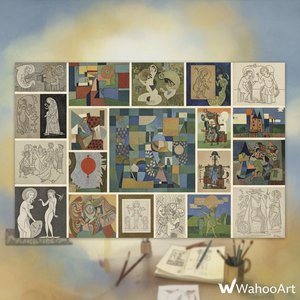
Paul Klee: 25 Arcydzieł Koloru i Formy | Reprodukcje Obrazów Online - OriginalUniqueArt
Odkryj 25 arcydzieł Paula Klee – od abstrakcji po ekspresjonizm. Poznaj historie, techniki i inspiracje malarza. Reprodukcje obrazów najwyższej jakości na OriginalUniqueArt.com. Eksploruj pełną kolekcję online!

El Greco: 25 Arcydzieł Genialnego Malarza – Kolekcja dla Koneserów Sztuki i Wystroju Domu
Odkryj 25 arcydzieł El Greco – mistrza renesansu i manieryzmu. Poznaj historie, techniki i duchowość w jego obrazach. Reprodukcje najwyższej jakości na OriginalUniqueArt.com. Inspiracje do wnętrz i kolekcja sztuki online!
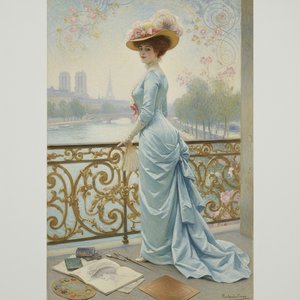
Paul César Helleu: Capturing Belle Époque Elegance & Artistic Innovation
Explore the captivating world of Paul César Helleu, master portraitist of the Belle Époque. Discover his innovative techniques, iconic works like 'Portrait of Margaret Kelly,' and investment potential with OriginalUniqueArt.

Paul Cézanne: 25 Arcydzieł, które Zrewolucjonizowały Świat Sztuki | OriginalUniqueArt
Odkryj 25 arcydzieł Paula Cézanne'a – od impresjonizmu po postimpresjonizm. Poznaj historie, techniki i inspiracje malarza, który zrewolucjonizował sztukę. Reprodukcje obrazów najwyższej jakości na OriginalUniqueArt.com!

