
 Podgląd w skali
 Wyślij jako kartkę
 Udostępnij
 Szczegóły dzieła

 Pobierz
 Podobne obiekty
 RTG
RTG Pokaz slajdów
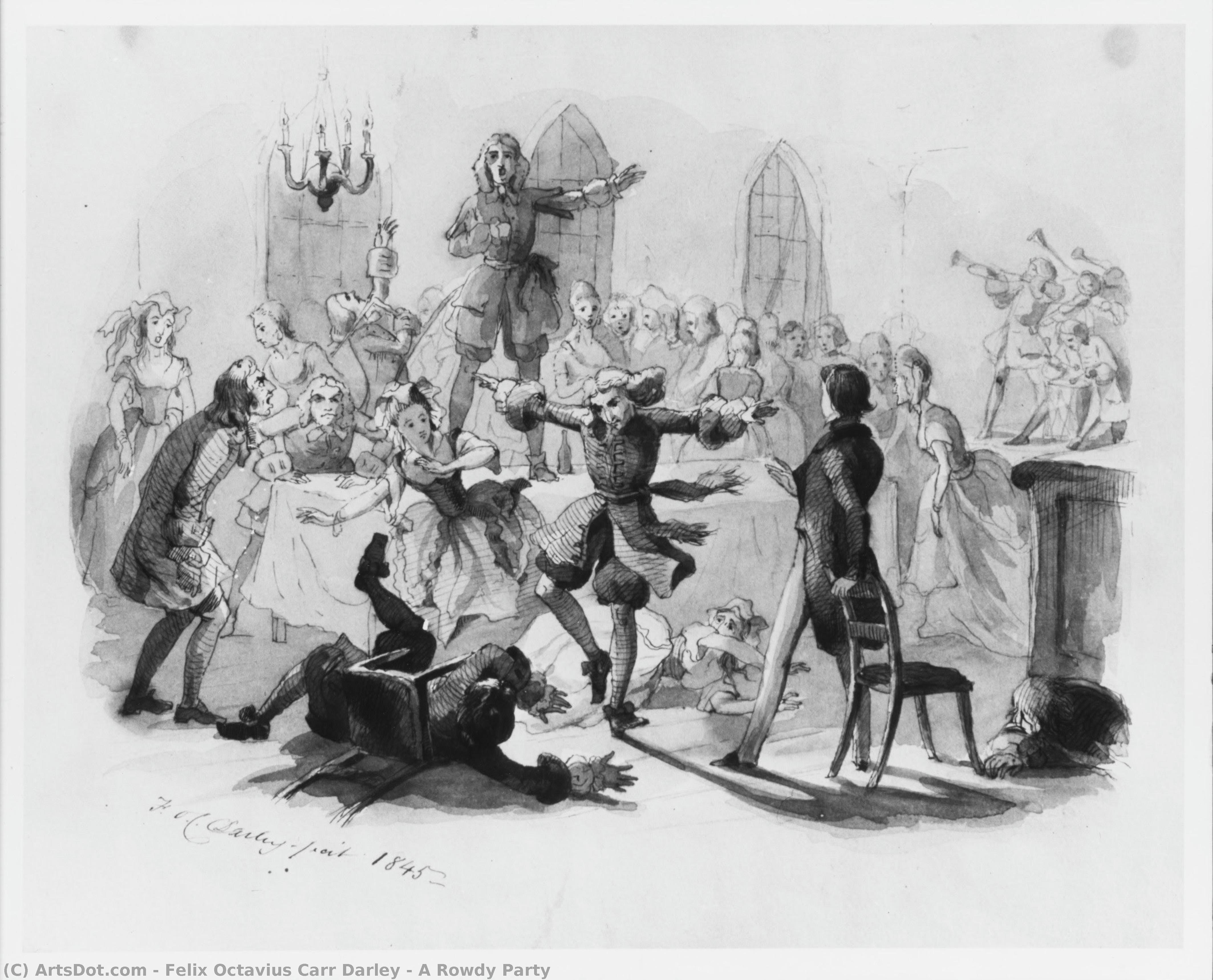
A Rowdy Party
 Graphite
- WallArt
- Romantic Realism
 1845
1845- 19th Century
 18.0 x 23.0 cm
 Metropolitan Museum of Art
 Rozwiń treść
Kup wysokiej rozdzielczości, ulepszony obraz cyfrowy o znacznie wyższej jakości niż podgląd online.
Każdy plik jest starannie przygotowywany przez naszych specjalistów przy użyciu zaawansowanych narzędzi oraz profesjonalnej, ręcznej retuszy. Dbamy o to, aby każdy obraz cechował się wyjątkową ostrością, precyzyjnym odwzorowaniem kolorów i subtelnymi detalami.
Ostateczny plik dostarczany jest drogą mailową w ciągu 72 godzin, zoptymalizowany do natychmiastowego wykorzystania w profesjonalnych zastosowaniach redakcyjnych i poligraficznych. To ta sama jakość, której ufają czołowe studia projektowe, wydawnictwa oraz galerie sztuki.
Obraz cyfrowy
Pobierz plik o wysokiej rozdzielczości do osobistego wyświetlania, druku oraz projektów kreatywnych. ( Zamów wydruk Zamów ręcznie malowaną reprodukcję)
W każdym zamówieniu na obraz cyfrowy znajduje się
Profesjonalna dostawa cyfrowa z gwarancją
Wybierając OriginalUniqueArt.com, nie otrzymujesz jedynie obrazu – otrzymujesz profesjonalnie udoskonalone cyfrowe dzieło sztuki, stworzone z najwyższą precyzją i objęte gwarancją satysfakcji. Oto wszystko, co automatycznie dołączane jest do Twojego zamówienia:

Błyskawiczna wysyłka e-mailowa
Plik z obrazem cyfrowym w wysokiej rozdzielczości zostanie przesłany na Twój adres e-mail w ciągu 72 godzin od złożenia zamówienia – gotowy do natychmiastowego użycia.

Plik cyfrowy wzbogacony przez AI
Twoja grafika została profesjonalnie zoptymalizowana przy użyciu zaawansowanych narzędzi AI oraz ręcznej edycji, co zapewnia maksymalną szczegółowość, klarowność i wierność kolorów.

Dożywotnia darmowa ponowna dostawa
Przypadkowo usunąłeś lub zgubiłeś swój plik? Bez obaw – prześlemy go Tobie ponownie w dowolnym momencie, bez żadnych opłat.

Bez opłat importowych – zawsze
Ciesz się swoją sztuką natychmiast, bez żadnych opłat celnych, należności ani kosztów dostawy – pliki cyfrowe są zawsze wolne od podatku.

Gwarancja wierności kolorów
Dzięki zastosowaniu profesjonalnych narzędzi i procesów zarządzania barwą zapewniamy, że Twoje cyfrowe zdjęcie odzwierciedla oryginalne kolory tak wiernie, jak to tylko możliwe.

60-dniowa gwarancja satysfakcji
Jeśli nie będziesz zadowolony ze swojego cyfrowego obrazu, dokonamy jego poprawki lub zwrócimy 100% kosztów w ciągu 60 dni – bez żadnych pytań.

100% Gwarancja zwrotu pieniędzy
Nie jesteś zadowolony? Otrzymaj pełny zwrot kosztów w ciągu 60 dni od otrzymania pliku cyfrowego – bez zbędnych pytań.

Rabaty przy zamówieniach hurtowych
Kup 3 obrazy, oszczędź 10% - Kup 5, oszczędź 15% - Kup 10+, oszczędź 20%. Idealne do projektów kreatywnych, galerii i agencji.
Opis kolekcjonerski
A Night Unfurled: Capturing the Spirit of Mid-Century Revelry
To gaze upon this depiction of A Rowdy Party is to be instantly swept away by the sheer, vibrant chaos of human connection. It is not merely a drawing; it is an echo of laughter, the rustle of fine fabric, and the breathless energy that permeates any gathering where inhibitions are shed for the night. The scene pulses with boisterous life, capturing a moment so ephemeral—the peak of revelry—that it feels almost tangible. One can almost hear the music echoing off the unseen walls and feel the press of bodies in the crowded room. This work speaks to a universal human impulse: the need to gather, celebrate, and lose oneself within the collective joy.
Mastery in Monochrome: Technique and Tonal Depth
What is most arresting about this piece is its remarkable technical execution, particularly given its monochrome nature. The artist has achieved an astonishing depth of texture and form using only graphite or charcoal on paper. Observe how the hatching and cross-hatching are deployed not just for shadow, but to build palpable surfaces—the sheen on a coat, the folds in a gown, the very grain of the air itself. The artist’s command over line weight is masterful; thin, delicate lines suggest fleeting glances, while denser passages create anchors of dramatic shadow. This reliance on tonal variation elevates the drawing from simple sketch to profound study in light and atmosphere.
The Historical Echo: Life in the Mid-19th Century
Dating to 1845, this artwork transports us directly into the social landscape of the mid-nineteenth century. The clothing styles, the architectural framing suggested by the windows and chandelier, all root the scene firmly within a specific historical moment—a time of burgeoning urban life and formalized social ritual. Felix Octavius Carr Darley, the hand behind this vision, was a pioneer in American illustration, skilled at capturing these very moments of transition. He imbued his scenes with an undeniable narrative energy, making the mundane act of socializing feel epic in scope.
Symbolism of Excess and Connection
Beyond the surface merriment, the drawing invites contemplation on themes of indulgence and community. The crowded composition itself is symbolic; it speaks to both the exhilarating freedom found within a group and the potential for disorder that such intense proximity can breed. The central figures, gesturing with animated abandon, embody the spirit of unbridled celebration. For the modern collector or designer, this piece offers more than just decoration; it provides an emotional anchor—a sophisticated nod to the enduring power of shared experience and the beautiful messiness of human connection.
Bringing the Salon Home: Reproduction for Modern Spaces
For those seeking to infuse a room with the drama and historical resonance of a grand salon, a high-quality reproduction of this drawing is an unparalleled choice. Its black and white palette offers incredible versatility; it complements rich jewel tones in upholstery or provides a stark, elegant contrast against minimalist modern backdrops. It serves as a conversation starter, inviting every viewer to pause, lean in, and decipher the secrets whispered between the dancing couples.
Biografia artysty
Felix Octavius Carr Darley: The Pioneer of American Illustration
Felix Octavius Carr Darley (1822-1888) stands as a pivotal figure in the history of American art, not merely for his prolific output but for his role in establishing illustration as a respected and sophisticated artistic medium. Born in Philadelphia during a period of burgeoning industrialization and expanding literacy, Darley’s career coincided with a crucial shift in how Americans engaged with literature and visual culture. He wasn't simply a recorder of scenes; he was a storyteller who imbued the printed page with dramatic energy and a distinctly American sensibility – a blend that profoundly influenced generations of illustrators to follow.
Darley’s early life, marked by his parents’ theatrical backgrounds, instilled in him an appreciation for visual narrative and performance. Unlike many artists of his time who received formal training, Darley was largely self-taught, honing his skills through meticulous observation and a relentless pursuit of technical mastery. He began his career as a staff artist for a Philadelphia publishing house, a position that provided him with invaluable experience in capturing the dynamism of urban life – sketching scenes from the docks, capturing the bustle of city streets, and documenting the everyday dramas of working-class Philadelphia. This early exposure to diverse subjects and perspectives would later inform his rich and varied body of work.
Literary Collaborations and a Defining Style
Darley’s most enduring legacy lies in his collaborations with some of America's greatest literary figures. He was commissioned to illustrate works by Washington Irving, James Fenimore Cooper, Charles Dickens, Nathaniel Hawthorne, Edgar Allan Poe, and many others – a testament to his versatility and the high regard in which he was held. His illustrations for Cooper’s novels, particularly “The Last of the Mohicans” and “Leatherstocking Tales,” are considered masterpieces of American illustration, capturing the rugged beauty of the frontier landscape and the heroic exploits of its characters with remarkable detail and dramatic flair.
Darley's distinctive style was characterized by bold outlines, dynamic compositions, and a vibrant use of color – a departure from the more restrained techniques favored by European illustrators at the time. He employed a technique he called “outline drawing,” creating images primarily through strong lines rather than subtle shading. This approach allowed him to convey movement, emotion, and atmosphere with exceptional clarity and immediacy. His illustrations were not mere decorations; they actively engaged the reader’s imagination, bringing the stories to life in vivid detail. He was particularly adept at capturing the essence of a scene – distilling complex narratives into visually compelling vignettes that resonated deeply with audiences.
The Rise of Illustration as Art
Darley's success coincided with a period of significant change in the American publishing industry. As literacy rates rose and printing technology advanced, books became more accessible to a wider audience. Illustrations began to be recognized not just as decorative elements but as integral components of the reading experience – enhancing comprehension, stimulating imagination, and adding layers of meaning to the text. Darley played a crucial role in this transformation, demonstrating that illustration could be a sophisticated art form worthy of serious artistic consideration.
His work was widely circulated through magazines like *Harper’s Weekly* and *The Saturday Evening Post*, further solidifying his reputation as America's foremost illustrator. He became the first American artist to receive widespread recognition for his illustrations, paving the way for future generations of illustrators to pursue careers in art. His influence can be seen in the work of later illustrators such as Howard Pyle and N.C. Wyeth.
A Legacy Preserved
Felix Octavius Carr Darley’s impact extends beyond his artistic achievements. He established a home, “The Wren’s Nest,” in Claymont, Delaware, which remains open to the public as a historic house museum. The house offers a fascinating glimpse into the life and work of this remarkable artist, showcasing his studio, personal belongings, and a collection of his original illustrations. Darley's legacy is not just one of artistic skill but also of cultural significance – he helped shape the visual landscape of America and established illustration as a respected art form.
His contributions to American literature and art are still celebrated today, ensuring that Felix Octavius Carr Darley’s name will forever be associated with the vibrant spirit and dynamic energy of 19th-century America.

Felix Octavius Carr Darley
1822 - 1888

