

 Zobacz w skali 1:1
 Wyślij
 Udostępnij
 Szczegóły

 Pobierz plik obrazu
 Podobne obiekty
 RTG
RTG Pokaz slajdów
 Statystyki
Pierrot the Photographer


 Czytaj więcej
Ręcznie malowana reprodukcja olejowa
Ręcznie malowany obraz olejny na płótnie, wykonany na zamówienie przez naszych artystów w wybranym przez Ciebie wymiarze i oprawie. ( Przełącz na wersję drukowaną Przełącz na wersję cyfrową)




P118B $10

P118H $10

P118W $10

P438Z $10

P508JH $12

P508YH $12

P805H $10

P805Z $10

P919BZ $10

P919G $10

P919XJ $10

P959ZH $10

P968JZ $12

W106C $8

W218G $10

W218JH $8

W218Y $10

W307PJ $10

W316G $10

W316PJ $8

W316Y $10

W398PJ $8

W4111J $10

W500HY $15

W500JH $15

W692G $12

W849H $8

W940BG $15

W953PJ $8




Wybierz spośród naszych standardowych rozmiarów, które zachowują oryginalne proporcje dzieła sztuki.

Możesz wprowadzić własne wymiary, aby dopasować obraz do konkretnej ramy lub przestrzeni. Jeśli wybrany rozmiar nie będzie odpowiadał proporcjom oryginału, przytniecie dzieło sztuki lub rozszerzymy je o dodatkowe elementy, ręcznie domalowane przez artystę. Przed rozpoczęciem produkcji wyślemy projekt cyfrowy do Twojej akceptacji.
Należy pamiętać, że podgląd na ekranie nie odzwierciedla rzeczywistego przycinania ani rozszerzania obrazu. Tylko projekt dokładnie pokaże ostateczną kompozycję.
Choć oferujemy możliwość zamówienia niestandardowych rozmiarów, zalecamy wybór wymiaru z gotowej listy, aby zachować oryginalne proporcje dzieła.
Po złożeniu zamówienia zespół OriginalUniqueArt.com skontaktuje się z klientem drogą mailową w celu uzyskania instrukcji i prześle wizualizację projektu
Dostawa na całym świecie () w ciągu 3–4 tygodni zamiast standardowych 5 tygodni. (18 Wrzesień). Bez kompromisów w kwestii jakości.

Bezpłatna ekspresowa wysyłka na cały świat

Wysokiej jakości płótno lniane

Pełne ubezpieczenie transportowe

Gwarancja zwrotu należności celnych i podatków importowych

Gwarancja idealnego odwzorowania barw

100-dniowy okres na zwrot dzieła w przypadku wykrycia wad produkcyjnych

Gwarancja 100% zwrotu pieniędzy

Oferta przy zakupie wielu sztuk
 Opcja ze szkłem jest dostępna wyłącznie w rozmiarach poniżej 110 cm

Pierrot the Photographer
Technika wykonania
Rozmiar reprodukcji
-


Suma do zapłaty
$ 300
The Enigmatic Figure: Unveiling “Pierrot the Photographer”
Félix Nadar’s “Pierrot the Photographer,” created in 1854, isn't merely a portrait; it’s a meticulously constructed tableau vivant—a staged scene brimming with quiet observation and subtle commentary on the burgeoning world of photography. The image immediately draws the eye to Pierrot, a figure both familiar and unsettlingly modern, holding a camera poised as if capturing not just a likeness but an essence. He embodies the nascent spirit of the photographer himself – a blend of artist, observer, and documentarian, all wrapped in the playful guise of a traditional clown. The photograph’s power lies not simply in its technical execution, but in the carefully orchestrated narrative it presents, inviting us to contemplate the very nature of representation and identity.
The work's historical context is crucial to understanding its significance. Nadar was a pioneer, pushing against the conventions of portraiture prevalent during the mid-19th century. He rejected the opulent backdrops and theatrical poses favored by his contemporaries, instead opting for natural light and an intimate approach that prioritized capturing the sitter’s personality. “Pierrot the Photographer” exemplifies this shift—a deliberate departure from traditional formality, suggesting a new era of visual storytelling.
A Dance of Light and Shadow: Technical Details & Artistic Choices
Examining the photographic process reveals layers of artistry. “Pierrot the Photographer” was undoubtedly produced using one of the early wet collodion techniques, a demanding method requiring immediate development after exposure. This explains the image’s distinctive grainy texture—a hallmark of photographs from this period—and the subtle variations in tone that contribute to its aged and evocative quality. The careful control of light is particularly noteworthy; diffused illumination creates a soft, almost melancholic atmosphere, highlighting the textures of Pierrot's costume and casting gentle shadows that add depth and dimension.
Nadar’s compositional choices further enhance the photograph’s impact. The tripod, a stark vertical element, anchors the scene while simultaneously creating a sense of formality and precision. Pierrot’s slight tilt of his head—a subtle gesture of engagement—draws us into the frame, inviting us to share in his moment of observation. The two indistinct figures in the background offer a hint of context without disrupting the central focus, suggesting a studio setting and hinting at the collaborative nature of photographic production.
Symbolism & Emotional Resonance: Beyond the Surface
“Pierrot the Photographer” is rich with symbolic meaning. The clown costume itself—a traditional symbol of playfulness and theatricality—contrasts sharply with the seriousness of the act of photography, creating a fascinating tension. The camera becomes an extension of Pierrot’s personality, transforming him into both subject and observer. The image speaks to the evolving role of the photographer in society – moving from mere recorder of reality to active participant in shaping it.
Furthermore, the photograph evokes a sense of nostalgia and timelessness. Its aged appearance—the subtle imperfections and tonal variations—suggests that it has witnessed countless moments, carrying with it the weight of history. “Pierrot the Photographer” is not simply a portrait; it’s a meditation on memory, identity, and the enduring power of visual representation.
A Legacy in Reproduction: Bringing Nadar's Vision to Life
Reproductions of “Pierrot the Photographer” offer a unique opportunity to experience the artistry of Félix Nadar firsthand. The meticulous detail captured in this early photograph—the textures of the costume, the subtle nuances of light and shadow—are faithfully reproduced in high-quality prints, allowing viewers to appreciate the depth and complexity of Nadar’s vision. Whether displayed as a statement piece in a contemporary interior or studied as an historical artifact, this iconic image continues to captivate and inspire.
Biografia artysty
Félix Nadar: Pionier fotografii
Wczesne lata i początki
- Urodzony: Gaspard-Félix Tournachon, 5 kwietnia 1820 roku w Paryżu (choć niektóre źródła wskazują na Lyon).
- Jego ojciec, Victor Tournachon, był drukarzem i księgarzem.
- Początkowo studiował medycynę, lecz musiał porzucić naukę z powodów finansowych po śmierci ojca.
- Nadar, jak stał się znany światu, rozpoczął swoją karierę jako karykaturzysta i powieściopisarz, publikując swoje prace w różnych gazetach.
Od karykatury do fotografii
- Eksperymenty z fotografią rozpoczął około 1853 roku.
- W 1854 roku otworzył swoje pierwsze studio fotograficzne przy 113 rue St. Lazare, by w 1860 roku przenieść się pod adres 35 Boulevard des Capucines.
- Szybko zdobył uznanie dzięki uderzającym i głębokim psychologicznie portretom.
- Odrzucenie konwencji: Nadar unikał wystawnych teł typowych dla ówczesnej portretystyki, wybierając naturalne światło oraz skupienie na osobowości modela.
Pionierska fotografia lotnicza
- W 1858 roku Nadar stał się pierwszą osobą, która wykonała zdjęcia z lotu ptaka, wykorzystując balony.
- Pokonał trudności techniczne związane z wywoływaniem płyt fotograficznych na dużej wysokości, wynajdując bawełnianą osłonę koszy balonowych odporną na działanie gazów.
- Był również pionierem stosowania sztucznego oświetlenia w fotografii, co szczególnie udowodnił podczas pracy w paryskich katakumbach.
- Le Géant: W 1863 roku zlecił budowę ogromnego balonu o nazwie „Le Géant” (Olbrzym), co stało się inspiracją dla Jules Verne’a do napisania powieści *Pięć tygodni w balonie*.
Najważniejsze osiągnięcia i wpływy
- Portret: Fotografował liczne wybitne postaci, w tym Victora Hugo, Charlesa Baudelaire'a, Sarah Bernhardt oraz Gustave'a Courbeta.
- Ustanowił pierwszą na świecie usługę poczty lotniczej podczas oblężenia Paryża (1870-71), wykorzystując loty balonami.
- W swoim studiu w 1874 roku gościł pierwszą wystawę impresjonistów, zapewniając kluczową platformę dla wschodzących artystów.
- W 1886 roku opublikował to, co uważa się za pierwszy wywiad fotograficzny, przeprowadzony z chemikiem Michel Eugène Chevreul.
Późniejsze lata i dziedzictwo
- W latach 1895–1909 przeniósł swoje studio do Marsylii.
- Zmarł 20 marca 1910 roku w Paryżu i został pochowany na cmentarzu Père Lachaise.
- Po jego śmierci działalność studia kontynuował jego syn, Paul Nadar.
- Quand j’étais photographe: Opublikował wspomnienia, w których rozważał swoje życie i twórczość, oferując bezcenne spojrzenie na fotografię XIX wieku.
- Znaczenie historyczne: Innowacyjne techniki i artystyczna wizja Nadara wywarły głęboki wpływ na rozwój fotografii jako formy sztuki. Jego portrety pozostają ikonicznymi przedstawieniami paryskich kręgów intelektualnych i artystycznych.
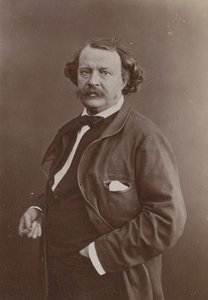
Félix Nadar
1820 - 1910 , Francja
Najważniejsze informacje
- Birth Date: 5 kwietnia 1820
- Death Date: 20 marca 1910
- Influenced: ['Jules Verne']
- Movement:
- Fotografia
- Karykatura
- Impresjonizm (powiązany)
- Name: Félix Nadar
- Nationality: Francuski
- Notable Works:
- Portrety Baudelaire'a, Hugo, Delacroix
- Fotografia lotnicza
- Wywiad fotograficzny z Chevreul
Zobacz także powiązane artykuły

Beyond the Lens: Photography's Enduring Influence on Modern & Contemporary Art
Explore photography's pivotal role in shaping modern & contemporary art. Discover key movements, influential artists like Stieglitz, and expert collecting advice from OriginalUniqueArt.
Beyond Color: The Timeless Power and Artistry of Black and White Photography
Explore the profound artistry of black and white photography. From the chemistry of gelatin silver to the chiaroscuro of the Old Masters, discover how monochrome captures the eternal essence of light, form, and emotion for the discerning art collector.
Timeless Shadows: The Artistry, History, and Emotional Resonance of Black and White Photography
Explore the profound artistry of black and white photography. From historical mastery to the interplay of light and shadow, discover how monochrome captures timeless emotion and form through a sophisticated lens of art history.

Beyond the Portrait: Félix Nadar & the Psychological Depths of 19th-Century Photography
Explore the revolutionary photography of Félix Nadar – pioneer of portraiture, aerial imaging & psychological depth. Discover his iconic portraits of Baudelaire, Hugo & more. A deep dive into 19th-century art history.

Monochromatyczne Wizje: Estetyka i Historyczne Znaczenie Fotografii Czarno-Białej
Odkryj fascynujący świat fotografii czarno-białej! Poznaj historię, techniki i arcydzieła monochromatycznej sztuki. Inspiracje, porady i analiza wpływu na współczesną estetykę. OriginalUniqueArt.com.