Realism
Singer (Everett Shinn)
Everett Shinn (1876–1953) stworzył Singer. Należy do nurtu Realism.

 Podgląd w skali 1:1

 Ręcznie malowany obraz olejny
 Wyślij jako kartkę
 Udostępnij
 Karta informacyjna


 Pobierz obraz
 Podobne obiekty
 RTG
 Pokaz slajdów
 Pytania i odpowiedzi

 Statystyki
Singer w skrócie
- Tytuł
- Singer
- Artysta
- Everett Shinn (1876–1953)
- Miejsce urodzenia artysty
- Woodstown, Stany Zjednoczone
- Ruch
- Realism
- Temat
- music, theaters
Zdjęcia w wysokiej rozdzielczości dzieła Singer
Domena publiczna: artysta zmarł w 1953.
Everett Shinn, Singer. Domena publiczna
Odpowiedzi na pytania dotyczące Singer
Co przedstawia „Singer” – Everett Shinn?
„Singer” – Everett Shinn przedstawia: music, theaters.
Czy obraz „Singer” – Everett Shinn można swobodnie reprodukować?
„Singer” – Everett Shinn znajduje się w domenie publicznej (należy do domeny publicznej – autorskie prawa majątkowe wygasły). Status ten określa zasady reprodukcji obrazu tego dzieła.
Kto stworzył "Singer"?
Autorem dzieła „Singer” jest Everett Shinn. Praca ta figuruje w katalogu pod nazwiskiem Everett Shinn.
Do jakiego nurtu należy "Singer"?
Nurt związany z „Singer” – Everett Shinn to Realism. Ta klasyfikacja sytuuje dzieło wśród pokrewnych artystów i dzieł sztuki.
Co wyjaśnia sytuację prawną dotyczącą praw autorskich do „Singer” – Everett Shinn?
Dzieło "Singer" autorstwa Everett Shinn znajduje się w należy do domeny publicznej – autorskie prawa majątkowe wygasły. Okres ochrony praw autorskich liczony jest od daty śmierci artysty, a Everett Shinn zmarł(a) w 1953.
O artyście: Everett Shinn

1876–1953, Stany Zjednoczone
Everett Shinn
A Chronicler of Urban Life: The World of Everett Shinn Everett Shinn, born in Woodstown, New Jersey, in 1876, wasn’t simply a painter; he was a visual poet of the burgeoning metropolis. He captured the raw energy, the vibrant spectacle, and often, the underlying grit of early 20th-century America with an immediacy that set him apart. From his beginnings as a newspaper illustrator to his prominence within the Ashcan School, Shinn’s artistic journey reflects a commitment to portraying life as it was lived – unvarnished, compellingly real. Art historian Sam Hunter affectionately dubbed him “the dandy of the realists,” a moniker reflecting both his refined aesthetic and his embrace of the city's pleasures.
Inne prace Everett Shinn
 First Row at the Opera1942
 Nude Bathers
 The East River at Night1906
 The Orchestra Pit1906
Eseje o Singer
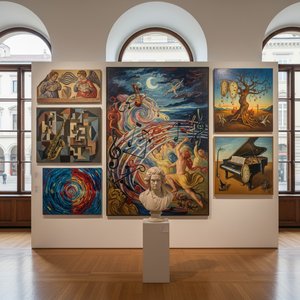 Harmonies on Canvas: Exploring the Visual Representation of Music in Art HistoryExplore the fascinating history of music's visual representation in art! From ancient symbolism to modern abstraction, discover how artists…
 Ekspresyjny rezonans: O wpływie nastroju i emocjonalnego oddziaływania na percepcję dzieł sztukiOdkryj wpływ emocji na percepcję sztuki! Analizujemy ekspresjonizm Van Gogha i Muncha, badając psychologiczne podstawy rezonansu z dziełami…
 Akademizm w Obrazie: 10 Arcydzieł Realizmu dla Twojego Domu | OriginalUniqueArtPoznaj 10 arcydzieł realizmu akademickiego! Odkryj historie Bouguereau, Gérôme i Cabanel. Reprodukcje obrazów najwyższej jakości dla Twojeg…