
 Podgląd w skali 1:1
 Wyślij jako kartkę
 Udostępnij
 Szczegóły dzieła
 Przewodnik

 Pobierz obraz
 Podobne obiekty
 RTG
RTG Pokaz slajdów
 Pytania i odpowiedzi
 Statystyki
Beach at Low Tide

- 124.0 x 168.0 cm


 Rozwiń treść
Giclée / Wydruk artystyczny
Wydruki giclée lub płótna o jakości muzealnej, szybka realizacja i szeroki wybór opcji wykończenia. ( Zamów ręcznie malowaną reprodukcję Przejdź do wersji cyfrowej)




P118B zł10

P118H zł10

P118W zł10

P438Z zł10

P508JH zł12

P508YH zł12

P805H zł10

P805Z zł10

P919BZ zł10

P919G zł10

P919XJ zł10

P959ZH zł10

P968JZ zł12

W106C zł8

W218G zł10

W218JH zł8

W218Y zł10

W307PJ zł10

W316G zł10

W316PJ zł8

W316Y zł10

W398PJ zł8

W4111J zł10

W500HY zł15

W500JH zł15

W692G zł12

W849H zł8

W940BG zł15

W953PJ zł8




Wybierz spośród naszych standardowych rozmiarów, które zachowują oryginalne proporcje dzieła sztuki.

Wpisz wymaganą szerokość i wysokość, aby dopasować grafikę do ramy lub ściany. Wydruk można jedynie przyciąć, nigdy nie powiększając go poza oryginalny obraz, dlatego format o innych proporcjach spowoduje utratę części kompozycji. Przed rozpoczęciem druku prześlemy Ci cyfrowy podgląd do zatwierdzenia. Obraz wyświetlany na tej stronie nie pokazuje rzeczywistego przycięcia — jedynie podgląd oddaje ten efekt.
Dostawa na cały świat () w ciągu 2 tygodni zamiast standardowych 4/5 tygodni. (9 Listopad)

Bezpłatna ekspresowa wysyłka na cały świat

Wysokiej jakości płótno lniane

Pełne ubezpieczenie przesyłki

Gwarancja zwrotu należności celnych i podatków importowych

Gwarancja wiernego odwzorowania kolorów

100-dniowa polityka zwrotów (tylko w przypadku wad)

Gwarancja 100% zwrotu pieniędzy

Zniżka przy zakupie wielu sztuk
 Opcja ze szkłem jest dostępna wyłącznie w rozmiarach poniżej 110 cm

Beach at Low Tide
Giclée / Wydruk artystyczny
Wymiary reprodukcji
-


Cena całkowita
zł 317
A Bleak Beauty: Eugène Isabey’s “Beach at Low Tide”
Eugène Louis Gabriel Isabey's "Beach at Low Tide," painted in 1833, isn’t merely a depiction of a coastal scene; it’s a profound meditation on the relationship between humanity and the raw, unforgiving power of nature. This evocative work, rendered in muted browns, greys, and ochres, transports the viewer to a desolate stretch of coastline – a place where hardship and resilience intertwine with an almost palpable sense of melancholy. Isabey, a key figure in French Romanticism, masterfully captures the dramatic interplay of light and shadow, creating an atmosphere thick with both beauty and unease.
The painting’s composition immediately draws the eye to the horizontal expanse of the cliffs dominating the background, anchoring the scene while simultaneously emphasizing the vulnerability of the small fishing village nestled within. The figures – men mending nets, women tending to the catch, children observing with quiet contemplation – are not idealized heroes but ordinary people inextricably linked to this harsh environment. Their presence speaks volumes about a life lived in close proximity to the sea’s capricious moods, a testament to their enduring connection and acceptance of its demands.
Romanticism's Embrace of the Sublime
“Beach at Low Tide” firmly resides within the Romantic movement, a period characterized by an intense fascination with nature’s grandeur and emotional intensity. Isabey, deeply influenced by artists like J.M.W. Turner, skillfully employs loose brushwork and expressive color to convey not just what he sees but how he *feels* about it. The diffused light, the turbulent textures of the cliffs, and the subdued palette all contribute to a sense of drama and emotional depth – a hallmark of Romanticism’s pursuit of the “sublime,” that feeling of awe and terror inspired by confronting something vast and overwhelming.
The choice of a bleak, overcast day is deliberate. Rather than presenting a picturesque vista, Isabey focuses on the inherent beauty within adversity. The storm clouds gathering overhead, though not explicitly depicted, are subtly suggested through the muted tones and the overall atmosphere of foreboding. This isn’t a celebration of idyllic landscapes; it's an exploration of the human spirit’s capacity to endure in the face of challenging circumstances.
Technique and Materiality
Isabey’s technique is characterized by broad, confident brushstrokes applied with oil paint. The texture of the canvas itself becomes a crucial element, mirroring the ruggedness of the cliffs and the weathered faces of the fishermen. Notice how he uses layering to create depth – the distant cliffs recede into a hazy blue, while the foreground figures are rendered with greater detail and immediacy. This careful attention to materiality—the physicality of paint and surface—adds another layer of richness to the work.
The strategic placement of fish scattered across the beach is particularly noteworthy. They aren’t simply incidental details; they symbolize both the bounty of the sea and the precariousness of life for these coastal communities. The abundance could represent prosperity, but also hints at the potential for loss and hardship – a constant reminder of nature's unpredictable nature.
A Legacy of Maritime Romanticism
“Beach at Low Tide” stands as a powerful example of Isabey’s ability to capture the essence of coastal life. It resonates with viewers not just for its technical skill but also for its emotional honesty and profound understanding of human connection to the natural world. His work, alongside that of artists like Turner and Jongkind, helped establish marine landscapes as a significant genre within Romantic painting, influencing generations of artists who sought to capture the sublime beauty and inherent drama of the sea.
Today, reproductions of “Beach at Low Tide” offer a captivating glimpse into this pivotal moment in art history. Whether adorning a gallery wall or gracing an interior space, this evocative image continues to inspire contemplation on the enduring power of nature and the resilience of the human spirit.
Pytania i odpowiedzi
Pod jakimi innymi nazwiskami znany jest Eugène Isabey?
Inne znane nazwiska Eugène Isabey, twórcy "Beach at Low Tide", to Eugène Louis Gabriel Isabey.
Jaka jest technika i wymiary dzieła „Beach at Low Tide” – Eugène Isabey?
Technika wykonania dzieła „Beach at Low Tide” – Eugène Isabey to Oil On Canvas, a jego wymiary to 124 x 168 cm.
Kto jest autorem dzieła "Beach at Low Tide"?
„Beach at Low Tide” zostało stworzone przez Eugène Isabey. Informacje na tej stronie dotyczą oryginalnego dzieła autorstwa Eugène Isabey.
Biografia artysty
Eugène Louis Gabriel Isabey: Romantyczny Mistrz Pejzaży Morskich
Eugène Louis Gabriel Isabey (1803-1886) jawi się jako postać kluczowa dla francuskiego malarstwa romantycznego, słynąca przede wszystkim z zapierających dech w piersiach przedstawień morza i linii brzegowej. Urodzony w rodzinie głęboko zakorzenionej w tradycji artystycznej – jego ojciec, Jean-Baptiste Isabey, był znamienitym malarzem cenionym przez dwór imperialny – Isabey od najmłodszych lat nosił w sobie znamiona twórczego przeznaczenia. Choć początkowo pociągały go morskie przygody, szybko zrozumiał, że jego prawdziwe powołanie drzemie w świecie sztuki, co zostało wzmocnione przez nieustępliwość ojca, który odradzał mu wybór bardziej konwencjonalnej ścieżki życia. Ta decyzja okazała się przełomowa, kierując go ku intensywnym studiom w Luwrze oraz współpracy z malarzem pejzażowym Xavierem Leprince w Honfleur, co zaowocowało formacyjnym partnerstwem trwającym aż do przedwczesnej śmierci Leprince’a.- Wczesna edukacja i wpływy: Artystyczna edukacja Isabeya rozpoczęła się pod okiem ojca, dzięki czemu z wielką starannością chłonął on zasady stylistyczne dawnych mistrzów, takich jak Rembrandt czy Vermeer. Luwr stał się dla niego tyglem, w którym szlifował umiejętność obserwacji i rozwijał wrażliwość na harmonię tonalną – technikę, która stała się znakiem rozpoznawczym jego całego dorobku.
- Honfleur i współpraca: Jego relacja z Leprincem w Honfleur okazała się nieoceniona, pielęgnując wspólną pasję do uwieczniania dramatycznego piękna wybrzeża Bretanii. Razem tworzyli płótna przepełnione perspektywą atmosferyczną i subtelną paletą barw, odzwierciedlającą rodzące się w ruchu impresjonistycznym poszukiwania światła i cienia.
- Wystawy w Salonie i uznanie: Isabey zaprezentował swój talent na Salonie w 1831 roku, zdobywając pierwsze uznanie dzięki pejzażom przedstawiającym kampanię morską w Maroku – wyprawę, w której towarzyszył mu Eugène Delacroix. Wpływ Delacroix wykraczał poza samą obecność; jego śmiałe eksperymenty z kolorem i pociągnięciem pędzla bez wątpienia ukształtowały ewoluujący styl Isabeya.
Mecenat królewski i ewolucja artystyczna
Isabey zdobył sławę za panowania Ludwika Filipa (1830-1848), zajmując prestiżową pozycję malarza dworskiego – wyróżnienie to zostało przypieczętowane nadaniem mu orderu Legii Honorowej. Mecenat ten otworzył mu drzwi do wpływowych kręgów i rozbudził artystyczne ambicje, co zaowocowało monumentalnymi dziełami, takimi jak „Powrót Napoleona z Elby”, upamiętniającym triumfalny powrót Bonapartego z wygnania na pokładzie Belle Poule. W tym okresie Isabey przyjął bardziej ekspresyjne podejście, stawiając na dramatyczne oświetlenie i emocjonalne zestawienia barw – cechę stylistyczną, która odróżnia go od wcześniejszych malarzy romantycznych. Warto zauważyć, że studiował on mistrzowskie operowanie efektami atmosferycznymi u Turnera, dostrzegając potęgę gradacji tonalnej w wyrażaniu nastroju i majestatu.-
łym
- Wybitne malarstwo: Do najbardziej cenionych dzieł Isabeya należą „Skały w Saint-Malo”, „Łodzie rybackie na plaży” oraz „Powrót Napoleona z Elby”, z których każde demonstruje jego niezwykłą zdolność do oddawania subtelności morskich pejzaży z uderzającą precyzją i emocjonalnym rezonansem.
- Nauczanie i mentora: Dostrzegając wagę przekazywania sztuki kolejnym pokoleniom, Isabey założył pracownię, w której pielęgnował talenty aspirujących artystów – w tym Eugène’a Boudina, Johana Bartholda Jongkinda oraz Durand-Bragera – utrwalając swoje dziedzictwo jako formacyjna siła dla późniejszych pokoleń malarzy.
Dziedzictwo i znaczenie historyczne
Wkład Isabeya w francuski romantyzm wykracza poza samą innowację stylistyczną; artysta ten ucieleśnia ducha epoki, jej fascynację naturą oraz dążenie do zgłębienia psychologicznej głębi. Jego płótna służą jako okna na miniony świat, chwytając nie tylko wizualny przepych, ale także emocjonalne złożoności ludzkiego doświadczenia – w szczególności lęki związane ze zmianą i niepewnością. Niezłomne oddanie rzemiosłu oraz trwały wpływ na współczesnych mu artystów zapewniły mu miejsce wśród luminarzy sztuki XIX wieku, sprawiając, że jego sugestywne przedstawienia morza wciąż zachwycają odbiorców do dziś. Pozostaje on świadectwem transformującej mocy artystycznej pasji oraz niezatartego śladu, jaki zostawiają ci, którzy usiłują uchwycić sublimację piękna świata natury.
Eugène Isabey
1803 - 1886 , Francja
Krótka nota
- Artistic Movement Or Style: Romantyzm
- Artists Or Movements Influenced By This Artist: ['Claude Joseph Vernet']
- Artists Who Influenced This Artist:
- Jean Auguste Dominique Ingres
- Jacques-Nicolas Augustin Cochin
- Date Of Birth: Paryż, Francja (1803)
- Date Of Death: 1886
- Full Name: Eugène Louis Gabriel Isabey
- Nationality: Francuz
- Notable Artworks:
- L'embarquement de l'Amiral Ruyter
- Skały w Saint-Malo
- Łodzie rybackie na plaży
- Place Of Birth: Paryż
Powiązane artykuły

Sublime i malowniczość w krajobrazie romantycznym: Emocje, natura i duchowość w sztuce XIX wieku
Odkryj fascynujący świat romantycznego krajobrazu! Poznaj filozofię Sublime, arcydzieła Friedricha i Turnera oraz wpływ tego nurtu na sztukę. Inspiracje i reprodukcje najwyższej jakości – OriginalUniqueArt.

Evocations of Place: A Historical Journey Through Landscape Art
Explore the rich history of landscape art with OriginalUniqueArt. Discover renowned artists, movements like Impressionism & Romanticism, and expert guidance for collecting timeless pieces. Find your perfect serene escape today!

John Constable: 25 Najlepszych Obrazów Mistrza Angielskiego Krajobrazu | OriginalUniqueArt
Odkryj 25 arcydzieł Johna Constable'a – mistrza angielskiego krajobrazu! Poznaj romantyczne pejzaże, technikę malarską i inspiracje z Dedham Vale. Reprodukcje obrazów najwyższej jakości na OriginalUniqueArt.com. Eksploruj pełną kolekcję online!
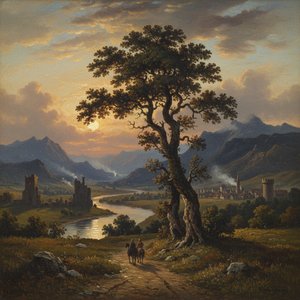
Paul Huet: Capturing the Essence of French Romanticism Through Light and Landscape
Explore the captivating world of Paul Huet (1803-1869), a master of French Romantic landscape painting. Discover his influence on Barbizon & Impressionism, and browse high-quality reproductions at OriginalUniqueArt.

Romantyczny Krajobraz w Malarstwie: 10 Arcydzieł, Które Zdefiniowały Epokę | OriginalUniqueArt.com
Odkryj 10 arcydzieł romantyzmu w malarstwie! Poznaj historie Caspara Davida Friedricha, Turnera i innych mistrzów. Inspiracje wnętrzarskie & reprodukcje obrazów najwyższej jakości na OriginalUniqueArt.com. Eksploruj kolekcję online!
