

 Podgląd w skali
 Wyślij jako kartkę
 Udostępnij
 Szczegóły dzieła

 Pobierz
 Podobne obiekty
 RTG
RTG Pokaz slajdów
Tree Lined Road, Rouen
 Oil On Canvas
- WallArt
- Post-Impressionism
 1885
1885- 19th Century
 57.0 x 40.0 cm
 Rozwiń treść
Ręcznie malowana reprodukcja olejowa
Ręcznie malowany obraz olejny na płótnie, wykonany na zamówienie przez naszych artystów w wybranym przez Ciebie wymiarze i oprawie. ( Zamów wydruk Kup obraz wysokiej rozdzielczości)




P118B $10

P118H $10

P118W $10

P438Z $10

P508JH $12

P508YH $12

P805H $10

P805Z $10

P919BZ $10

P919G $10

P919XJ $10

P959ZH $10

P968JZ $12

W106C $8

W218G $10

W218JH $8

W218Y $10

W307PJ $10

W316G $10

W316PJ $8

W316Y $10

W398PJ $8

W4111J $10

W500HY $15

W500JH $15

W692G $12

W849H $8

W940BG $15

W953PJ $8




Wybierz spośród naszych standardowych rozmiarów, które zachowują oryginalne proporcje dzieła sztuki.

Możesz wprowadzić własne wymiary, aby dopasować obraz do konkretnej ramy lub przestrzeni. Jeśli wybrany rozmiar nie będzie odpowiadał proporcjom oryginału, przytniecie dzieło sztuki lub rozszerzymy je o dodatkowe elementy, ręcznie domalowane przez artystę. Przed rozpoczęciem produkcji wyślemy projekt cyfrowy do Twojej akceptacji.
Należy pamiętać, że podgląd na ekranie nie odzwierciedla rzeczywistego przycinania ani rozszerzania obrazu. Tylko projekt dokładnie pokaże ostateczną kompozycję.
Choć oferujemy możliwość zamówienia niestandardowych rozmiarów, zalecamy wybór wymiaru z gotowej listy, aby zachować oryginalne proporcje dzieła.
Po złożeniu zamówienia zespół OriginalUniqueArt.com skontaktuje się z klientem drogą mailową w celu uzyskania instrukcji i prześle wizualizację projektu
Dostawa na całym świecie () w ciągu 3–4 tygodni zamiast standardowych 5 tygodni. (31 Sierpień). Bez kompromisów w kwestii jakości.

Bezpłatna ekspresowa wysyłka na cały świat

Wysokiej jakości płótno lniane

Pełne ubezpieczenie przesyłki

Gwarancja zwrotu należności celnych i podatków importowych

Gwarancja wiernego odwzorowania kolorów

Polityka 60-dniowego zwrotu (tylko w przypadku wad)

Gwarancja 100% zwrotu kosztów

Zniżka przy zamówieniu wielu produktów
 Opcja ze szkłem jest dostępna wyłącznie w rozmiarach poniżej 110 cm

Tree Lined Road, Rouen
Technika reprodukcji
Wymiary reprodukcji
-


Cena całkowita
$ 300
Subject and Composition of "Tree Lined Road, Rouen"
Paul Gauguin's ‘Tree Lined Road, Rouen’, created in 1885, presents a serene and evocative depiction of a tree-lined road within the historic city of Rouen. The composition is carefully balanced, guiding the viewer's eye along the path while showcasing Gauguin's mastery of color and texture. Two figures are subtly integrated into the scene – one near the center of the road and another towards the right – adding a touch of human presence to the otherwise natural setting. These figures aren’t sharply defined but rather blend with the environment, contributing to the painting's overall atmosphere of quiet contemplation. The trees themselves dominate the left side of the canvas, their forms rendered with bold brushstrokes that create a dynamic and textured surface. The road itself is painted with a mix of light and dark colors, suggesting depth and dimensionality.Style and Technique: Post-Impressionism and Synthetism
This artwork exemplifies Gauguin’s distinctive style within the Post-Impressionist movement, particularly his exploration of Synthetism. Unlike Impressionists who focused on capturing fleeting moments of light and color, Gauguin sought to convey deeper emotional and symbolic meanings through simplified forms and vibrant hues. The painting demonstrates a departure from traditional realism; instead, Gauguin uses broad strokes and flattened perspectives to create an almost dreamlike quality. His technique involves applying oil paint in thick layers, building up texture and allowing the colors to interact visually. This approach is evident in the way he renders the foliage of the trees – not as individual leaves but as masses of color that evoke a sense of lushness and vitality. The use of complementary colors—greens and reds, blues and oranges—further enhances the painting's visual impact and contributes to its emotional resonance.Historical Context: Gauguin’s Artistic Development
"Tree Lined Road, Rouen" was painted during a pivotal period in Gauguin’s artistic development. Having initially experimented with Impressionism under the guidance of Camille Pissarro, he gradually moved towards a more personal and expressive style. This painting reflects his growing interest in exploring themes of nature, spirituality, and human connection—themes that would become central to his later works. The Rouen setting itself holds significance; it represents a return to France after periods spent in Brittany and elsewhere, allowing Gauguin to reconnect with the artistic traditions of his homeland while simultaneously forging his own unique path. The late 1880s marked a time of experimentation for Gauguin as he sought to break away from academic conventions and develop a visual language that could convey his inner vision.Symbolism and Emotional Impact
Beyond its aesthetic appeal, "Tree Lined Road, Rouen" carries symbolic weight. The road itself can be interpreted as a metaphor for life's journey—a path winding through the landscape of experience. The trees, with their strong roots and reaching branches, may symbolize resilience, growth, and connection to nature. The subtle presence of the figures suggests humanity’s place within this natural world – small yet integral. The painting evokes a sense of tranquility and introspection, inviting viewers to pause and reflect on the beauty and mystery of the surrounding environment. Gauguin's masterful use of color creates an emotional atmosphere that is both calming and uplifting, leaving a lasting impression on the viewer.Legacy and Appreciation
"Tree Lined Road, Rouen" stands as a testament to Paul Gauguin’s artistic genius and his enduring influence on modern art. This painting, available as a handmade oil reproduction on https://OriginalUniqueArt.com, offers art enthusiasts the opportunity to own a piece of history and experience the beauty of Gauguin's vision firsthand. For more information on Paul Gauguin and his works, visit Paul Gauguin's Wikipedia page.O artyście
Eugène Henri Paul Gauguin: A Revolutionary Journey Through Color and Spirit
Eugène Henri Paul Gauguin, a name synonymous with vibrant color, rebellious spirit, and a profound shift in the landscape of modern art, stands as one of the most influential figures of the late 19th and early 20th centuries. Born in Paris in 1848, his life was anything but conventional—a tapestry woven from unexpected threads of aristocratic heritage, financial ambition, and an unwavering pursuit of artistic authenticity. Gauguin’s journey wasn't merely a career change; it represented a fundamental transformation of worldview, a rejection of the constraints of European society in favor of exploring alternative cultures and expressing deeply personal emotions through his art.From Parisian Stockbroker to Bohemian Artist
Gauguin’s early years were shaped by an unusual upbringing. His father, a journalist known for his radical views, and his mother, descended from Peruvian aristocracy—her grandmother, Flora Tristan, a pioneering feminist and socialist writer— instilled in him a unique perspective that would profoundly influence his artistic vision. This heritage fostered a lifelong fascination with cultures beyond the confines of Europe, fueling a desire to find truth and beauty in places untouched by Western conventions. After receiving a formal education, Gauguin unexpectedly found himself drawn to the burgeoning world of finance, becoming a stockbroker—a profession seemingly at odds with the creative aspirations simmering within him. However, this period proved to be a crucial testing ground, exposing him to the pressures and disappointments of bourgeois society, ultimately pushing him towards a radical departure. The financial crisis of 1882 served as a catalyst, forcing him to abandon his lucrative career and wholeheartedly embrace the artistic calling he had long suppressed. This wasn’t simply a profession change; it was a complete reimagining of his life's purpose. He sought guidance from Camille Pissarro, who recognized his potential and introduced him to the avant-garde circles of Paris, but Gauguin quickly surpassed Impressionism, yearning for something more—a means of conveying not just what he *saw*, but what he *felt*.The Allure of Brittany and the Seeds of Tahiti
Initially influenced by the Impressionists’ exploration of light and color, Gauguin soon grew frustrated with their focus on capturing fleeting moments of reality. He sought a deeper connection to his subjects, a way to express universal truths through symbolic imagery. This led him to Brittany, where he spent several years immersing himself in the rugged landscapes and deeply rooted traditions of its people. During this period, he began experimenting with flattened forms, bold outlines, and a simplification of composition—techniques that moved him further away from naturalism and closer to a more expressive style. He was particularly captivated by Breton folklore and mythology, incorporating elements of these stories into his paintings. This exploration laid the groundwork for his future journey to Tahiti, where he hoped to find inspiration in Polynesian culture.Tahitian Dreams: A Quest for Authenticity
In 1891, Gauguin embarked on a transformative voyage to Tahiti, seeking refuge from the perceived superficiality of European society and hoping to discover a more authentic way of life. This wasn’t merely a vacation; it was a deliberate attempt to immerse himself in a culture untouched by Western influence. He meticulously documented his experiences through painting, depicting Polynesian women, landscapes, and religious practices with an intensity that bordered on obsession. His use of color became increasingly bold and non-naturalistic, serving not to replicate reality but to express emotion and spiritual meaning. Iconic paintings like “Vahine no te miti” (Woman with Mango), “Manao Tupapau” (Watched by the Spirit of the Dead), and “The Day of Gods emerged from this period, solidifying his reputation as a visionary artist. However, Gauguin’s time in Tahiti was not without its complexities. His relationships with young Polynesian women sparked controversy and raised ethical questions that continue to be debated today.Symbolism, Synthetism, and the Legacy of a Rebel
Gauguin's artistic style evolved throughout his career, encompassing elements of Symbolism, Synthetism, and Post-Impressionism. He rejected traditional academic painting techniques, favoring bold colors, simplified forms, and flattened perspectives—techniques that challenged conventional notions of representation. His work is characterized by a sense of mystery and emotional intensity, often conveying themes of spirituality, death, and the search for meaning. Gauguin’s influence extended far beyond his own lifetime, inspiring generations of artists to break free from established conventions and explore new ways of expressing themselves. Artists such as Pablo Picasso, Henri Matisse, and countless others owe a debt to his pioneering spirit and innovative approach to art. Despite facing financial difficulties and declining health during his time in Tahiti and later on the Marquesas Islands, Gauguin remained relentlessly dedicated to his artistic vision. He died in 1903 on Hiva Oa, a remote island in the Marquesas archipelago, largely unrecognized for his genius—a tragic irony considering the profound impact of his work. Today, Paul Gauguin is celebrated as a revolutionary artist who fundamentally altered the course of modern art, leaving behind a legacy that continues to captivate and inspire.Key Artistic Characteristics
- Bold Color Palette: Employed vibrant, non-naturalistic colors to express emotion and symbolism.
- Simplified Forms: Reduced forms to their essential elements, creating a sense of abstraction.
- Flattened Perspective: Challenged traditional perspective by flattening the picture plane.
- Symbolic Imagery: Used recurring motifs and symbols to convey deeper meanings.
- Influence of Japanese Prints (Japonisme): Incorporated elements of Japanese art, such as flattened perspectives and decorative patterns.
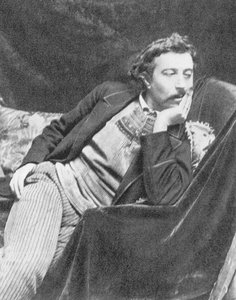
Paul Gauguin
1848 - 1903 , Francja
Krótka nota
- Artistic Movement Or Style: Postimpresjonizm, Symbolizm
- Artists Or Movements Influenced By This Artist:
- Pablo Picasso
- Henri Matisse
- Artists Who Influenced This Artist: ['Camille Pissarro']
- Date Of Birth: 7 czerwca 1848
- Date Of Death: 8 maja 1903
- Full Name: Eugène Henri Paul Gauguin
- Nationality: Francuz
- Notable Artworks:
- Kiedy się pobierzesz
- Dwie kobiety na plaży
- Krajobraz
- Place Of Birth: Paryż, Francja
Powiązane artykuły

Paul Cézanne: 25 Arcydzieł, które Zrewolucjonizowały Świat Sztuki | OriginalUniqueArt
Odkryj 25 arcydzieł Paula Cézanne'a – od impresjonizmu po postimpresjonizm. Poznaj historie, techniki i inspiracje malarza, który zrewolucjonizował sztukę. Reprodukcje obrazów najwyższej jakości na OriginalUniqueArt.com!
Paul Klee: 25 Arcydzieł Koloru i Formy | Reprodukcje Obrazów Online - OriginalUniqueArt
Odkryj 25 arcydzieł Paula Klee – od abstrakcji po ekspresjonizm. Poznaj historie, techniki i inspiracje malarza. Reprodukcje obrazów najwyższej jakości na OriginalUniqueArt.com. Eksploruj pełną kolekcję online!
Poza Impresjonizmem: Eksploracja Głębii Emocjonalnej Malarstwa Postimpresjonistycznego
Odkryj fascynujący świat postimpresjonizmu! Analiza dzieł Van Gogha, Cézanne'a i Gauguina. Poznaj techniki malarskie, symbolikę oraz wpływ tego ruchu na sztukę współczesną. Ekspercka wiedza i inspiracje dla miłośników sztuki.
10 Arcydzieł Postimpresjonizmu, Które Zdefiniowały Sztukę. Inspiracje do Dekoracji Domu.
Odkryj 10 arcydzieł postimpresjonizmu Van Gogha, Moneta i Cézanne'a! Poznaj historie artystów, techniki malarskie i inspiracje do dekoracji wnętrz. Reprodukcje obrazów najwyższej jakości na OriginalUniqueArt.com – sztuka dla Twojego domu.

Impressionizm w Obrazach: 10 Arcydzieł Pełnych Światła i Koloru | OriginalUniqueArt
Odkryj 10 arcydzieł impresjonizmu! Poznaj historie Claude Moneta, Degasa i Van Gogha. Reprodukcje obrazów najwyższej jakości – pejzaże pełne światła i koloru do Twojego wnętrza. OriginalUniqueArt.



