

 Podgląd w skali 1:1
 Wyślij jako kartkę
 Udostępnij
 Szczegóły dzieła
 Przewodnik

 Pobierz obraz
 Podobne obiekty
 RTG
RTG Pokaz slajdów
 Statystyki
Meditation
 Oil On Canvas
- WallArt
- Symbolism
 1893
1893- 19th Century
 48.0 x 65.0 cm
 Ohara Museum of Art
 Rozwiń treść
Giclée / Wydruk artystyczny
Wydruki giclée lub płótna o jakości muzealnej, szybka realizacja i szeroki wybór opcji wykończenia. ( Zamów ręcznie malowaną reprodukcję Przejdź do wersji cyfrowej)




P118B zł10

P118H zł10

P118W zł10

P438Z zł10

P508JH zł12

P508YH zł12

P805H zł10

P805Z zł10

P919BZ zł10

P919G zł10

P919XJ zł10

P959ZH zł10

P968JZ zł12

W106C zł8

W218G zł10

W218JH zł8

W218Y zł10

W307PJ zł10

W316G zł10

W316PJ zł8

W316Y zł10

W398PJ zł8

W4111J zł10

W500HY zł15

W500JH zł15

W692G zł12

W849H zł8

W940BG zł15

W953PJ zł8




Wybierz spośród naszych standardowych rozmiarów, które zachowują oryginalne proporcje dzieła sztuki.

Wpisz wymaganą szerokość i wysokość, aby dopasować grafikę do ramy lub ściany. Wydruk można jedynie przyciąć, nigdy nie powiększając go poza oryginalny obraz, dlatego format o innych proporcjach spowoduje utratę części kompozycji. Przed rozpoczęciem druku prześlemy Ci cyfrowy podgląd do zatwierdzenia. Obraz wyświetlany na tej stronie nie pokazuje rzeczywistego przycięcia — jedynie podgląd oddaje ten efekt.
Dostawa na cały świat () w ciągu 2 tygodni zamiast standardowych 4/5 tygodni. (26 Październik)

Bezpłatna ekspresowa wysyłka na cały świat

Wysokiej jakości płótno lniane

Pełne ubezpieczenie przesyłki

Gwarancja zwrotu należności celnych i podatków importowych

Gwarancja wiernego odwzorowania kolorów

100-dniowa polityka zwrotów (tylko w przypadku wad)

Gwarancja 100% zwrotu pieniędzy

Zniżka przy zakupie wielu sztuk
 Opcja ze szkłem jest dostępna wyłącznie w rozmiarach poniżej 110 cm

Meditation
Giclée / Wydruk artystyczny
Wymiary reprodukcji
-


Cena całkowita
zł 307
The Soul in Stillness: A Journey into Carrière’s Meditation
In the quiet corners of art history, few works possess the haunting, introspective power of Eugène Anatole Carrière’s 1893 masterpiece, Meditation. This oil on canvas is far more than a mere portrait; it is an invitation into the private sanctuary of the human psyche. At first glance, the viewer is met with the profound stillness of a young woman lost in thought, her presence commanding the space through a deliberate lack of movement. Carrière, a titan of the French Symbolist movement, eschews the fleeting light and vibrant energy of his Impressionist contemporaries to instead cultivate an atmosphere of eternal, somber reflection. The subject does not interact with the world outside the frame; rather, she exists in a state of profound interiority, making the painting a poignant testament to the beauty found within solitude and the weight of unspoken thoughts.
The technical brilliance of Meditation lies in Carrière’s masterful command over a restricted, almost monochromatic palette. Eschewing bright colors, the artist utilizes a sophisticated range of deep browns, velvety blacks, and subtle, earthy undertones of muted red and orange. This choice is not merely aesthetic but deeply psychological, serving to shroud the subject in a sense of mystery and melancholy. Through an ambitious layering process and the meticulous application of glazing techniques, Carrière achieves a luminous depth that seems to glow from within the canvas itself. The texture of the paint is remarkably tactile, creating a soft, skin-like quality in the figure’s face and a heavy, luxurious feel to her garments. His brushwork, while controlled, retains an organic fluidity that mirrors the natural contours of the human form, lending the piece a dreamlike, ethereal quality that borders on the supernatural.
Symbolism and the Echoes of the Subconscious
To understand Meditation is to understand the heart of Symbolism. During the fin-de-sięcle period, artists sought to represent ideas and emotions rather than the literal external world. In this work, every element serves a symbolic purpose. The woman’s downward gaze and slumped, vulnerable posture act as visual metaphors for grief, introspection, or perhaps an existential longing. The flattened composition—where the background dissolves into a hazy, indistinct void—strips away all worldly distractions, forcing the viewer to confront the subject's emotional state directly. There is no landscape to provide context, only the raw, unadulterated presence of feeling.
For the discerning collector or interior designer, this painting offers a profound sense of gravitas and emotional depth. It is a piece that does not merely decorate a wall but transforms the atmosphere of a room, bringing a sense of quiet sophistication and intellectual weight. Whether placed in a contemporary gallery setting or a classic study, Meditation acts as an anchor of tranquility. Its somber tones and rich textures provide a perfect counterpoint to modern minimalism or complement the ornate grandeur of traditional decor. Owning a high-quality reproduction of this work allows one to possess a fragment of the Symbolist soul, a permanent window into the profound beauty of the human spirit in repose.
Pytania i odpowiedzi
Czy dzieło "Meditation" pozostało w ojczyźnie swojego artysty?
Nie – dzieło znajduje się poza granicami kraju artysty. Dzieło "Meditation" znajduje się w zbiorach Japonia, podczas gdy Eugène Anatole Carrière urodził(a) się w Francja.
Czy mogę przyjrzeć się bliżej dziełu "Meditation"?
Strona Analiza rentgenowska dzieła „Meditation” – Eugène Anatole Carrière to interaktywny podgląd, który pozwala na przeglądanie jedenastu warstw optycznych obrazu, w tym widoku w stylu rentgenowskim.
Jaki klimat wnosi „Meditation” – Eugène Anatole Carrière do wnętrza?
Calm atmosfera dzieła „Meditation” – Eugène Anatole Carrière idealnie współgra z polecaną przestrzenią: jest nią Living Room.
Biografia artysty
Eugène Anatole Carrière (1849–1906)
Eugène Anatole Carrière ur. 16 stycznia 1849 w Gournay-sur-Marne, zm. 27 marca 1906 w Paryżu) – francuski malarz i grafik. Przyczynił się do utworzenia stowarzyszenia artystycznego Société Nationale des Beaux-Arts, miał wpływ na m.in. na twórczość Picassa i Matisse`a. Jego twórczość jest ceniona za głębokie emocje oraz umiejętne wykorzystanie światłocienia i delikatnych konturów.Early Life and Training
Eugène Carrière urodził się w Gournay-sur-Marne, Seine-Saint-Denis, jako ośmy z dziewięciu dzieci rodziców. Jego edukację rozpoczął w École Municipale de Dessin w Paryżu, gdzie zdobył podstawy umiejętności artystycznych. Później studiował pod kierunkiem Alexandre Cabanela w École des Beaux-Arts, co miało istotny wpływ na jego późniejszy styl twórczy. Podczas wojny francusko-pruskiej został zesłańcem do Dresdnia, gdzie zetknął się z sztuką Petera Paula Rubensa – doświadczenie to zainspirowało go i wpłynęło na jego pierwsze prace.Artistic Style and Influences
Carrière słynie z charakterystycznej monochromatycznej kolorystyki, która stała się jednym z najbardziej rozpoznawalnych elementów jego twórczości. Jego obrazy cechują się miękkim światłocieniem i delikatnymi konturami, co przypomina styl Rubensa oraz innych malarzy romantycznych. Szczególną uwagę przyciąga umiejętność Carriera przekazywania emocji poprzez obraz – jego dzieła wyrażają głębokie uczucia i refleksje filozoficzne. Jego twórczość wykazuje wpływ impresjonizmu oraz ekspresjonizmu, szczególnie w okresie późniejszego rozwoju jego stylu.“The Young Mother” (1879)
Jedną z najważniejszych i najbardziej rozpoznawalnych prac Eugène Carrière jest obraz „Młoda Matka”, który znajduje się obecnie w Musée des Beaux-Arts de Rouen. Ten dzieło stanowi punkt wyjścia dla jego zainteresowania tematami rodzinnymi i domowymi, które stały się podstawą jego stylu twórczego. Obraz został stworzony z wykorzystaniem technik impresjonistycznych oraz elementów ekspresjonizmu, co przyczyniło się do uzyskania wyjątkowego efektu emocjonalnego. Jego obraz „Młoda Matka” jest doskonałym przykładem umiejętności Carrière w uchwyceniu piękna i delikatności codziennego życia rodzinnego.Notable Works and Exhibitions
Carrière uczestniczył w licznych wystawach salonowych oraz innych wydarzeniach artystycznych, które przyczyniły się do promocji jego twórczości i zdobycia uznania krytyków oraz społeczeństwa francuskiego. Jego prace były prezentowane zarówno w Paryżu, jak i innych europejskich miastach, gdzie zyskały międzynarodowe zainteresowanie. Szczególną uwagę zwrócono na jego obrazy przedstawiające sceny religijne oraz portrety postaci wybitnych intelektualistów i polityków. Jego twórczość pozostaje inspiracją dla współczesnych artystów i stanowi ważną część historii sztuki francuskiej XIX wieku.
Eugène Anatole Carrière
1849 - 1906 , Francja
Krótka nota
- Artistic Movement Or Style: Symbolizm
- Artists Or Movements Influenced By This Artist: ['Pablo Picasso']
- Artists Who Influenced This Artist: ['Peter Paul Rubens']
- Date Of Birth: 16 stycznia 1849
- Date Of Death: 27 marca 1906
- Full Name: Eugène Anatole Carrière
- Nationality: Francuz
- Notable Artworks:
- The Sick Child
- Young Mother
- First Communion
- Place Of Birth: Gournay-sur-Marne, Francja
Powiązane artykuły

Trwała Spuścizna Malarstwa Olejnego: Technika, Historia i Współczesna Praktyka
Poznaj historię i techniki malarstwa olejnego. Poradniki dla artystów, informacje o konserwacji oraz możliwość zamówienia wysokiej jakości reprodukcji obrazów. Ekspercka wiedza i gwarancja trwałości dzieł sztuki.

Olej na płótnie: Historia, techniki i ponadczasowy urok malarskiego medium
Poznaj historię i techniki malarstwa olejowego! Od renesansowych mistrzów po współczesne zastosowania – wszystko o oleju na płótnie. Poradniki, konserwacja i inspiracje dla pasjonatów sztuki.
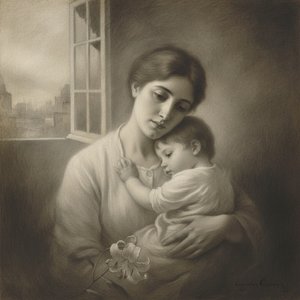
Eugène Carrière: The 'Peintre d'Âme' & Symbolist Portraiture’s Intimate Vision
Explore the haunting world of Eugène Carrière, a pivotal French Symbolist artist known for his deeply intimate portraits & 'peinture d'âme'. Discover his life, style, and lasting influence on modern masters like Picasso. Shop high-quality reproductions at OriginalUniqueArt.

Trwała Spuścizna Malarstwa Olejnego: Technika, Historia i Estetyczny Wpływ
Poznaj historię i technikę malarstwa olejnego! Eksperckie artykuły o konserwacji, renowacji oraz współczesnych zastosowaniach. Dowiedz się więcej o mistrzach i trwałości obrazów olejnych.

The Enduring Power of Painting: A Historical & Contemporary Exploration of Form and Emotion
Explore the rich history & enduring techniques of oil painting with OriginalUniqueArt. Discover masterpieces, learn about art collecting, and find authentic handmade reproductions crafted by skilled artists.