() ·

Obraz stworzony dla Ciebie, własnoręcznie

Child at Table

Ręcznie malowana reprodukcja olejowa

Ręcznie malowany obraz olejny na płótnie, wykonany na zamówienie przez naszych artystów w wybranym przez Ciebie wymiarze i oprawie. ( Przełącz na wydania drukowane Przejdź do wersji cyfrowej)

Opis obiektu

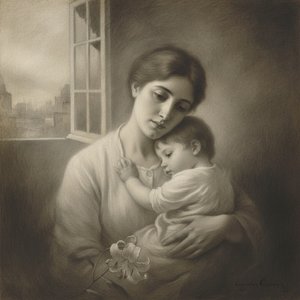
Experience Eugène Carrière’s poignant Symbolist masterpiece, Child at Table, renowned for its stark monochrome palette and luminous depiction of a baby boy. This 1880 painting evokes a mystical atmosphere through contrasting tones and captures a tender moment in the artist's son's life – discover this iconic artwork.

Biografia artysty

Eugène Carrière – francuski symbolista znany z monochromatycznych obrazów i intymnych scen rodzinnych. Jego twórczość wpłynęła na Picassa i jest inspiracją dla miłośników sztuki. Odkryj jego dzieła!

od ·

Rozdział 1

Jak duży powinien być ten format?

Przesuń suwak, aby zmienić rozmiar; obraz po lewej stronie przedstawia ramę w jej rzeczywistej szerokości. Zachowano proporcje oryginału.

Standardowy format
personalizowane
CM
INCH

Wybierz spośród naszych standardowych rozmiarów, które zachowują oryginalne proporcje dzieła sztuki.

szerokość
wysokość

Wpisz wymaganą szerokość i wysokość, aby obraz pasował do Twojej ramy lub ściany. Ponieważ jest to dzieło malowane ręcznie, w przypadku rozmiaru o innych proporcjach artysta może domalować nieco więcej wokół obrazu lub przyciąć jego fragmenty — wybór należy do Ciebie. Przed rozpoczęciem pracy prześlemy Ci cyfrową wizualizację do zatwierdzenia. Obraz widoczny na tej stronie nie przedstawia rzeczywistego efektu — jedynie wizualizacja oddaje realny rezultat.

Rozdział 2

W jaki sposób ma zostać dostarczone?

Wybierz krawędzie płótna naciągniętego na ramę

Wybierz ramę

Corner sample of the WhiteWrap canvas edge finish, stretched on lite drewno bars
Białe krawędzie zł1
Corner sample of the BlurSideWrap canvas edge finish, stretched on lite drewno bars
rozmyte krawędzie zł1
Corner sample of the ExtendedWrap canvas edge finish, stretched on lite drewno bars
Przedłużony zł1
Corner sample of the P118B picture frame: polistyren formowany, 5 cm wide and 3 cm thick
P118B zł10
Corner sample of the P118H picture frame: polistyren formowany, 5 cm wide and 3 cm thick
P118H zł10
Corner sample of the P118W picture frame: polistyren formowany, 5 cm wide and 3 cm thick
P118W zł10
Corner sample of the P438Z picture frame: polistyren formowany, 5.5 cm wide and 3.5 cm thick
P438Z zł10
Corner sample of the P508JH picture frame: polistyren formowany, 7 cm wide and 3.5 cm thick
P508JH zł12
Corner sample of the P508YH picture frame: polistyren formowany, 7 cm wide and 3.5 cm thick
P508YH zł12
Corner sample of the P805H picture frame: polistyren formowany, 5 cm wide and 3.5 cm thick
P805H zł10
Corner sample of the P805Z picture frame: polistyren formowany, 5 cm wide and 3.5 cm thick
P805Z zł10
Corner sample of the P919BZ picture frame: polistyren formowany, 7 cm wide and 3.5 cm thick
P919BZ zł10
Corner sample of the P919G picture frame: polistyren formowany, 7 cm wide and 3.5 cm thick
P919G zł10
Corner sample of the P919XJ picture frame: polistyren formowany, 7 cm wide and 3.5 cm thick
P919XJ zł10
Corner sample of the P959ZH picture frame: polistyren formowany, 5 cm wide and 3 cm thick
P959ZH zł10
Corner sample of the P968JZ picture frame: polistyren formowany, 6 cm wide and 4 cm thick
P968JZ zł12
Corner sample of the W106C picture frame: lite drewno, 5 cm wide and 3 cm thick
W106C zł8
Corner sample of the W218G picture frame: lite drewno, 5 cm wide and 3 cm thick
W218G zł10
Corner sample of the W218JH picture frame: lite drewno, 5 cm wide and 3 cm thick
W218JH zł8
Corner sample of the W218Y picture frame: lite drewno, 5 cm wide and 3 cm thick
W218Y zł10
Corner sample of the W307PJ picture frame: lite drewno, 6 cm wide and 3 cm thick
W307PJ zł10
Corner sample of the W316G picture frame: lite drewno, 6 cm wide and 3 cm thick
W316G zł10
Corner sample of the W316PJ picture frame: lite drewno, 6 cm wide and 3 cm thick
W316PJ zł8
Corner sample of the W316Y picture frame: lite drewno, 6 cm wide and 3 cm thick
W316Y zł10
Corner sample of the W398PJ picture frame: lite drewno, 5 cm wide and 3 cm thick
W398PJ zł8
Corner sample of the W4111J picture frame: lite drewno, 6.5 cm wide and 3.5 cm thick
W4111J zł10
Corner sample of the W500HY picture frame: lite drewno, 7 cm wide and 5 cm thick
W500HY zł15
Corner sample of the W500JH picture frame: lite drewno, 7 cm wide and 5 cm thick
W500JH zł15
Corner sample of the W692G picture frame: lite drewno, 8 cm wide and 4 cm thick
W692G zł12
Corner sample of the W849H picture frame: lite drewno, 5 cm wide and 3 cm thick
W849H zł8
Corner sample of the W940BG picture frame: lite drewno, 7.5 cm wide and 4.5 cm thick
W940BG zł15
Corner sample of the W953PJ picture frame: lite drewno, 6 cm wide and 3.5 cm thick
W953PJ zł8
Corner sample of the H24-GOLD picture frame: rzeźbione drewno pokryte gipsem, 10 cm wide and 6 cm thick
H24-GOLD zł30
Corner sample of the H24-SILVER picture frame: rzeźbione drewno pokryte gipsem, 10 cm wide and 6 cm thick
H24-SILVER zł30
Corner sample of the H36-GOLD picture frame: rzeźbione drewno pokryte gipsem, 15 cm wide and 6.5 cm thick
H36-GOLD zł45
Corner sample of the H36-SILVER picture frame: rzeźbione drewno pokryte gipsem, 15 cm wide and 6.5 cm thick
H36-SILVER zł45

Profil: . Wymiar całkowity w ramie: .

Rozdział 3

Kto go maluje i czy coś powinno ulec zmianie?

Przykłady możliwych zmian: Zastąpienie twarzy zdjęciem klienta; Dodanie zwierzęcia (np. zamiana kota na psa); Ukrycie wiadomości w tle; Zmiana krajobrazu lub elementów tła.
Po złożeniu zamówienia zespół OriginalUniqueArt.com skontaktuje się z klientem drogą mailową w celu uzyskania instrukcji i prześle podgląd projektu

Dostawa na całym świecie () w ciągu 3–4 tygodni zamiast standardowych 5 tygodni. (3 Listopad). Bez kompromisów w kwestii jakości.

Rozdział 4

Ostatnie szlify

Tabliczka informacyjna, jak w muzeum?

Szczegóły grawerowanej brązowej tabliczki

This elegant plaque features the artist's name and the title of the artwork, finely engraved for a timeless presentation.

It is made from bronze with a refined, elegant finish. The text is precisely laser-engraved for a sharp and permanent result. Measuring 9x2 cm, the plaque is compact yet easy to read. It's built to be durable and scratch-resistant, offering a professional, museum-quality look. Mounting is simple thanks to the included adhesive backing.

Szczegóły przezroczystej tabliczki akrylowej

The plaque includes essential engraved details such as the artist's name, the title of the artwork, the date it was created, the type of media used-like oil on canvas or watercolor-a brief description of the piece, and a QR code that links to the complete artwork information.

It is crafted from clear acrylic, offering a sleek, modern appearance. The text is UV-engraved in black to ensure strong visual contrast. With a size of 10x15 cm, it ensures optimal readability. It comes equipped with two metal hooks for secure wall mounting. The plaque is designed to be weather-resistant, making it suitable for various environments, and it includes interactive features that work seamlessly with smartphone scanning.

Szczegóły czarnej tabliczki akrylowej

This elegant plaque includes engraved information such as the artist's name, the title of the artwork, the date it was created, the type of media used (like oil on canvas or watercolor), a short description of the artwork, and a QR code for quick access to more information.

The plaque itself is made from refined black acrylic with a premium finish. The text is laser-engraved in white for high contrast and readability. Its size is 10x15 cm, designed to be easy to read. It comes with two metal hooks for professional mounting. The design is sleek and fits any interior style. It is also weather-resistant and durable, with built-in digital integration for mobile compatibility.

Werniks ochronny?

Kiedy potrzebujesz dostawy?

Rozdział 5

Twoje dzieło, dokładnie tak, jak zamówiłeś

Child at Table

Technika reprodukcji

Wymiary reprodukcji

-

Wybitny mistrz artystyczny

Większa szczegółowość, finezja i dodatkowy czas na realizację

-

Opcje oprawy reprodukcji

-

-

W przypadku dzieł sztuki lub reprodukcji, których którykolwiek z boków przekracza 105 cm (około 41 cali), rama zostanie wysłana w formie zestawu do samodzielnego montażu. Metoda ta zapewnia bezpieczną dostawę i zapobiega uszkodzeniom podczas transportu.

Wymagany profesjonalny montaż – nie jest to produkt typu DIY.
Zestaw musi zostać złożony, a płótno naciągnięte przez doświadczonego profesjonalnego ramiarza, przy użyciu kleju do drewna (brak w zestawie), kleszczy do naciągania płótna oraz ścisków, które utrzymają krosna w równej pozycji podczas schnięcia kleju. Nieprawidłowy montaż lub nierównomierne napięcie płótna może trwale uszkodzić dzieło sztuki i nie podlega naszej gwarancji.

  • W zestawie znajdują się wszystkie listwy z litego drewna, precyzyjnie docięte do wymiarów.

  • Montaż odbywa się przy użyciu dołączonych wkrętów oraz kleju do drewna do łączenia narożników, którego zestaw nie zawiera i który musi zostać dostarczony przez ramiarza.

  • Wymagane są profesjonalne narzędzia, których nie ma w zestawie: kleszcze do naciągania płótna (napinacz) oraz zaciski, które pozwolą utrzymać listwy w równej pozycji podczas schnięcia kleju.

Ważne:
Do połączenia narożników niezbędny jest klej do drewna, listwy należy unieruchomić za pomocą ścisków do momentu całkowitego wyschnięcia kleju, a naciągnięcie płótna na złożoną ramę wymaga użycia kleszczy do naciągania płótna. Żaden z tych elementów nie jest dołączony do zestawu. Przed zamówieniem tego rozmiaru zalecamy konsultację z doświadczonym ramiarzem.

Etykieta obiektu

-

-

Lakier ochronny

Lakier z połyskiem (pogłębia kolory, chroni przed światłem i wilgocią)

-

Personalizacja dzieła

Przykłady możliwości personalizacji: zastąp twarz zdjęciem klienta; dodaj zwierzę domowe (np. zamień kota na psa); umieść ukrytą wiadomość w tle; zmień krajobraz lub elementy tła.

-

Ekspresowa

Dostawa na cały świat () w ciągu 3–4 tygodni zamiast standardowych 5 tygodni. (3 Listopad). Bez kompromisów w kwestii jakości.

-

Przesyłka ekspresowa

Dostawa na cały świat () w ciągu 5 tygodni. (10 Listopad).

W cenie

Cena całkowita

zł 1173

Suma całkowita zł 1173

Opcja ze szkłem jest dostępna wyłącznie w rozmiarach poniżej 110 cm

W każdym zamówieniu

  • Bezpłatna ekspresowa wysyłka na cały świat
  • Wysokiej jakości płótno lniane
  • Pełne ubezpieczenie przesyłki
  • Gwarancja zwrotu należności celnych i podatków importowych
  • Gwarancja wiernego odwzorowania kolorów
  • 100-dniowa polityka zwrotów (tylko w przypadku wad)
  • Gwarancja 100% zwrotu pieniędzy
  • Zniżka przy zakupie wielu sztuk

Eugène Carrière’s ‘Child at Table’: A Monochromatic Meditation on Innocence

Eugène Anatole Carrière's Child at Table (1880) is not merely a portrait; it’s an immersion into a world of quiet contemplation, rendered with a startlingly spare palette and imbued with the profound symbolism characteristic of the Symbolist movement. Created during a period of intense artistic experimentation in France – a direct response to the Impressionists' focus on fleeting moments of light – Carrière sought to evoke deeper emotional and spiritual truths through his art. This work, depicting a young boy, likely his son Jean René, captured around 1888, exemplifies this approach with remarkable clarity.

  • A Monochromatic Universe: Carrière’s signature style is immediately apparent in the painting's stark contrast. The almost entirely monochrome palette – shades of blue, gray, and brown – creates a sense of detachment from the everyday, elevating the scene to something almost sacred. This deliberate restriction of color wasn’t simply an aesthetic choice; it was rooted in Carrière’s early experience as a lithographer, where he honed his skills in creating dramatic tonal effects.
  • The Power of Light and Shadow: Despite the lack of vibrant hues, Carrière masterfully manipulates light and shadow to generate a luminous effect. The creamy-white skin of the child is dramatically highlighted against the enveloping darkness, drawing the viewer’s eye directly to this vulnerable subject. This technique, reminiscent of Rubens' influence, suggests an almost ethereal quality, hinting at a timeless innocence.

Symbolism and Domestic Themes

Child at Table firmly places itself within the Symbolist tradition, which prioritized subjective emotion and spiritual meaning over realistic representation. The scene’s quiet intimacy – the boy seated at a table with a cup – speaks to themes of childhood, vulnerability, and perhaps even religious devotion. Carrière frequently depicted domestic scenes featuring his family, often exploring the complexities of motherhood and familial bonds. This particular work, like The Sick Child (Montargis), reflects this recurring motif, offering a poignant glimpse into the artist’s personal life.

  • A Mystical Atmosphere: The dark background isn't merely a backdrop; it actively contributes to the painting's symbolic weight. It creates an atmosphere of mystery and introspection, inviting viewers to contemplate the child’s gaze upwards – a gesture that could be interpreted as prayerful or simply filled with wonder.
  • The Artist's Lineage: The fact that Carrière was the grandson of artists further informs our understanding of this work. His artistic lineage undoubtedly influenced his approach, adding another layer of meaning to the scene’s quiet contemplation.

Technique and Historical Context

Carrière’s meticulous technique is evident in the smooth application of paint and the precise rendering of detail. The use of a glazing technique – applying thin layers of translucent color over dried underlayers – would have enhanced the luminosity of the skin tones and created subtle variations within the monochrome palette. Produced around 1880, this painting represents a pivotal moment in Carrière’s career, solidifying his reputation as a leading figure in the Symbolist movement and demonstrating his ability to create emotionally resonant works through masterful control of light, shadow, and tone.

Emotional Impact and Reproduction

Child at Table possesses an undeniable emotional power. The painting's quiet intimacy and the vulnerability of its subject evoke a sense of tenderness and nostalgia. A hand-painted reproduction captures not only the visual details but also the very essence of Carrière’s artistic vision, allowing you to experience this profound work in your own space.

Pytania i odpowiedzi

Jakie miejsce w historii sztuki zajmuje „Child at Table” – Eugène Anatole Carrière?

Dzieło „Child at Table” – Eugène Anatole Carrière klasyfikuje się jako Symbolist Art, pochodzące z okresu 19th Century.

Kto stworzył "Child at Table"?

Autorem dzieła „Child at Table” jest Eugène Anatole Carrière. Praca ta figuruje w katalogu pod nazwiskiem Eugène Anatole Carrière.

Gdzie najlepiej eksponować dzieło „Child at Table” w formacie Landscape?

Format Landscape dzieła „Child at Table” – Eugène Anatole Carrière jest rekomendowany do Dining Room. Format oraz przestrzeń wspólnie pomagają w odpowiednim rozmieszczeniu reprodukcji.

Więcej o tym obrazie

Podgląd w skali 1:1 Podgląd AR Przełącz na wydania drukowane Przejdź do wersji cyfrowej Wyślij jako kartkę
Szczegóły dzieła Przewodnik Dodaj do ulubionych Pobierz obraz Podobne obiekty RTG Pokaz slajdów Pytania i odpowiedzi Statystyki

W liczbach

  • 1880rok powstania dzieła
  • 29dostępne ramy do wyboru
  • standardowe formaty, w ich własnych proporcjach
  • 5tygodni na namalowanie i dostarczenie dzieła
Eugène Anatole Carrière

Eugène Anatole Carrière

1849 - 1906, Francja

Krótkie informacje o Eugène Anatole Carrière

  • Artistic Movement Or Style: Symbolizm
  • Artists Or Movements Influenced By This Artist: ['Pablo Picasso']
  • Artists Who Influenced This Artist: ['Peter Paul Rubens']
  • Date Of Birth: 16 stycznia 1849
  • Date Of Death: 27 marca 1906
  • Full Name: Eugène Anatole Carrière
  • Nationality: Francuz
  • Notable Artworks:
    • The Sick Child
    • Young Mother
    • First Communion
  • Place Of Birth: Gournay-sur-Marne, Francja

Biografia artysty

Eugène Anatole Carrière (1849–1906)

Eugène Anatole Carrière ur. 16 stycznia 1849 w Gournay-sur-Marne, zm. 27 marca 1906 w Paryżu) – francuski malarz i grafik. Przyczynił się do utworzenia stowarzyszenia artystycznego Société Nationale des Beaux-Arts, miał wpływ na m.in. na twórczość Picassa i Matisse`a. Jego twórczość jest ceniona za głębokie emocje oraz umiejętne wykorzystanie światłocienia i delikatnych konturów.

Early Life and Training

Eugène Carrière urodził się w Gournay-sur-Marne, Seine-Saint-Denis, jako ośmy z dziewięciu dzieci rodziców. Jego edukację rozpoczął w École Municipale de Dessin w Paryżu, gdzie zdobył podstawy umiejętności artystycznych. Później studiował pod kierunkiem Alexandre Cabanela w École des Beaux-Arts, co miało istotny wpływ na jego późniejszy styl twórczy. Podczas wojny francusko-pruskiej został zesłańcem do Dresdnia, gdzie zetknął się z sztuką Petera Paula Rubensa – doświadczenie to zainspirowało go i wpłynęło na jego pierwsze prace.

Artistic Style and Influences

Carrière słynie z charakterystycznej monochromatycznej kolorystyki, która stała się jednym z najbardziej rozpoznawalnych elementów jego twórczości. Jego obrazy cechują się miękkim światłocieniem i delikatnymi konturami, co przypomina styl Rubensa oraz innych malarzy romantycznych. Szczególną uwagę przyciąga umiejętność Carriera przekazywania emocji poprzez obraz – jego dzieła wyrażają głębokie uczucia i refleksje filozoficzne. Jego twórczość wykazuje wpływ impresjonizmu oraz ekspresjonizmu, szczególnie w okresie późniejszego rozwoju jego stylu.

“The Young Mother” (1879)

Jedną z najważniejszych i najbardziej rozpoznawalnych prac Eugène Carrière jest obraz „Młoda Matka”, który znajduje się obecnie w Musée des Beaux-Arts de Rouen. Ten dzieło stanowi punkt wyjścia dla jego zainteresowania tematami rodzinnymi i domowymi, które stały się podstawą jego stylu twórczego. Obraz został stworzony z wykorzystaniem technik impresjonistycznych oraz elementów ekspresjonizmu, co przyczyniło się do uzyskania wyjątkowego efektu emocjonalnego. Jego obraz „Młoda Matka” jest doskonałym przykładem umiejętności Carrière w uchwyceniu piękna i delikatności codziennego życia rodzinnego.

Notable Works and Exhibitions

Carrière uczestniczył w licznych wystawach salonowych oraz innych wydarzeniach artystycznych, które przyczyniły się do promocji jego twórczości i zdobycia uznania krytyków oraz społeczeństwa francuskiego. Jego prace były prezentowane zarówno w Paryżu, jak i innych europejskich miastach, gdzie zyskały międzynarodowe zainteresowanie. Szczególną uwagę zwrócono na jego obrazy przedstawiające sceny religijne oraz portrety postaci wybitnych intelektualistów i polityków. Jego twórczość pozostaje inspiracją dla współczesnych artystów i stanowi ważną część historii sztuki francuskiej XIX wieku.

Najważniejsze informacje

  • Subject or theme: Domesticity, innocence
  • Title: Child at Table
  • Location: Private collection
  • Artist: Eugène Carrière
  • Influences: Rubens