
 Podgląd w skali
 Wyślij jako kartkę
 Udostępnij
 Szczegóły dzieła

 Pobierz
 Podobne obiekty
 RTG
RTG Pokaz slajdów
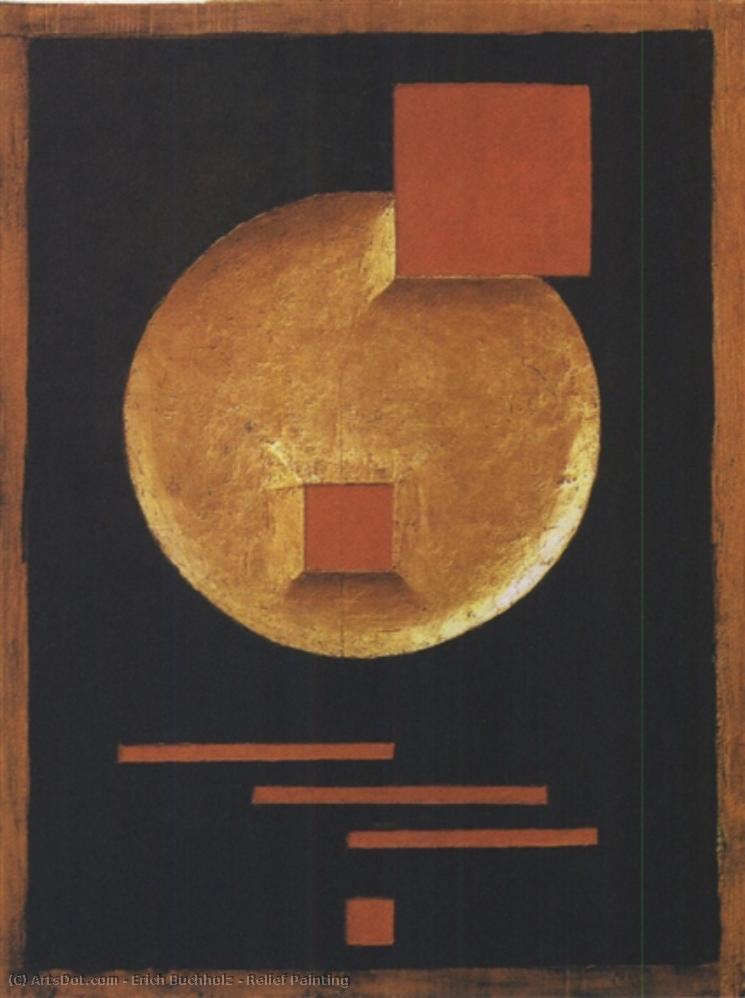
Relief Painting


 Rozwiń treść
Ręcznie malowana reprodukcja olejowa
Ręcznie malowany obraz olejny na płótnie, wykonany na zamówienie przez naszych artystów w wybranym przez Ciebie wymiarze i oprawie. ( Zamów wydruk Kup obraz wysokiej rozdzielczości)




P118B $10

P118H $10

P118W $10

P438Z $10

P508JH $12

P508YH $12

P805H $10

P805Z $10

P919BZ $10

P919G $10

P919XJ $10

P959ZH $10

P968JZ $12

W106C $8

W218G $10

W218JH $8

W218Y $10

W307PJ $10

W316G $10

W316PJ $8

W316Y $10

W398PJ $8

W4111J $10

W500HY $15

W500JH $15

W692G $12

W849H $8

W940BG $15

W953PJ $8




Wybierz spośród naszych standardowych rozmiarów, które zachowują oryginalne proporcje dzieła sztuki.

Możesz wprowadzić własne wymiary, aby dopasować obraz do konkretnej ramy lub przestrzeni. Jeśli wybrany rozmiar nie będzie odpowiadał proporcjom oryginału, przytniecie dzieło sztuki lub rozszerzymy je o dodatkowe elementy, ręcznie domalowane przez artystę. Przed rozpoczęciem produkcji wyślemy projekt cyfrowy do Twojej akceptacji.
Należy pamiętać, że podgląd na ekranie nie odzwierciedla rzeczywistego przycinania ani rozszerzania obrazu. Tylko projekt dokładnie pokaże ostateczną kompozycję.
Choć oferujemy możliwość zamówienia niestandardowych rozmiarów, zalecamy wybór wymiaru z gotowej listy, aby zachować oryginalne proporcje dzieła.
Po złożeniu zamówienia zespół OriginalUniqueArt.com skontaktuje się z klientem drogą mailową w celu uzyskania instrukcji i prześle wizualizację projektu
Dostawa na całym świecie () w ciągu 3–4 tygodni zamiast standardowych 5 tygodni. (14 Sierpień). Bez kompromisów w kwestii jakości.

Bezpłatna ekspresowa wysyłka na cały świat

Wysokiej jakości płótno lniane

Pełne ubezpieczenie przesyłki

Gwarancja zwrotu należności celnych i podatków importowych

Gwarancja wiernego odwzorowania kolorów

Polityka 60-dniowego zwrotu (tylko w przypadku wad)

Gwarancja 100% zwrotu kosztów

Zniżka przy zamówieniu wielu produktów
 Opcja ze szkłem jest dostępna wyłącznie w rozmiarach poniżej 110 cm

Relief Painting
Technika reprodukcji
Wymiary reprodukcji
-


Cena całkowita
$ 300
Opis dzieła
The Geometry of Modern Spirit: An Encounter with Buchholz's Abstraction
To stand before Erich Buchholz’s Relief Painting from 1922 is to step directly into the crucible of modern artistic thought. This work is not merely a composition of color and shape; it is an intellectual artifact, a tangible record of a pivotal moment when art decisively turned away from mimetic representation toward the purity of form itself. The eye is immediately drawn into a dialogue between monumental geometry and earthy resonance. Dominating the visual field is that magnificent, circular form—a warm beacon rendered in rich ochres, deep red-browns, and flashes of burnt orange. This circle feels less like paint applied to canvas and more like an elemental source of energy, anchoring the entire structure with its undeniable presence.
A Dialogue Between Form and Void
Buchholz masterfully orchestrates a tension between contained space and infinite possibility. The background is articulated by severe, dark rectangular planes—shades of deep brown and near-black—that act as both container and contrast. These rectilinear fields do not merely sit behind the circle; they actively define its boundaries, giving it an almost palpable weight against the surrounding void. This interplay between the organic curve and the rigid right angle is the painting’s core tension. It speaks to the era's yearning for structure amidst societal upheaval. The sparse yet deliberate lines that crisscross and delineate these shapes are not decorative flourishes; they are structural notations, suggesting an underlying mathematical or philosophical scaffolding upon which the entire piece rests.
Historical Echoes: Constructivism and the Concrete Ideal
Understanding this painting requires acknowledging its time. Created in 1922, it emerges from the fertile, volatile ground of post-war Berlin, a period where artists were actively dismantling academic tradition. Buchholz, a pioneer of Concrete Art, was deeply engaged with the revolutionary currents of Constructivism and De Stijl. This influence is unmistakable: an absolute commitment to non-objective art. The technique itself suggests this rigor—the layering of paint, perhaps even incorporating actual raised elements to achieve that subtle relief effect. It demands that we look past what we think we know about painting and instead engage with the material reality of pigment built up in strata, creating a tactile map of abstract theory.
Symbolism and Emotional Resonance for the Modern Space
What does this geometry whisper to us today? The circle has always been a potent symbol—of cycles, eternity, wholeness, and perpetual energy. Juxtaposed against the grounding horizontal lines at the base, which anchor the composition firmly to the earth, the piece suggests a perfect balance: the eternal cycle resting upon solid reality. For the collector or designer, this work offers more than mere decoration; it is an intellectual focal point. It brings a sophisticated, measured energy into any room, suggesting order, contemplation, and a deep appreciation for fundamental principles. Reproducing this piece allows one to integrate a powerful statement of modernist clarity into contemporary living.
O artyście
The Architect of Abstraction: The Life and Legacy of Erich Buchholz
In the turbulent landscape of early twentieth-century European modernism, few figures captured the radical spirit of geometric precision quite like Erich Buchholz. Born in 1891 in Bromberg, Prussia, Buchholz emerged not merely as a painter, but as a multidisciplinary visionary whose work bridged the gap between the canvas and the physical world. His journey began far from the avant-garde circles of Berlin, rooted initially in the disciplined life of a primary school teacher. However, the pull of formal experimentation proved irresistible. Under the profound influence of Lovis Corinth, Buchholz’s early sensibilities were shaped by the textures of Expressionism and the fractured perspectives of Cubism, providing him with the foundational tools to eventually dismantle representational art altogether.
As the years progressed toward the 1920s, Buchholz became a central protagonist in the birth of Concrete Art. This was a period of intense creative friction and collaboration, where he moved through the radical corridors of the Berlin Dada movement. Engaging with luminaries such as Hannah Höch and Richard Huelsenbeck, Buchholz embraced a rebellious aesthetic that sought to strip art of its decorative illusions. His work during this era was characterized by a move toward non-objective forms, where the focus shifted from depicting reality to constructing a new, autonomous visual language. This transition was perhaps most brilliantly realized in his Orbits of the Planets (Planetenbahnen), a masterpiece that utilized interlocking circles and precise spatial relationships to evoke a sense of cosmic order through pure geometry.
A Vision Beyond the Canvas
Buchholz’s genius lay in his refusal to be confined by a single medium. He viewed the artist as an architect of space, a belief that led him into the theatrical realms of stage design and the structural complexities of relief work. In 1917, alongside Karl Vogt, he brought a new dimension to the Albert Theater in Dresden, using light, shadow, and geometric forms to redefine the spectator's experience. His approach was deeply aligned with the Constructivist spirit, sharing a rhythmic, spatial vocabulary with figures like László Moholy-Nagy and El Lissitzky. Whether through woodblock prints, architectural sketches, or sculptural reliefs like the evocative Open Book, Buchholz sought to create an art that was as much about structural truth as it was about visual impact.
However, the trajectory of his career was violently interrupted by the rise of National Socialism. The very qualities that made him a pioneer—his abstraction, his internationalist connections, and his refusal to serve nationalist narratives—rendered his work "degenerate" in the eyes of the Nazi regime. After 1933, Buchholz faced the crushing weight of censorship and professional exile. Forbidden from painting, he endured a period of profound hardship that silenced much of his output but could not extinguish his intellectual defiance. This era of suppression added a layer of political gravity to his later reflections, as he continued to engage in a sharp, often uncomfortable critique of how history is recorded and manipulated.
The Enduring Resonance of a Radical Mind
In the post-war years, Buchholz’s work took on a new, reflective depth. While he remained a steadfast figure of the German avant-garde, his later years were marked by a provocative skepticism toward the concept of official art history itself. He famously challenged the one-dimensionality of historiography, suggesting that much of what is recorded is merely a fabrication. This intellectual rigor ensured that even as he moved into the latter half of the twentieth century, his voice remained vital and unsettling.
Today, the significance of Erich Buchholz is recognized not just for the beauty of his geometric compositions, but for his role in defining the very boundaries of modernism. His legacy is found in:
- The Genesis of Concrete Art: Establishing a movement that prioritized mathematical and spatial logic over emotional representation.
- Multidisciplinary Innovation: Blending the disciplines of graphic arts, stage design, and architecture to create a holistic aesthetic experience.
- Intellectual Resistance: Maintaining a commitment to non-objective truth even under the most oppressive political regimes.
- Spatial Mastery: Influencing generations of artists through his exploration of rhythm, balance, and the interplay of geometric forms.

erich buchholz
1891 - 1972 , Germany
Krótka nota
- Artistic Movement Or Style: Concrete Art
- Artists Or Movements Influenced By This Artist: ['El Lissitzky']
- Artists Who Influenced This Artist: ['Lovis Corinth']
- Date Of Birth: January 31, 1891
- Date Of Death: December 29, 1972
- Full Name: Erich Buchholz
- Nationality: German
- Notable Artworks:
- Orbits of the Planets
- Relief Painting
- Place Of Birth: Bromberg, Province of Posen, Germany
Powiązane artykuły

Geometria Sztuki: 10 Arcydzieł Abstrakcji Geometrycznej | OriginalUniqueArt.com
Odkryj 10 arcydzieł abstrakcji geometrycznej! Poznaj historię Mondriana, Kandinskiego i Maleвича. Inspiracje wnętrzarskie z malarstwem abstrakcyjnym – reprodukcje najwyższej jakości na OriginalUniqueArt.com. Eksploruj kolekcję online!
Fernand Léger: 25 Arcydzieł Kubizmu i Maszynerii - Kolekcja OriginalUniqueArt
Odkryj 25 arcydzieł Fernanda Légera – pioniera kubizmu i malarstwa maszyn. Poznaj historię, technikę i inspiracje tych ikonicznych obrazów. Reprodukcje najwyższej jakości na OriginalUniqueArt.com! Eksploruj pełną kolekcję online.

Neo-Abstract Art: The High-Impact Evolution of Modern Visual Energy and Geometric Sophistication
Discover the power of Neo-Abstract art. Explore how bold geometric forms and high-impact visual energy are redefining modern design. Learn to curate sophisticated, high-energy spaces with the latest trends in contemporary abstraction and structural color.

Poza Formą i Kolorem: Ewolucja Abstrakcji Geometrycznej w Sztuce XX i XXI Wieku
Odkryj fascynującą historię abstrakcji geometrycznej w sztuce XX i XXI wieku! Analiza kluczowych nurtów, artystów i technik. Ekspercka wiedza dla kolekcjonerów na OriginalUniqueArt.com.

25 Arcydzieł Kandinskiego: Kolor, Duchowość i Abstrakcja w Twoim Domu | OriginalUniqueArt.com
Odkryj 25 arcydzieł Wassily Kandinskiego – pioniera abstrakcji i ekspresjonizmu! Poznaj historie, techniki i emocje kryjące się za jego kolorowymi kompozycjami. Reprodukcje obrazów najwyższej jakości na OriginalUniqueArt.com. Eksploruj pełną kolekcję online!

