

 Podgląd w skali
 Wyślij jako kartkę
 Udostępnij
 Szczegóły dzieła

 Pobierz
 Podobne obiekty
 RTG
RTG Pokaz slajdów
 Statystyki
Morris Dancer (Bridegroom)


 Rozwiń treść
Kup wysokiej rozdzielczości, ulepszony obraz cyfrowy o znacznie wyższej jakości niż podgląd online.
Każdy plik jest starannie przygotowywany przez naszych specjalistów przy użyciu zaawansowanych narzędzi oraz profesjonalnej, ręcznej retuszy. Dbamy o to, aby każdy obraz cechował się wyjątkową ostrością, precyzyjnym odwzorowaniem kolorów i subtelnymi detalami.
Ostateczny plik dostarczany jest drogą mailową w ciągu 72 godzin, zoptymalizowany do natychmiastowego wykorzystania w profesjonalnych zastosowaniach redakcyjnych i poligraficznych. To ta sama jakość, której ufają czołowe studia projektowe, wydawnictwa oraz galerie sztuki.
Obraz cyfrowy
Pobierz plik o wysokiej rozdzielczości do osobistego wyświetlania, druku oraz projektów kreatywnych. ( Przełącz na wydruki Zamów ręcznie malowaną reprodukcję)
W każdym zamówieniu na obraz cyfrowy znajduje się
Profesjonalna dostawa cyfrowa z gwarancją
Wybierając OriginalUniqueArt.com, nie otrzymujesz jedynie obrazu – otrzymujesz profesjonalnie udoskonalone cyfrowe dzieło sztuki, stworzone z najwyższą precyzją i objęte gwarancją satysfakcji. Oto wszystko, co automatycznie dołączane jest do Twojego zamówienia:

Błyskawiczna wysyłka e-mailowa
Plik z obrazem cyfrowym w wysokiej rozdzielczości zostanie przesłany na Twój adres e-mail w ciągu 72 godzin od złożenia zamówienia – gotowy do natychmiastowego użycia.

Plik cyfrowy wzbogacony przez AI
Twoja grafika została profesjonalnie zoptymalizowana przy użyciu zaawansowanych narzędzi AI oraz ręcznej edycji, co zapewnia maksymalną szczegółowość, klarowność i wierność kolorów.

Dożywotnia darmowa ponowna dostawa
Przypadkowo usunąłeś lub zgubiłeś swój plik? Bez obaw – prześlemy go Tobie ponownie w dowolnym momencie, bez żadnych opłat.

Bez opłat importowych – zawsze
Ciesz się swoją sztuką natychmiast, bez żadnych opłat celnych, należności ani kosztów dostawy – pliki cyfrowe są zawsze wolne od podatku.

Gwarancja wierności kolorów
Dzięki zastosowaniu profesjonalnych narzędzi i procesów zarządzania barwą zapewniamy, że Twoje cyfrowe zdjęcie odzwierciedla oryginalne kolory tak wiernie, jak to tylko możliwe.

100-dniowa gwarancja satysfakcji
Jeśli nie będziesz zadowolony ze swojego cyfrowego obrazu, poprawimy go lub zwrócimy 100% kosztów w ciągu 100 dni – bez zbędnych pytań.

100% Gwarancja zwrotu pieniędzy
Nie jesteś zadowolony? Otrzymaj pełny zwrot kosztów w ciągu 100 dni od otrzymania pliku cyfrowego – bez zbędnych pytań.

Rabaty przy zamówieniach hurtowych
Kup 3 obrazy, oszczędź 10% - Kup 5, oszczędź 15% - Kup 10+, oszczędź 20%. Idealne do projektów kreatywnych, galerii i agencji.
Biografia artysty
Erasmus Grasser (1450 – 1515): Sculptor of Munich’s Soul
Erasmus Grasser, born around 1450 in Schmiedenhofen, Bavaria, stands as a pivotal figure in the burgeoning artistic landscape of early Renaissance Germany. His legacy resides primarily within Munich, where he crafted monumental sculptures that continue to inspire awe and illuminate our understanding of humanist ideals and artistic innovation. While biographical details remain somewhat sparse – largely due to the limitations of archival records from his era – Grasser’s impact on Bavarian art history is undeniable. He emerged during a period marked by significant cultural exchange between Italy and Northern Europe, absorbing influences from masters like Nicolaus Gerhaert and skillfully blending them with indigenous traditions.- Early Life & Training: Precise information regarding Grasser's formative years is elusive. However, he was undoubtedly trained in the workshop of Nikolaus Gerhaert, a renowned sculptor who championed realism and expressive dynamism—characteristics that would profoundly shape Grasser’s artistic style. Gerhaert’s emphasis on capturing human emotion and anatomical accuracy served as an invaluable foundation for Grasser's subsequent endeavors.
- Munich & Patronage: Grasser established his studio in Munich, securing commissions from influential patrons – notably Duke Albrecht IV—who recognized the transformative potential of art to convey civic pride and reinforce dynastic authority. This patronage fostered a fertile environment for artistic experimentation and propelled Grasser’s career to considerable heights.
Monumental Sculpture: Defining Munich's Artistic Identity
Grasser’s most celebrated achievements lie in his monumental sculptures, particularly the “Morris Dancers” adorning the Great Hall of Munich’s Old Town Hall (completed circa 1480). These figures—sixteen intricately carved oak dancers—represent a daring departure from conventional sculptural conventions. They embody Gerhaert's influence and demonstrate Grasser’s mastery of anatomical detail and expressive movement. The sculptures are not merely decorative; they serve as potent symbols of Bavarian identity, reflecting the Duke’s ambition to elevate Munich’s prestige on the European stage. Their fate remains somewhat mysterious—only six figures survived WWII destruction—yet their enduring presence testifies to Grasser's artistic genius.- The Morris Dancers: The sculptures are remarkable for their dynamic poses and detailed musculature, capturing the energy of traditional Bavarian folk dances. They exemplify Gerhaert’s style and underscore Grasser’s commitment to portraying human form with unprecedented realism.
- Other Notable Works: Beyond the Morris Dancers, Grasser produced several other significant sculptures, including the High Altar for Reichersdorf Church (1502–1506) and the choir stalls at Munich Frauenkirche (completed 1502). These pieces showcase his versatility as a sculptor and solidify his reputation as one of Bavaria’s foremost artistic innovators.
Technique & Artistic Style
Grasser's sculptural technique was characterized by meticulous attention to detail and an unwavering dedication to anatomical accuracy—traits inherited from Gerhaert. He skillfully employed wood carving, utilizing tools honed over generations to achieve remarkable precision and expressive nuance. His sculptures are imbued with a palpable sense of vitality, reflecting Gerhaert’s stylistic vision. Grasser's approach distinguishes him from many of his contemporaries who favored stylized representations rather than striving for naturalistic depictions. The resulting artworks possess an emotional depth that resonates powerfully across time.Legacy & Historical Significance
Erasmus Grasser’s contribution to Munich’s artistic heritage transcends mere craftsmanship; he embodies the spirit of the Renaissance—a period defined by humanist ideals, intellectual curiosity, and a fervent desire to capture the beauty and complexity of human experience. His sculptures continue to captivate audiences today, serving as tangible reminders of Bavaria's cultural flourishing during Albrecht IV’s reign. Grasser’s influence extends beyond Munich, inspiring subsequent generations of sculptors and cementing his place among the giants of German Renaissance art. He remains a testament to the transformative power of artistic innovation and the enduring legacy of humanist patronage.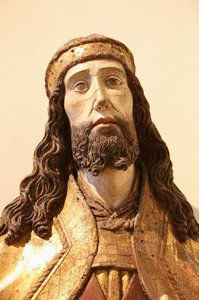
erasmus grasser
1450 - 1515 , Germany
Krótka nota
- Artistic Movement Or Style: Renaissance Sculptor
- Artists Or Movements Influenced By This Artist: ['Italian Renaissance']
- Artists Who Influenced This Artist: ['Nikolaus Gerhaert']
- Date Of Birth: c. 1450
- Date Of Death: c. 1515
- Full Name: Erasmus Grasser
- Nationality: German
- Notable Artworks:
- Morris Dancers
- Monument of Doctor Ulrich Aresinger
- Place Of Birth: Schmiedenhofen, Germany